Landscape — History & Facts
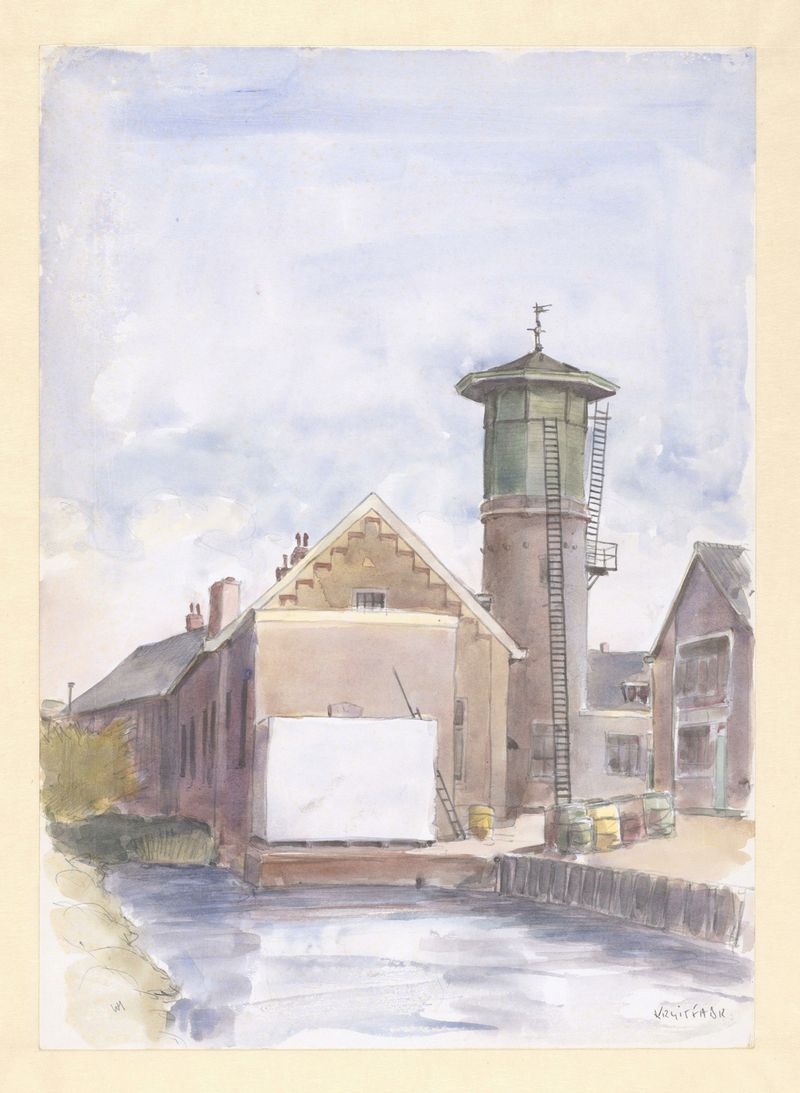
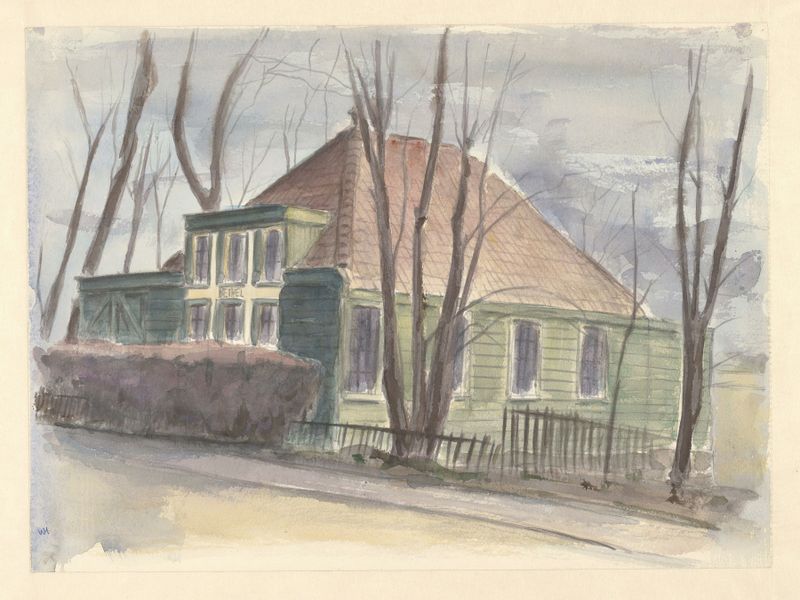
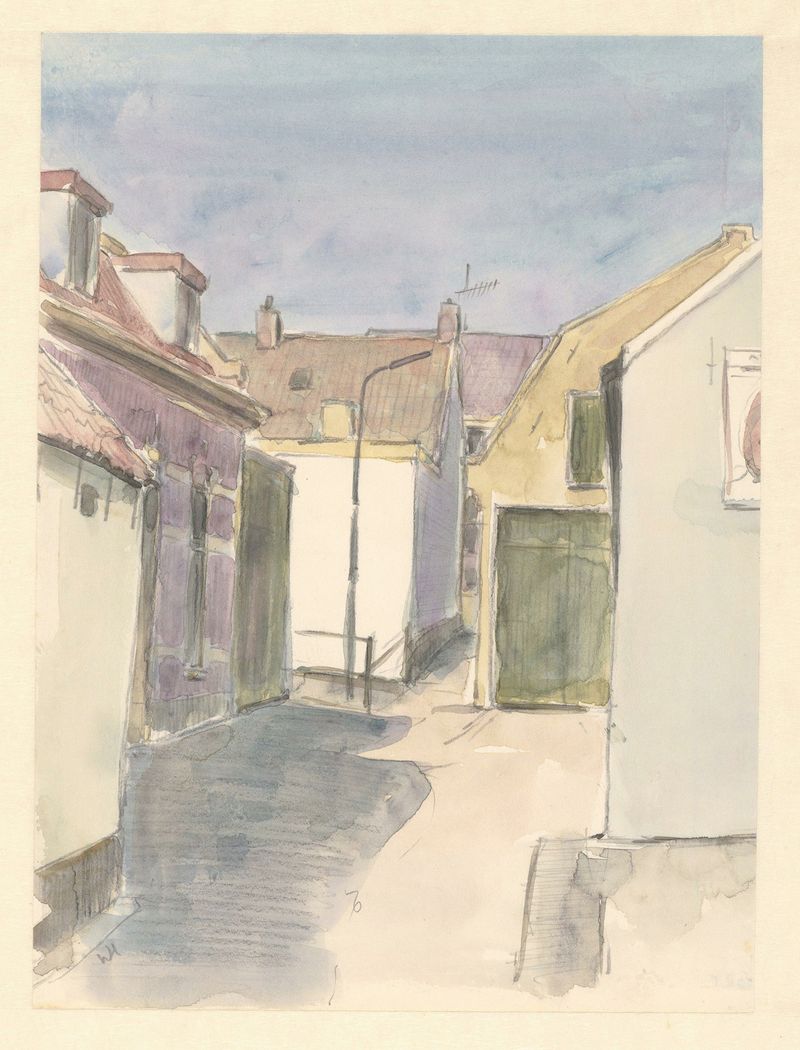
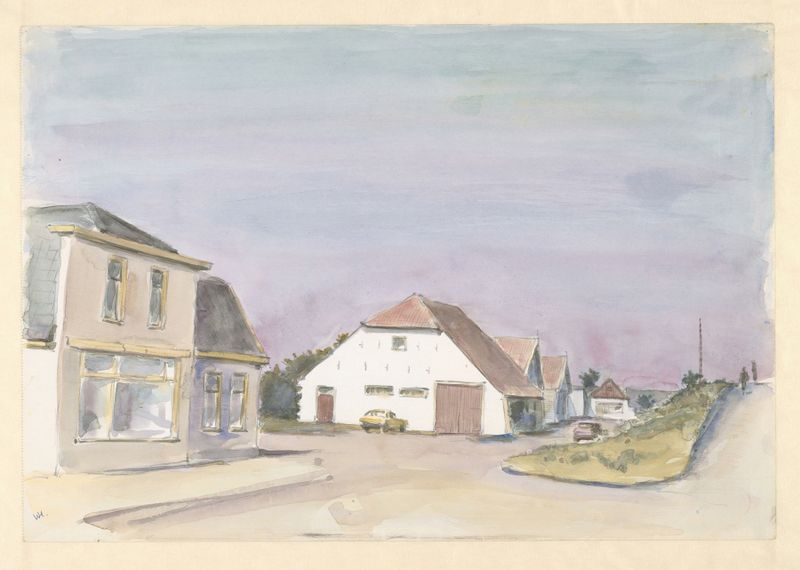
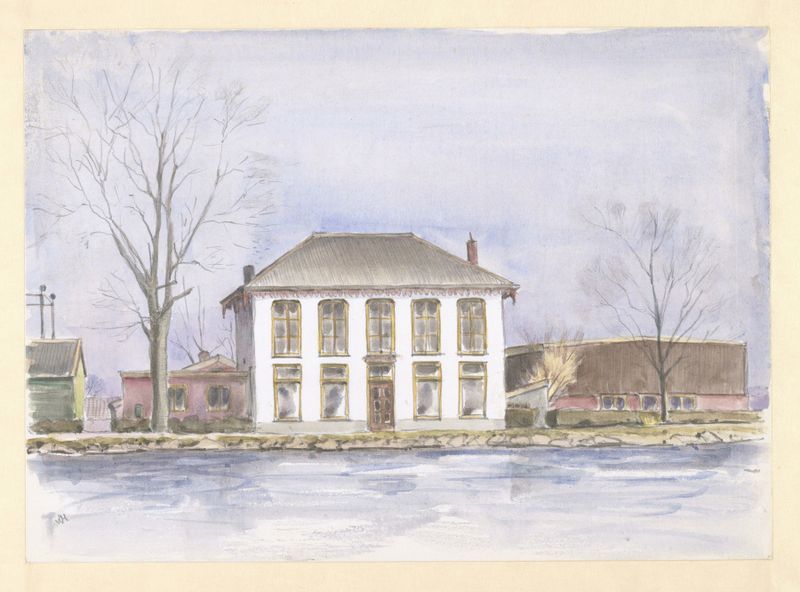
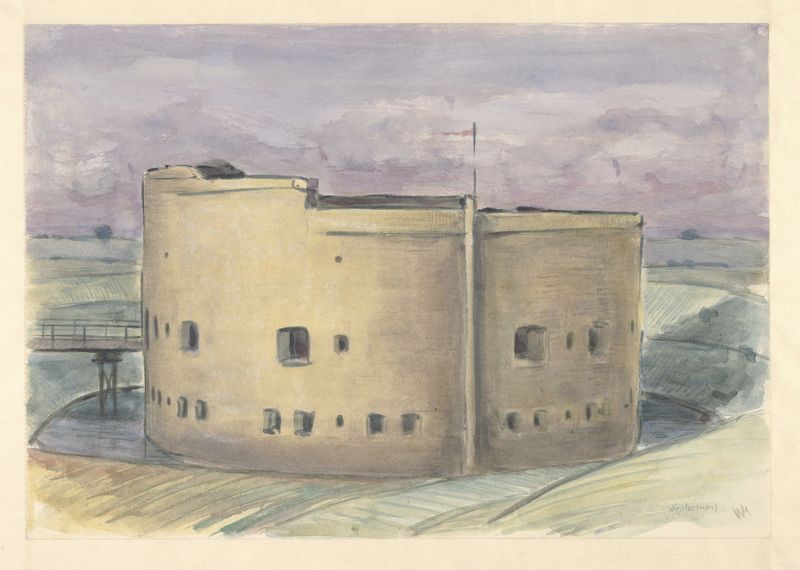
In the quiet embrace of a solitary landscape, chaos simmers beneath the surface, waiting to be unearthed. The juxtaposition of serenity and turmoil invites reflection on the complexity of existence. Look to the center, where a smooth expanse of tranquil water mirrors the cloudy sky above. The brushstrokes are deliberate yet loose, creating a sense of movement that belies the stillness of the scene.
Notice how the muted greens and blues dominate the palette, interspersed with streaks of vibrant hues that suggest the chaos lurking just beyond the calm facade. Hagemans masterfully contrasts the soft reflections in the water with the jagged lines of distant hills, establishing a profound tension that draws the viewer in. At first glance, the landscape appears harmonious, but upon closer inspection, elements of discord emerge. Tiny, almost imperceptible details—a solitary tree with twisted branches, a cluster of wildflowers fighting for space—speak to the struggle inherent in nature.
Each element is both a part of the whole and an individual narrative, reflecting the chaos of life itself. This tension between the orderly and the unruly resonates deeply, suggesting that beauty coexists with turmoil. Created in the mid-20th century, this work reflects Hagemans' exploration of the natural world amid post-war anxieties. Living in a time of significant change and uncertainty, the artist sought to connect with the emotional landscapes of his surroundings.
As the art world embraced abstraction and new movements, he remained rooted in depicting the complexities of nature, ultimately capturing a moment of contemplation layered with the chaos of his era.