Landscape — History & Facts
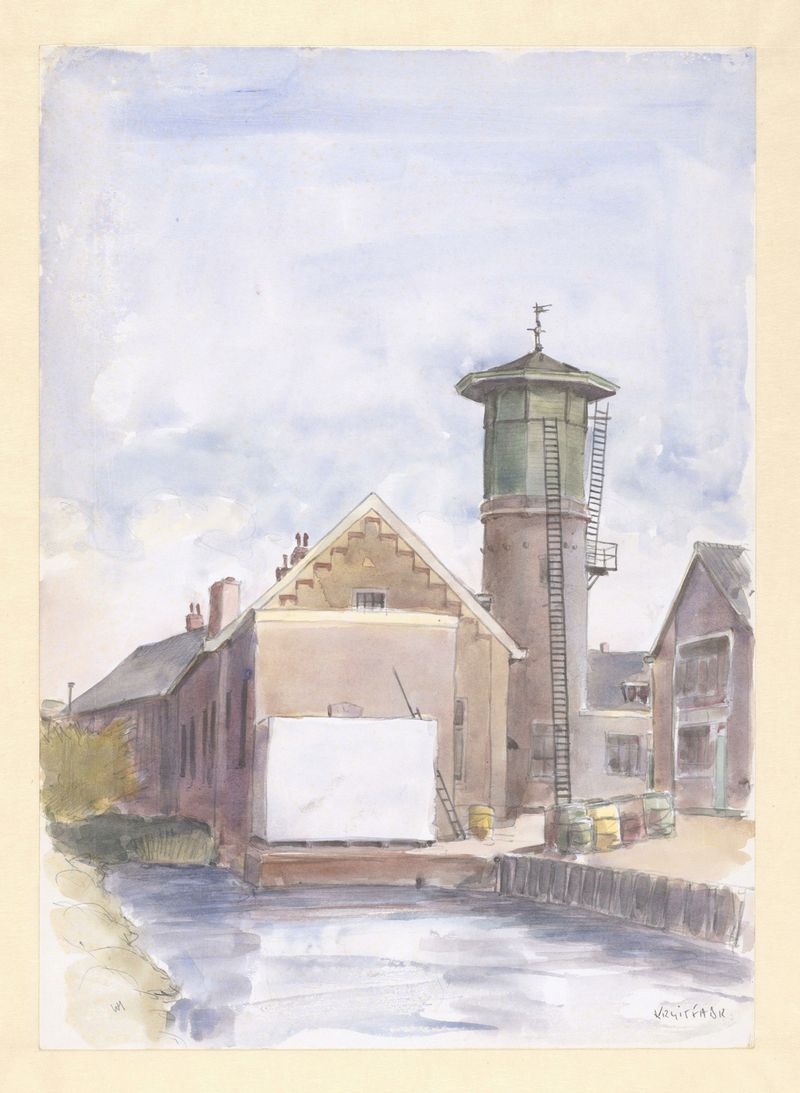
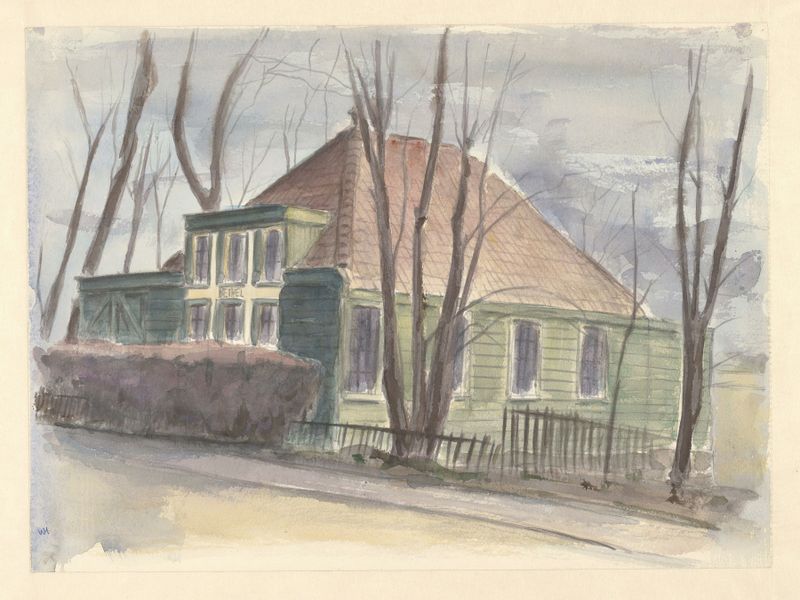
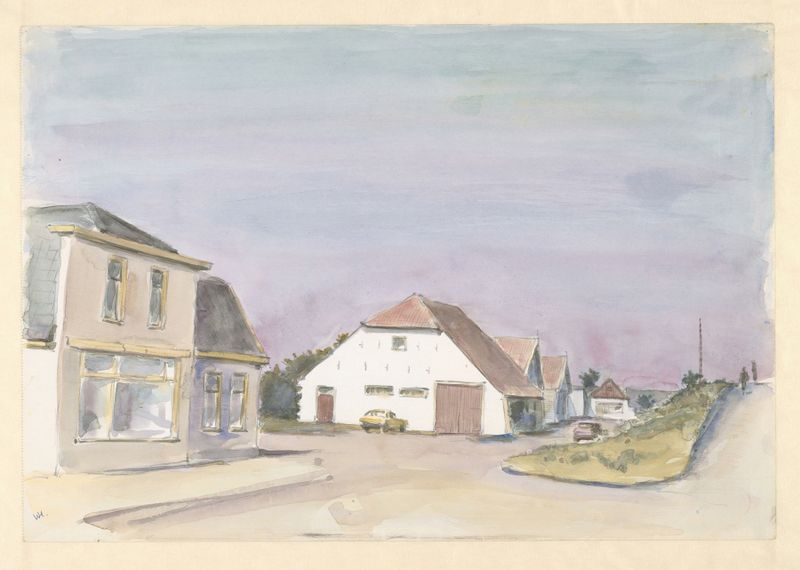
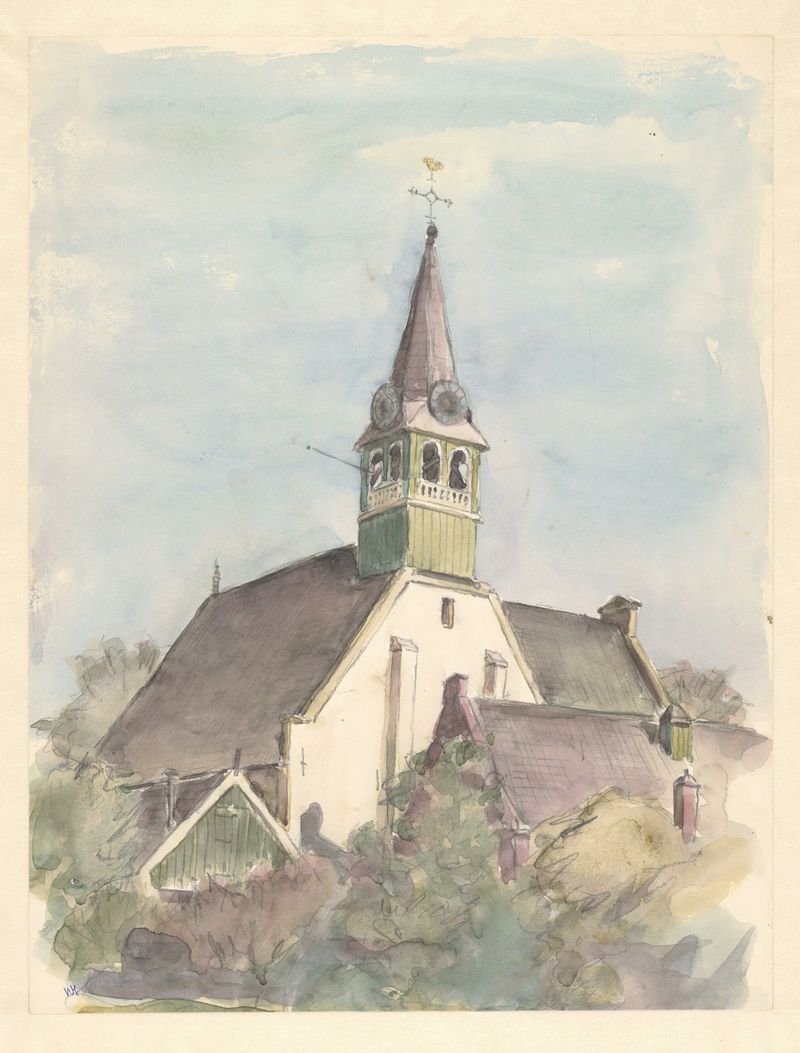
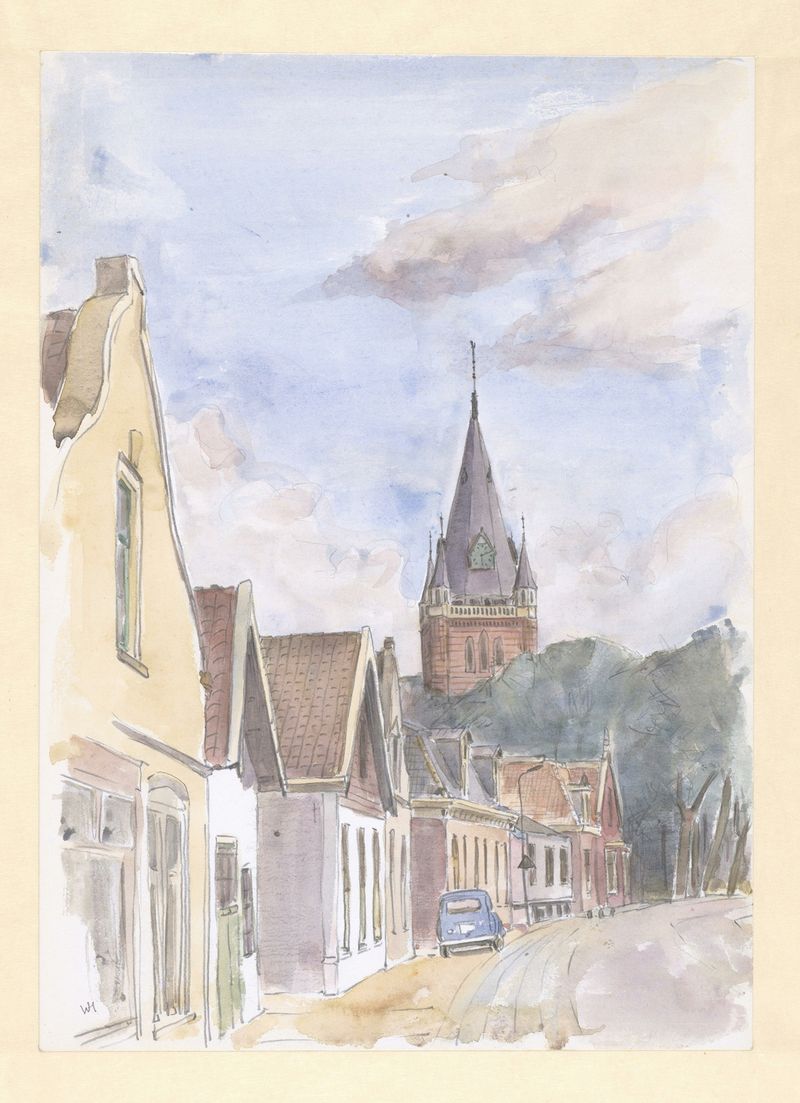
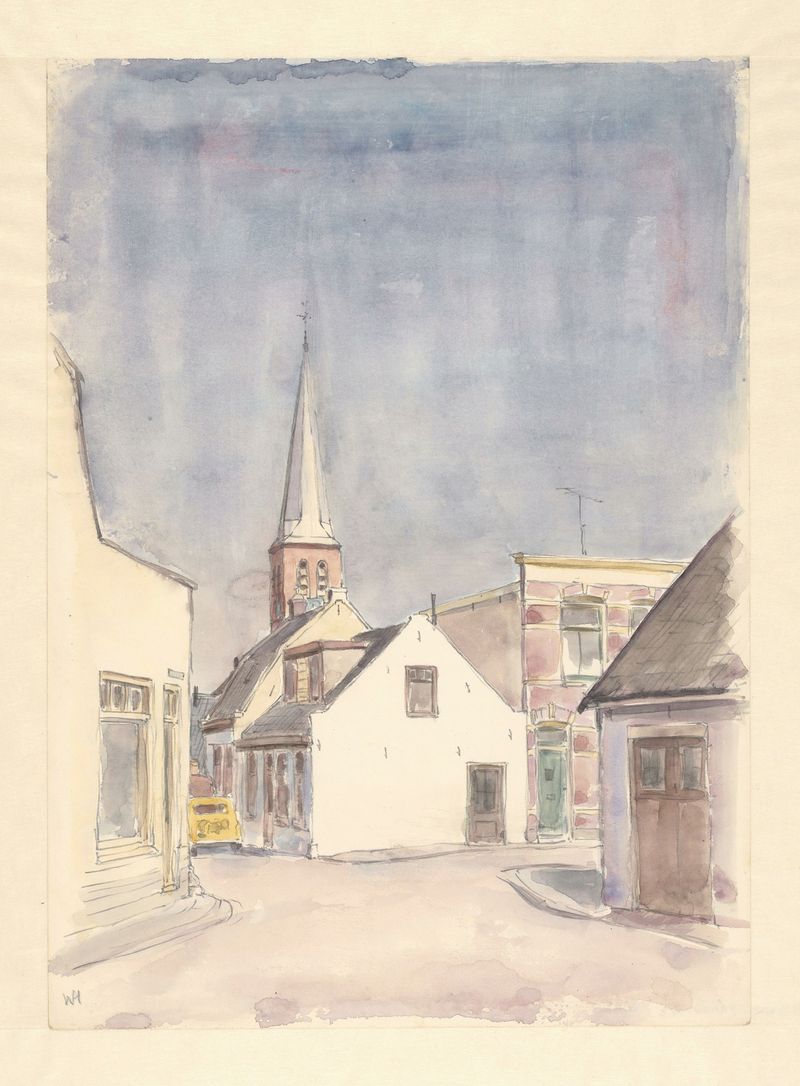
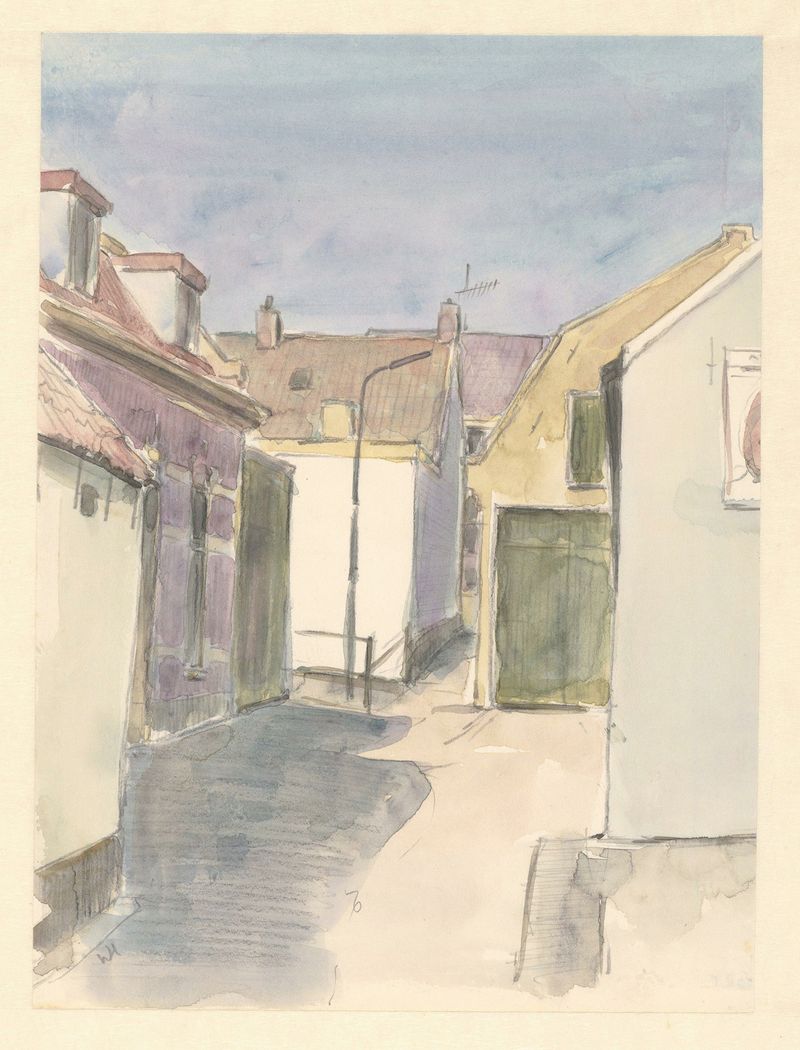
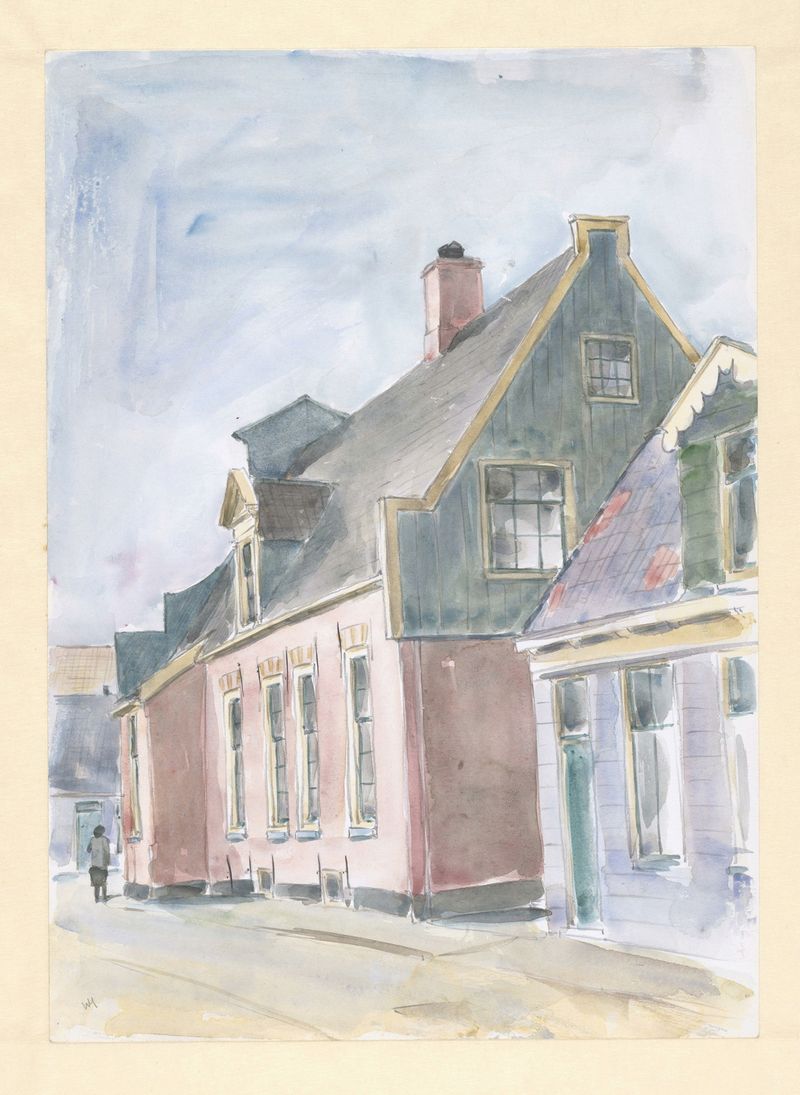
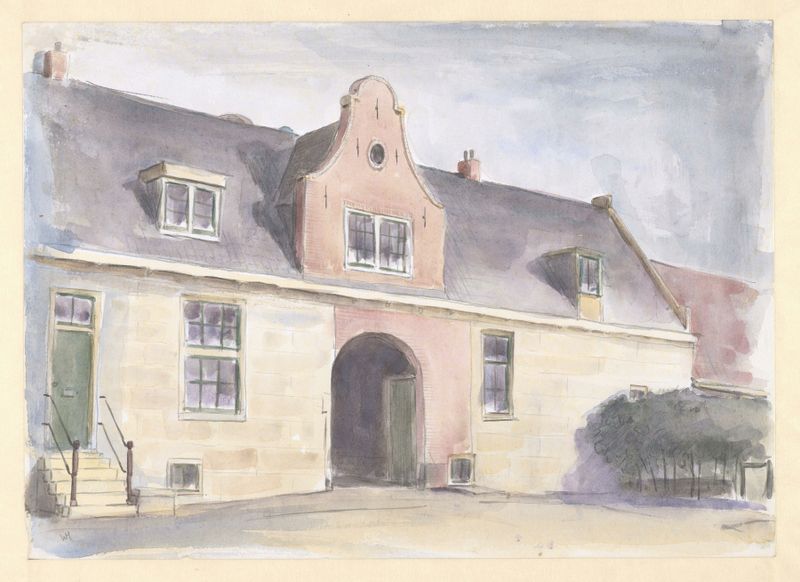
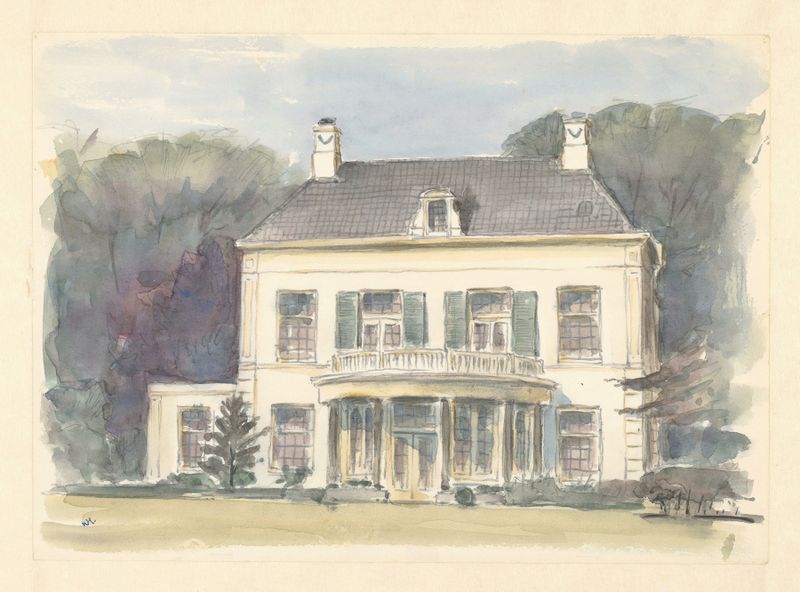
In the quiet chaos of existence, madness often lurks beneath the surface, waiting to be unveiled. Look to the left at the bold strokes of emerald green, where nature breathes tumultuously. The canvas bursts with an array of colors that dance toward the horizon, flowing seamlessly into one another. Notice how the vibrant hues clash yet harmonize, an artistic reflection of the inner turmoil that can reside within landscape and mind alike.
The artist employs a layered technique, allowing colors to bleed into one another, creating a texture that invites the viewer to linger—each brushstroke a whisper of emotion. The contrast between the vivid foreground and the subdued sky illustrates the tension between chaos and calm, suggesting a world on the brink of transformation. Hidden details emerge in the darker corners of the composition, perhaps hinting at the madness that can lurk in the beauty of nature. This dichotomy evokes a sense of unease, as if the landscape is alive with an unspoken narrative, begging to be explored and understood. Wim Hagemans created this piece during the late 20th century, a time when artists were grappling with the shifting paradigms of representation and abstraction.
Working in Belgium, he was influenced by the post-modernist movement, which encouraged a departure from traditional forms. His exploration of color and emotion reflected both personal experiences and the broader artistic dialogues of his time, capturing the essence of a world teetering on the edge of insanity and serenity.