Landscape — History & Facts
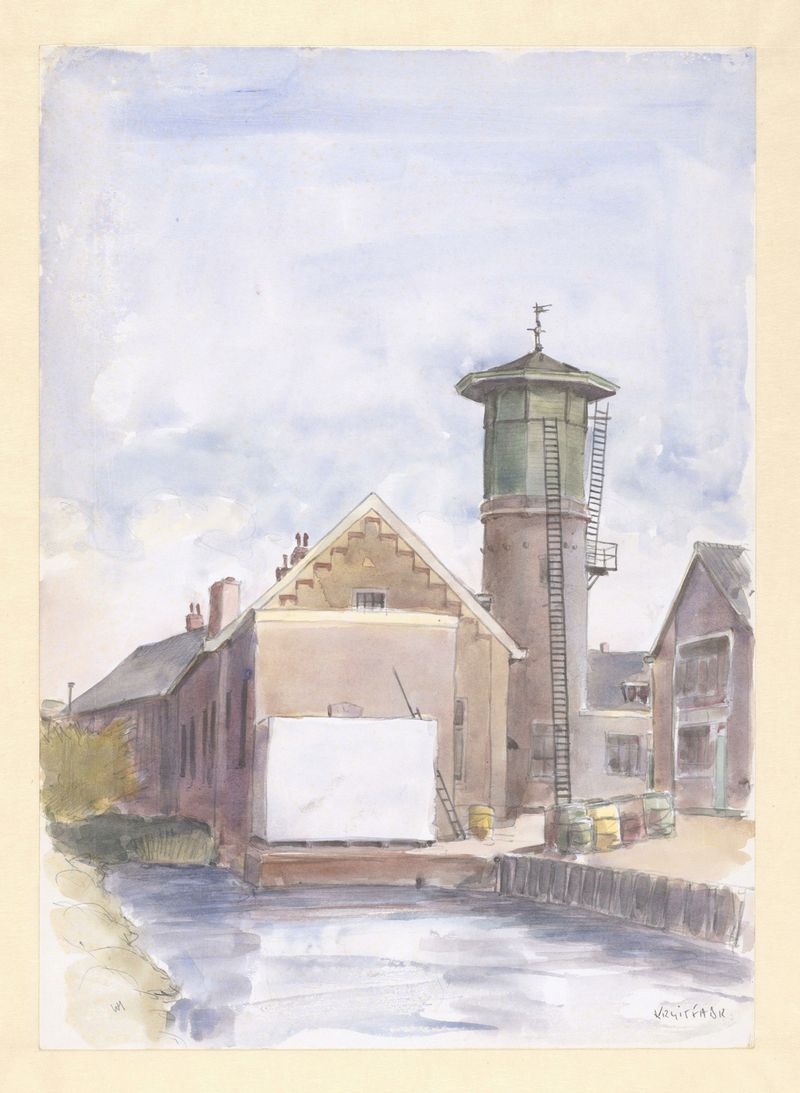
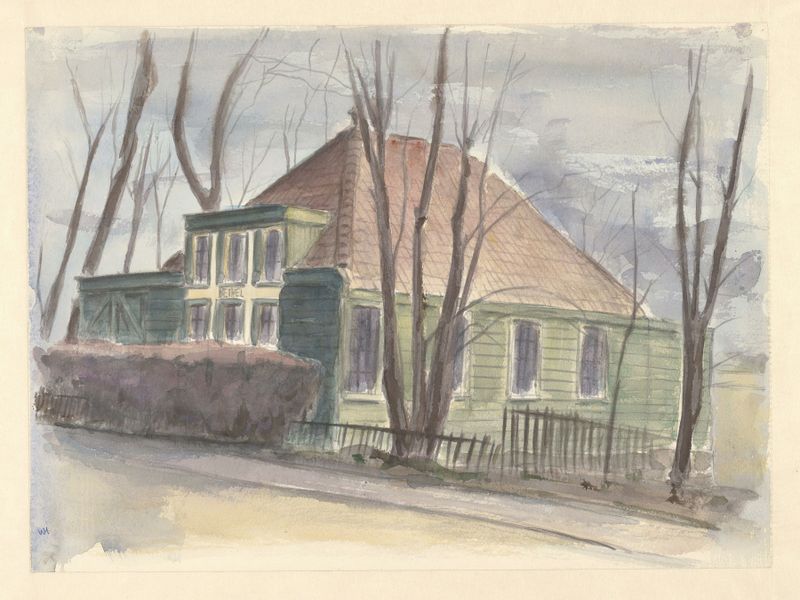
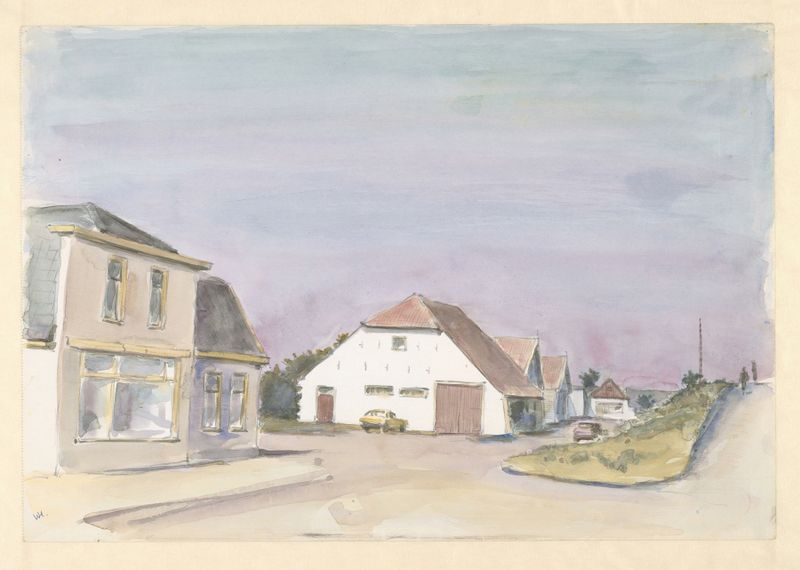
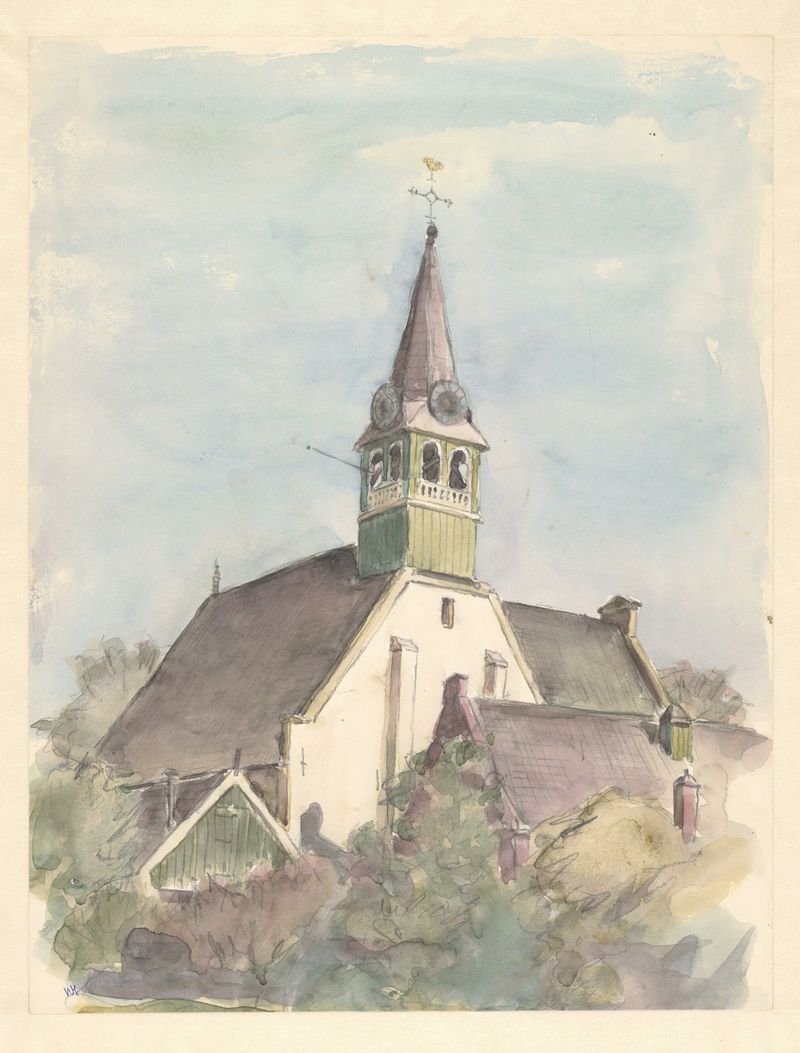
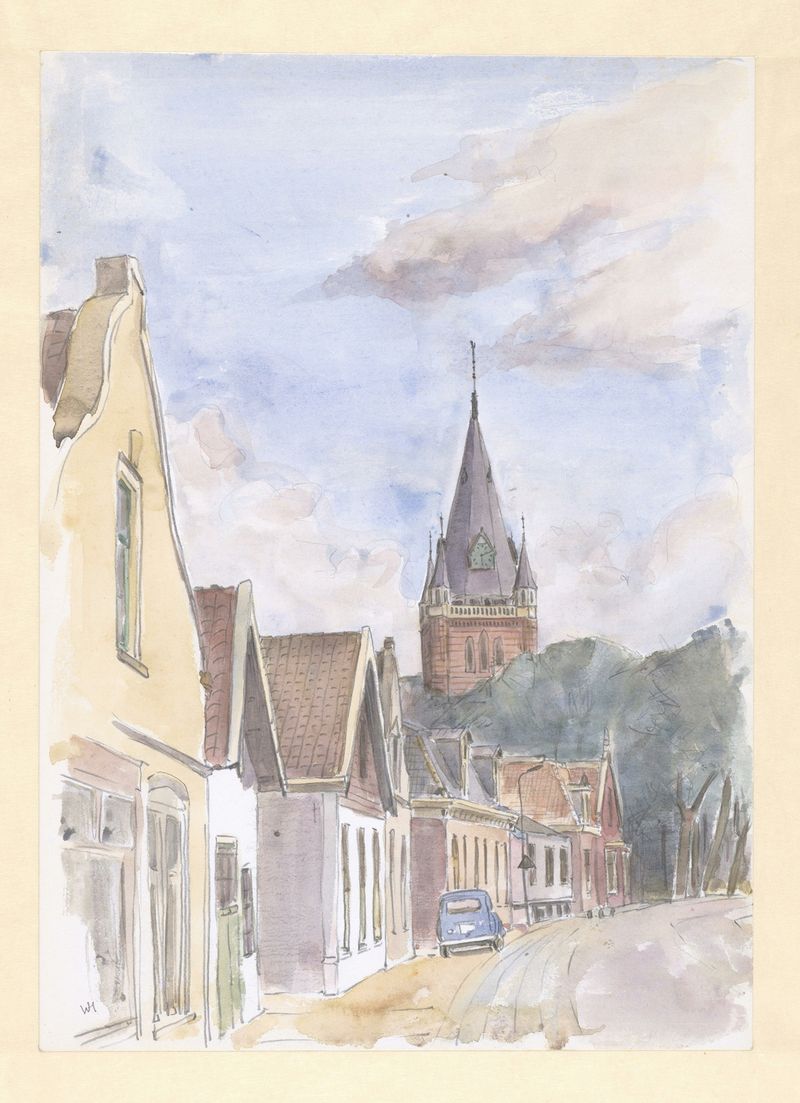
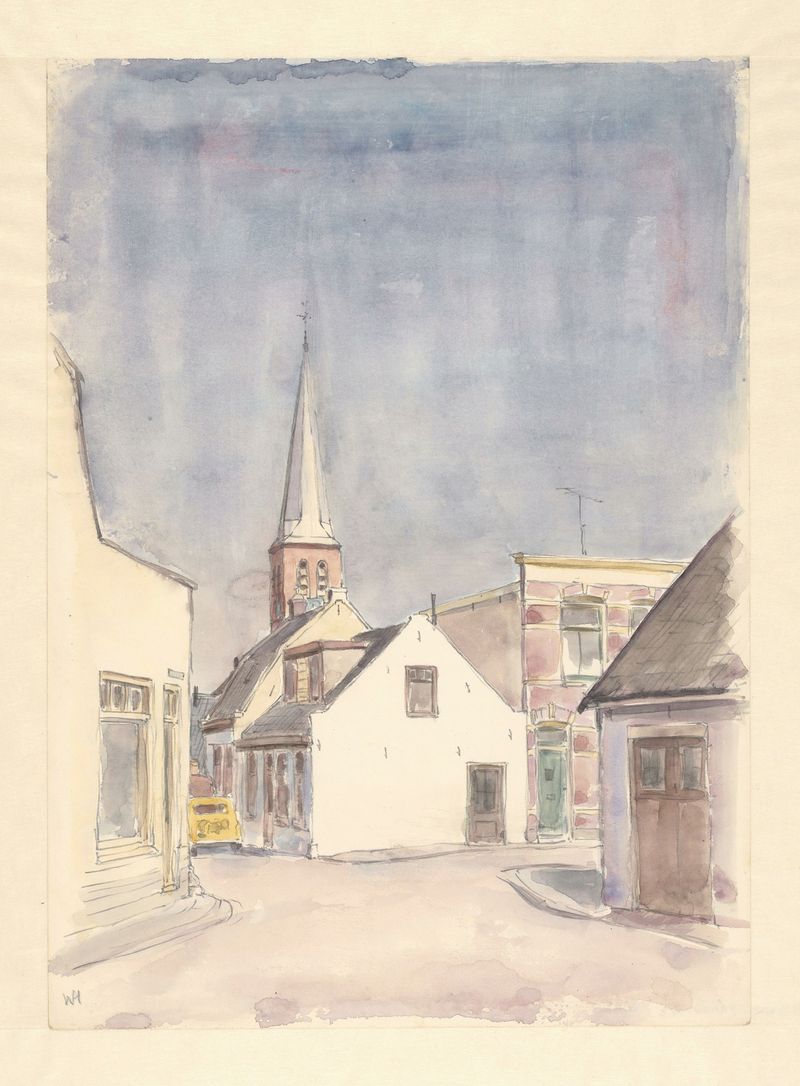
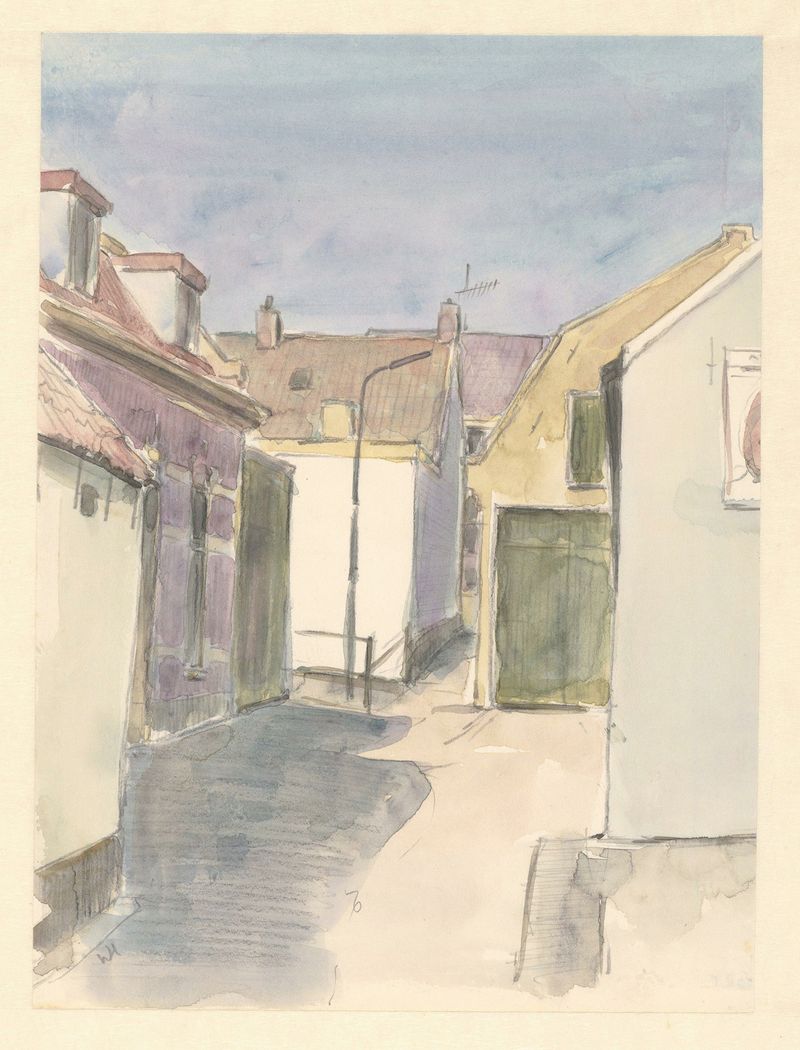
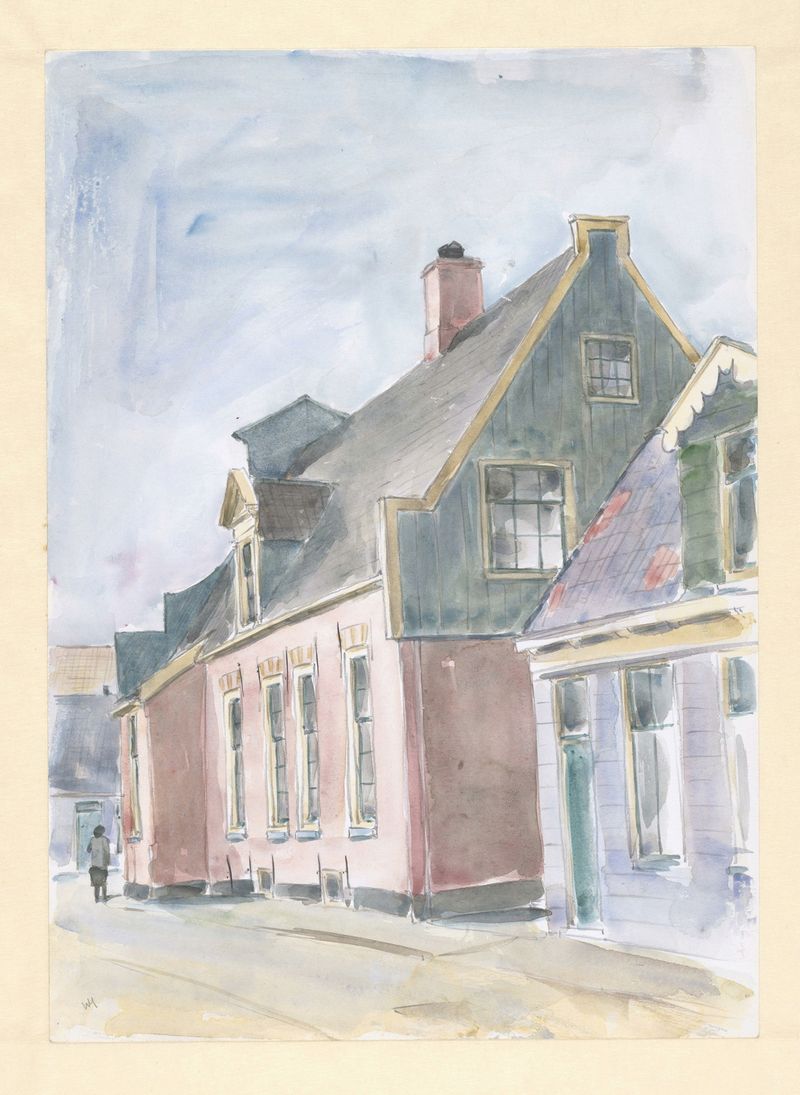
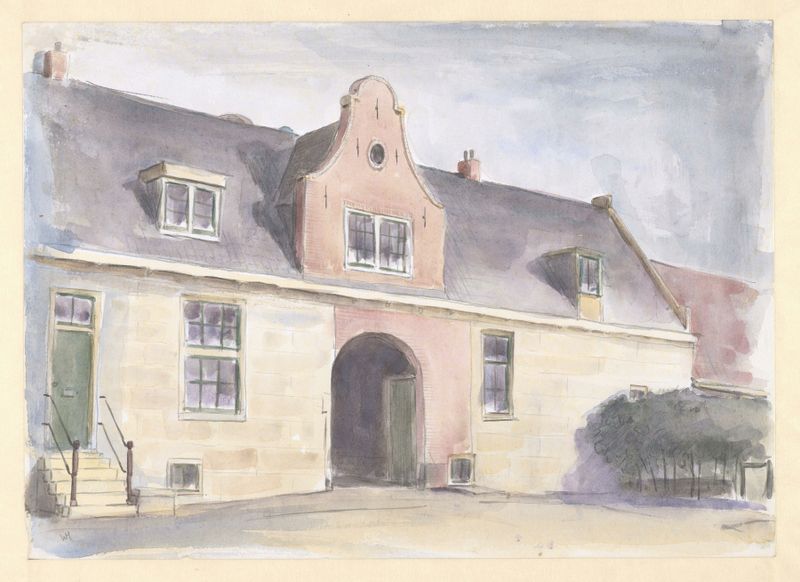
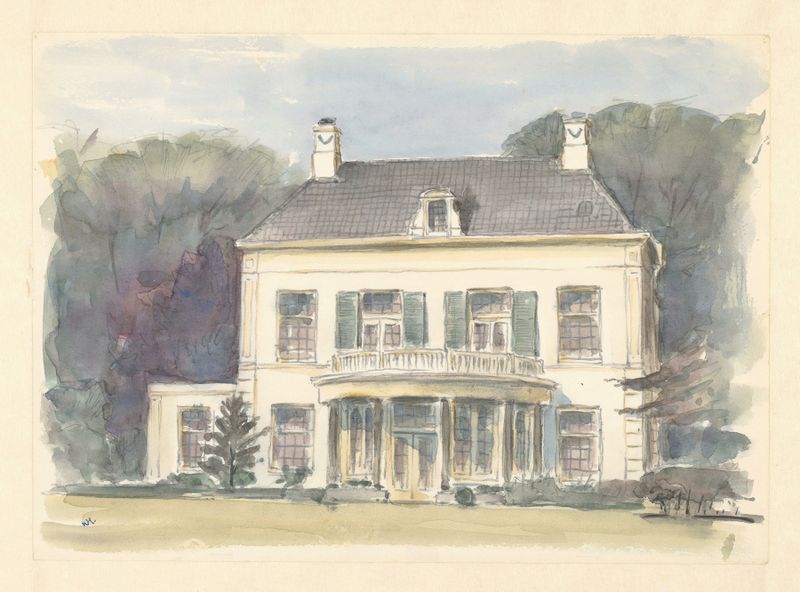
Who listens when art speaks of silence? In Landscape, a tranquil quietude envelops the canvas, inviting viewers to engage with the illusion of serenity. Look to the horizon, where muted hues blend softly into one another, creating a seamless transition between sky and earth. The gentle brushstrokes evoke a sense of movement, yet the overall composition remains still, as if time has paused. Notice how subtle variations of color—earthy greens, faded blues, and hints of golden light—compose a harmonious palette that evokes both peace and contemplation. Within this stillness lies a profound tension; the painting balances the illusion of depth with a sense of flatness, questioning the viewer’s perception of reality.
The overlapping layers suggest a landscape lush with potential stories, while the absence of defined figures creates an intimate solitude, prompting reflection on one's place within nature. This duality serves as a meditation on the power of absence, the unseen elements that shape our experiences. Wim Hagemans created Landscape in the latter half of the 20th century, amidst a period of artistic exploration and experimentation. Living in Europe during significant social changes, he found himself influenced by the rise of minimalism and the quest for authenticity in art.
This work reflects his desire to capture the essence of landscapes while challenging viewers to confront their own perceptions and feelings about the natural world.