Landscape — History & Facts
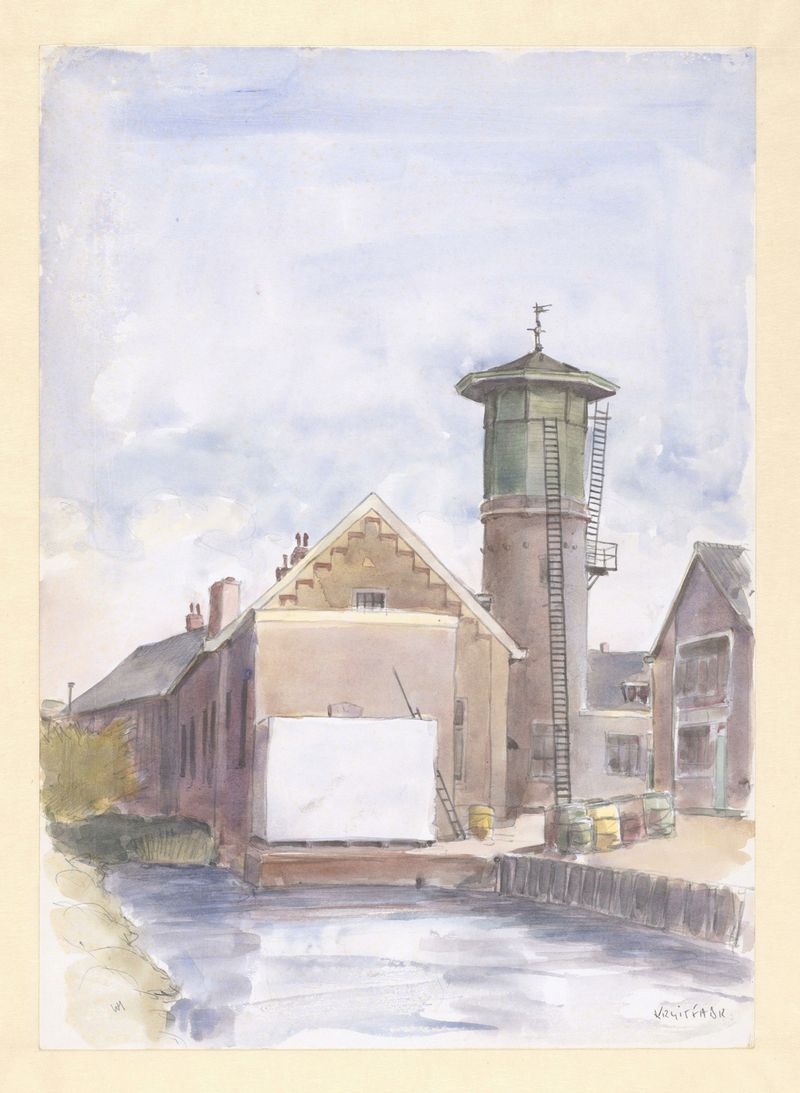
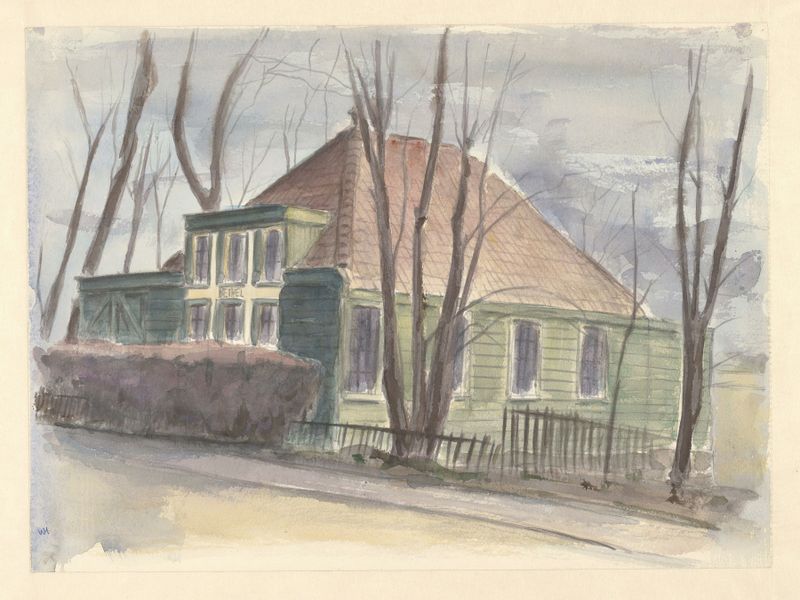
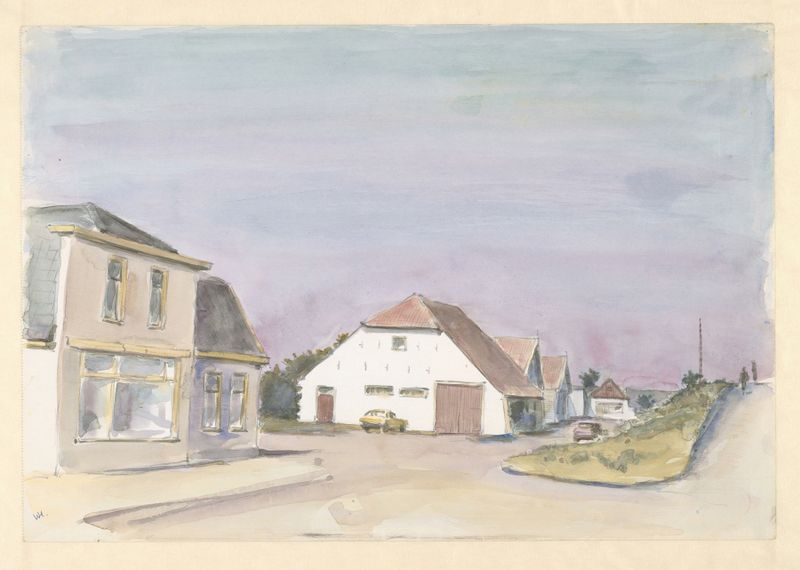
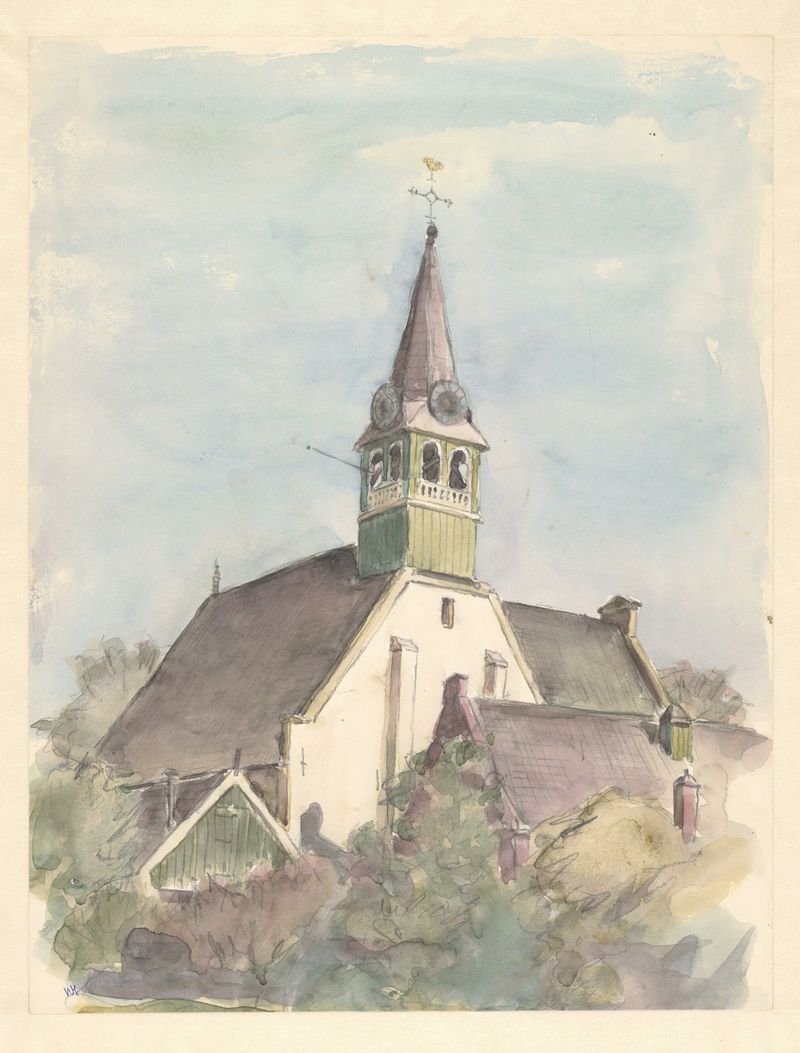
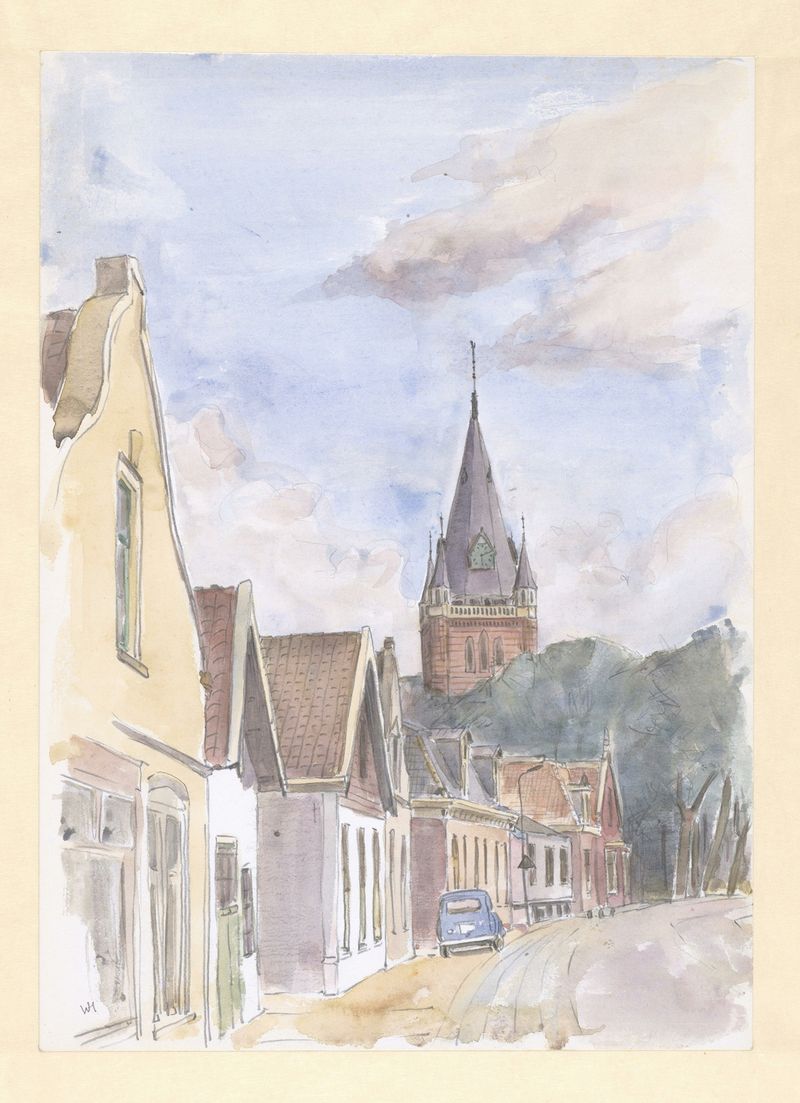
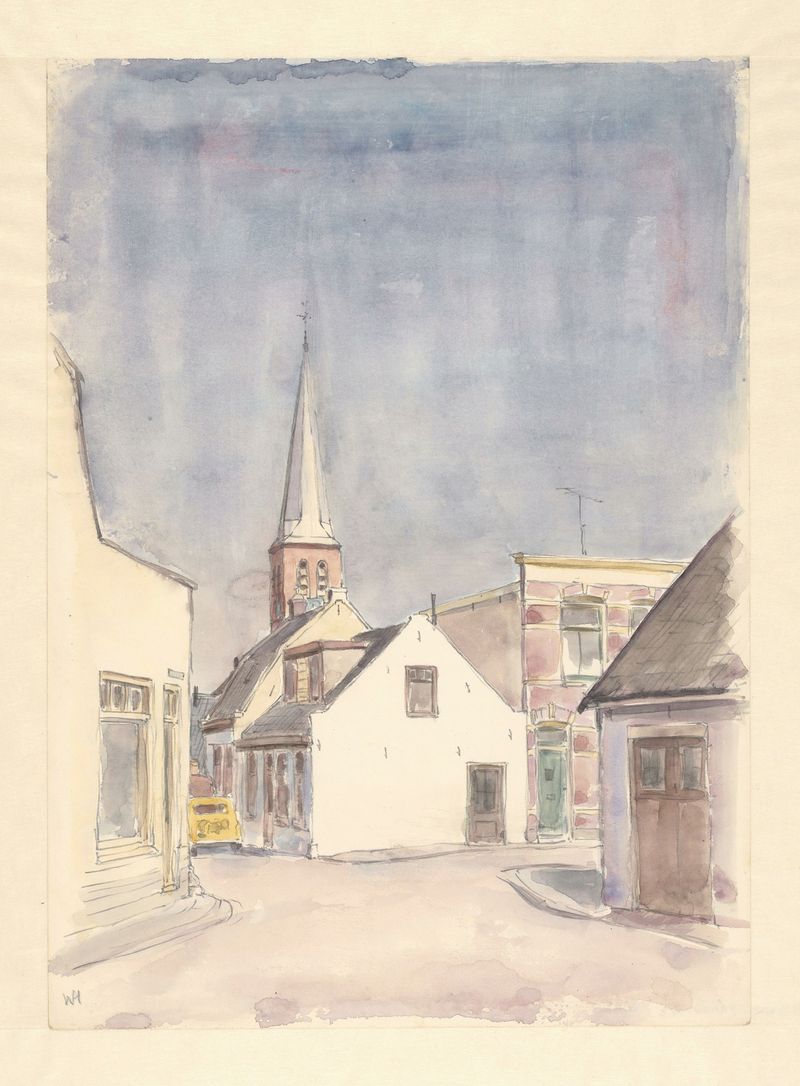
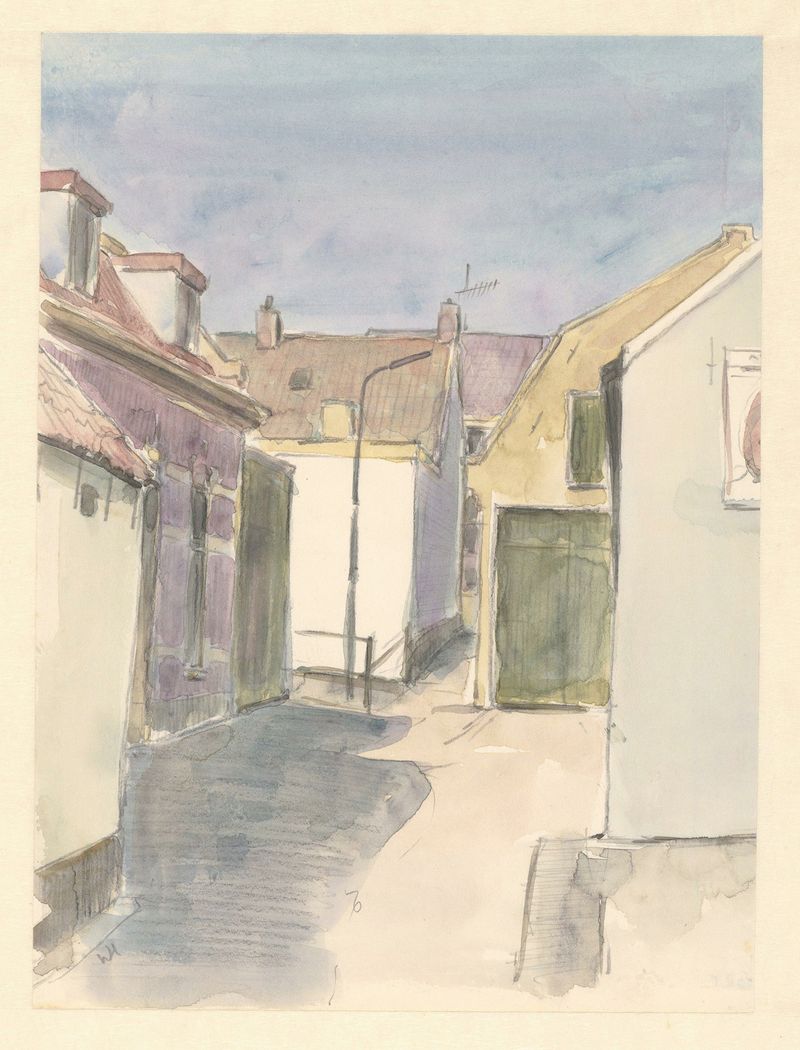
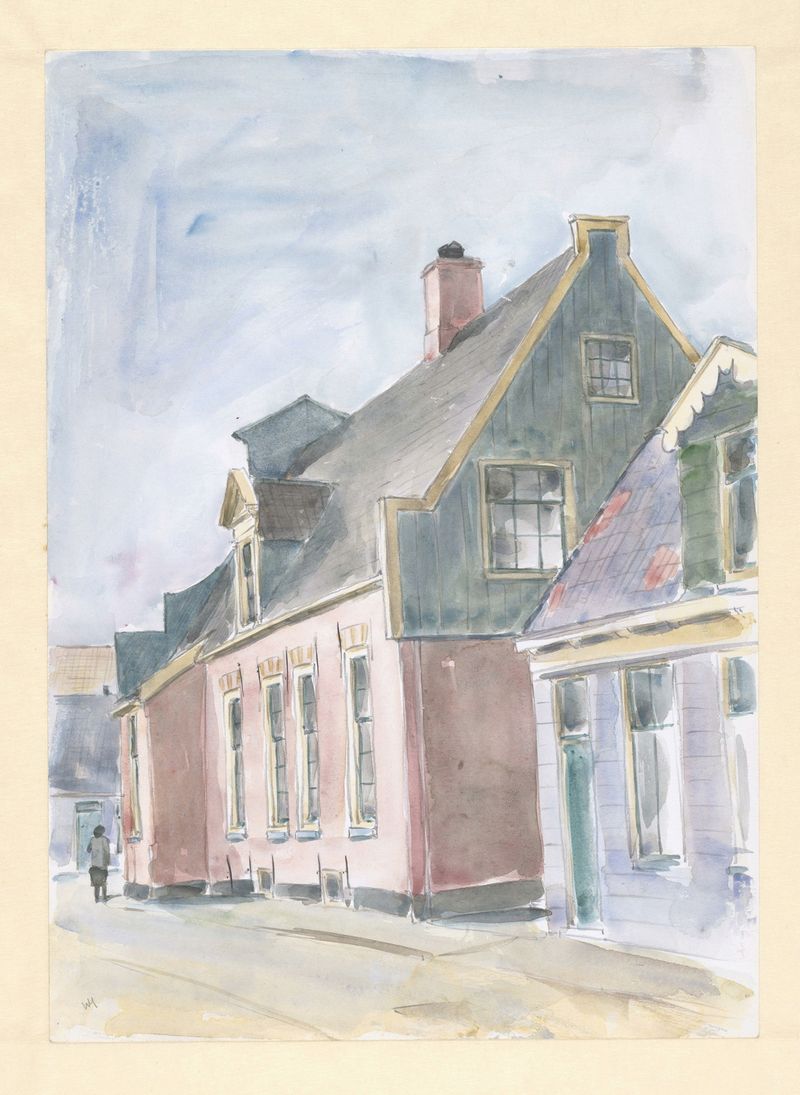
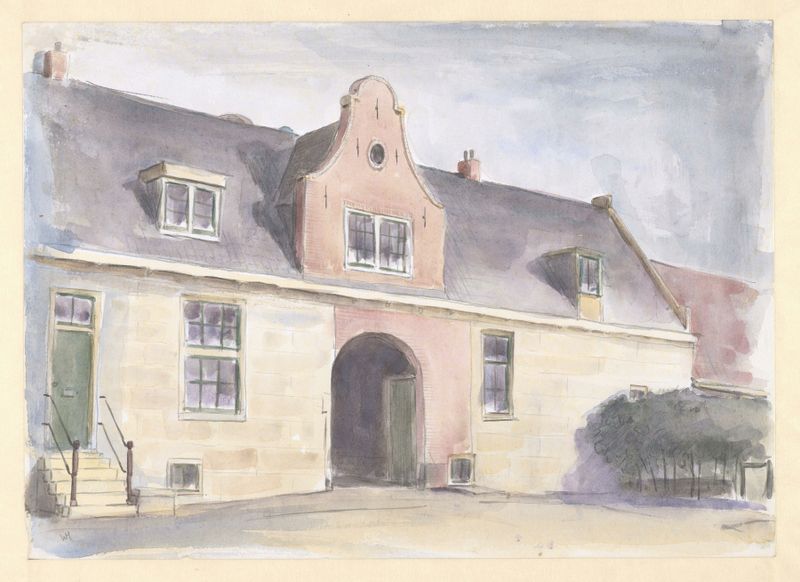
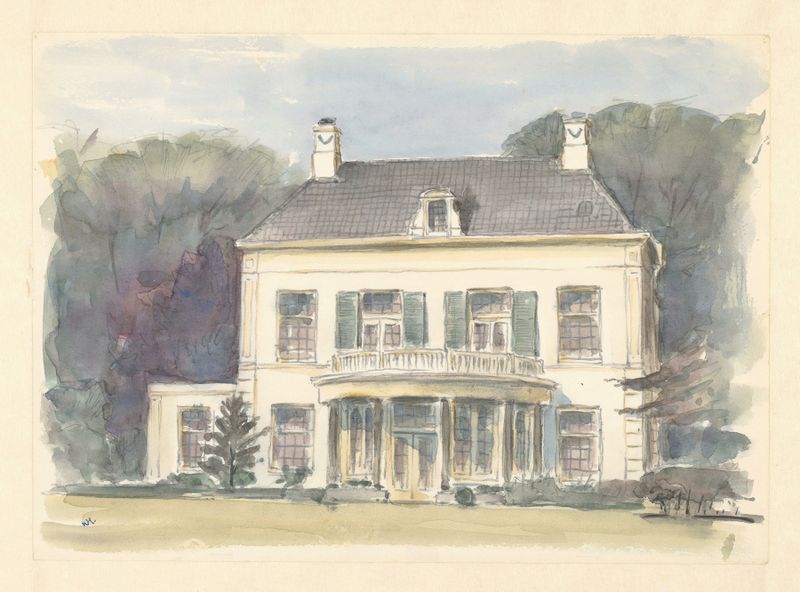
Who listens when art speaks of silence? In the quiet embrace of Landscape, subtle hues and expansive forms awaken a profound stillness, inviting reflection and contemplation. Look to the foreground, where gentle brushstrokes create undulating hills that seem to breathe with life. The artist employs a muted palette of greens and browns, suggesting a harmonious connection between earth and sky. Focus on the horizon, where the soft blending of colors hints at the early morning light, casting an ethereal glow that encapsulates the essence of dawn awakening the world. Delve deeper into the composition, where the layering of textures evokes a sense of depth beyond the visible.
Notice how the sparse, almost uninhabited expanses create an emotional tension between solitude and tranquility. The absence of figures suggests not emptiness, but a space ripe for introspection, allowing the viewer to project their own experiences and feelings onto the canvas, bridging the gap between observer and observed. In the 20th century, Wim Hagemans created Landscape during a period marked by significant artistic evolution. Working in a time when abstraction was gaining momentum, he sought to capture the essence of nature through a personal lens, reflecting contemporary themes of isolation and introspection amidst a rapidly changing world.
This painting stands as a testament to the awakening of a new approach, urging viewers to find meaning in stillness and simplicity.