Landscape — History & Facts
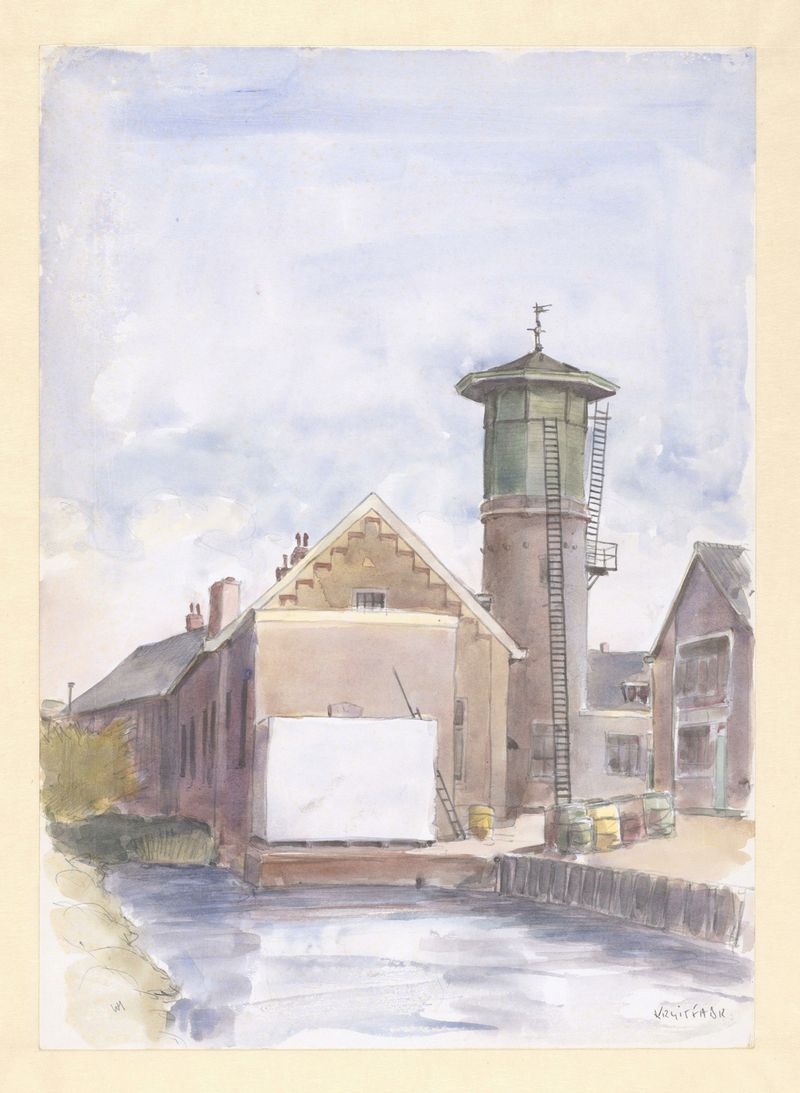
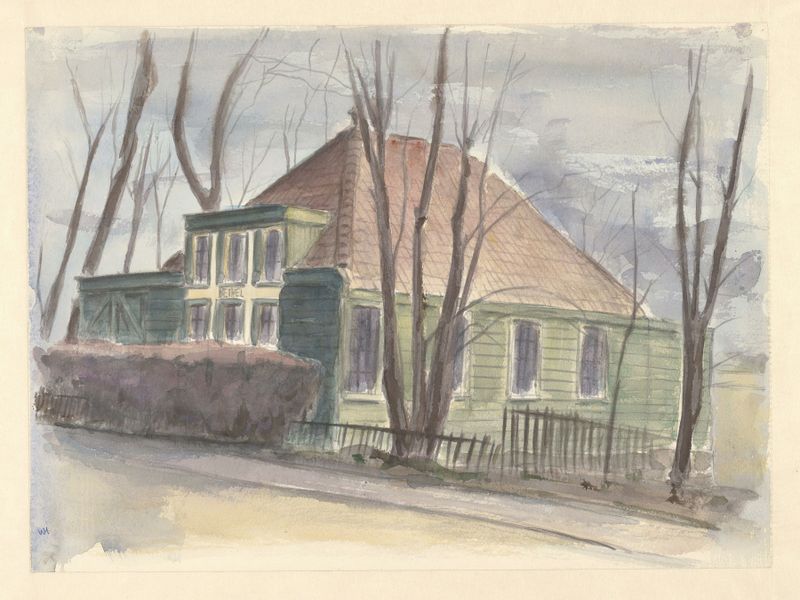
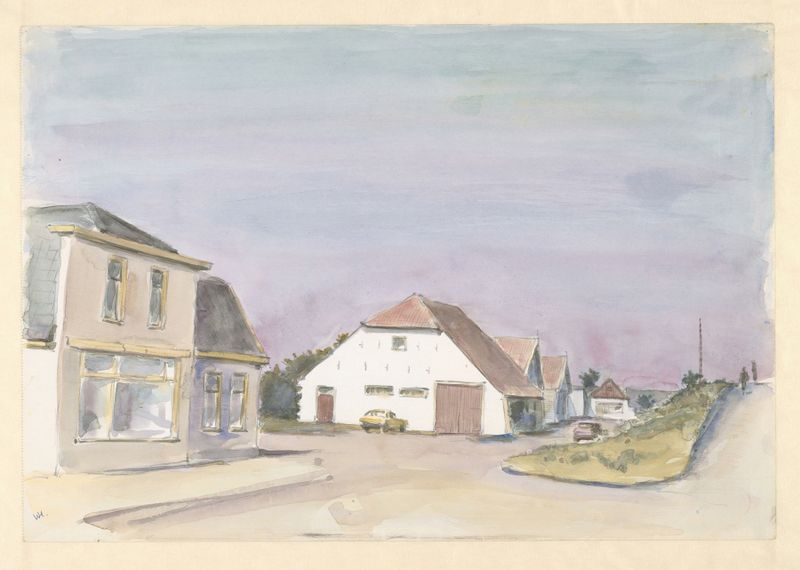
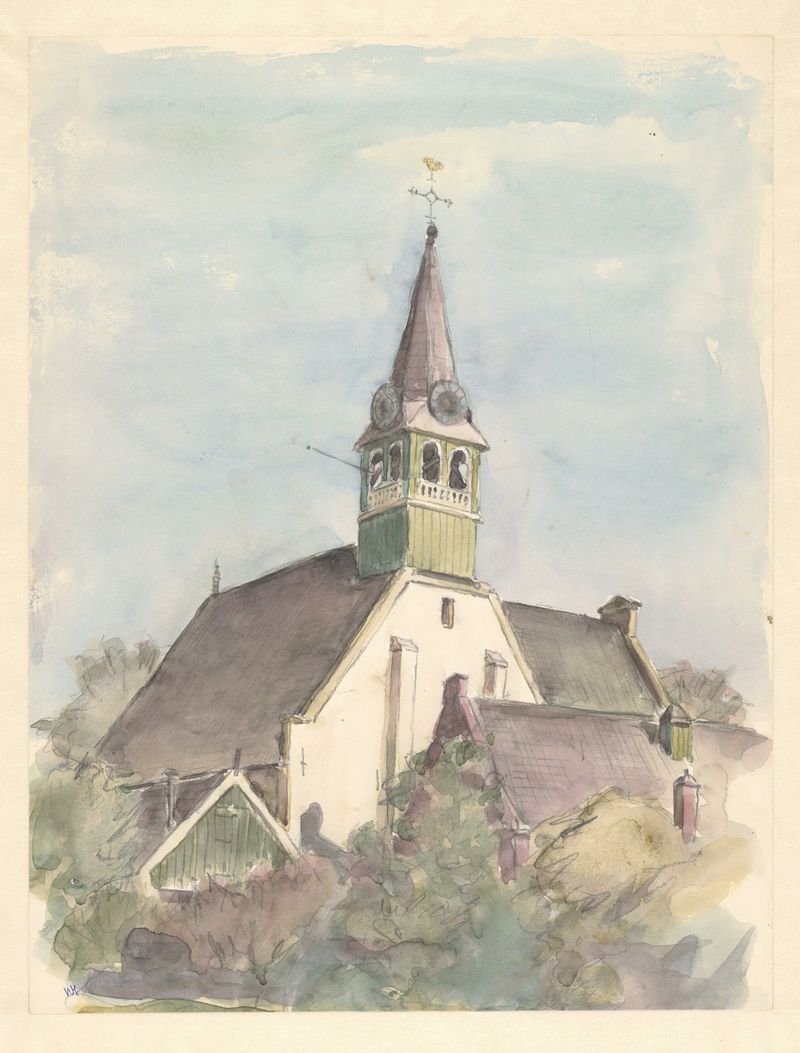
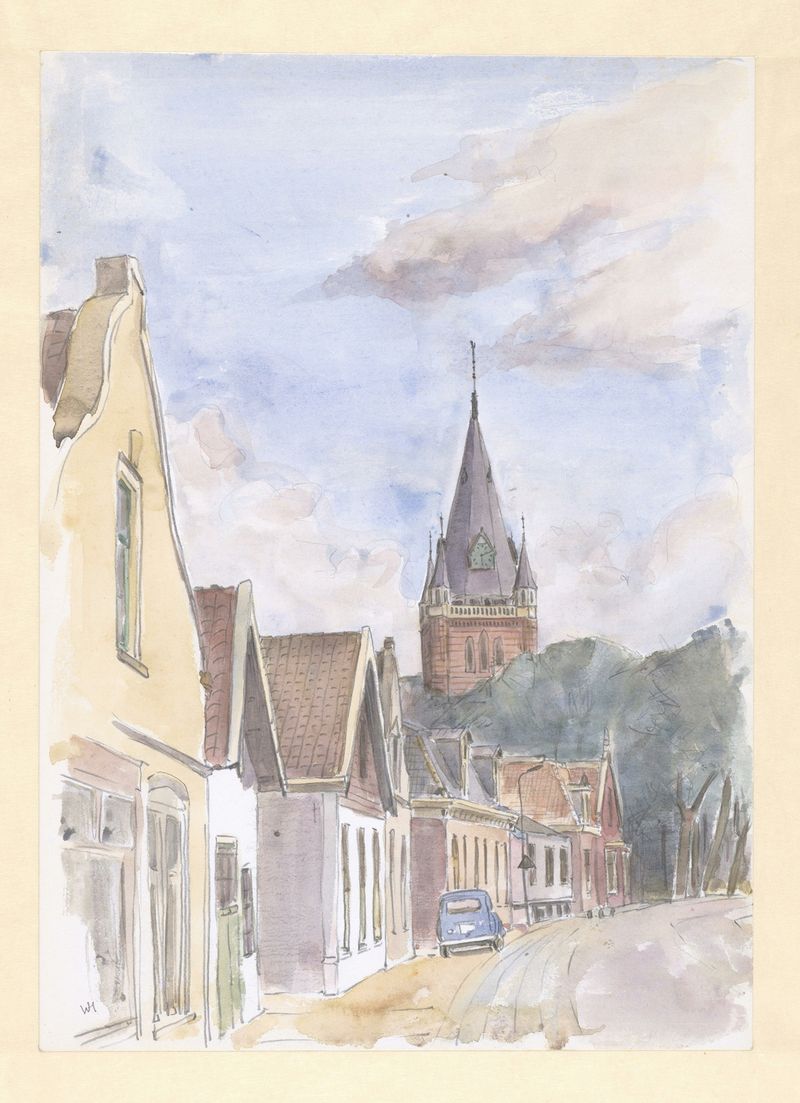
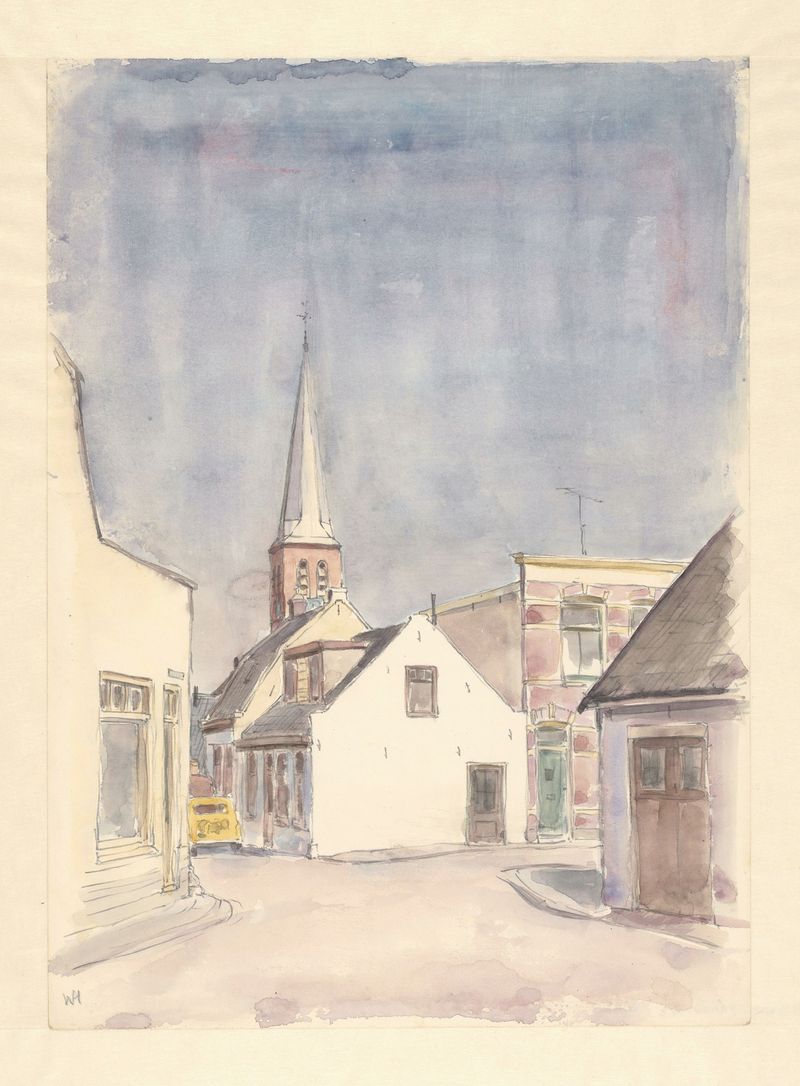
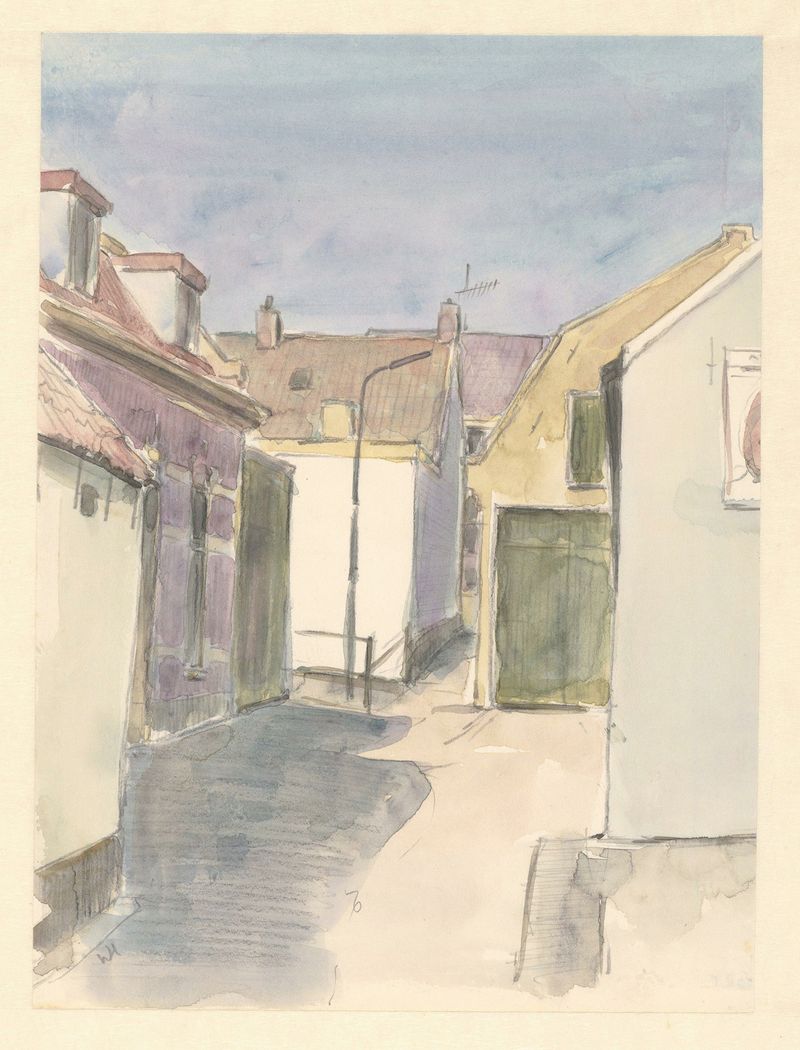
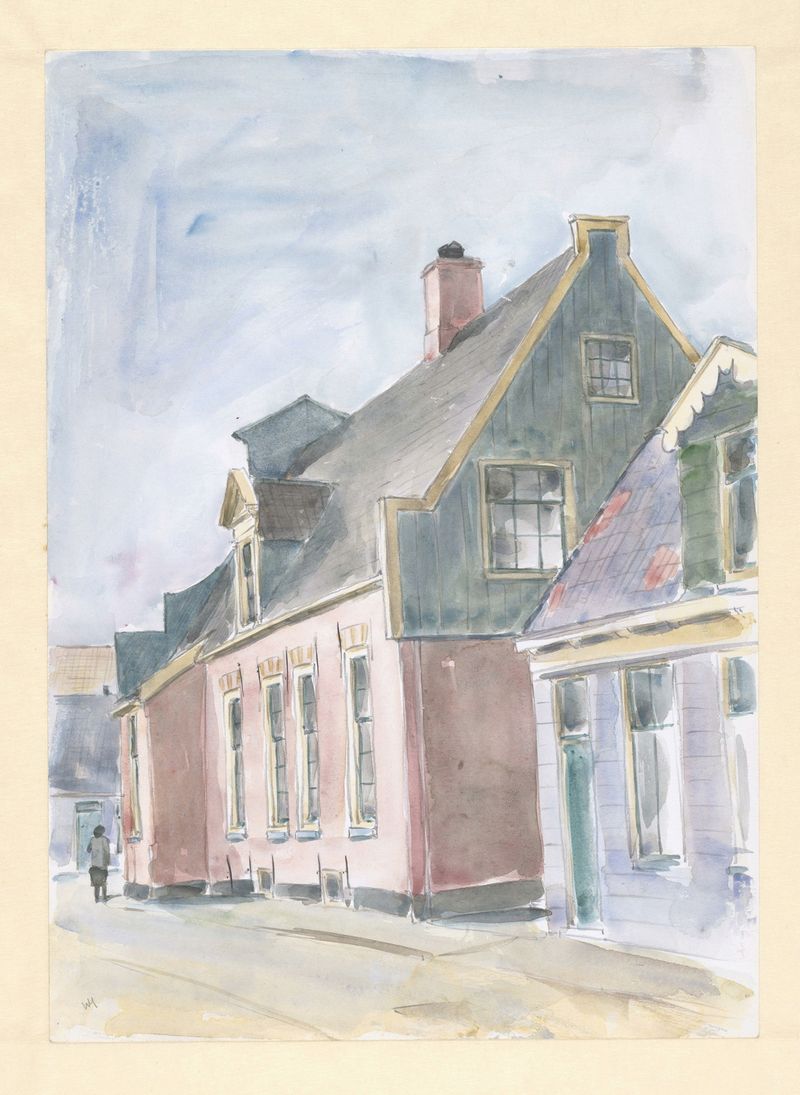
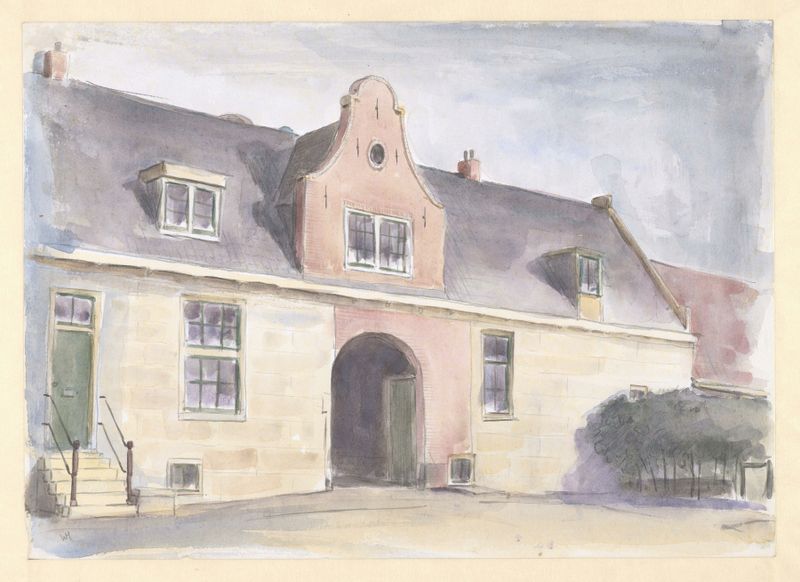
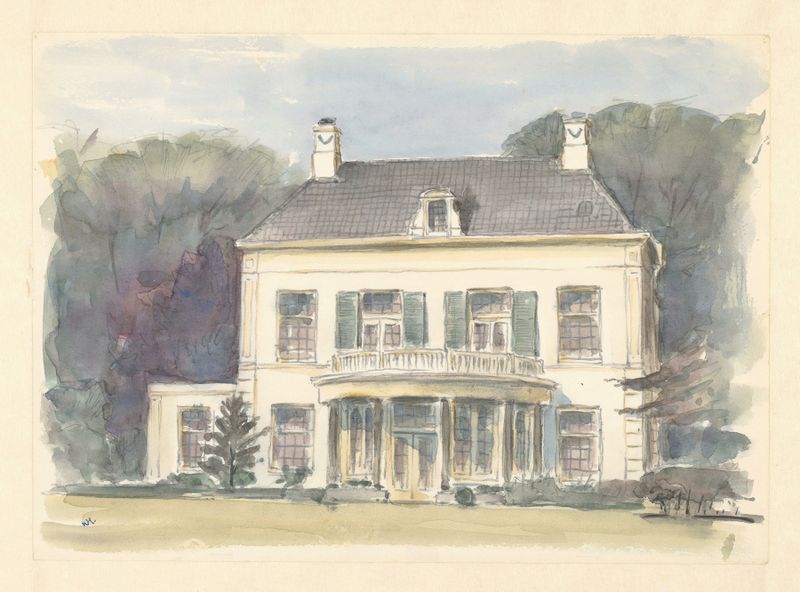
Could a single brushstroke hold eternity? In the sprawling expanse of Landscape, each stroke invites contemplation, beckoning the viewer to lose themselves within the depths of nature’s majesty. Look closely at the horizon, where soft, muted tones blend seamlessly into a sky bathed in twilight hues. The brushstrokes, both deliberate and spontaneous, create a sense of movement that breathes life into the stillness. Notice how the foreground dances with vibrant greens, dotted with delicate flecks of color that suggest wildflowers swaying gently in the breeze, while the distant hills fade into an ethereal mist.
This juxtaposition of detail and abstraction reveals an artist deeply engaged with the essence of the natural world. Beyond its visual harmony, the painting captures an interplay between serenity and turbulence. The calm surface of the land contrasts with the swirling, dynamic skies above, hinting at the emotional undercurrents of existence. A hidden tension lies within the colors—each layer revealing a narrative of transformation, hinting at the cycles of life, change, and the passage of time.
Such complexities reflect the awe-inspiring vastness that nature holds, echoing the artist's reverence for the world around him. Wim Hagemans created Landscape in the 20th century, a period marked by a shift towards abstraction and personal expression in art. Living in the Netherlands, Hagemans was influenced by the changing perspectives of post-war society, where artists sought to reconnect with nature amidst the urbanization that surrounded them. This work embodies that quest, serving as both a personal reflection and a universal contemplation of humanity’s place within the greater tapestry of life.