Landscape — History & Facts
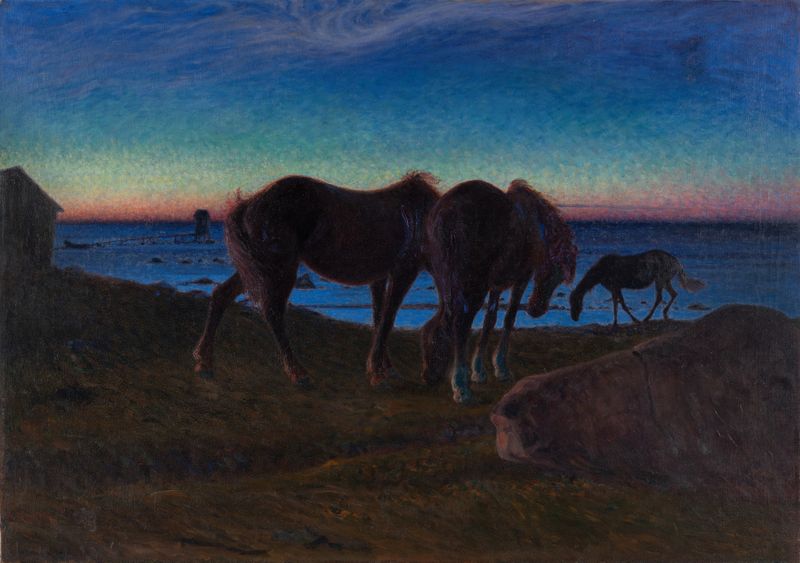
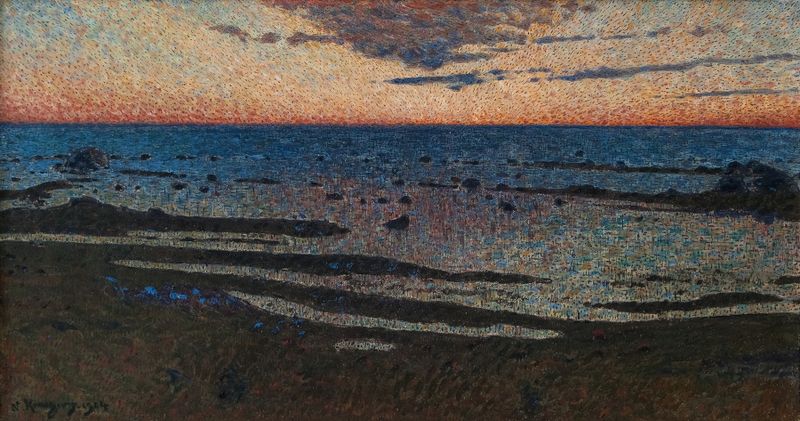
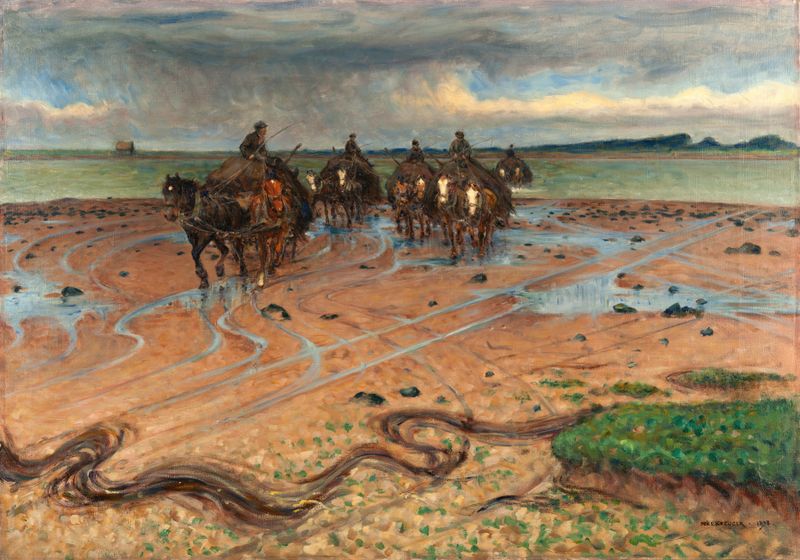
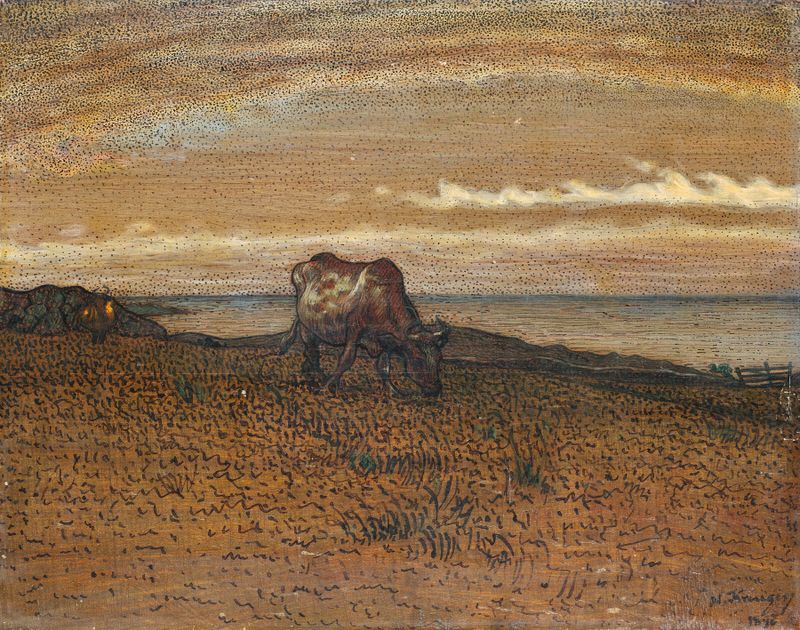
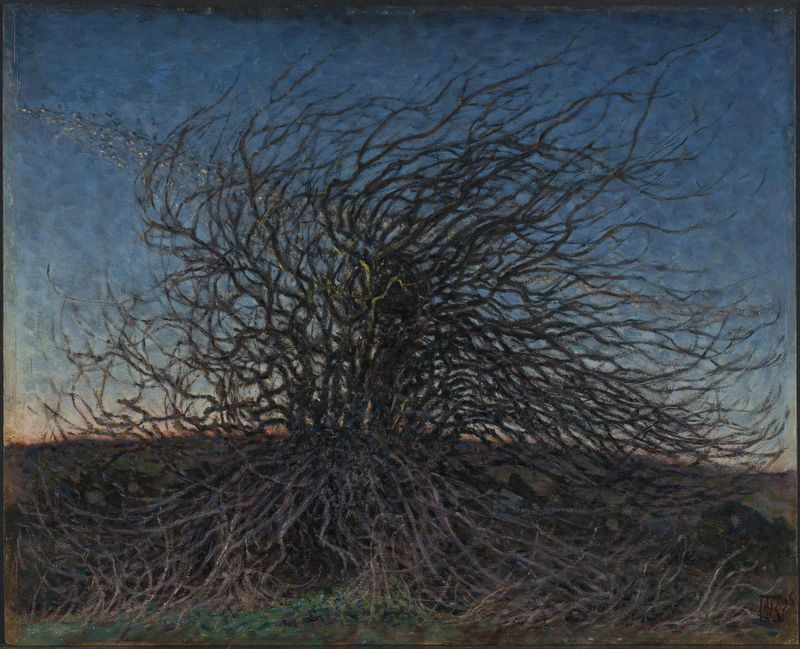
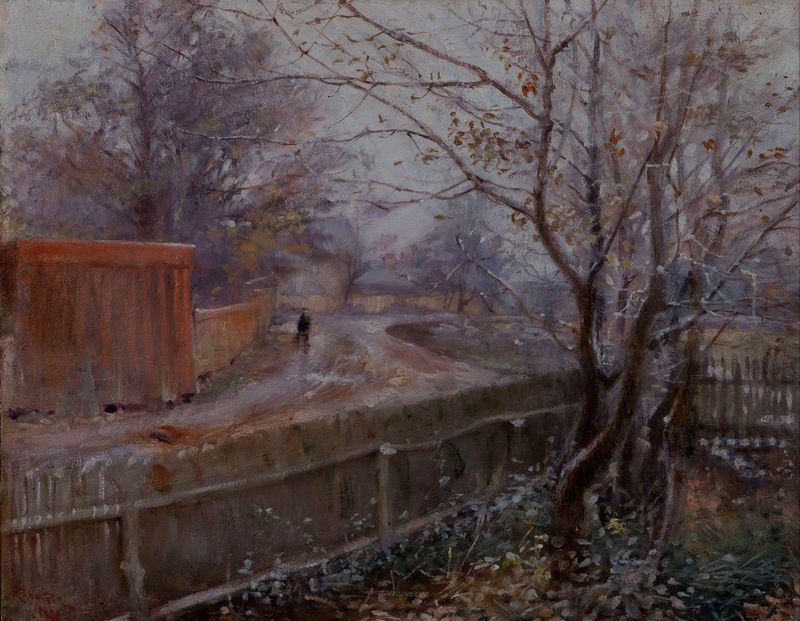
Can paint confess what words never could? In a world where silence reverberates, the rich hues of Landscape evoke feelings that escape language, inviting us to explore emotions nestled within its strokes. Focus first on the vibrant green fields that stretch across the canvas, welcoming the eye with their gentle undulations. Notice how the soft, diffused light bathes the scene in a warm glow, illuminating the varied textures of the landscape. The horizon, drawn with a delicate hand, seems to breathe, drawing the viewer deeper into a serene yet dynamic dialogue between earth and sky. Hidden within this tranquil expanse are contrasts that reveal the artist's emotional landscape.
The interplay of light and shadow speaks to the duality of nature—its beauty and its fragility. Each brushstroke carries a whisper of the stories that unfold beneath the surface, from the quiet rustle of leaves to the stillness between clouds. The choice of color not only captures the essence of the landscape but also reflects the artist's inner world, filled with longing and contemplation. In 1901, Nils Kreuger was immersed in the vibrant artistic movements sweeping through Sweden, drawing inspiration from the natural beauty surrounding him.
Living in the midst of the artistic awakening known as the Swedish Golden Age, he embraced plein air techniques, capturing the essence of landscapes with emotional depth and technical mastery. This work, a product of both personal exploration and broader artistic currents, stands as a testament to the transformative power of color and light.