Landscape at Spanuit — History & Facts
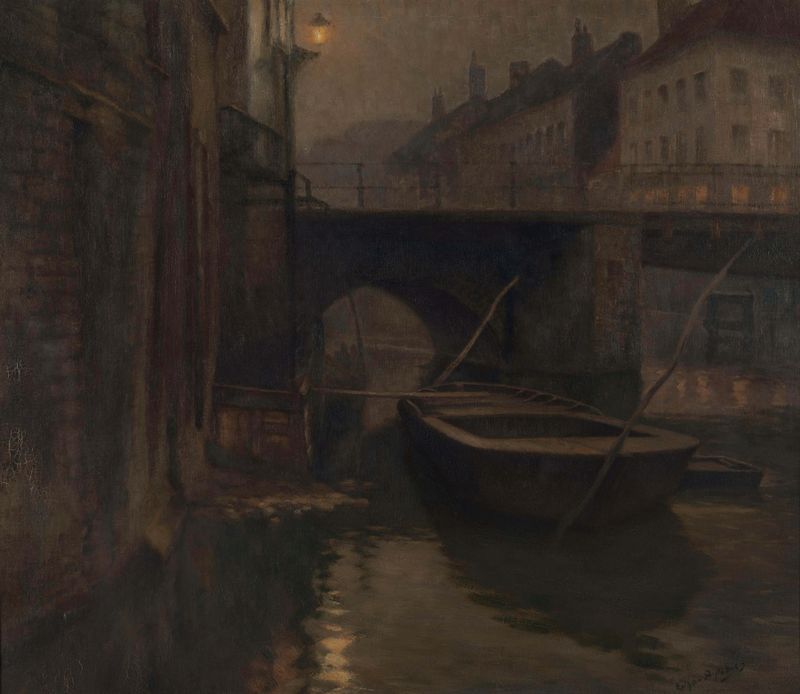
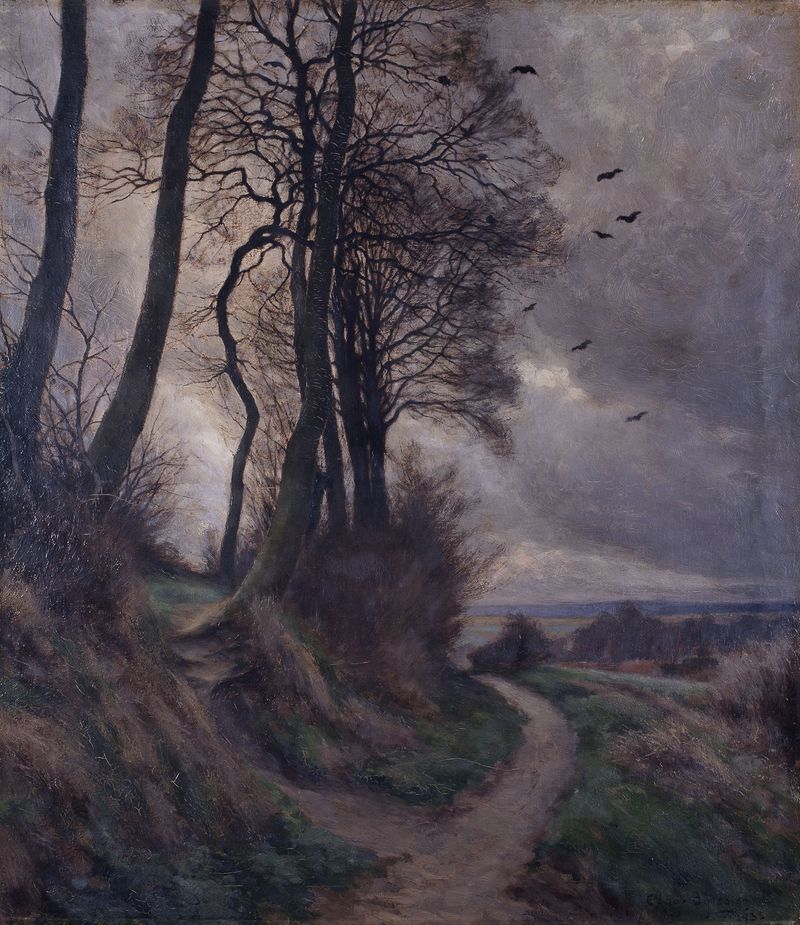
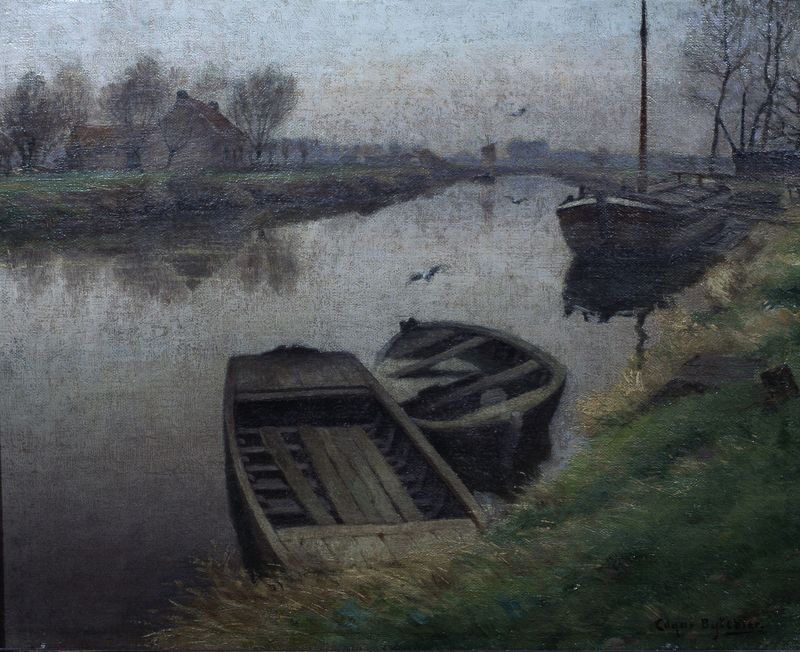
Could beauty survive in a century of chaos? In Landscape at Spanuit, the answer is a resounding yes, as color becomes the balm for a troubled soul. Focus on the vivid hues that dominate the canvas. Look at the sky, where swirling blues and soft yellows collide in a dance of light, evoking a sense of tranquility amidst a world that feels anything but. Notice how the verdant greens of the landscape pulse with life, contrasting sharply with the darker undertones that hint at tumult and unrest.
Bytebier’s brushstrokes create a dynamic texture, rendering the scene a vivid tapestry that draws you into its embrace. Delve deeper into the elements of the composition. The jagged outlines of distant hills cradle the serene expanse of the foreground, suggesting a fragile balance between chaos and calm. The interplay of light and shadow reveals not just a landscape but a narrative of resilience.
Each stroke appears to whisper stories of beauty that persists despite the shadows lurking at the edges—a reminder of hope and renewal. During the 20th century, Bytebier painted this exquisite work while navigating the upheavals of both personal and global significance. This period was marked by rapid changes in the art world, transitioning from traditional forms to modern expressions. Bytebier’s vision emerged from the ashes of this turmoil, seeking solace in nature's serene beauty, a testament to his ability to find peace amid chaos.