The River Scheldt at Merelbeke — History & Facts
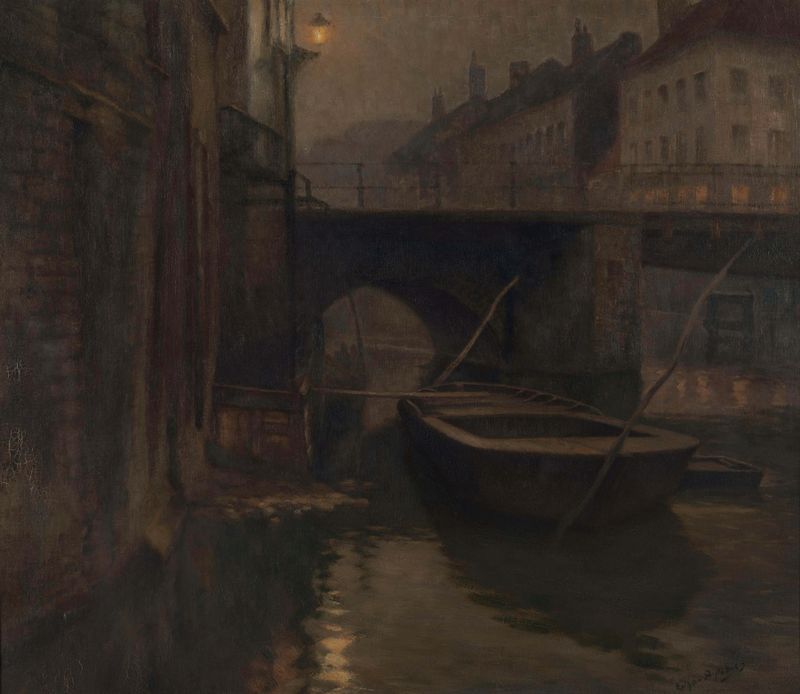
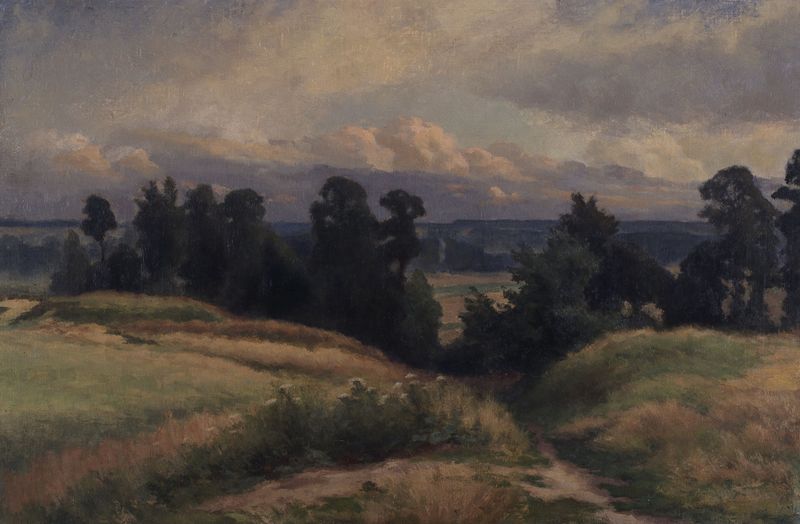
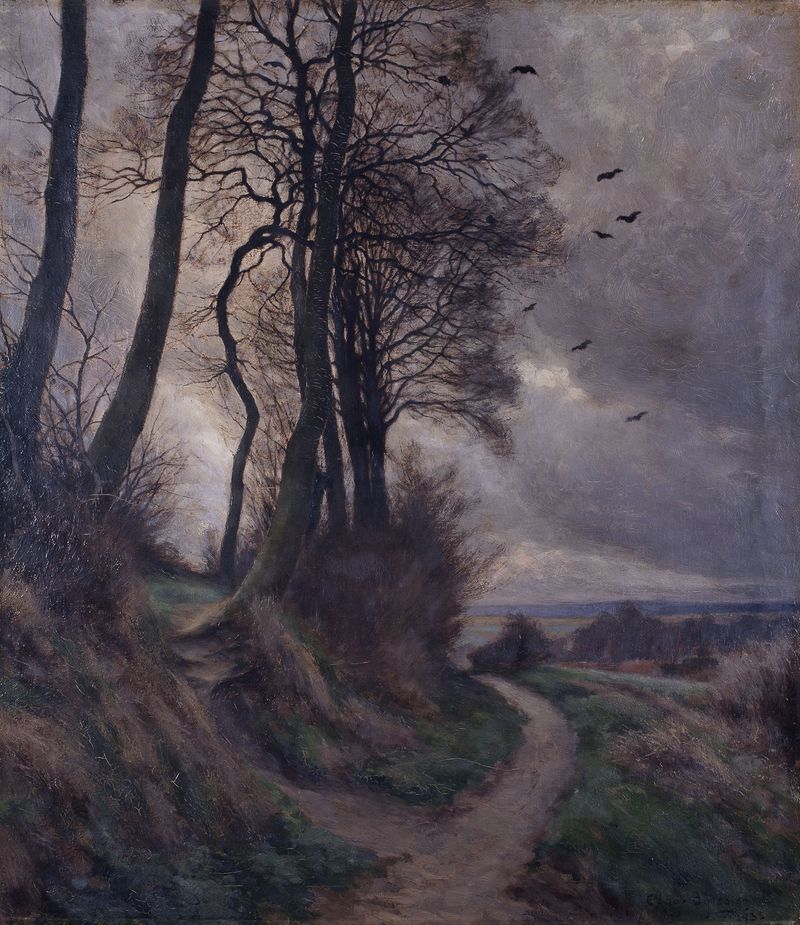
In a world saturated with noise, the quiet whispers of longing often resonate louder than words. Each stroke of paint serves as a reminder of the beauty found in stillness, urging us to seek deeper connections amid the chaos of life. Look to the left at the serene bend of the river, where soft blues and greens converge, reflecting the tranquil sky. The gentle strokes, layered with subtle hues, create a sense of depth, drawing the eye into the landscape.
Notice how the light dances across the water’s surface, illuminating the delicate textures of the riverbank, while the muted tones of the distant trees evoke an atmosphere of wistfulness, inviting contemplation. Hidden within this peaceful scene are echoes of emotional complexity. The serene river symbolizes the passage of time, while the languid flow suggests both comfort and yearning for what may lie beyond the horizon. The juxtaposition of vibrant color against the quiet landscape speaks to the tension between stillness and the restless heart, amplifying the sense of longing that permeates the composition. In the 20th century, the artist captured this moment at a time when the art world was undergoing significant transformation.
Bytebier, influenced by the modernist movements of his day, painted this landscape to express an introspective view of nature, reflecting both personal emotions and broader societal shifts. The River Scheldt at Merelbeke stands as a testament to his exploration of color, light, and the unspoken depths of human experience.