
Landscape at twilight — History & Facts
What if beauty was never meant to be finished? In Landscape at Twilight, the fleeting essence of time is captured in vibrant strokes that echo both the tranquility and transience of dusk. Look just above the horizon, where deep blues and rich purples blend seamlessly, guiding your gaze toward a setting sun that seems to flicker against the sky. Notice how the trees, with their swirling forms, stretch upwards, their dark silhouettes contrasting beautifully against the luminescent backdrop. The thick application of paint adds texture, inviting you to feel the roughness of nature’s canvas while the light playfully dances across the landscape, evoking a sense of calm mingled with impending night. Through this work, van Gogh articulates the emotional weight of twilight, where day surrenders to night.
The juxtaposition of light and shadow mirrors our own experiences of transition—how moments of beauty can be both serene and melancholic. Is the darkness merely the end, or a promise of rebirth? Each stroke speaks to the fleeting nature of time and our perpetual quest to capture it. In 1890, van Gogh created this piece during his final months in Auvers-sur-Oise, France. Struggling with his mental health, he found solace in nature and his art, using this landscape to express emotional depth and the beauty of life's ephemeral moments.
This period marked a profound shift in his work, as he embraced intense colors and dynamic forms, reflecting both his inner turmoil and his unyielding passion for capturing the world around him.
More Artworks by Vincent van Gogh
Browse all →
Starry Night
Vincent van Gogh
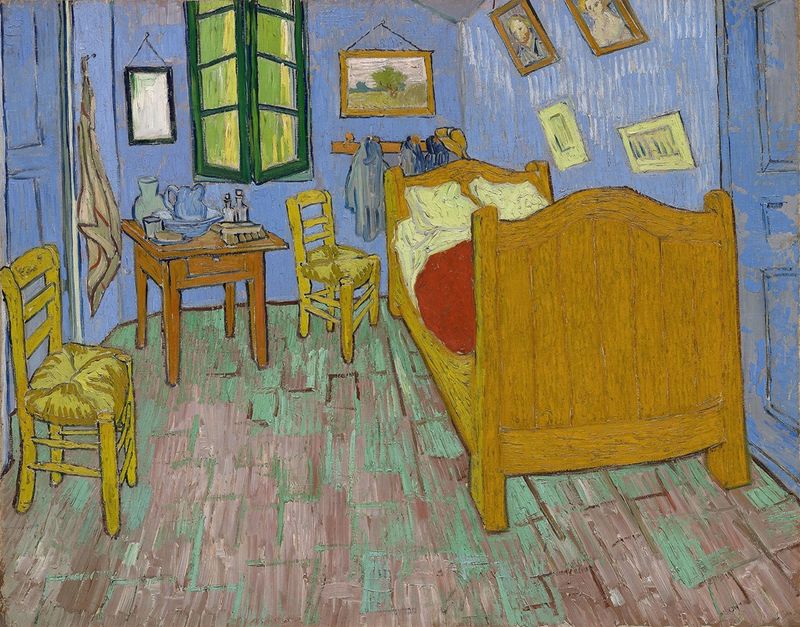
The Bedroom
Vincent van Gogh
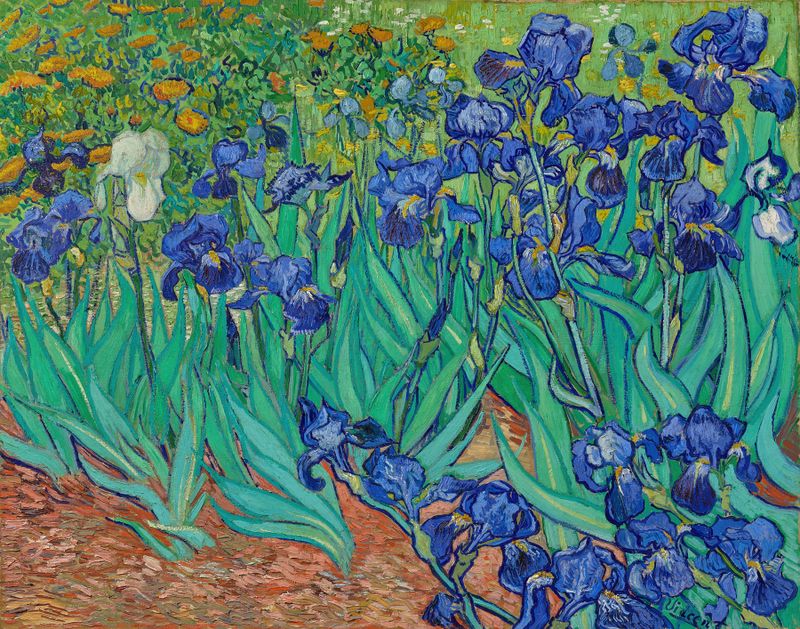
Irises
Vincent van Gogh
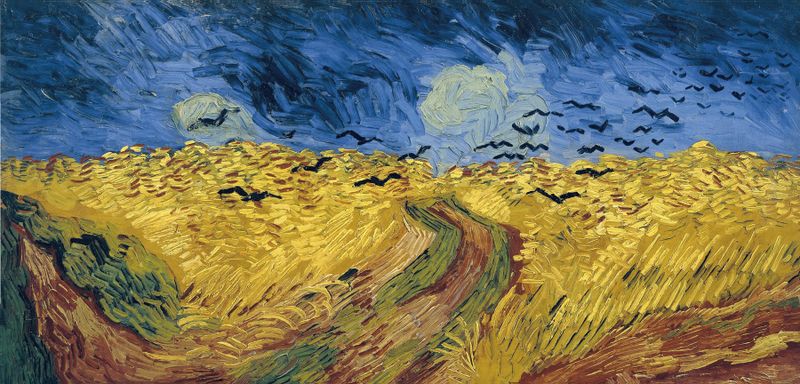
Wheatfield with Crows
Vincent van Gogh
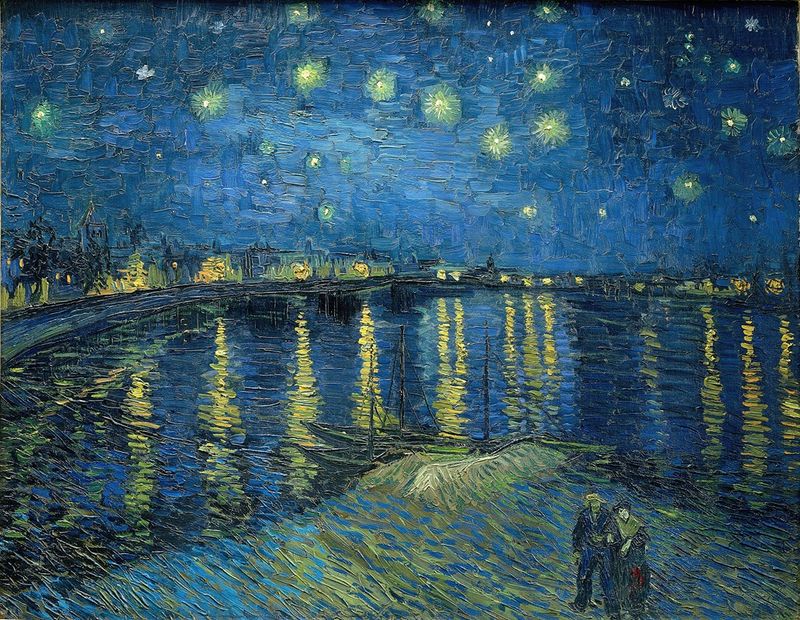
Starry Night over the Rhone
Vincent van Gogh

The yellow house
Vincent van Gogh
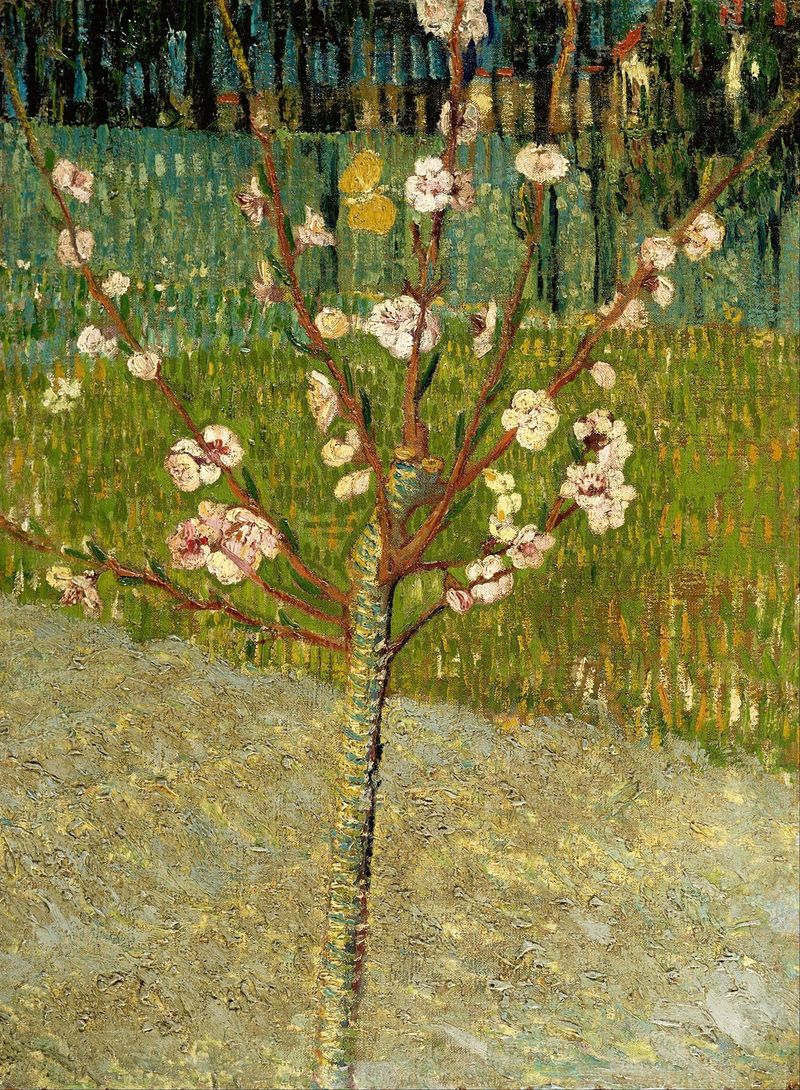
Almond tree in blossom
Vincent van Gogh

Portrait of Dr Gachet
Vincent van Gogh

The Church in Auvers-sur-Oise, View from the Chevet
Vincent van Gogh

Self-Portrait
Vincent van Gogh





