
Landscape at Vétheuil — History & Facts
In the serene embrace of nature, the vastness of a landscape can both soothe and suffocate, revealing the profound void that often lies within. Look to the center of the canvas, where the river gently meanders, reflecting the soft hues of the sky. Notice how the brushstrokes create a delicate interplay of light and shadow, enveloping each element in a warm glow. The lush greenery on either bank sways subtly, inviting your gaze to linger while the trees stand like sentinels, their forms soft and inviting yet distant, echoing a sense of solitude. The emotional tension in this piece lies in the contrast between the vibrant colors of the landscape and the underlying sense of emptiness it conveys.
The rhythmic flow of the river suggests life, yet the stillness of the scene evokes a haunting quietude, hinting at the void that exists in the spaces between nature's abundance. The artist captures a fleeting moment, where beauty coexists with an unspoken longing, revealing layers of experience that resonate deeply. Created around 1890, this work emerged during a transformative period for the artist, marked by a shift in his focus from bustling portraits to tranquil landscapes. Living in Vétheuil, Renoir sought to capture the essence of the French countryside, influenced by the Impressionist movement that celebrated light and color.
This exploration was concurrent with a broader cultural turn towards nature, embodying both a personal and artistic quest for connection in an increasingly modern world.
More Artworks by Pierre-Auguste Renoir
Browse all →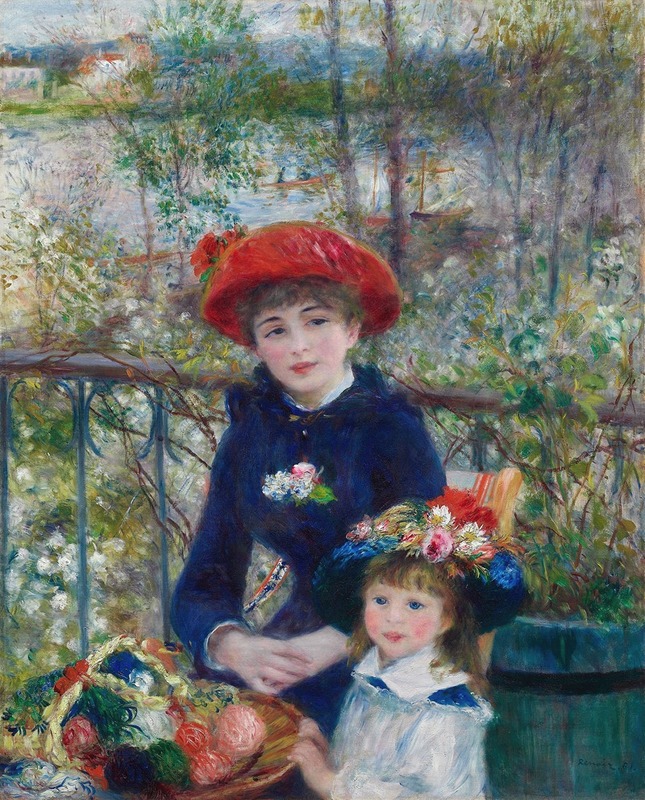
Two Sisters (On the Terrace)
Pierre-Auguste Renoir
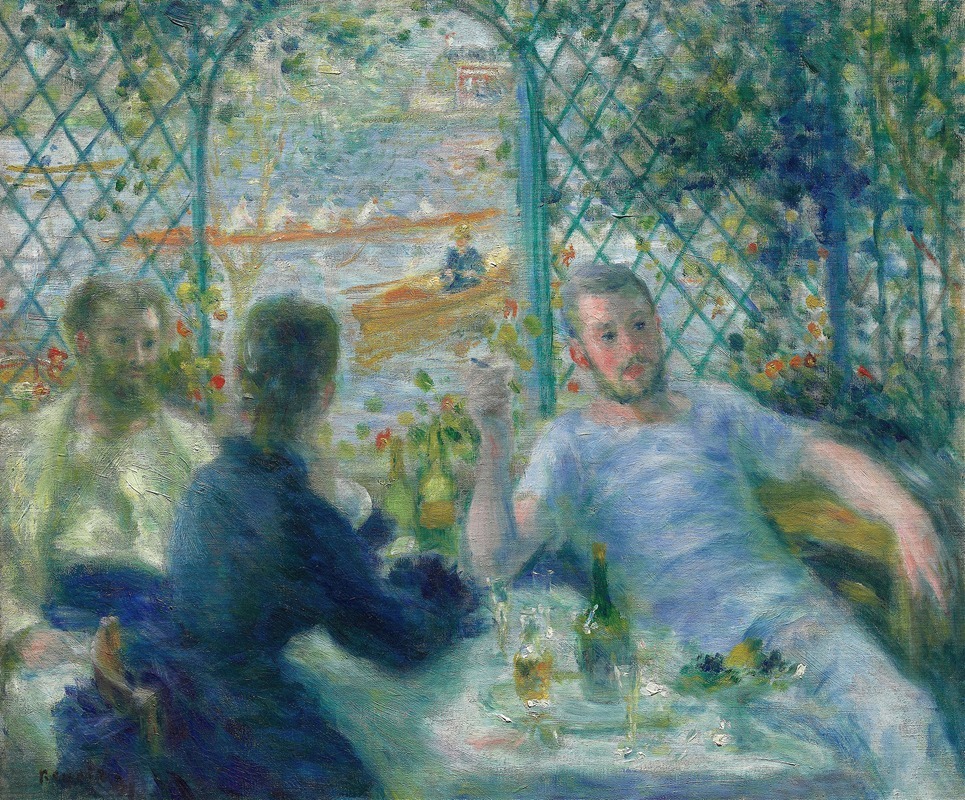
Lunch at the Restaurant Fournaise (The Rowers' Lunch)
Pierre-Auguste Renoir
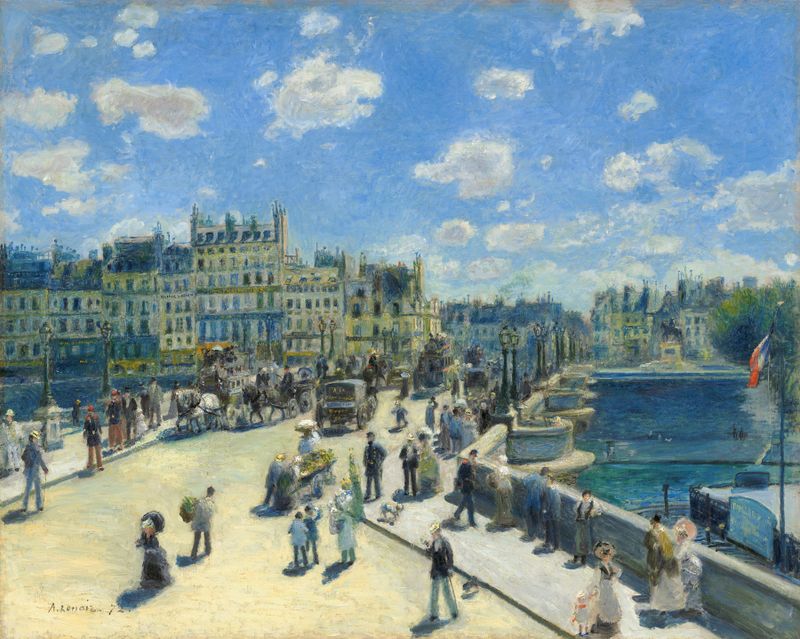
Pont Neuf, Paris
Pierre-Auguste Renoir
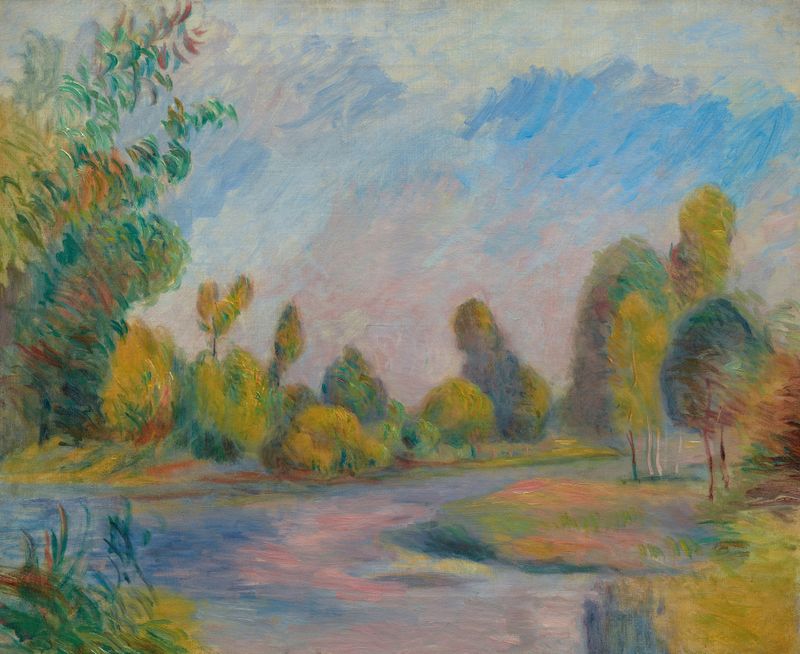
Au bord de la rivière
Pierre-Auguste Renoir

Near the Lake
Pierre-Auguste Renoir
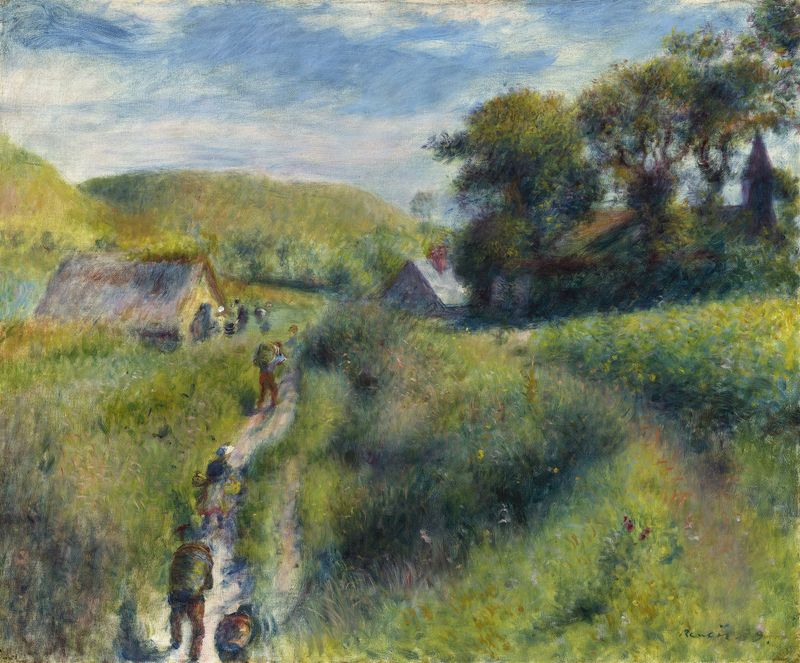
The Mussel Harvest
Pierre-Auguste Renoir

The Seine at Chatou
Pierre-Auguste Renoir
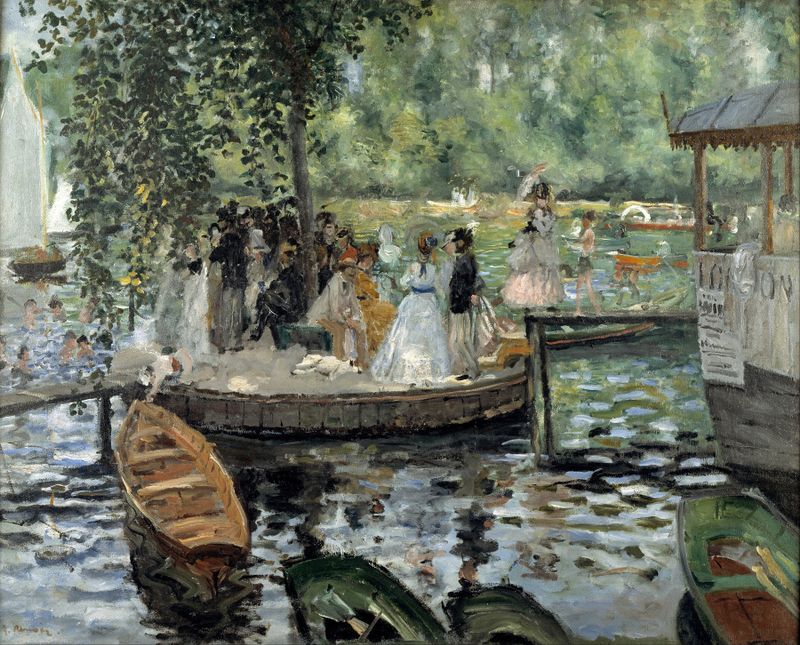
La Grenouillère
Pierre-Auguste Renoir
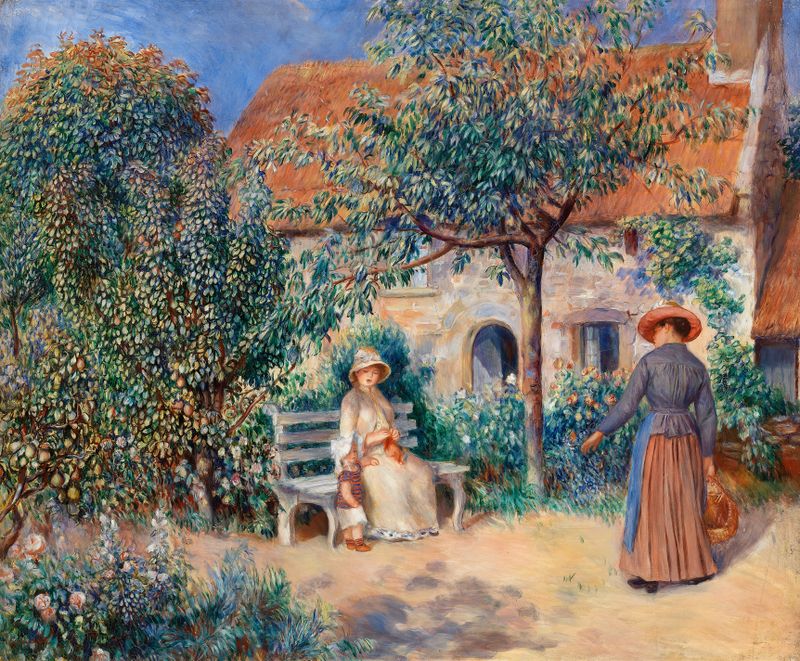
In Brittany (En Bretagne)
Pierre-Auguste Renoir
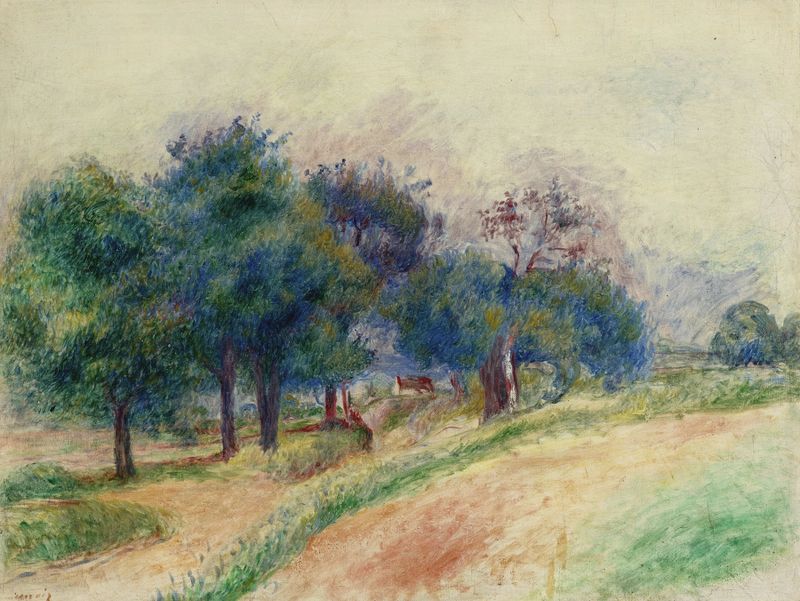
Paysage d’Essoyes
Pierre-Auguste Renoir





