
Landscape in the Adirondacks — History & Facts
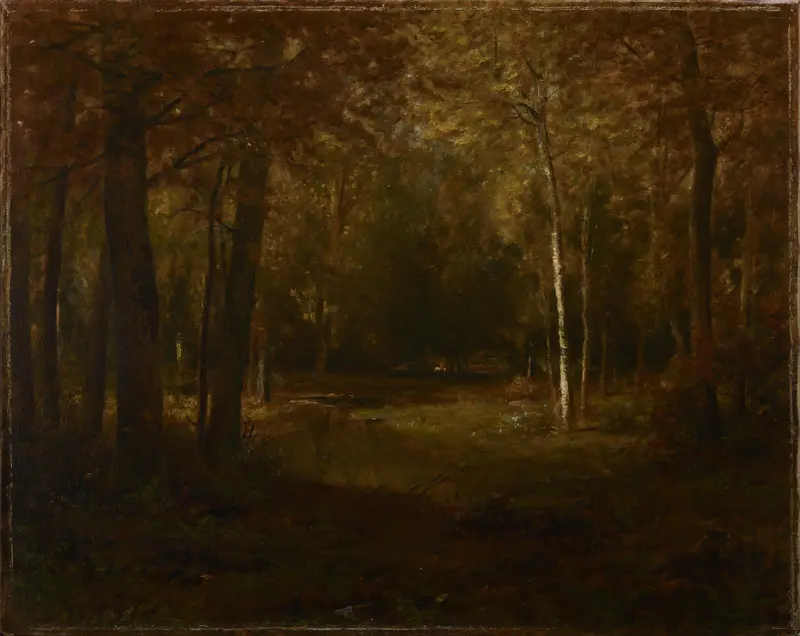
A hush settles over the scene, as if the land itself is pausing to breathe. In Landscape in the Adirondacks, Alexander Helwig Wyant draws the eye first to the dense, shadowy trees that anchor the foreground, their forms rendered in deep, velvety tones. The viewer is invited to linger in this quiet threshold, before the gaze is gently led outward—across a reflective patch of water, through a web of softer brushwork, and into the pale, misted distance.
The sky dominates, its expanse suggesting both promise and uncertainty, while the low horizon cedes center stage to the shifting play of light and atmosphere. There is a sense that the land is both familiar and unknowable, its details dissolving as they recede. Works like this, created between 1885 and 1886, belong to a moment when American landscape painting was evolving from the grand, heroic vistas of the Hudson River School to something more intimate and searching. Artists such as Wyant—inspired by both European tonalism and the changing American wilderness—sought to capture not just the spectacle of nature, but its moods and mysteries.
Paintings of this kind were often collected by urban patrons longing for a trace of wildness in their drawing rooms, or by those who saw in the Adirondacks a symbol of national renewal. Today, thanks to the Metropolitan Museum of Art’s open access initiative, this quietly powerful work invites a new generation to lose themselves in its layered silence. Let your eye wander back into the haze, and see what stories emerge from the half-lit woods.
More Artworks by Alexander Helwig Wyant

Autumn Landscape and Pool
Alexander Helwig Wyant
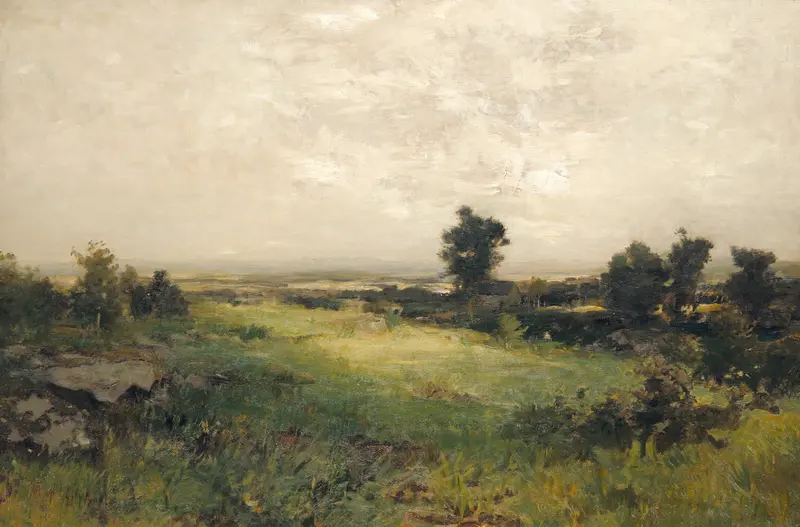
Housatonic Valley
Alexander Helwig Wyant
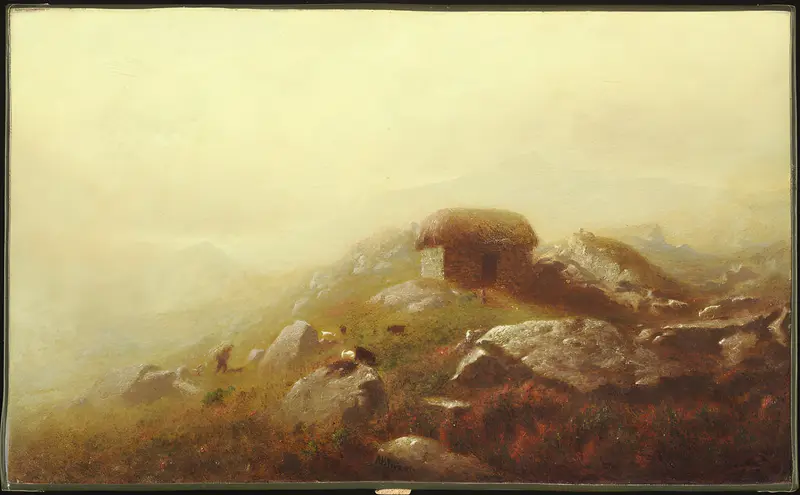
Misty Morning Near the Lakes of Killarney
Alexander Helwig Wyant
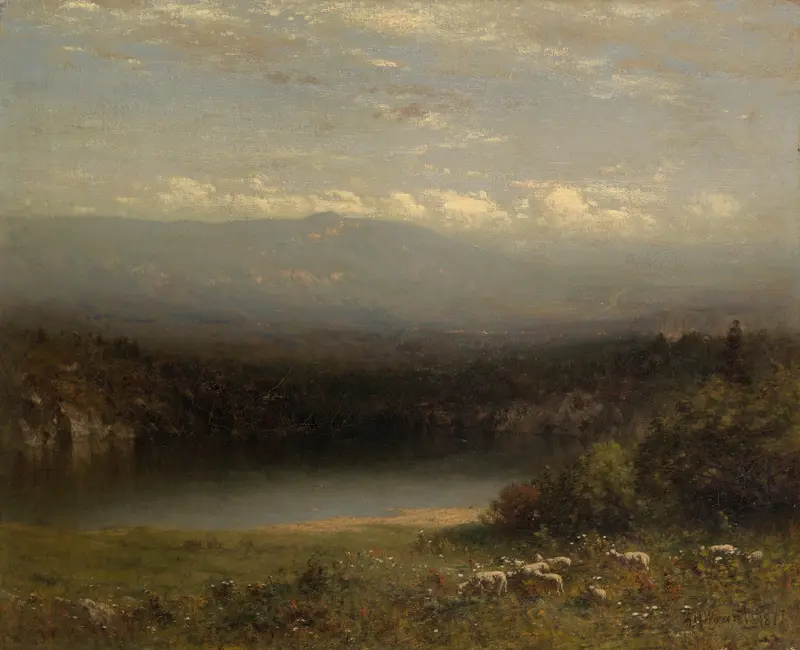
Mountain Lake
Alexander Helwig Wyant
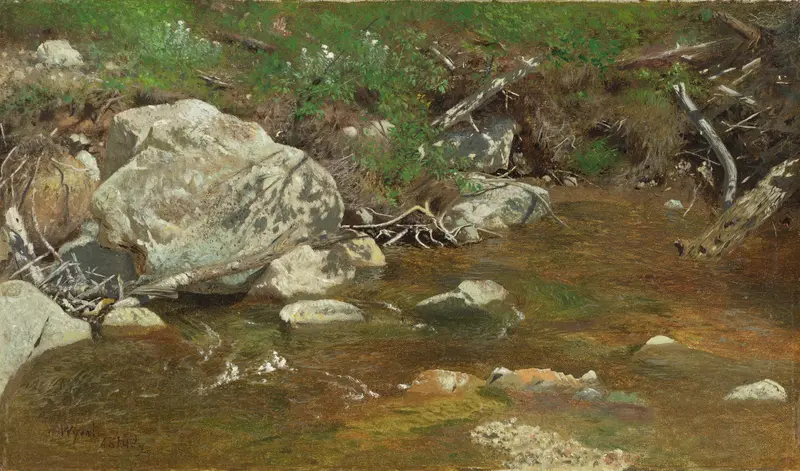
Mountain Brook; A Study
Alexander Helwig Wyant
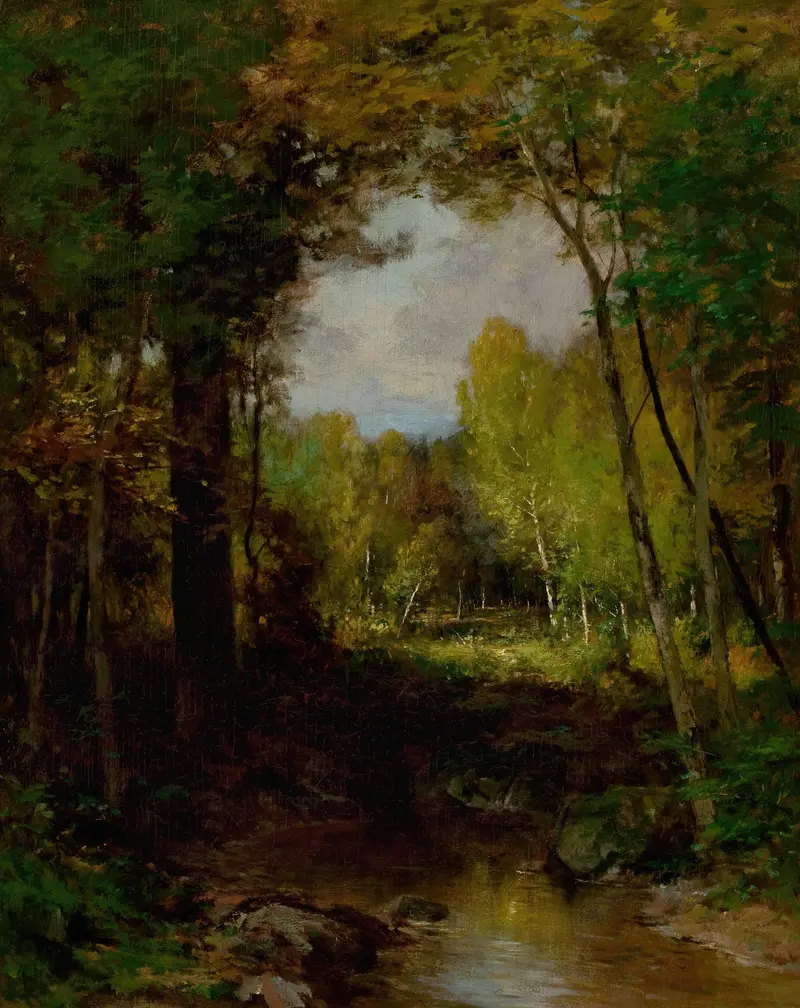
Keene, Adirondacks
Alexander Helwig Wyant
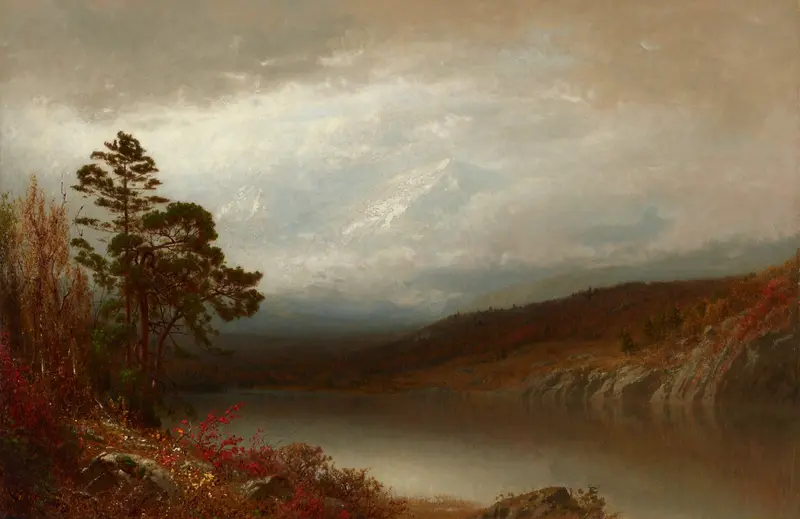
Autumn in the Adirondacks
Alexander Helwig Wyant
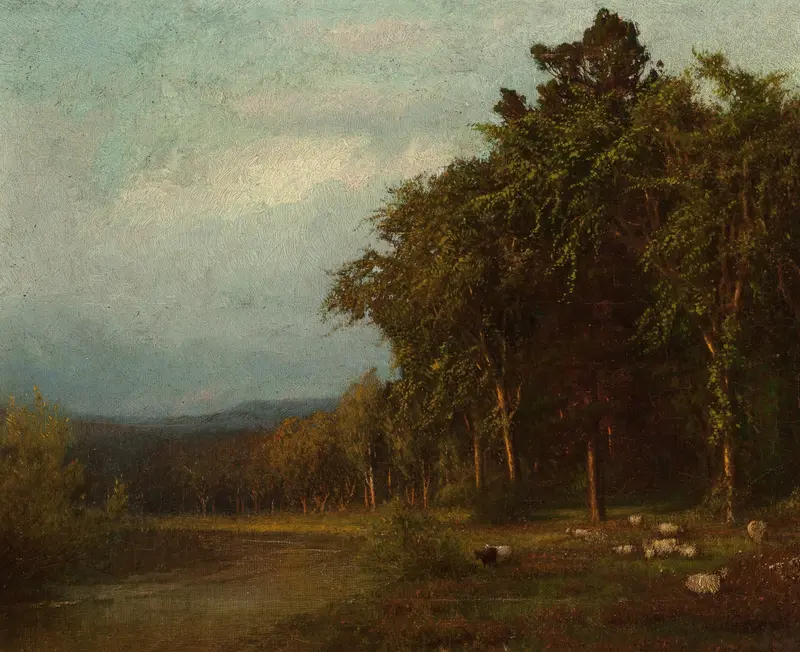
Cattle Grazing, Late Afternoon
Alexander Helwig Wyant
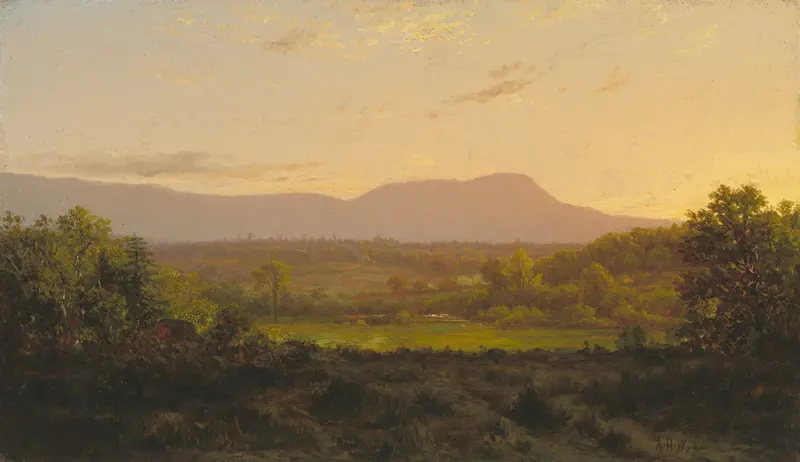
Peaceful Valley
Alexander Helwig Wyant
Glade in Autumn
Alexander Helwig Wyant
More Landscape Art

The Starry Night
Vincent van Gogh

View of Delft
Johannes Vermeer

Water Lilies
Claude Monet

The Grand Canal, Venice, looking north-west from the Ca' Corner to the Ca' Contarini degli Scrigni, with the campanile of Santa Maria della Carità
Canaletto

Windsor Castle
Canaletto

The Grand Canal looking North-East from the Palazzo Dolfin-Manin to the Rialto Bridge
Canaletto