
Landscape (Paysage) — History & Facts
In the quiet moments of introspection, landscapes become not merely a view but portals to emotion. They capture the essence of existence and the complexities that lie beneath the surface. Look to the center of Landscape (Paysage), where a verdant patch of rolling hills unfolds under a bright azure sky. The brushstrokes pulse with vitality, dancing across the canvas, as soft greens and golds blend together in an embrace of nature’s warmth.
Notice how the light falls upon the treetops, casting gentle shadows that suggest depth and movement—a whisper of wind rustling through the leaves, inviting you to step closer. Yet, within this idyllic scene, there lies a tension—a subtle betrayal of peace. The wildflowers, vibrant and alive, clash with the somber undertones of the brown earth, hinting at the fragility of beauty. The incongruity between the lush landscape and the muted colors of the foreground speaks of not just harmony but an underlying conflict that resonates with the viewer.
Here, nature reflects our own struggles, revealing layers of emotional complexity beneath a tranquil facade. In the summer of 1911, Renoir was residing in Cagnes-sur-Mer, a place where he sought solace amidst his declining health. At this time in his career, he had embraced a more direct approach to color and light, moving away from the Impressionist style that had defined his early work. The art world was evolving, and as he faced personal challenges, his landscapes took on new dimensions, communicating not just serenity but also the poignant fragility of life itself.
More Artworks by Pierre-Auguste Renoir
Browse all →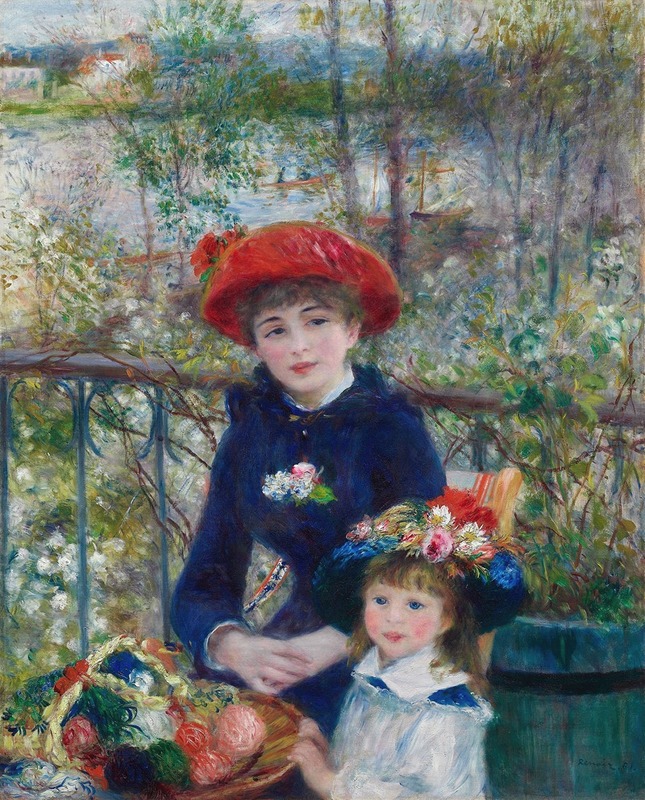
Two Sisters (On the Terrace)
Pierre-Auguste Renoir
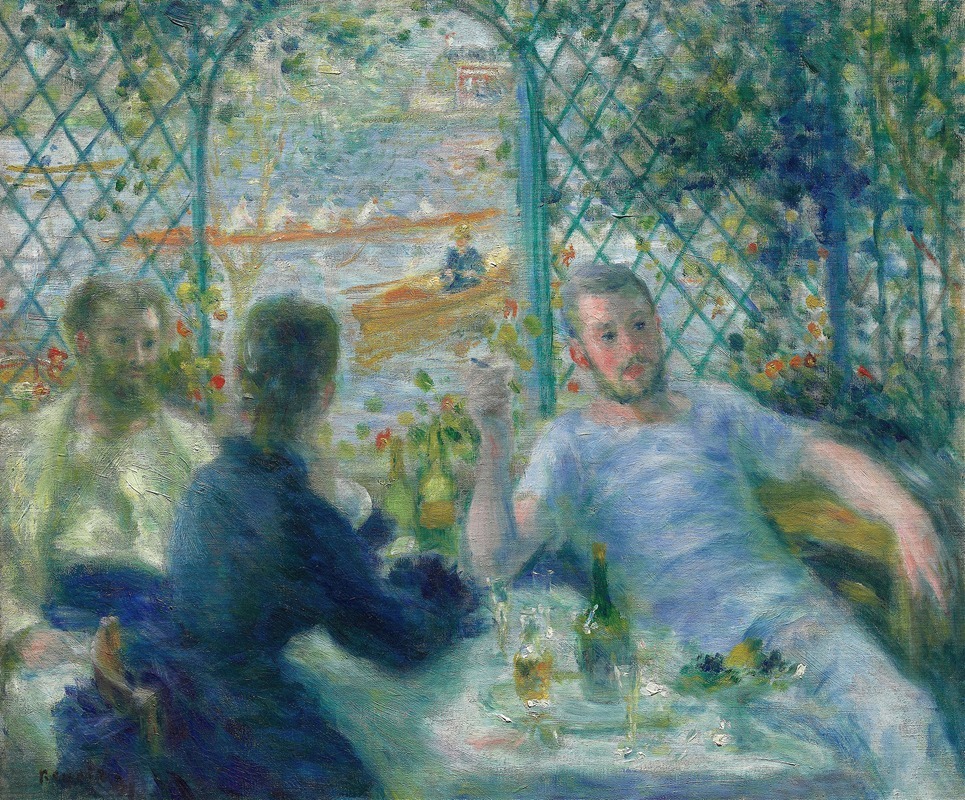
Lunch at the Restaurant Fournaise (The Rowers' Lunch)
Pierre-Auguste Renoir
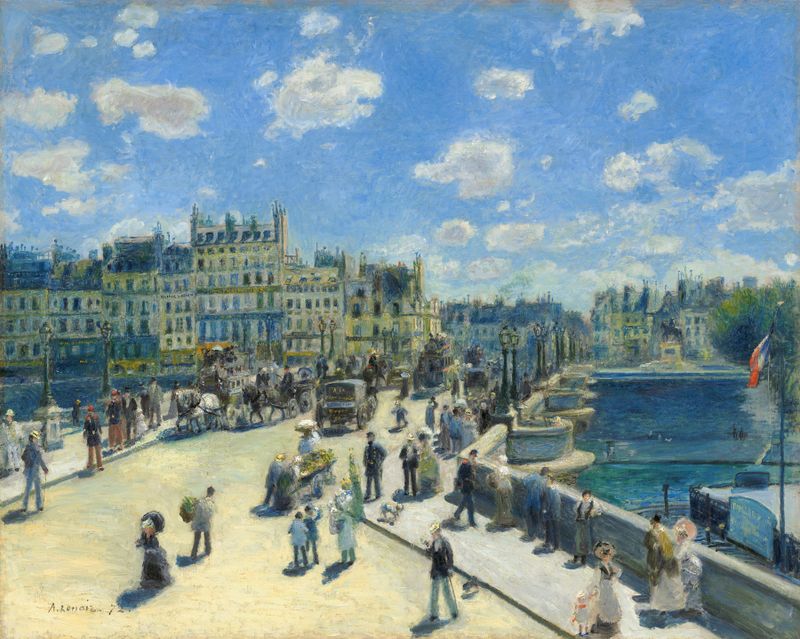
Pont Neuf, Paris
Pierre-Auguste Renoir
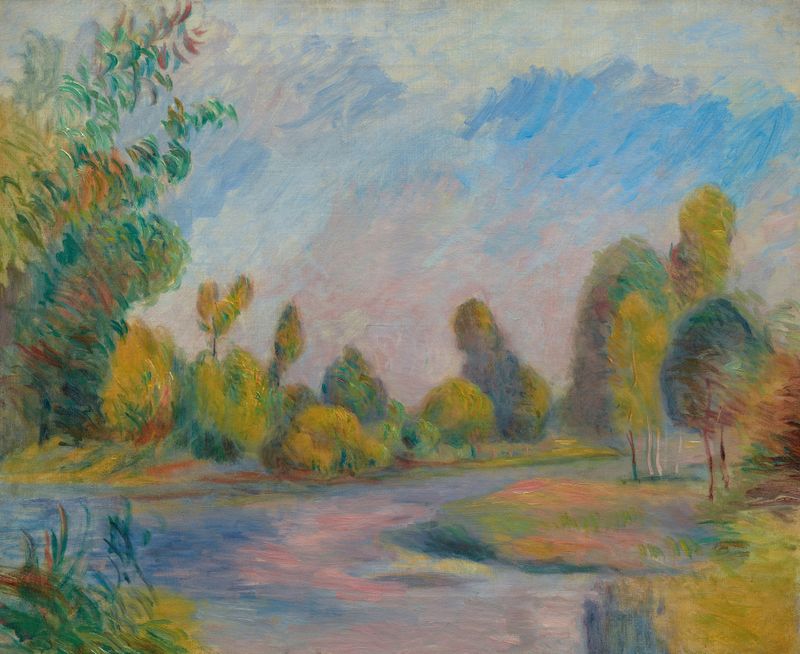
Au bord de la rivière
Pierre-Auguste Renoir

Near the Lake
Pierre-Auguste Renoir
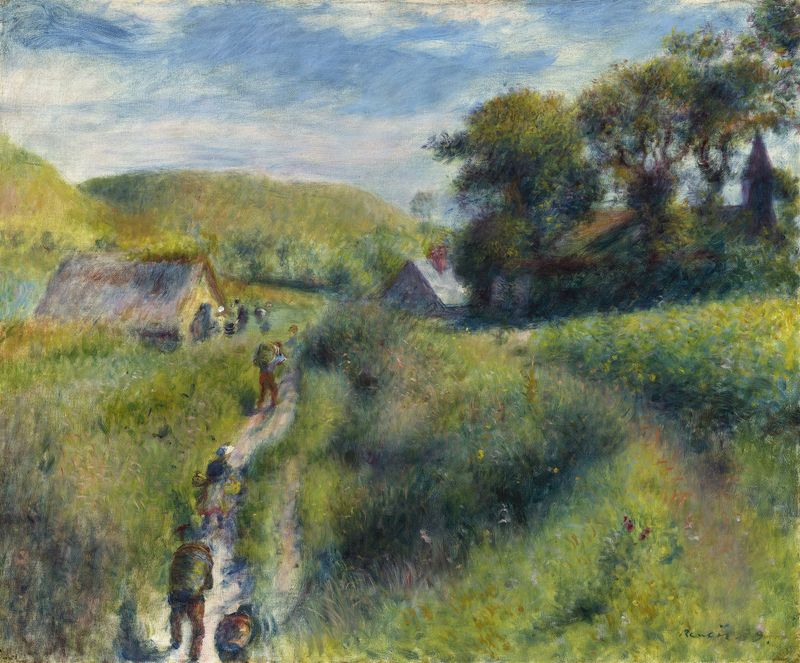
The Mussel Harvest
Pierre-Auguste Renoir

The Seine at Chatou
Pierre-Auguste Renoir
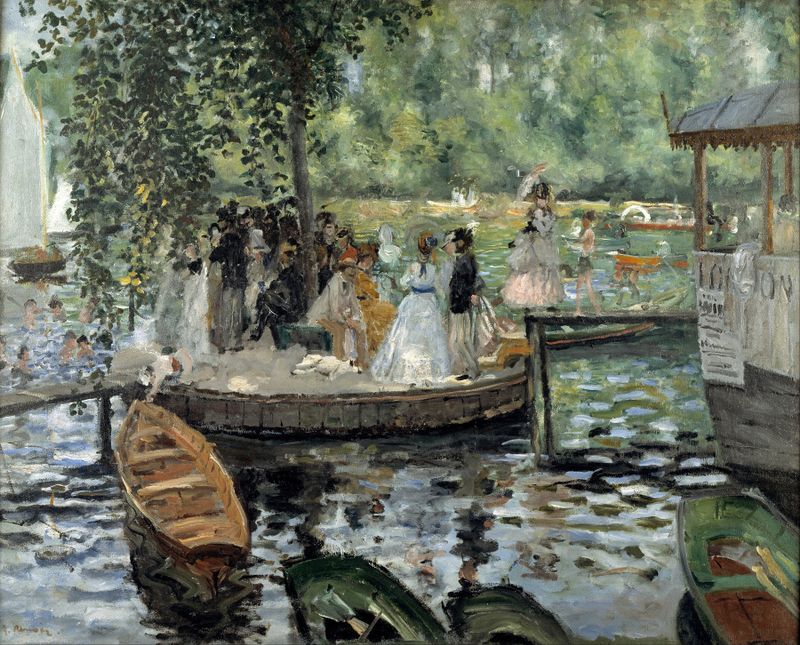
La Grenouillère
Pierre-Auguste Renoir
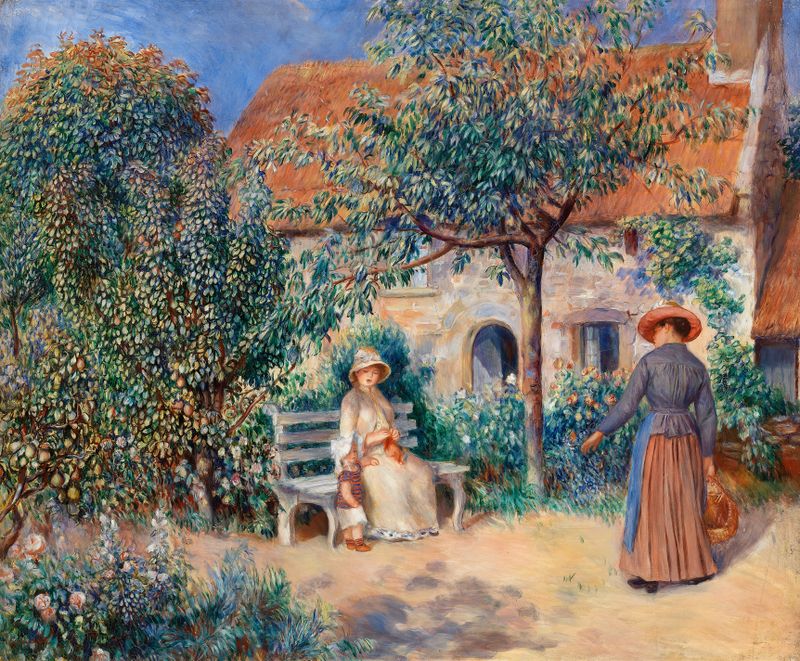
In Brittany (En Bretagne)
Pierre-Auguste Renoir
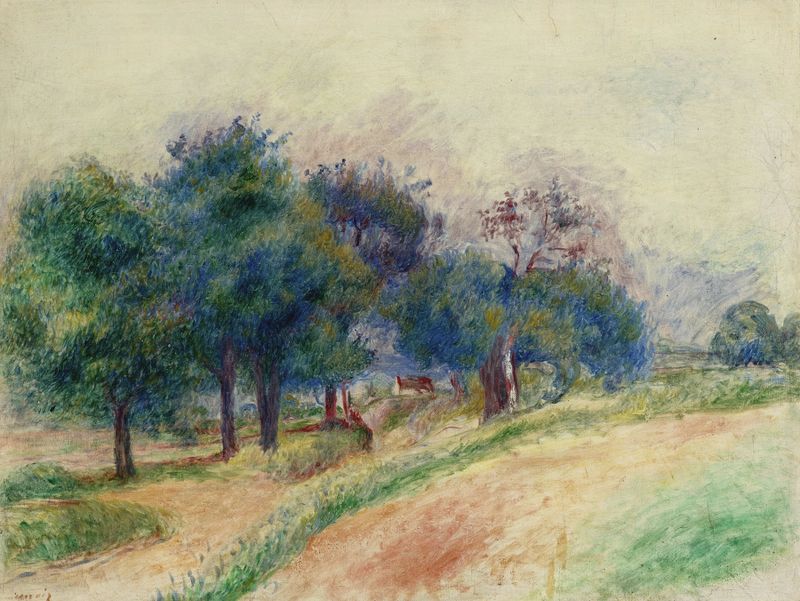
Paysage d’Essoyes
Pierre-Auguste Renoir





