
Landscape (Paysage) — History & Facts
When did color learn to lie? In the hands of a master, hues become more than mere representation; they transform into emotions that resonate deeply within the viewer’s soul. Focus first on the vibrant palette that bursts forth from the canvas, where rich greens and warm earth tones mingle under a soft, diffused light. The composition invites the eye to wander across the rolling hills and meandering pathways, each stroke blending seamlessly into the next. Notice how the dappled sunlight dances through the leaves, illuminating the scene and creating a sense of tranquil intimacy.
This delicate interplay of color and light conveys a serene yet dynamic landscape, a fleeting moment captured with great sensitivity. The painting is layered with emotional depth, reflecting a tension between the beauty of nature and the passage of time. The juxtaposition of light and shadow evokes a sense of nostalgia, inviting the viewer to ponder the transformations that take place within both the landscape and themselves. There is an underlying sense of fragility, as if the scene exists on the precipice of change, urging us to appreciate its ephemeral beauty before it fades away. Created in 1915, this work reflects Renoir’s later style, characterized by a more muted yet expressive use of color.
At this time, he had retreated from the bustling art scene of Paris to the countryside, seeking solace and inspiration amidst nature. His health was waning, but his passion for capturing the essence of life remained steadfast, resulting in works that evoke both the tranquility of rural landscapes and the profound emotional shifts within himself and the world around him.
More Artworks by Pierre-Auguste Renoir
Browse all →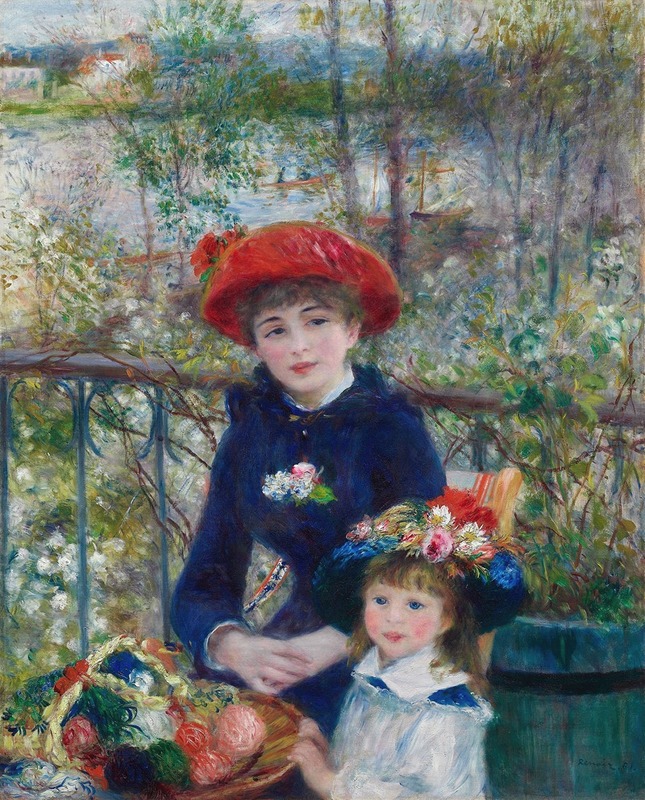
Two Sisters (On the Terrace)
Pierre-Auguste Renoir
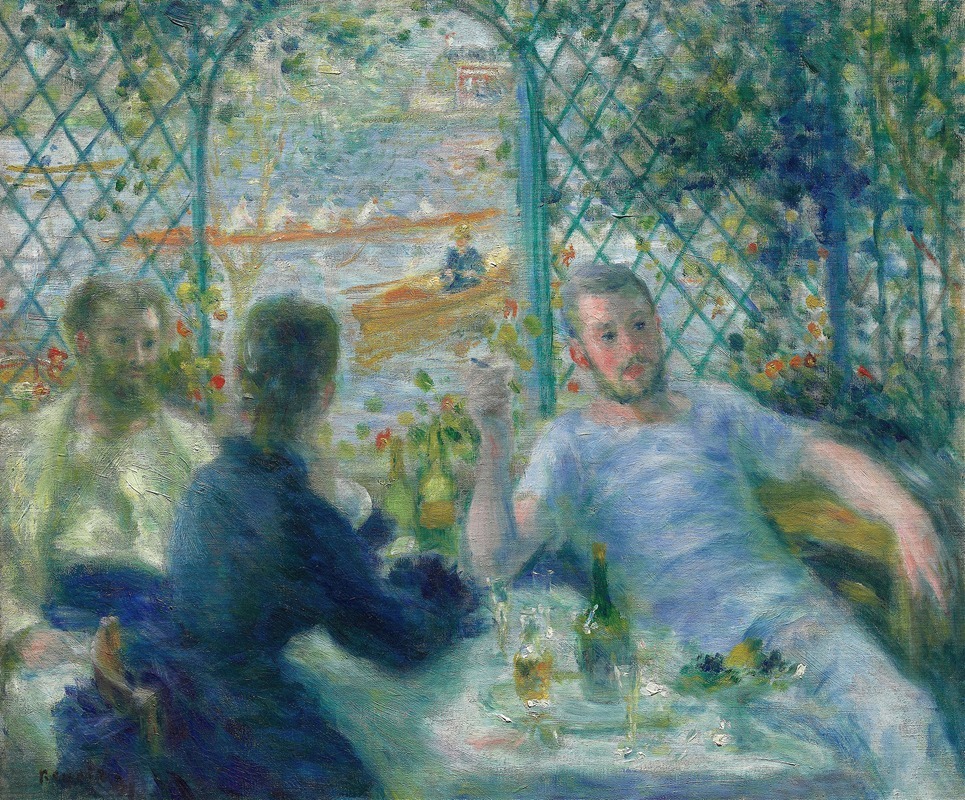
Lunch at the Restaurant Fournaise (The Rowers' Lunch)
Pierre-Auguste Renoir
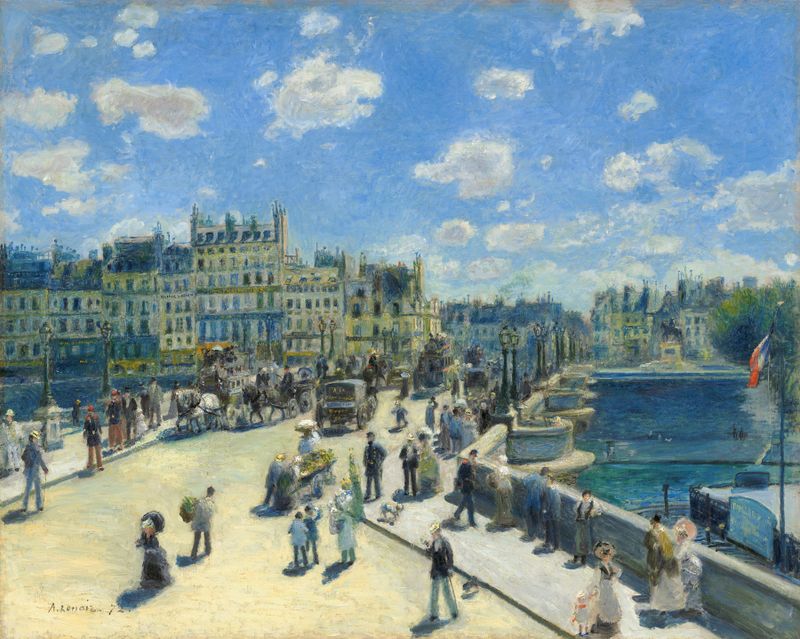
Pont Neuf, Paris
Pierre-Auguste Renoir
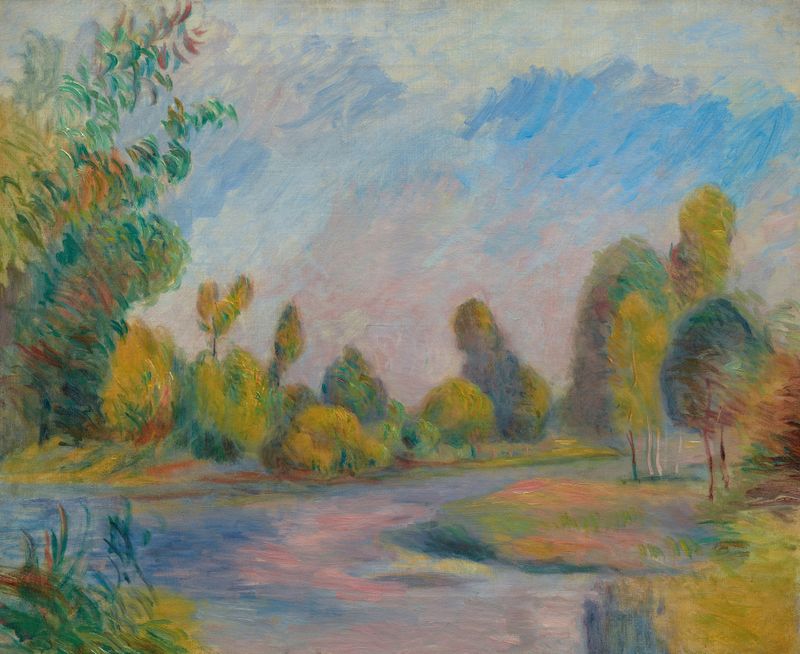
Au bord de la rivière
Pierre-Auguste Renoir

Near the Lake
Pierre-Auguste Renoir
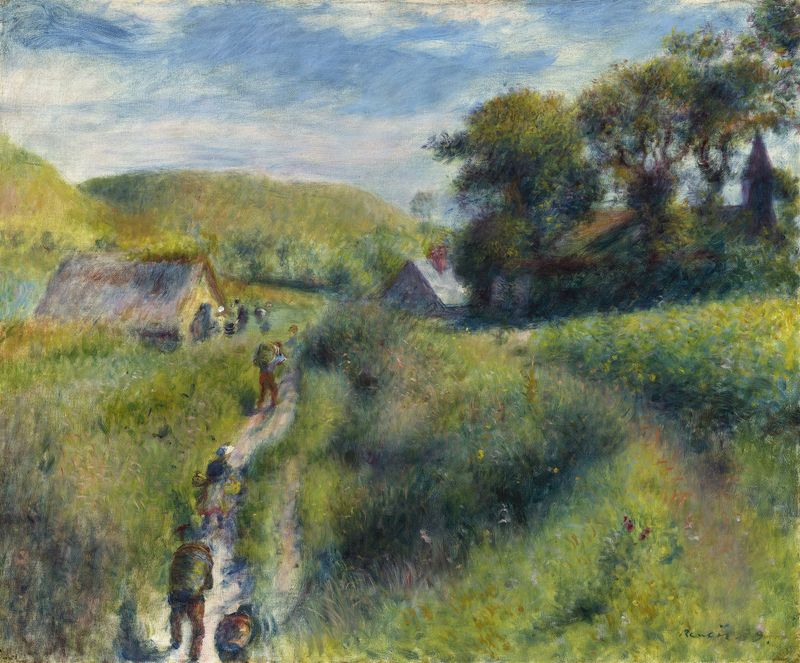
The Mussel Harvest
Pierre-Auguste Renoir

The Seine at Chatou
Pierre-Auguste Renoir
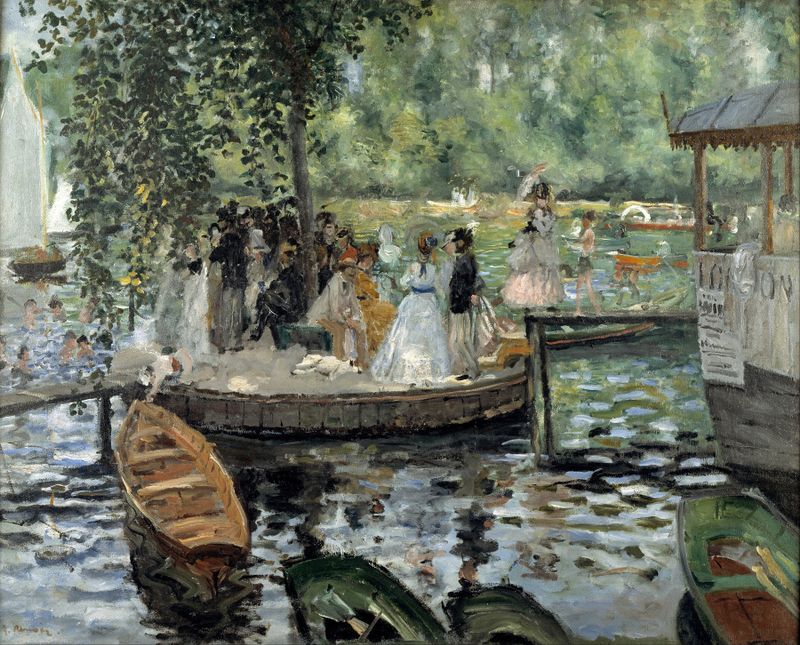
La Grenouillère
Pierre-Auguste Renoir
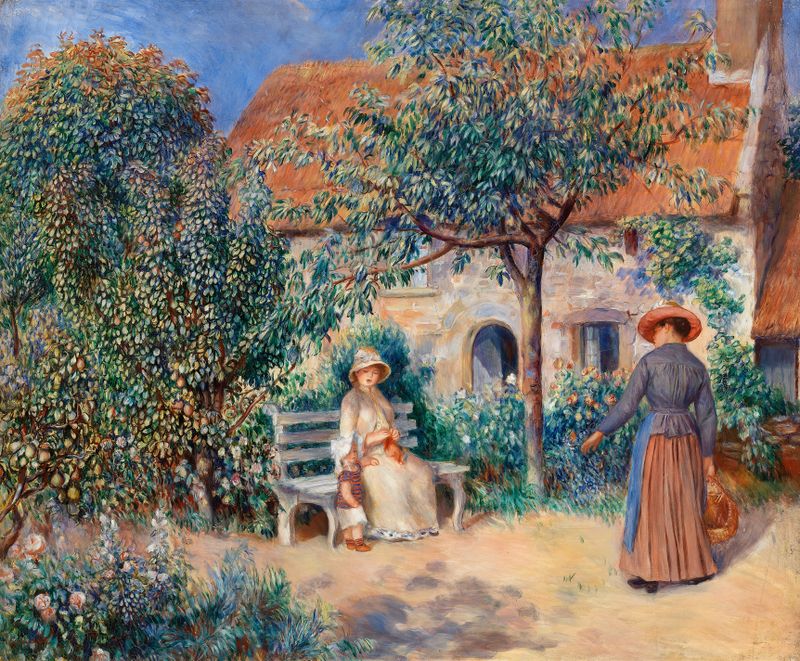
In Brittany (En Bretagne)
Pierre-Auguste Renoir
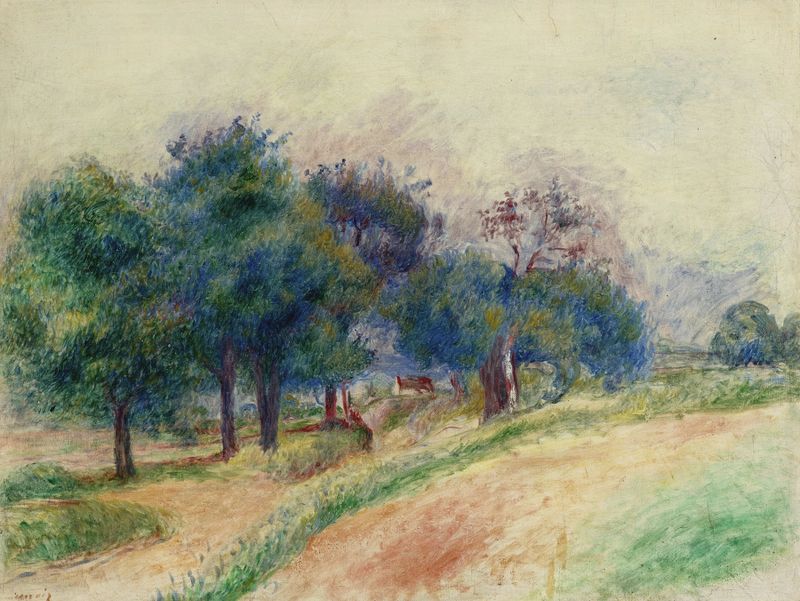
Paysage d’Essoyes
Pierre-Auguste Renoir





