
Landscape with castle ruins — History & Facts
What first catches the eye in Landscape with castle ruins is not the ancient stones themselves, but the way the last light of day burns through the empty windows, turning the crumbling walls into a silhouette against a restless sky. The ruins, half-swallowed by wild greenery, stand as a memory of vanished grandeur, their broken arches framing a sunset that seems almost defiant. Böcklin’s brush sets the earth in deep, bruised reds and greens, while the sky churns with blue-black clouds, hinting at a storm or perhaps just the thickening dusk.
The castle’s hollow shell becomes a stage for nature’s drama: the golden light trapped within its frame, the shadows that gather at its feet, the sense of something both ending and enduring. Every detail—the overgrown arch, the tangle of foliage, the stark geometry of the ruin—invites the viewer to imagine what stories these stones once held. Painted in 1847, this early work by Arnold Böcklin belongs to a moment when landscape painting was charged with new emotion and meaning across Europe. Artists of the mid-nineteenth century, caught between Romantic longing and the first stirrings of modern uncertainty, often turned to ruins as symbols of time’s passage and the persistence of memory.
While little is recorded about this specific painting’s journey, it now resides in the collection of the Staatliche Museen zu Berlin, a fitting home for an image so steeped in the layered histories of place. In an era when viewers sought both escape and reflection in art, Böcklin’s ruin offers both—a window into the past, and a mirror for the imagination. The longer you look, the more the silence of the scene seems to fill with questions.
More Artworks by Arnold Böcklin

Die Toteninsel III
Arnold Böcklin
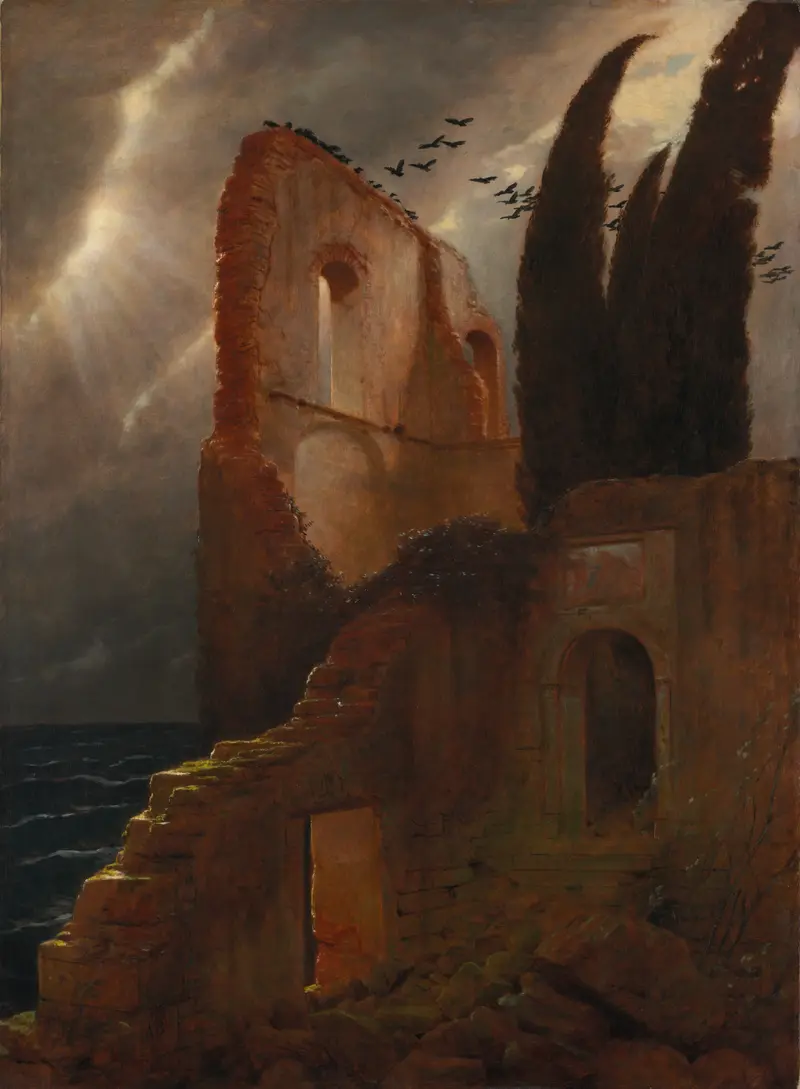
Ruin by the Sea
Arnold Böcklin
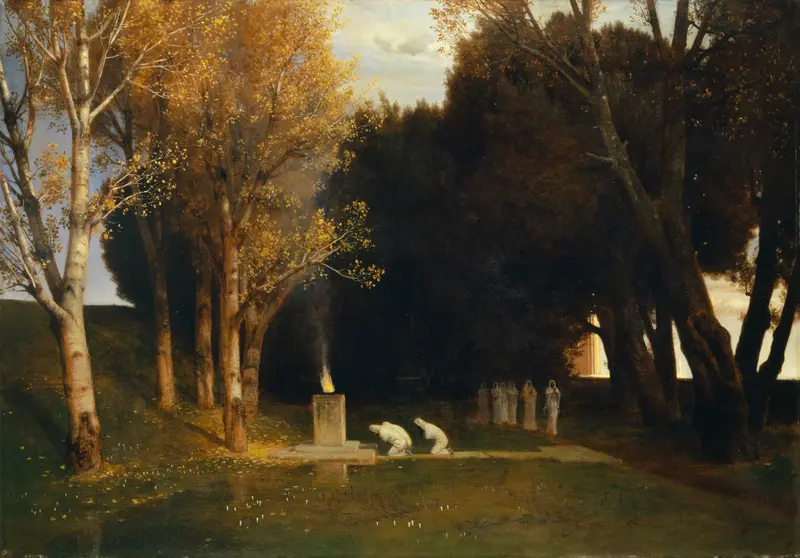
The Sacred Grove
Arnold Böcklin
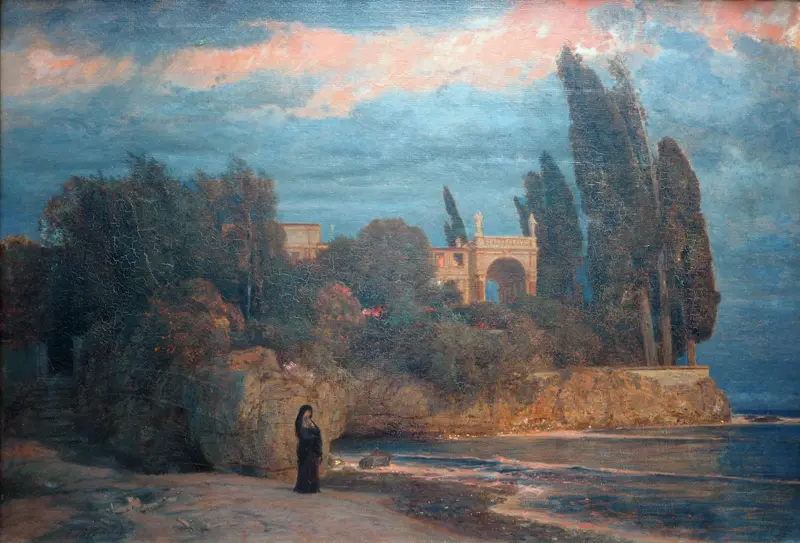
Villa by the Sea
Arnold Böcklin
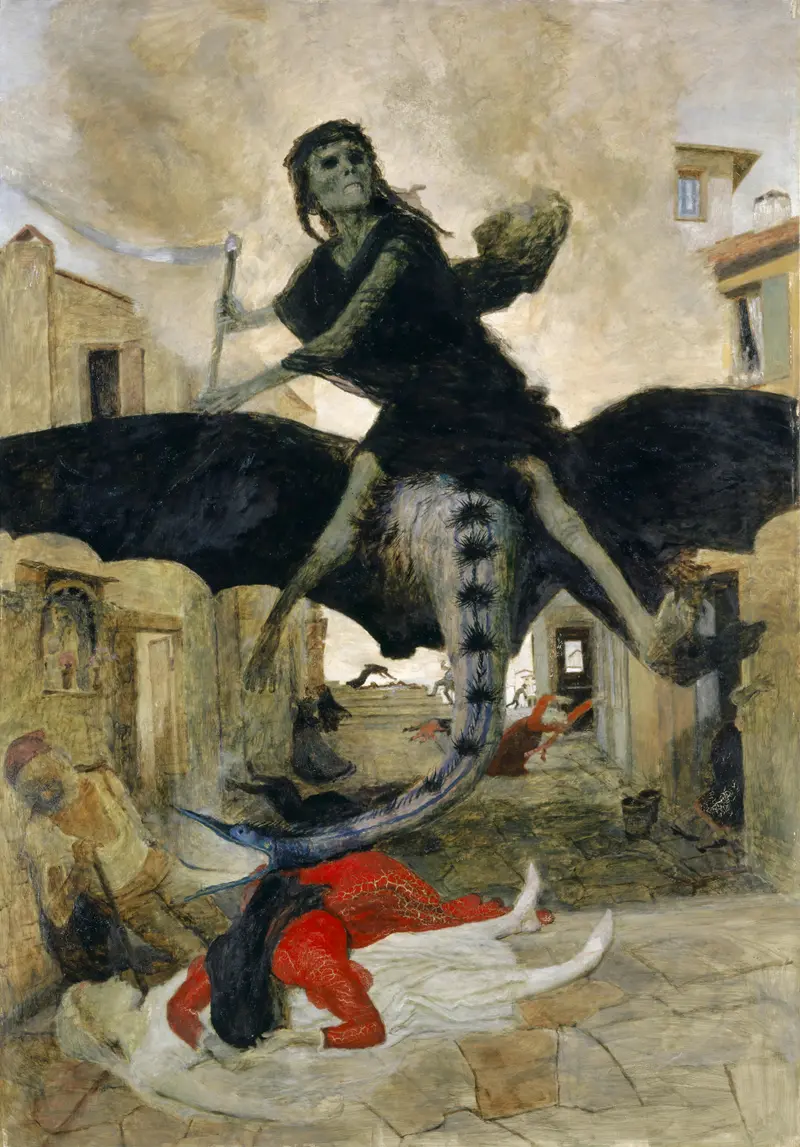
The Plague
Arnold Böcklin
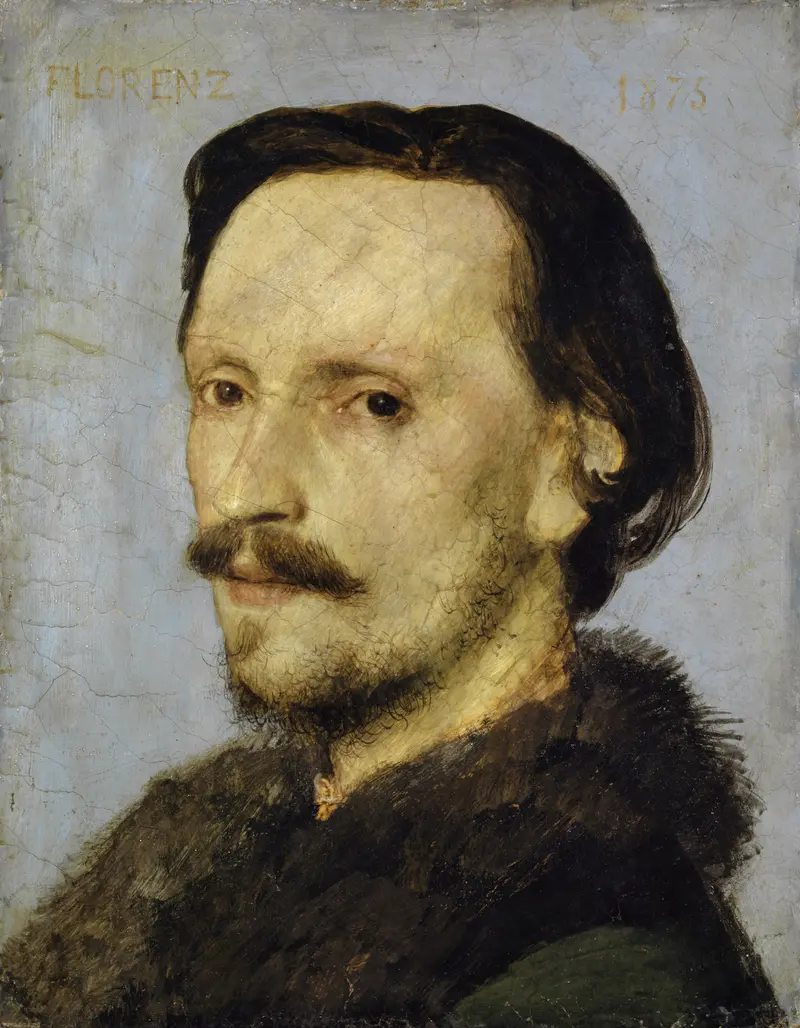
Böcklin Bildnis des Kunsthistorikers Adolph Bayersdorfer, 1875
Arnold Böcklin
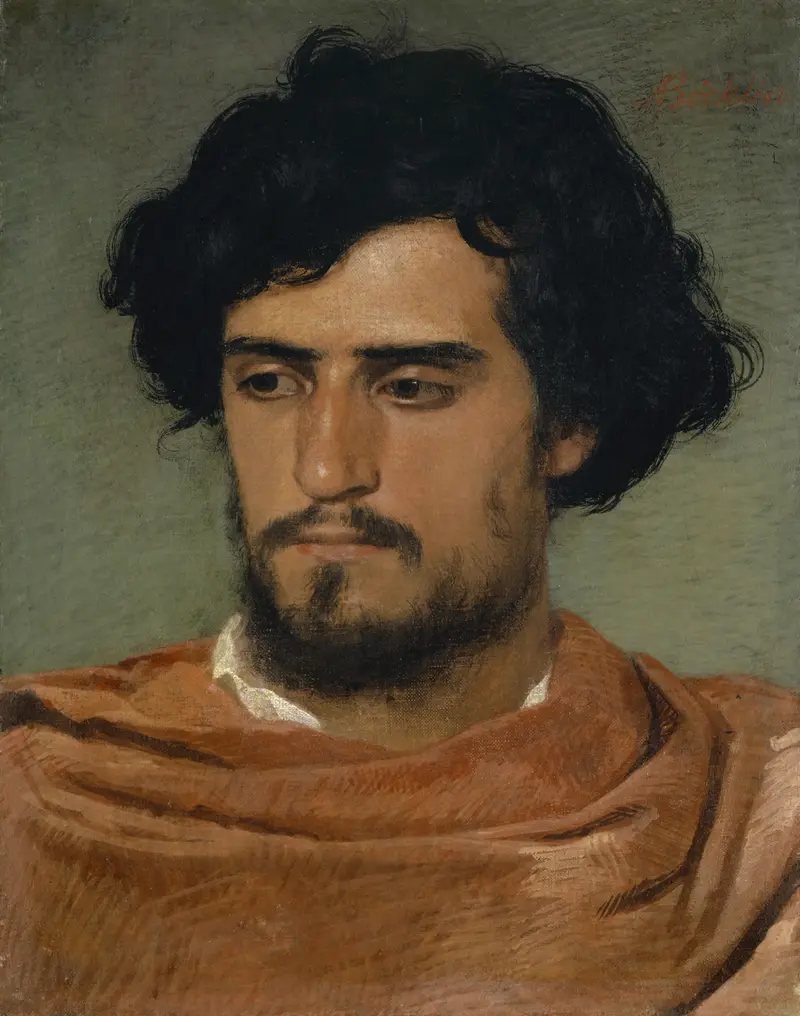
Head of a Roman
Arnold Böcklin
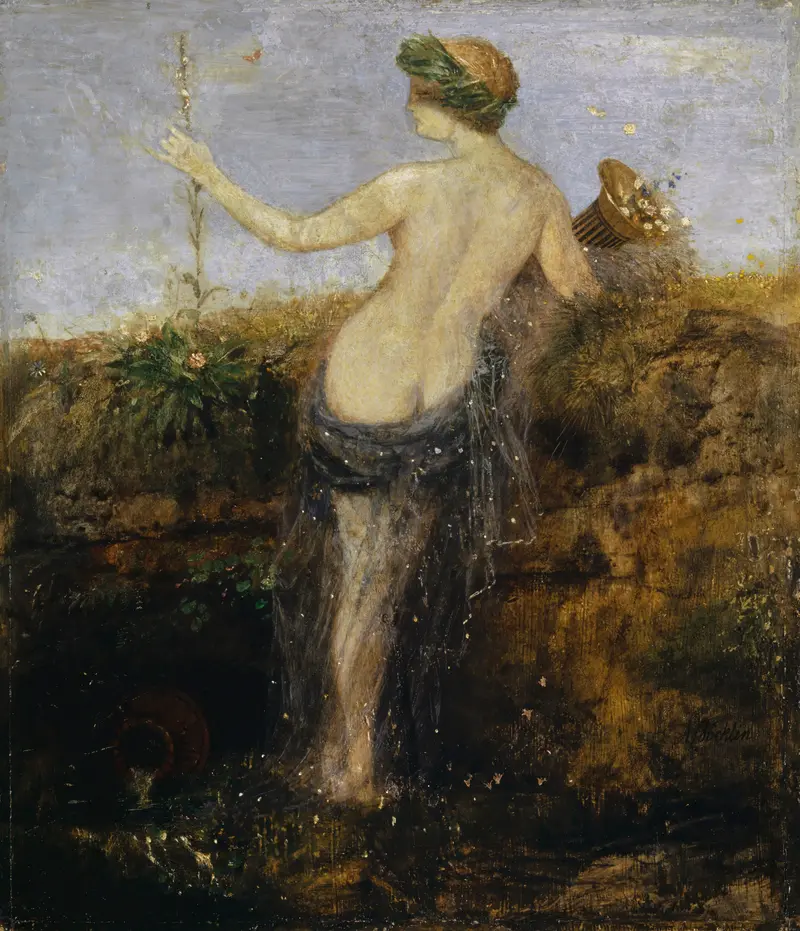
Nymphe with Horn of Plenty
Arnold Böcklin
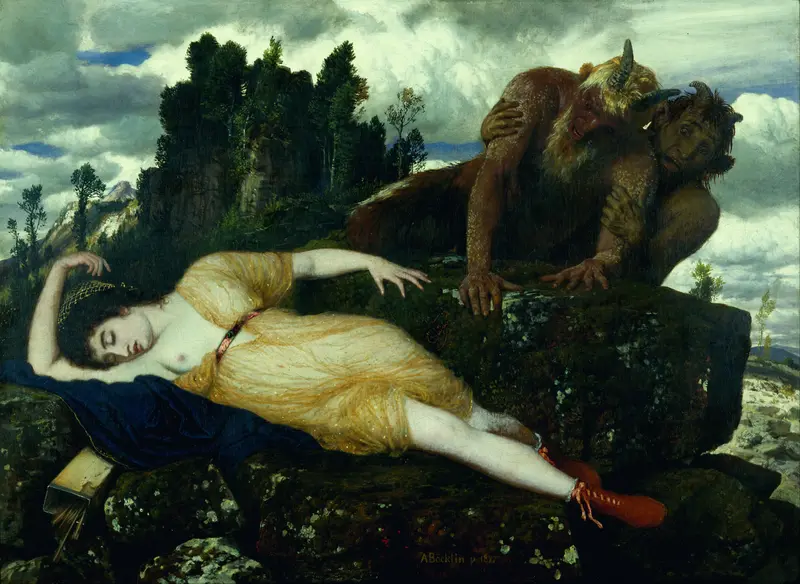
Sleeping Diana Watched by Two Fauns
Arnold Böcklin
Spring (Songs of Spring)
Arnold Böcklin
More Landscape Art

The Starry Night
Vincent van Gogh

View of Delft
Johannes Vermeer

Water Lilies
Claude Monet

The Grand Canal, Venice, looking north-west from the Ca' Corner to the Ca' Contarini degli Scrigni, with the campanile of Santa Maria della Carità
Canaletto

Windsor Castle
Canaletto

The Grand Canal looking North-East from the Palazzo Dolfin-Manin to the Rialto Bridge
Canaletto