
Landscape with Cattle and Peasant — History & Facts
In the depths of a pastoral scene, the interplay of light and shadow reveals more than just serenity; it invites contemplation on the fragility of faith and the weight of toil. Look to the left at the peasant, bent in humble labor, framed by the rolling hills. Notice how warm golden hues wash over the landscape, infusing it with both tranquility and an unsettling undercurrent. The gentle strokes of the brush create a texture that seems to pulsate with life, while the cattle, sturdy yet resigned, stand as metaphors for endurance amidst the relentless cycle of nature.
Every element is meticulously placed, forming a harmonious composition that belies the emotional struggles just beneath the surface. Upon closer inspection, the contrast between the lush greenery and the peasant’s worn figure speaks volumes about socio-economic divides. The vibrant life surrounding him juxtaposes against his humble toil, painting a narrative of resilience infused with quiet despair. The light cascading over the scene serves not just to illuminate but to highlight the tension between the beauty of the landscape and the harsh realities of rural existence.
Here, faith becomes both a sanctuary and a burden, echoing the invisible struggles of those who inhabit such idyllic vistas. In 1781, de Loutherbourg was navigating a transition within his artistic journey, crafting works that bridged romanticism and realism. Living in England during a time of political upheaval and social change, he sought to capture the essence of human experience against the backdrop of nature, reflecting the concerns and hopes of his era. This painting stands as a testament to that pursuit, revealing a world where faith is both a source of beauty and a reminder of life's inherent trials.
More Artworks by Philip James de Loutherbourg
Browse all →
Iron Works, Colebrook Dale
Philip James de Loutherbourg
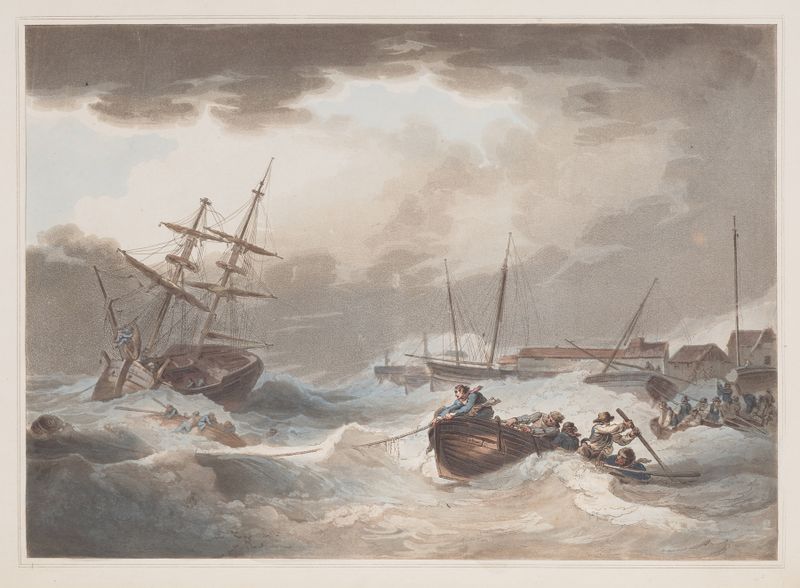
Storm off Margate
Philip James de Loutherbourg
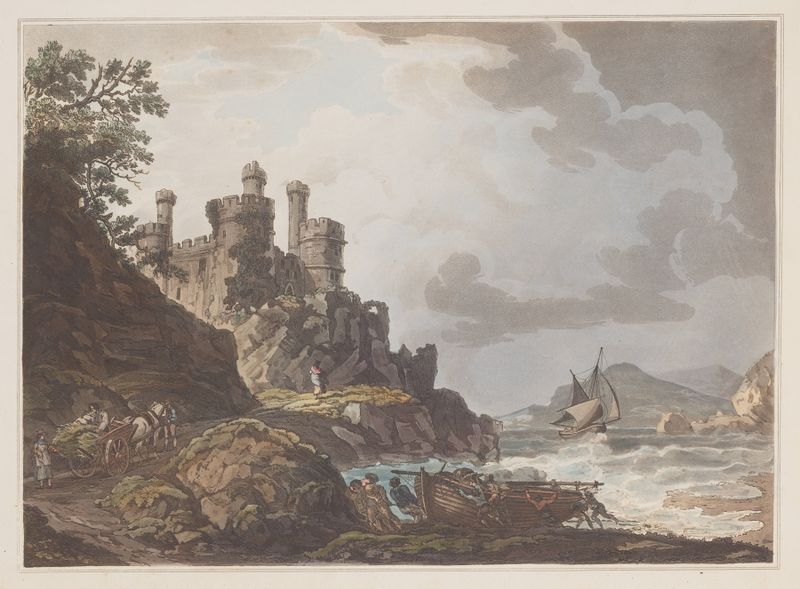
Conway Castle
Philip James de Loutherbourg
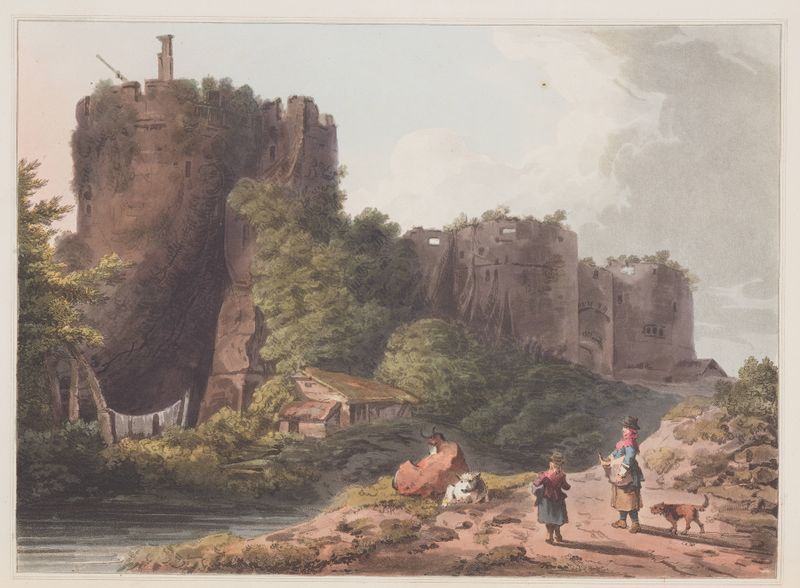
Chepstow Castle in Monmouthshire
Philip James de Loutherbourg
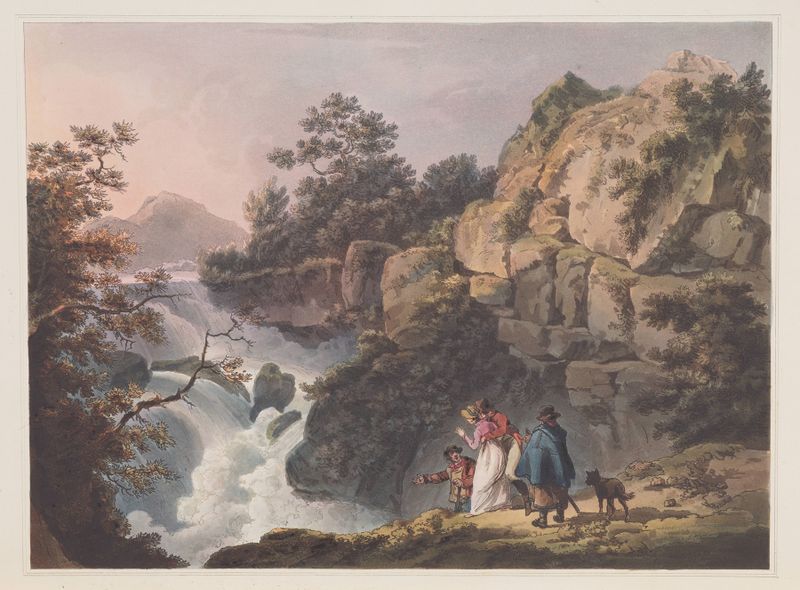
Cataract on the Llugwy
Philip James de Loutherbourg

Tintern Abbey
Philip James de Loutherbourg
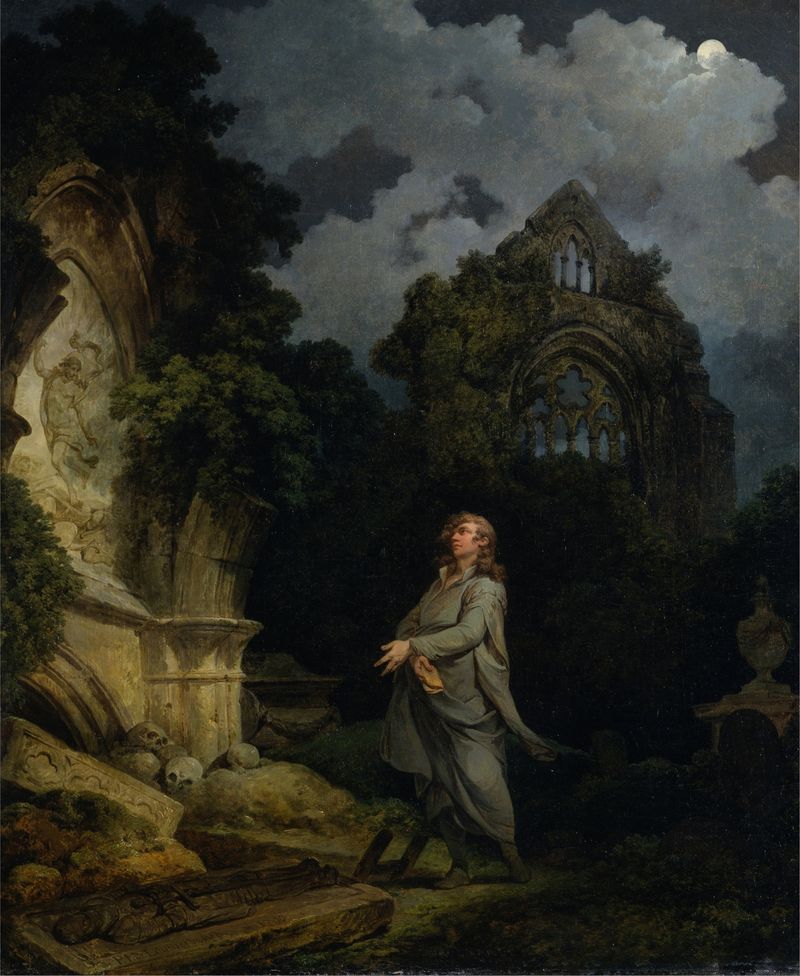
Visitor to a Moonlit Churchyard
Philip James de Loutherbourg

A Storm at the Entrance of a Mediterranean Port
Philip James de Loutherbourg
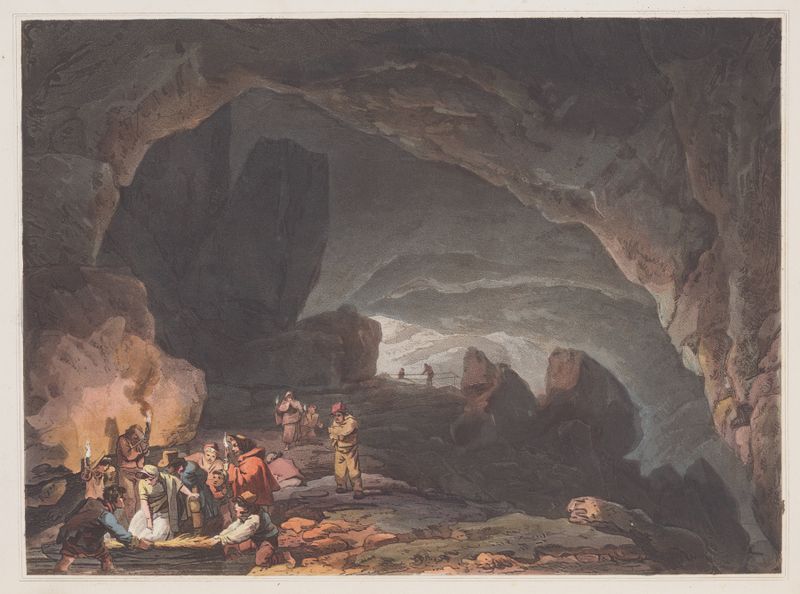
Peak’s Hole, Derbyshire
Philip James de Loutherbourg
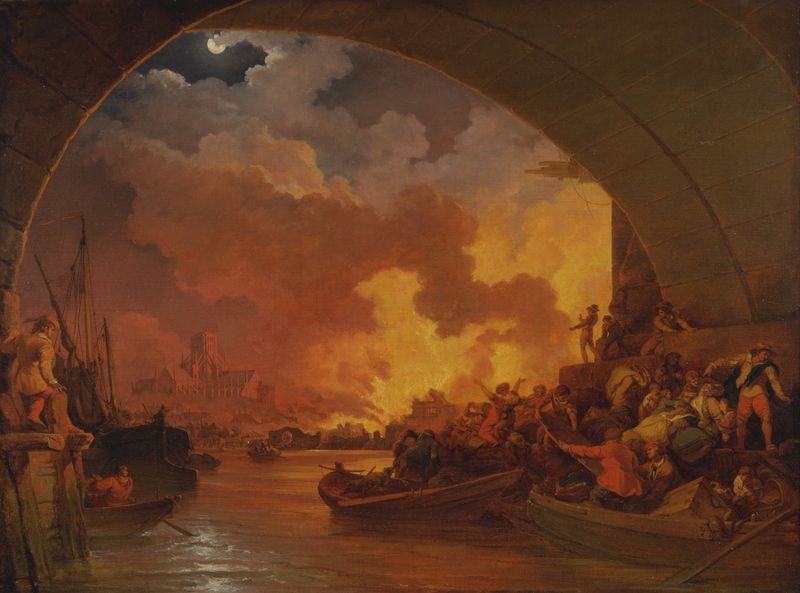
The Great Fire of London
Philip James de Loutherbourg





