
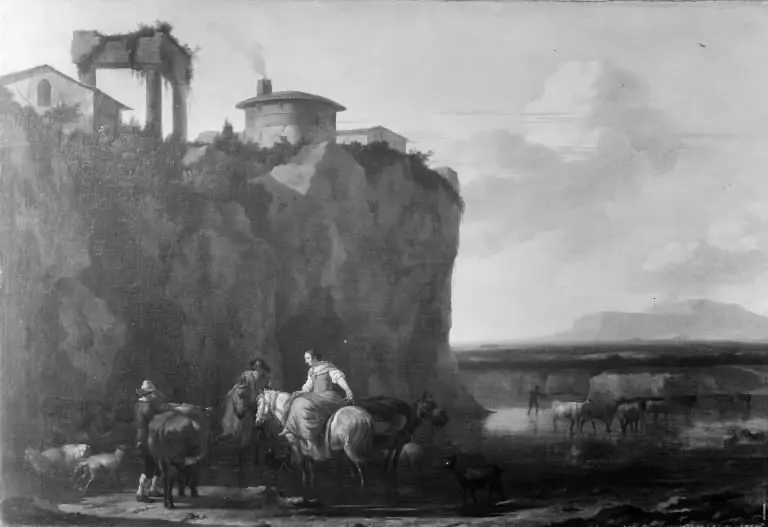
Landscape with cattle and shepherds — History & Facts
The hush of afternoon settles over this scene, where the world seems to pause between labor and rest. Your eye is drawn first to the shepherdess, seated in a patch of filtered light, her blue skirt vivid against the earth. She gestures quietly, perhaps to her companion or the animals sprawled at her feet, while the young man leans on his staff beside a patient ox.
The ruined wall to the left hints at stories untold—nature reclaiming what was once built by hands—while the distant, sunlit cliffs and wide sky lend the landscape a sense of open possibility. Every brushstroke guides you gently from the shaded foreground, through the dappled trees, and out into the luminous expanse beyond. Painted by Abraham Jansz. Begeyn between 1655 and 1697, this work belongs to a flourishing tradition of Dutch and Flemish landscape painting, where scenes of rural life offered both comfort and quiet pride to their viewers.
In the seventeenth century, such images were prized by city dwellers eager to recall the rhythms of the countryside, whether as nostalgic memory or idealized retreat. The artist’s careful attention to the play of light and texture—wool, hide, crumbling stone—reflects a world in which daily existence and the land itself were deeply entwined. Now part of the collection at the Pinakothek, this painting invites us to linger, to follow the cattle’s slow progress and the shepherds’ easy companionship, and to imagine the stories that unfold in the spaces between work and repose.
More Artworks by Abraham Jansz. Begeyn

Landscape with people and cattle
Abraham Jansz. Begeyn
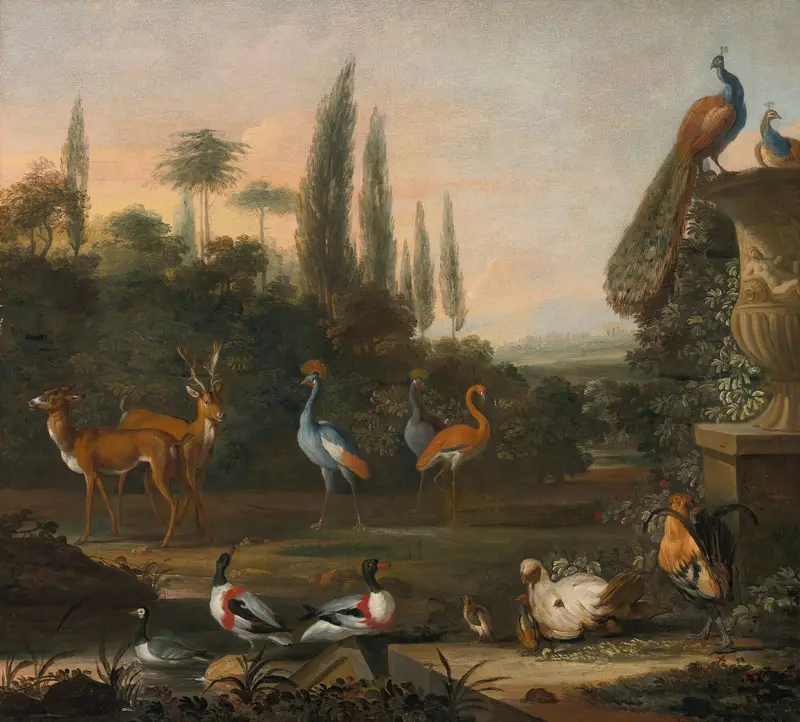
Landscape with deer and exotic birds
Abraham Jansz. Begeyn
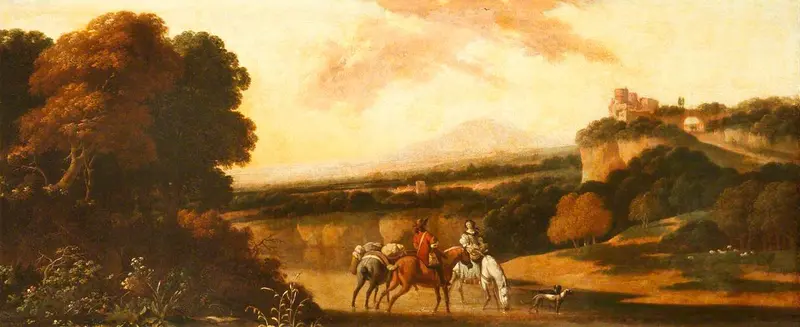
Landscape with Travellers
Abraham Jansz. Begeyn
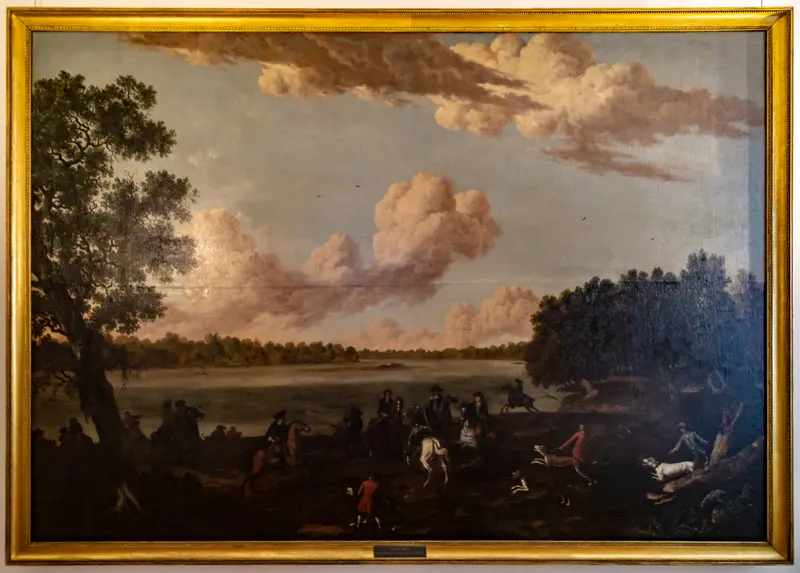
Prince Elector Frederick III of Prussia hunting at the Havel
Abraham Jansz. Begeyn
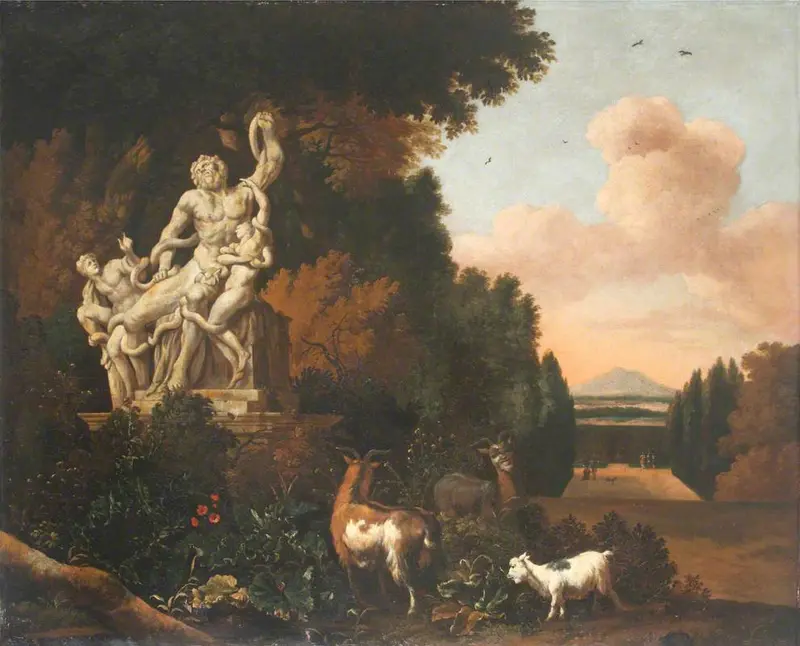
Landscape with Goats and a Statue of Laocoön
Abraham Jansz. Begeyn
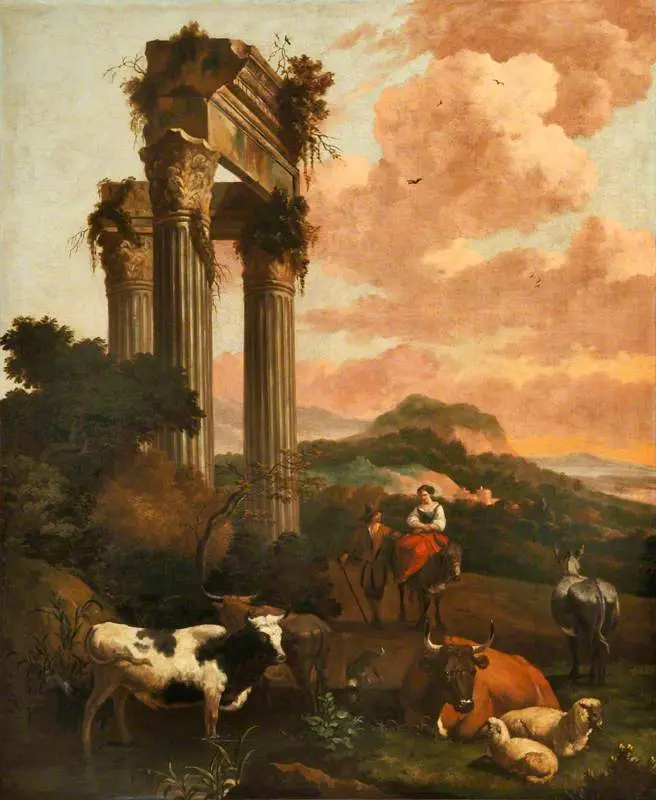
Landscape with Figures, Cattle and Sheep among Classical Ruins
Abraham Jansz. Begeyn
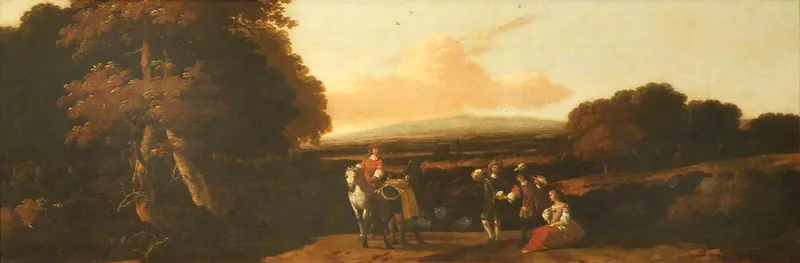
Landscape with Figures on a Road
Abraham Jansz. Begeyn
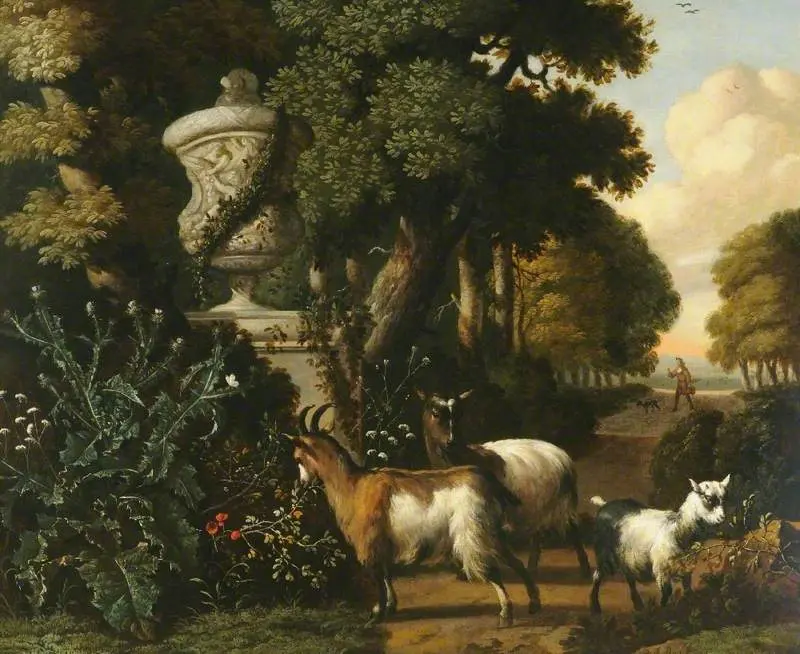
Landscape with Goats
Abraham Jansz. Begeyn
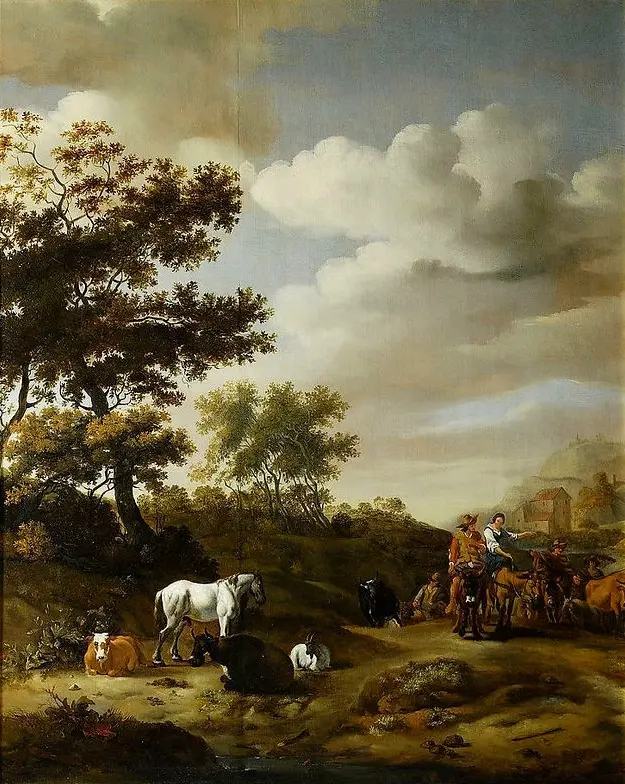
Landscape with travelers and cattle.
Abraham Jansz. Begeyn
The Ford
Abraham Jansz. Begeyn
More Landscape Art

The Starry Night
Vincent van Gogh

View of Delft
Johannes Vermeer

Water Lilies
Claude Monet

The Grand Canal, Venice, looking north-west from the Ca' Corner to the Ca' Contarini degli Scrigni, with the campanile of Santa Maria della Carità
Canaletto

Windsor Castle
Canaletto

The Grand Canal looking North-East from the Palazzo Dolfin-Manin to the Rialto Bridge
Canaletto