
Landscape with church — History & Facts
A hush settles over this village, where the church spire rises like a watchful sentinel above clustered rooftops and tangled trees. The eye is drawn first to the play of shadow and light: the houses half-submerged in deep green, their windows glowing faintly, as if holding the last warmth of the day. Ribot’s brushwork is loose, almost sketch-like, letting the forms dissolve into one another at the edges, so that the scene feels both immediate and fleeting.
The sky, pale and nearly blank, presses down, making the darkened foliage and buildings seem denser, more secretive. Every patch of yellow or red—a lit window here, a hint of brick there—serves as a quiet beacon, suggesting life continuing behind closed doors. Works like Landscape with church belong to a tradition that flourished in nineteenth-century France, when artists turned away from grand historical subjects to seek poetry in the everyday countryside. Painters of the Barbizon school, and later the Impressionists, made such scenes for collectors eager to bring a piece of rural calm into their urban homes; these landscapes were often painted quickly, outdoors, to capture the shifting moods of light and weather.
Though little is recorded about this particular painting beyond its recent documentation in 2021, it stands as a testament to that era’s fascination with the ordinary made luminous. Look again at the shadowed cottages and the solitary spire—what stories might be unfolding just out of sight?
More Artworks by Augustin Théodule Ribot

The Scullion
Augustin Théodule Ribot
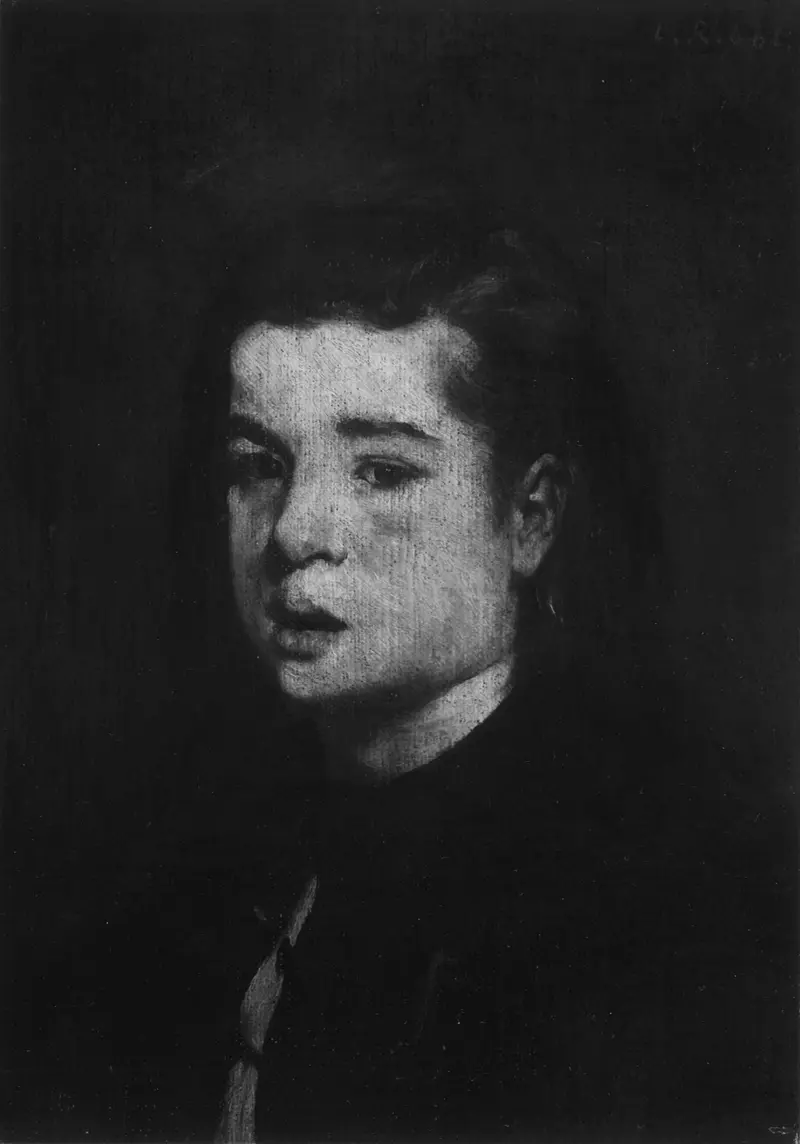
The Artist's Daughter
Augustin Théodule Ribot
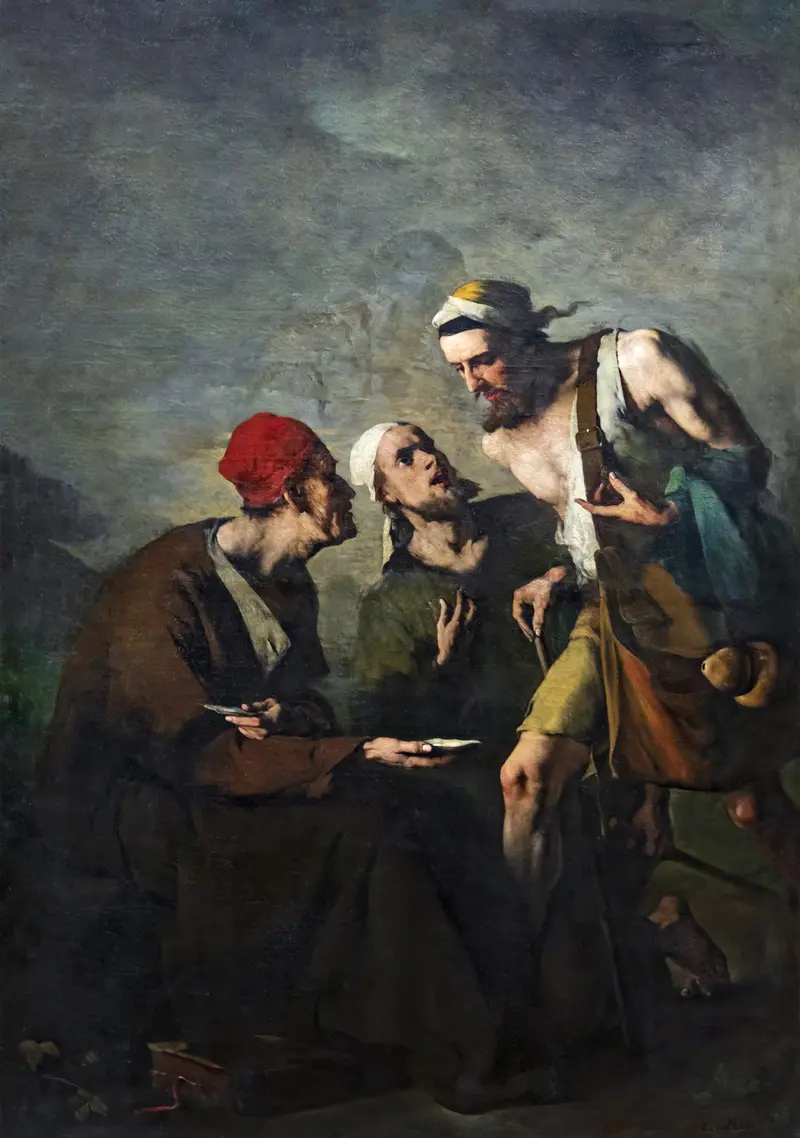
The oyster and the Litigant's
Augustin Théodule Ribot
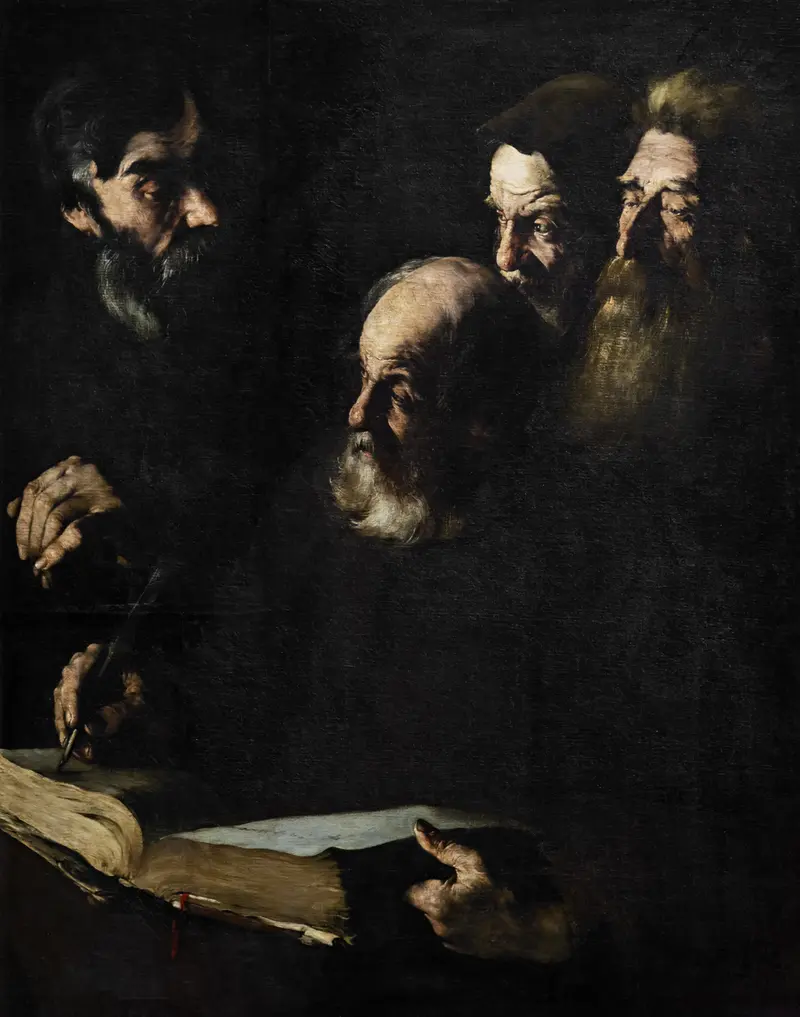
The philosophers
Augustin Théodule Ribot
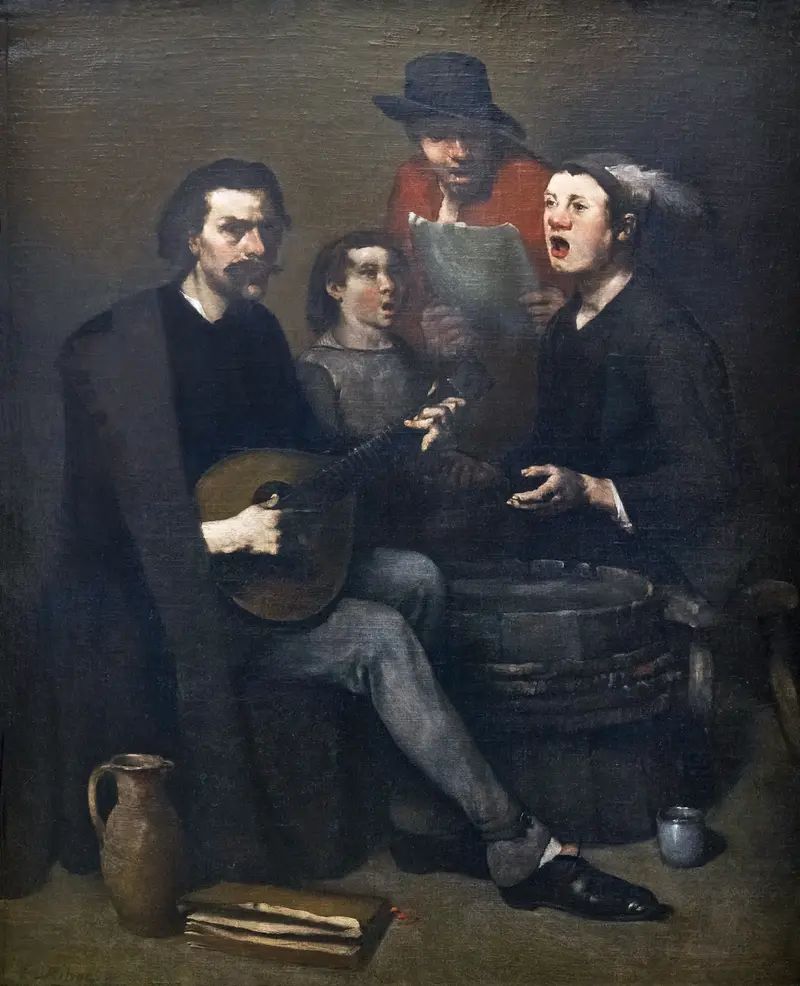
Singers
Augustin Théodule Ribot
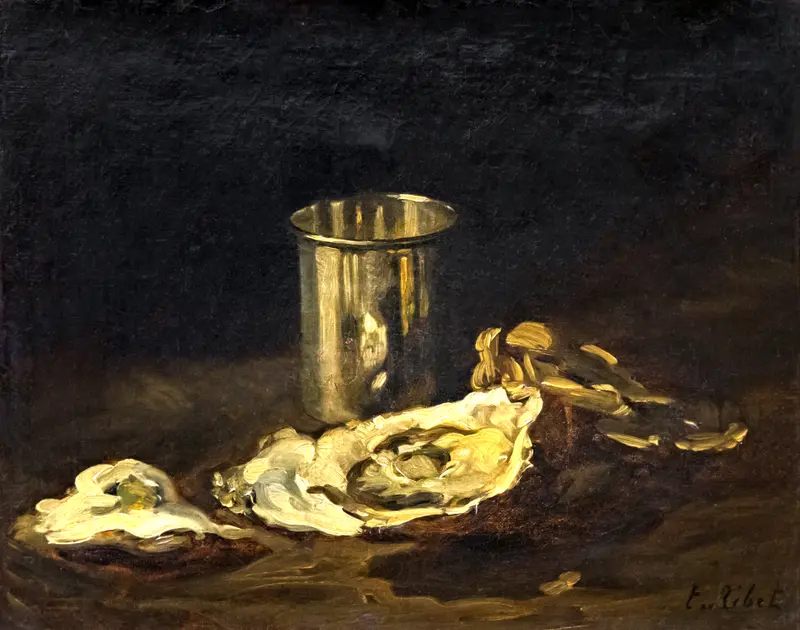
Oyster and timbale
Augustin Théodule Ribot
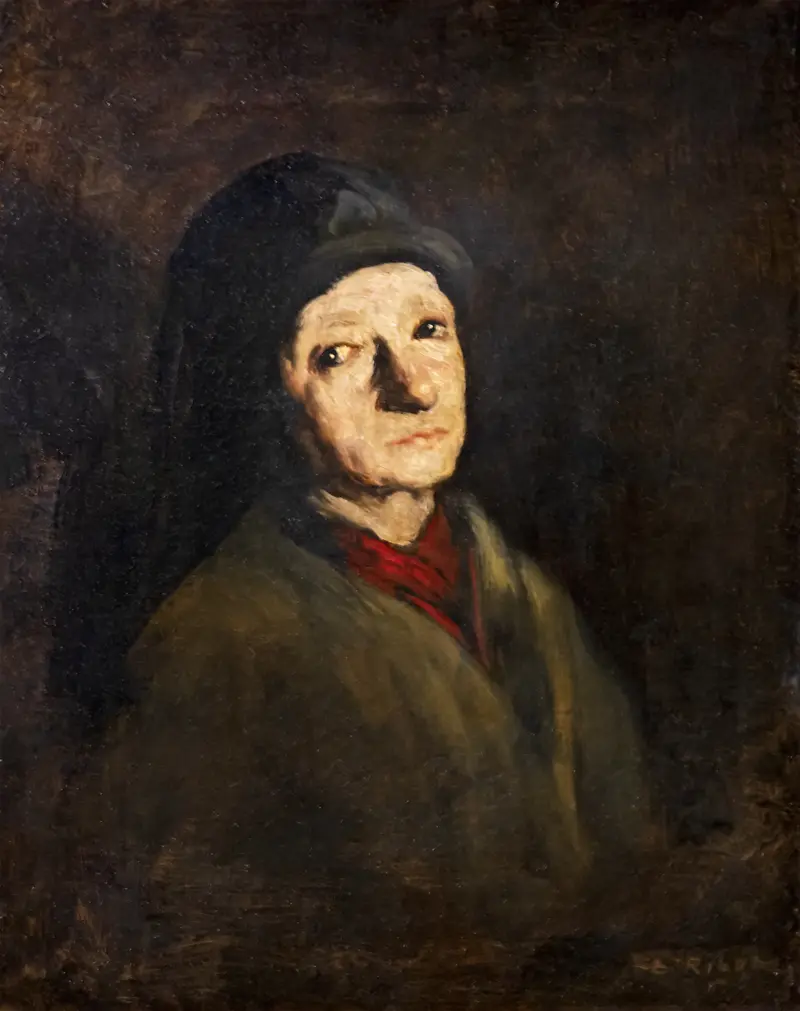
Portrait of the artist's mother
Augustin Théodule Ribot
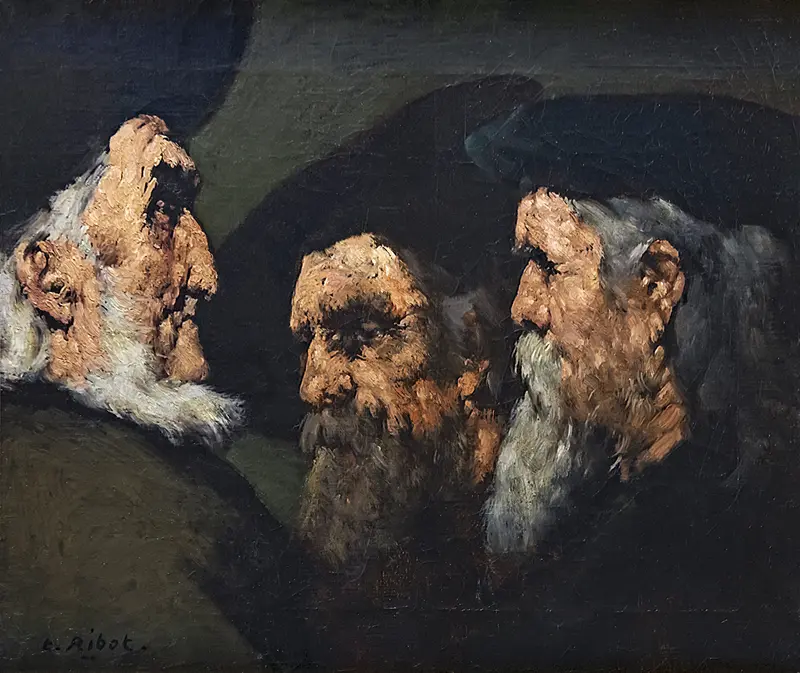
Three old jews
Augustin Théodule Ribot
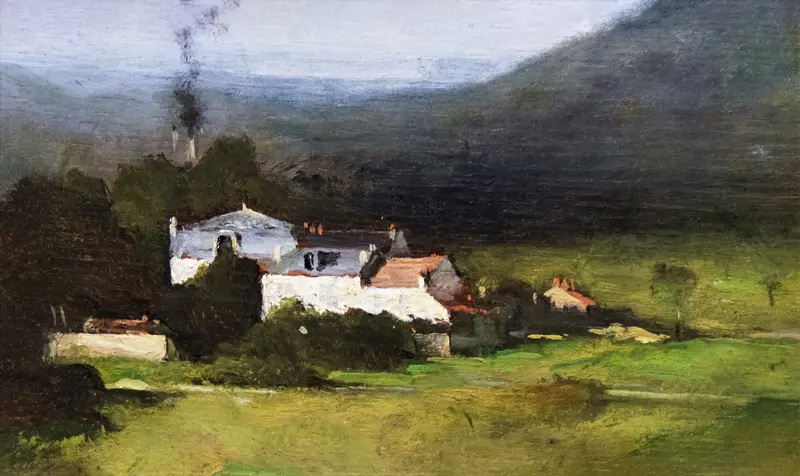
' Landscape ', known as ' La Maison de Corot in Ville-d'Avray '
Augustin Théodule Ribot
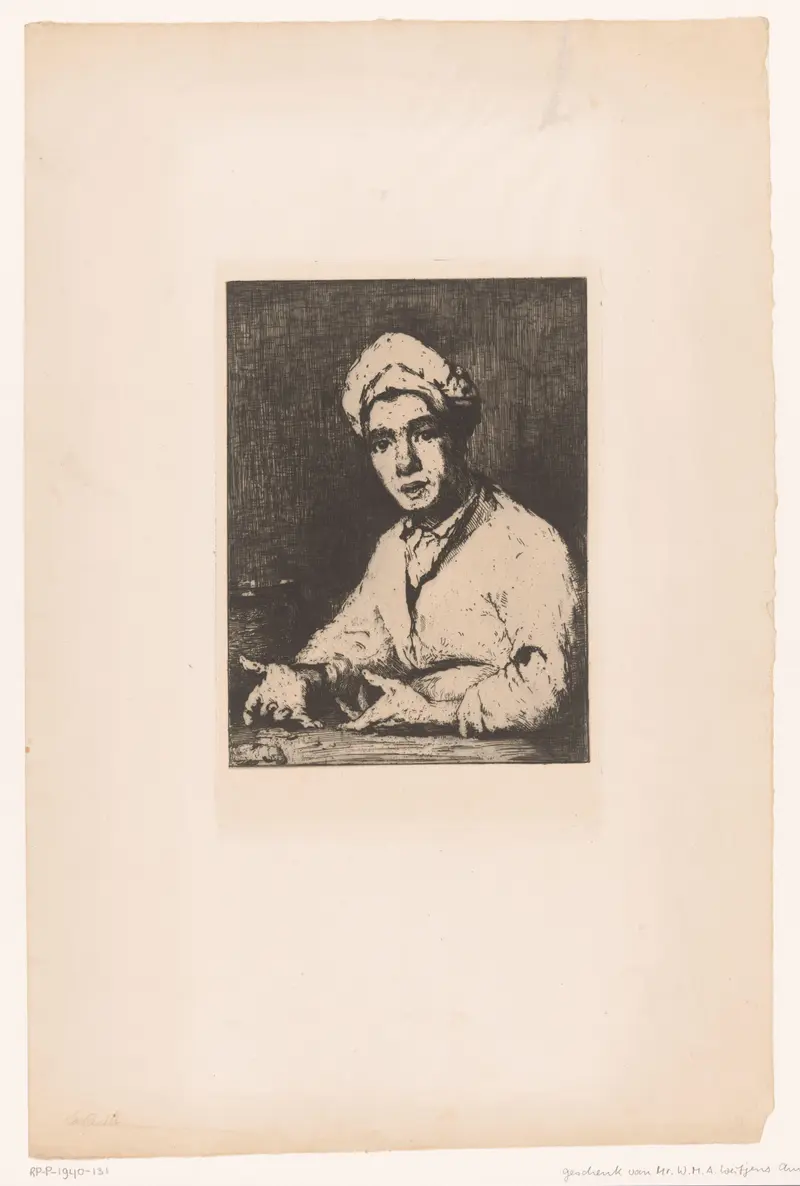
La recette du cuisinier
Augustin Théodule Ribot
More Landscape Art

The Starry Night
Vincent van Gogh

View of Delft
Johannes Vermeer

Water Lilies
Claude Monet

The Grand Canal, Venice, looking north-west from the Ca' Corner to the Ca' Contarini degli Scrigni, with the campanile of Santa Maria della Carità
Canaletto

Windsor Castle
Canaletto

The Grand Canal looking North-East from the Palazzo Dolfin-Manin to the Rialto Bridge
Canaletto