
Landscape with Figures — History & Facts
What draws the eye first is the sweep of golden light, pouring across a valley that seems to stretch into infinity—a world where every path, bridge, and winding river is an invitation to wander. At the center, a lone traveler on a donkey, flanked by sheep, pauses on a sunlit ledge, their red cloak a quiet signal against the vast landscape. The painter, Abraham Jansz.
Begeyn, has built a stage where the drama is not in grand gestures, but in the slow unfolding of distance: the river winding away, the distant bridge, the mountain rising like a memory at the horizon. The shadows beneath the trees shelter a resting figure, while the road on the right, carved into pale rock, hints at other journeys just out of sight. Every element—cloud, stone, and tree—serves to draw the viewer deeper, suggesting a world both inhabited and immense. Painted between circa 1675 and 1679, this landscape belongs to a period when Dutch artists, inspired by Italian models, conjured visions of southern light and heroic terrain for a northern audience.
These scenes were prized by collectors eager to display both their taste and their learning, often serving as meditations on the passage of time and the harmony between man and nature. While little is recorded about this specific work’s early history, its presence today in the Art UK collection is a testament to the enduring appeal of such imagined vistas. The painting asks us to linger, to trace the paths and rivers, and to wonder what stories might unfold just beyond the next bend.
More Artworks by Abraham Jansz. Begeyn

Landscape with people and cattle
Abraham Jansz. Begeyn
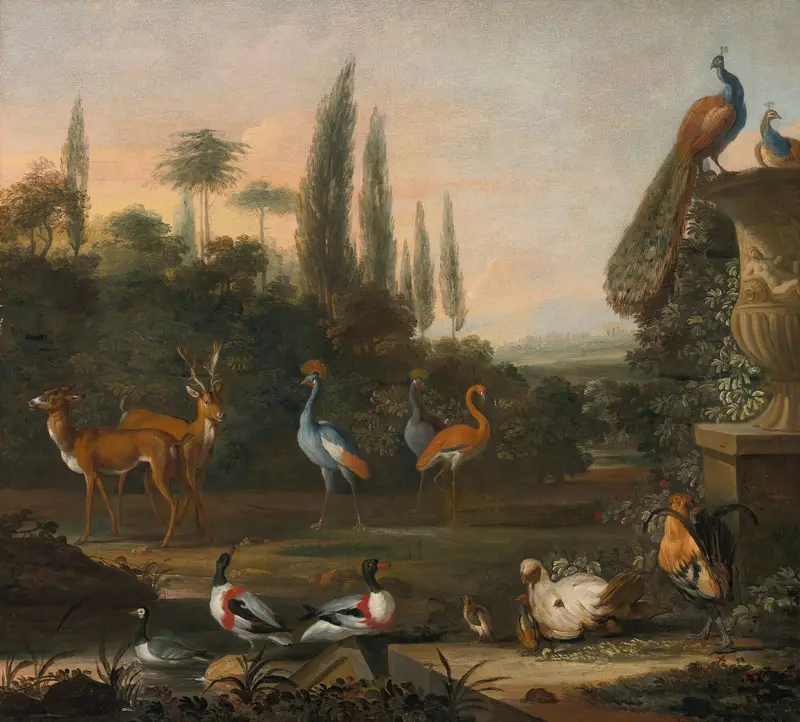
Landscape with deer and exotic birds
Abraham Jansz. Begeyn
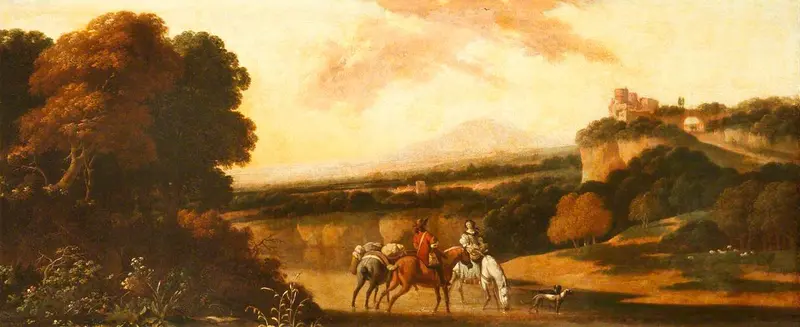
Landscape with Travellers
Abraham Jansz. Begeyn
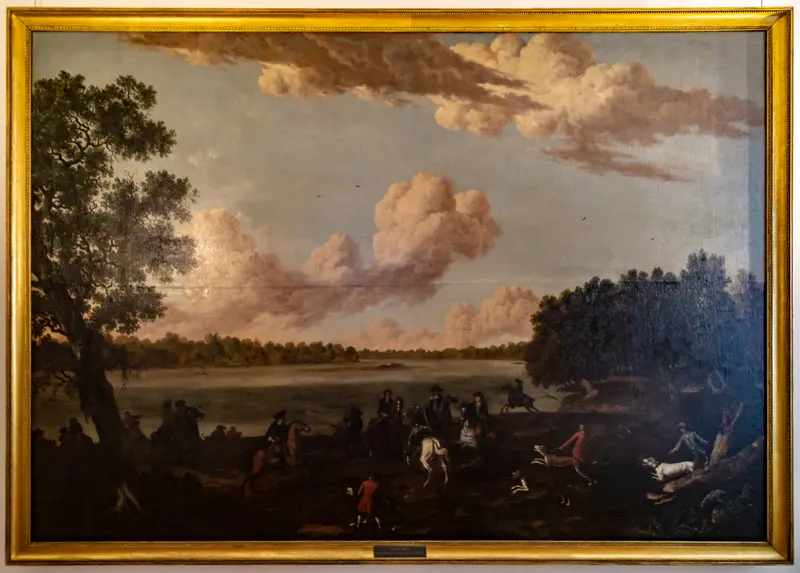
Prince Elector Frederick III of Prussia hunting at the Havel
Abraham Jansz. Begeyn
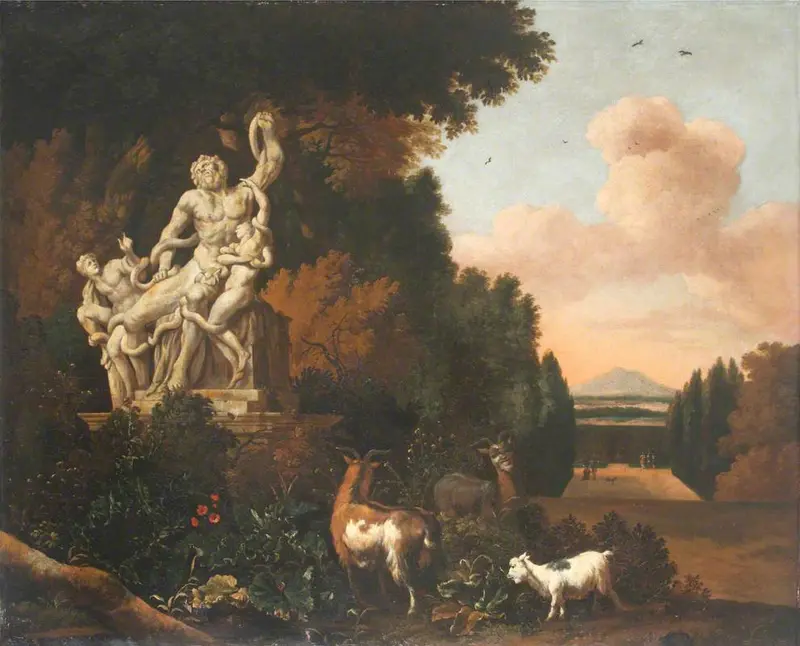
Landscape with Goats and a Statue of Laocoön
Abraham Jansz. Begeyn
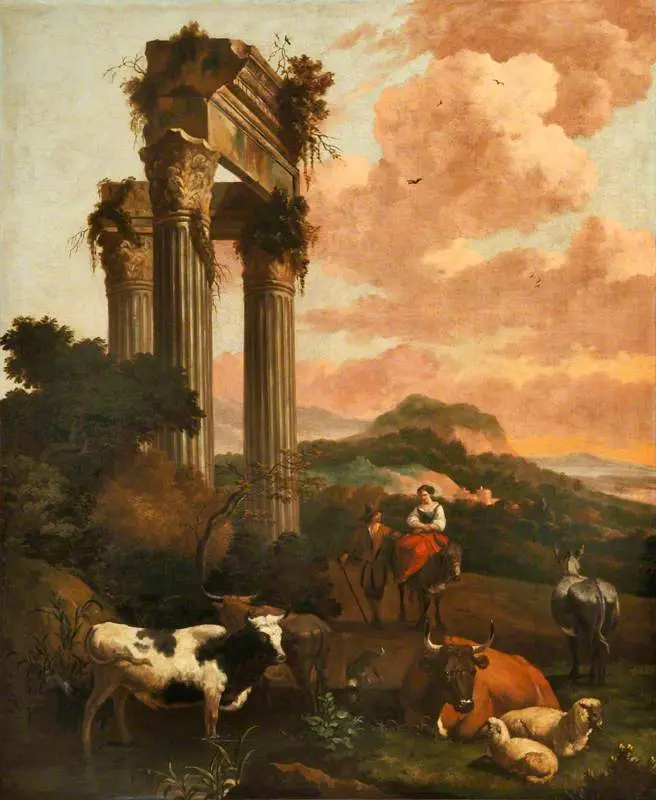
Landscape with Figures, Cattle and Sheep among Classical Ruins
Abraham Jansz. Begeyn
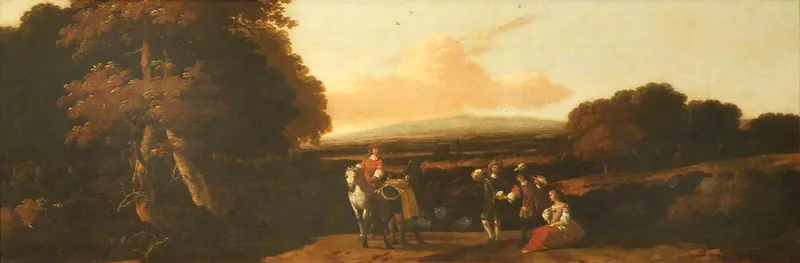
Landscape with Figures on a Road
Abraham Jansz. Begeyn
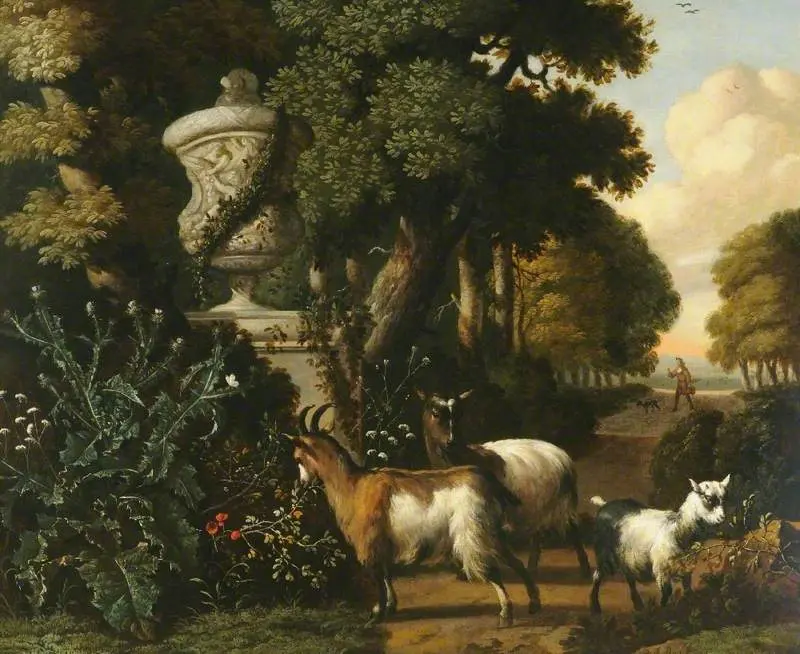
Landscape with Goats
Abraham Jansz. Begeyn
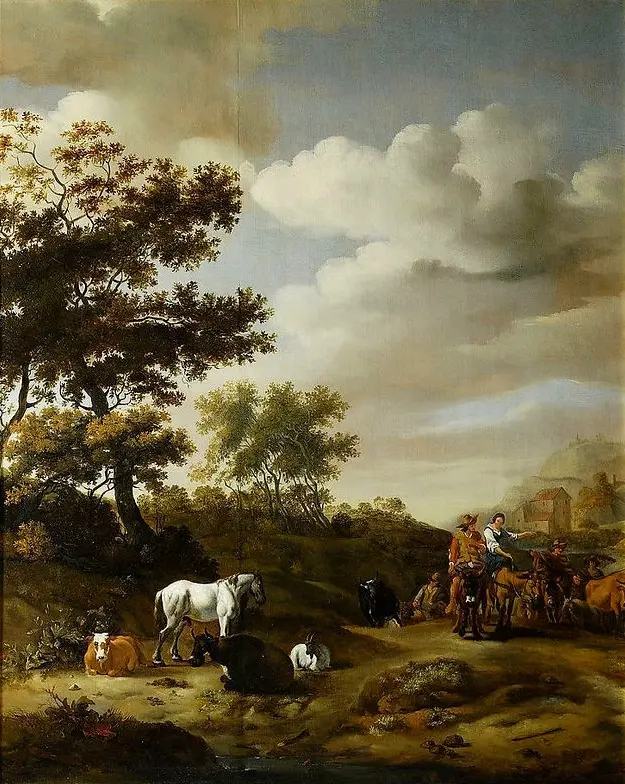
Landscape with travelers and cattle.
Abraham Jansz. Begeyn
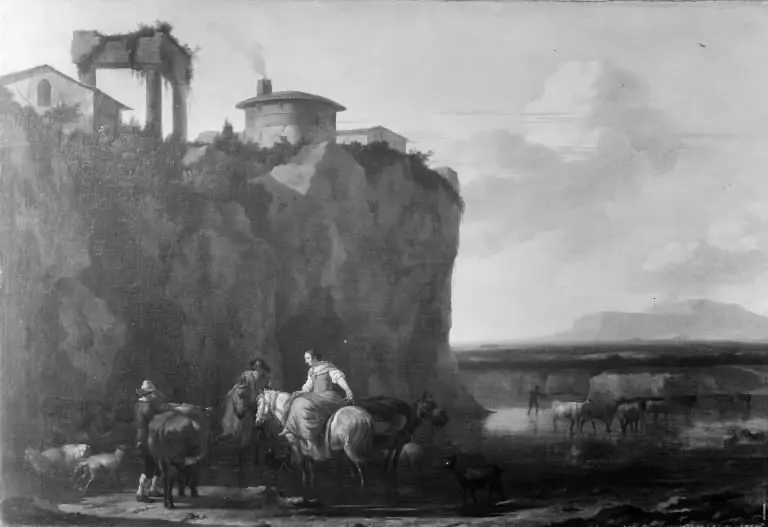
The Ford
Abraham Jansz. Begeyn
More Landscape Art

The Starry Night
Vincent van Gogh

View of Delft
Johannes Vermeer

Water Lilies
Claude Monet

The Grand Canal, Venice, looking north-west from the Ca' Corner to the Ca' Contarini degli Scrigni, with the campanile of Santa Maria della Carità
Canaletto

Windsor Castle
Canaletto

The Grand Canal looking North-East from the Palazzo Dolfin-Manin to the Rialto Bridge
Canaletto