
Landscape with Figures and Animals — History & Facts
In the hush of dawn, nature stirs with a breath of awakening, revealing the delicate balance between humanity and the wild. Look to the right at the figures emerging from the shadows, their silhouettes softly outlined against a backdrop of rolling hills bathed in muted greens and browns. Notice how the light falls upon the animals grazing in the foreground, casting gentle reflections that shimmer like whispers across the canvas. The meticulous brushwork captures not only the scene's vibrancy but also the emotional interplay between the figures, their quiet gestures depicting harmony in a shared moment. As you explore further, you might sense the underlying tension of coexistence—how the figures seem almost at one with the animals yet remain separate, hinting at the fragility of that bond.
The hint of fog curling around the landscape adds an ethereal quality, suggesting that while life is waking, mysteries linger just beyond perception. The color palette of muted earth tones contrasts with the fleeting light, evoking a sense of nostalgia for a world that is both familiar and elusive. Painted during a time of profound change in the late 18th century, de Loutherbourg sought to capture the interplay between nature and human emotion amidst the rise of Romanticism. He was influenced by the expanding notions of landscape painting, particularly in England, where industrialization threatened the pastoral ideal.
This work reflects his desire to harmonize the emerging modernity with the timeless beauty of the natural world, a delicate balance resonating through every brushstroke.
More Artworks by Philip James de Loutherbourg
Browse all →
Iron Works, Colebrook Dale
Philip James de Loutherbourg
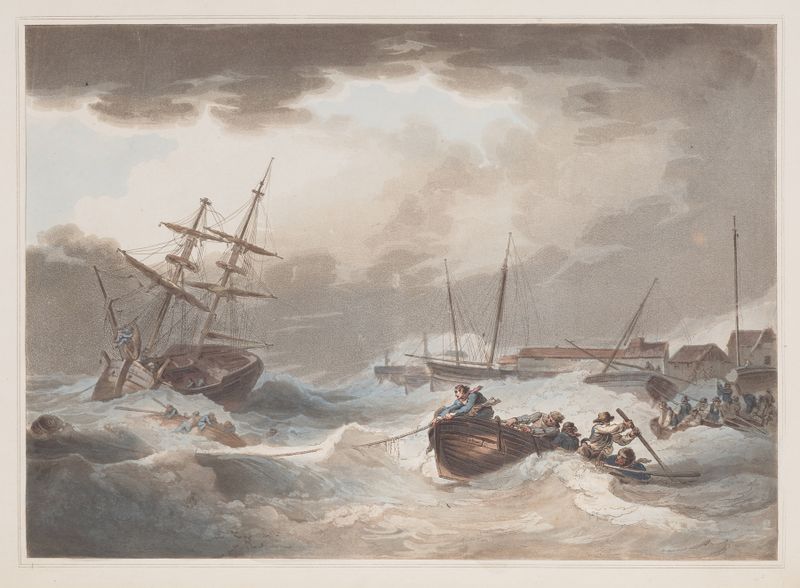
Storm off Margate
Philip James de Loutherbourg
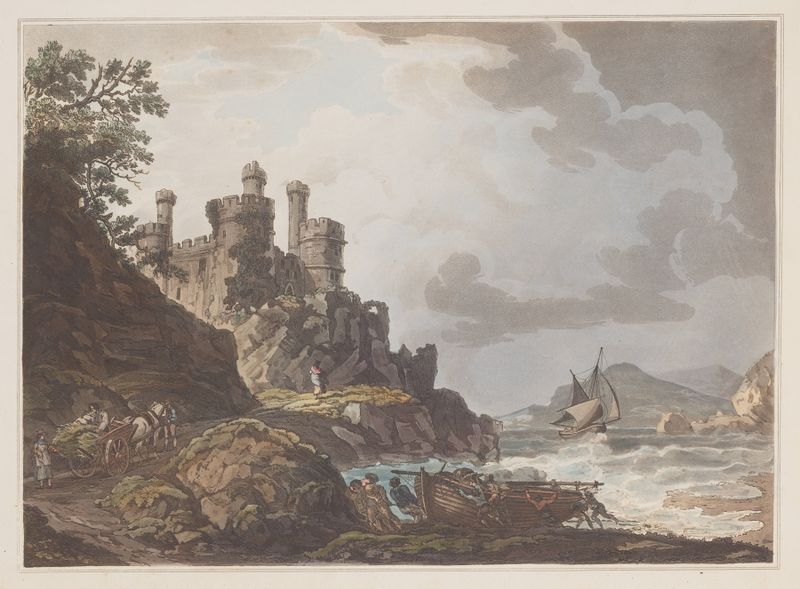
Conway Castle
Philip James de Loutherbourg
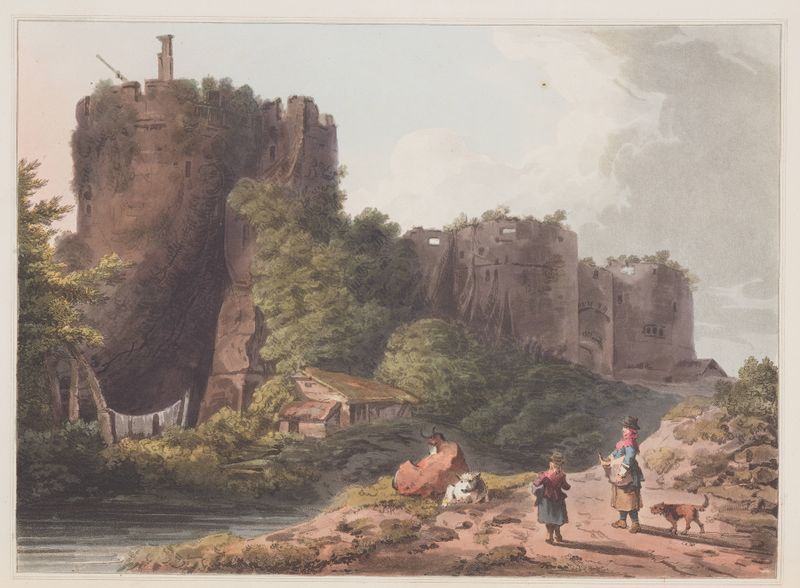
Chepstow Castle in Monmouthshire
Philip James de Loutherbourg
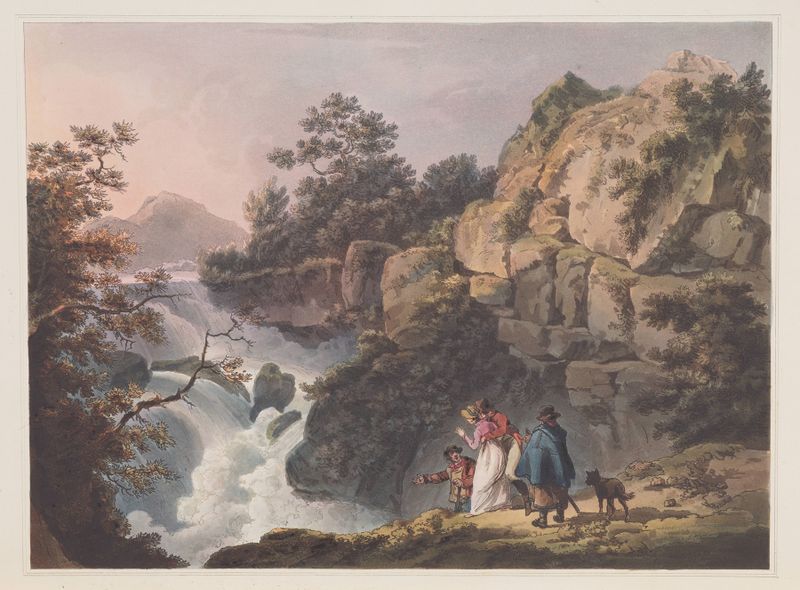
Cataract on the Llugwy
Philip James de Loutherbourg

Tintern Abbey
Philip James de Loutherbourg
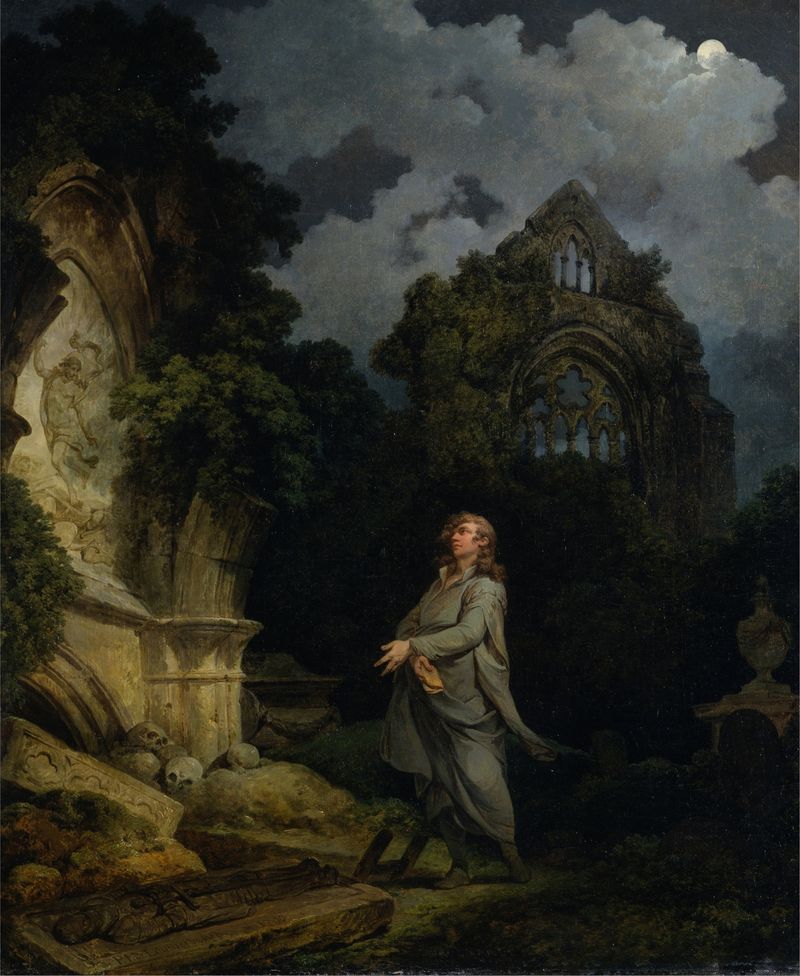
Visitor to a Moonlit Churchyard
Philip James de Loutherbourg

A Storm at the Entrance of a Mediterranean Port
Philip James de Loutherbourg
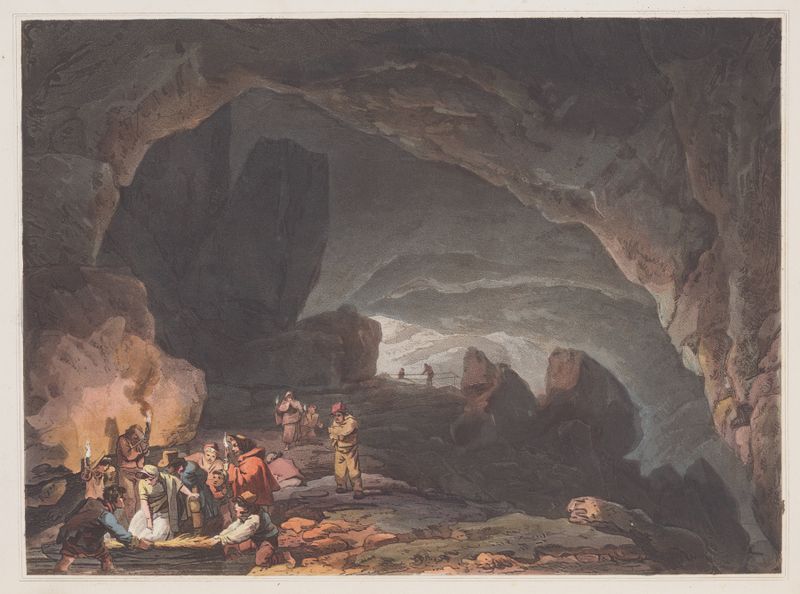
Peak’s Hole, Derbyshire
Philip James de Loutherbourg
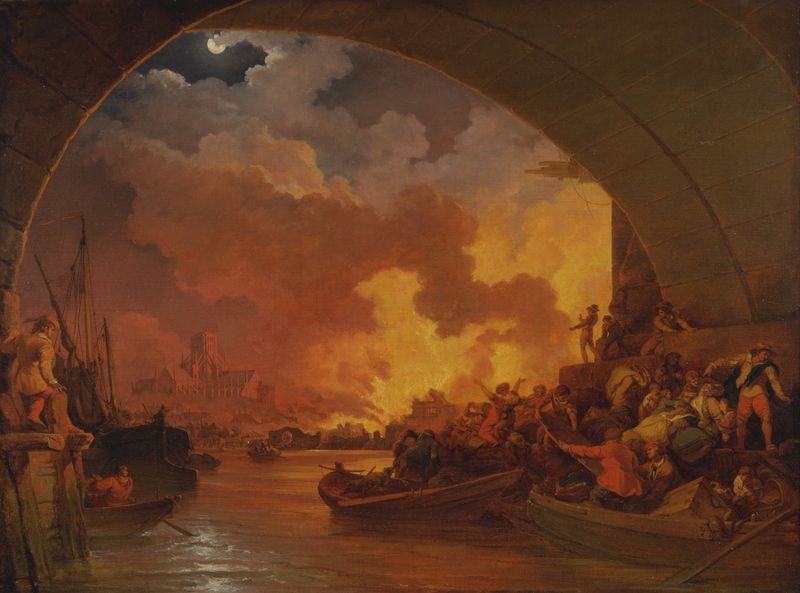
The Great Fire of London
Philip James de Loutherbourg





