
Landscape with houses in Cagnes-sur-Mer — History & Facts
Can beauty exist without sorrow? In Landscape with houses in Cagnes-sur-Mer, the answer invites contemplation, revealing a delicate interplay of light, color, and shadow that resonates with emotional depth. Look to the center of the canvas where the sun-drenched homes sit nestled against a vibrant hillside. The warm palette of oranges and yellows reflects the serene beauty of the French landscape, while the shadows cast from the trees provide contrast and depth, creating a sense of shelter and mystery. Notice how the blues of the sky seamlessly blend with the earthy tones, showcasing Renoir's mastery of color harmony and inviting the viewer to wander through this tranquil scene. Within this idyllic composition, hidden tensions unfold.
The juxtaposition of bright sunlight spilling over the rooftops against the cooler shadows lurking in the foreground suggests a dichotomy between joy and melancholy. Each element, from the playful flickers of light to the enveloping darkness, hints at life’s complexities — beauty softened by the presence of shadows, both literal and symbolic. The houses, seemingly peaceful, may also echo stories of lives lived in the unceasing rhythms of joy mingled with sorrow. In 1911, Renoir was living in Cagnes-sur-Mer, a place that inspired many of his final works.
By this time, he had already established himself as a leading figure in the Impressionist movement, yet his brushstrokes were evolving toward a more personal and emotive expression. The world was shifting dramatically, and yet, in this tranquil landscape, he captured enduring beauty — a testament to his belief in the power of art to encapsulate life's bittersweet essence.
More Artworks by Pierre-Auguste Renoir
Browse all →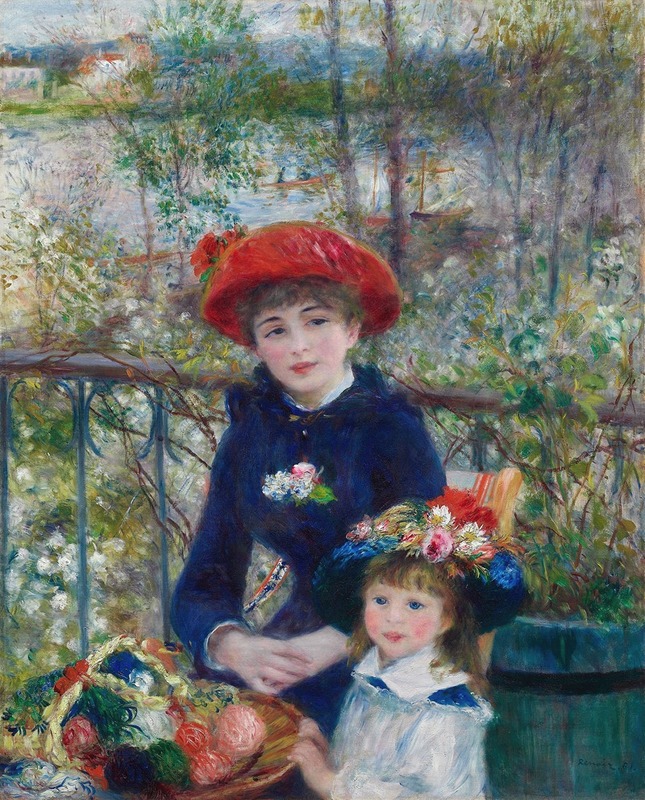
Two Sisters (On the Terrace)
Pierre-Auguste Renoir
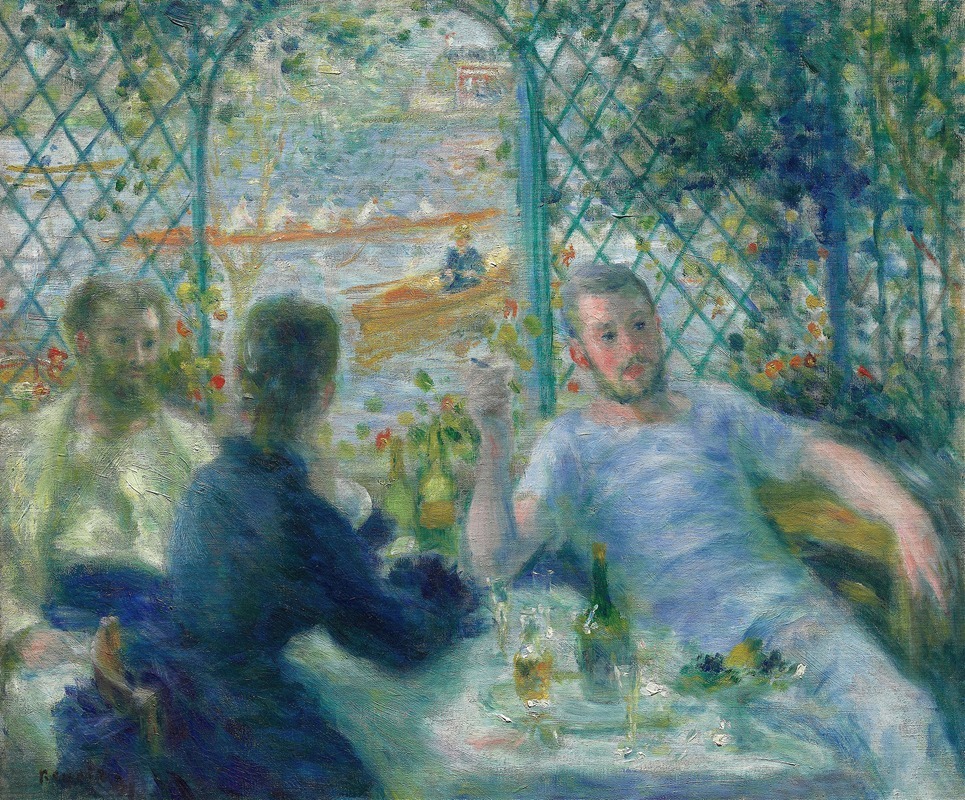
Lunch at the Restaurant Fournaise (The Rowers' Lunch)
Pierre-Auguste Renoir
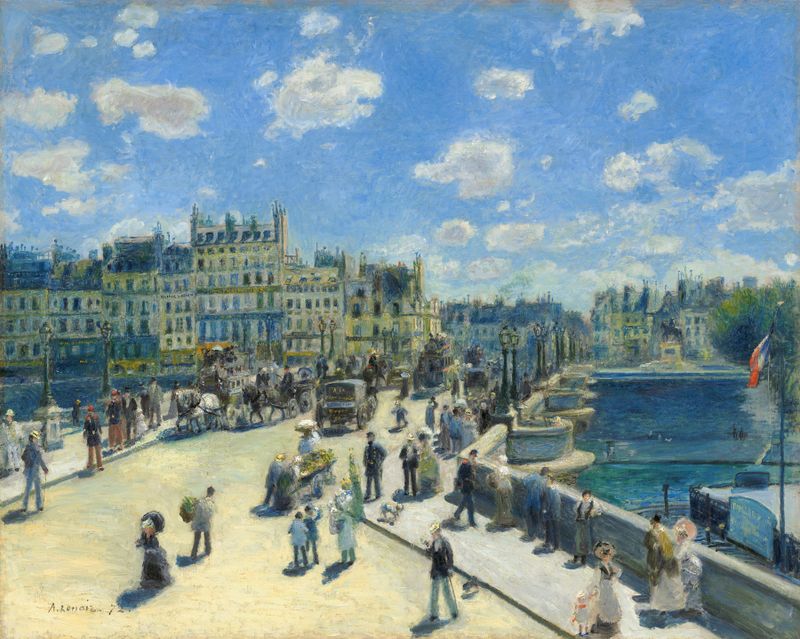
Pont Neuf, Paris
Pierre-Auguste Renoir
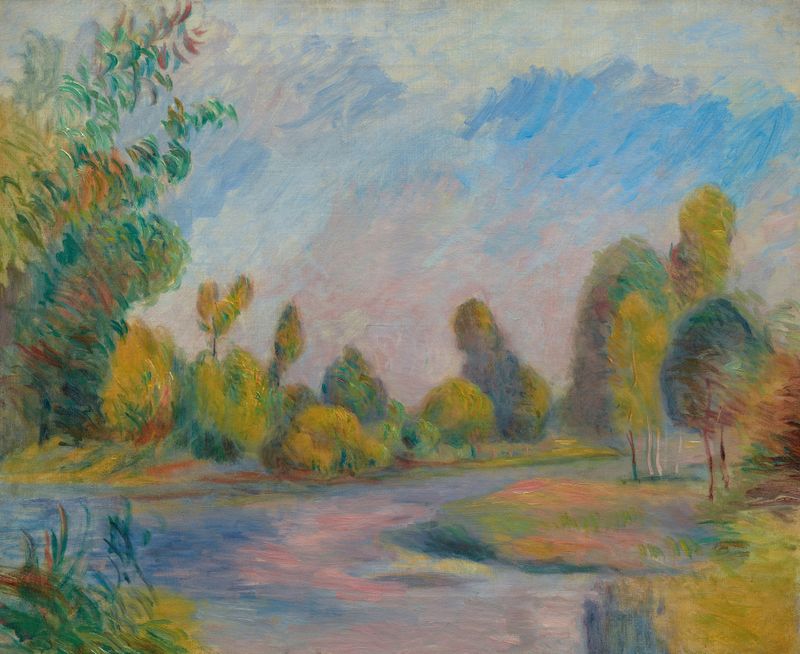
Au bord de la rivière
Pierre-Auguste Renoir

Near the Lake
Pierre-Auguste Renoir
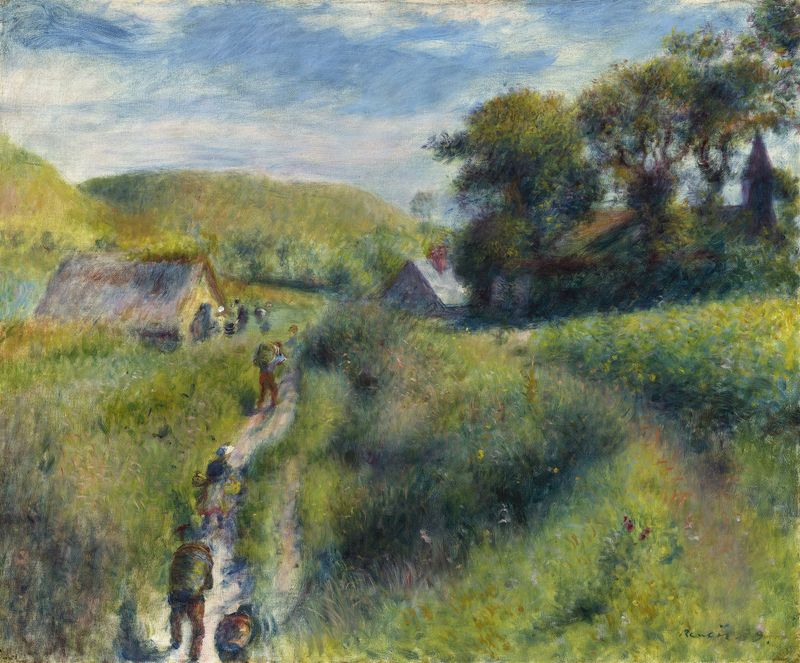
The Mussel Harvest
Pierre-Auguste Renoir

The Seine at Chatou
Pierre-Auguste Renoir
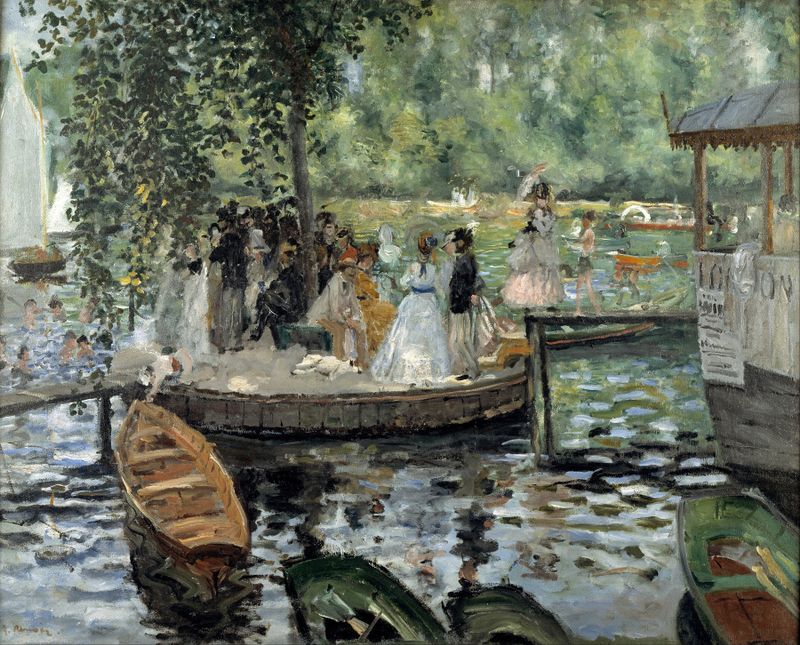
La Grenouillère
Pierre-Auguste Renoir
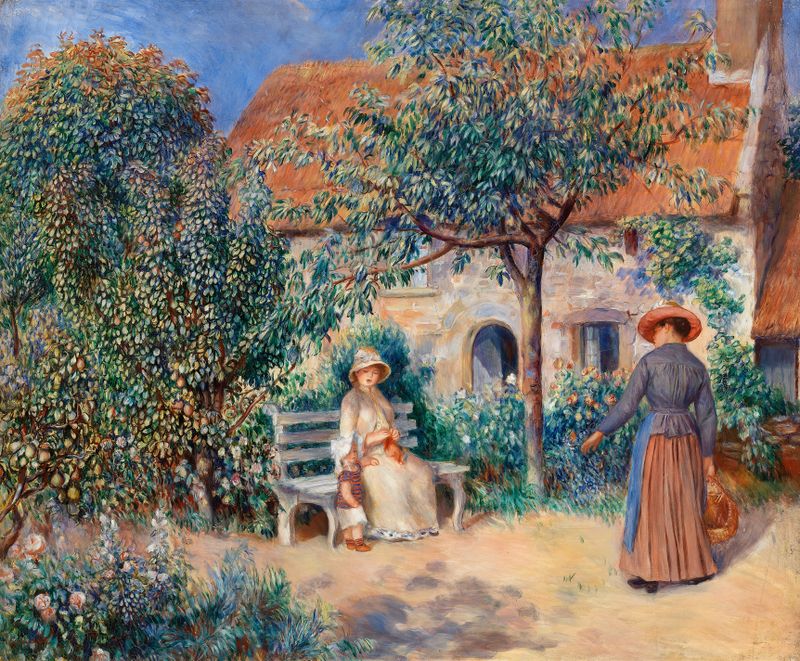
In Brittany (En Bretagne)
Pierre-Auguste Renoir
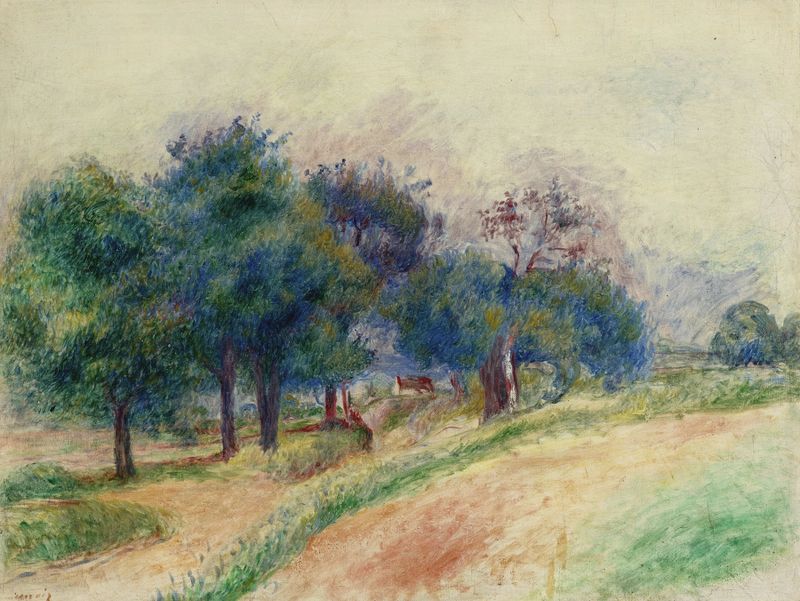
Paysage d’Essoyes
Pierre-Auguste Renoir





