
Landscape with Resting Cattle — History & Facts
Memory, ephemeral yet haunting, shapes our perception of splendor. Look to the center of the canvas, where the gentle curve of a verdant hill cradles a group of resting cattle, their tranquil forms illuminated by dappled sunlight. Notice how the artist skillfully layers shades of green, with soft, rich brushstrokes that evoke the lushness of the landscape. The play of light and shadow paints a serene atmosphere, inviting you to linger in this peaceful moment. Beneath the surface calm, there lies a deeper narrative.
The stillness of the cattle suggests a pause in nature, a moment of reflection amidst the relentless passage of time. The subtle contrast between the tender, organic forms of the animals and the expansive, almost infinite sky prompts contemplation of life’s fragility. Each blade of grass and shade of light serves as a reminder of the delicate balance between serenity and the inevitable march of memory. In 1767, the artist worked in England, where he sought to blend elements of realism with emotional depth.
During this period, the art world was shifting, embracing more naturalistic depictions in contrast to the grandeur of past styles. De Loutherbourg's approach to landscape painting marked a significant moment in art history, intertwining personal reflection with the beauty of the environment around him.
More Artworks by Philip James de Loutherbourg
Browse all →
Iron Works, Colebrook Dale
Philip James de Loutherbourg
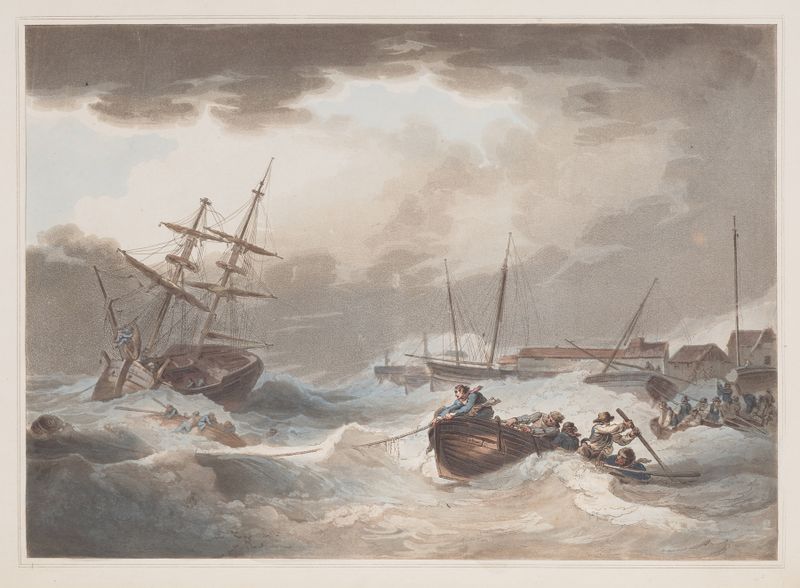
Storm off Margate
Philip James de Loutherbourg
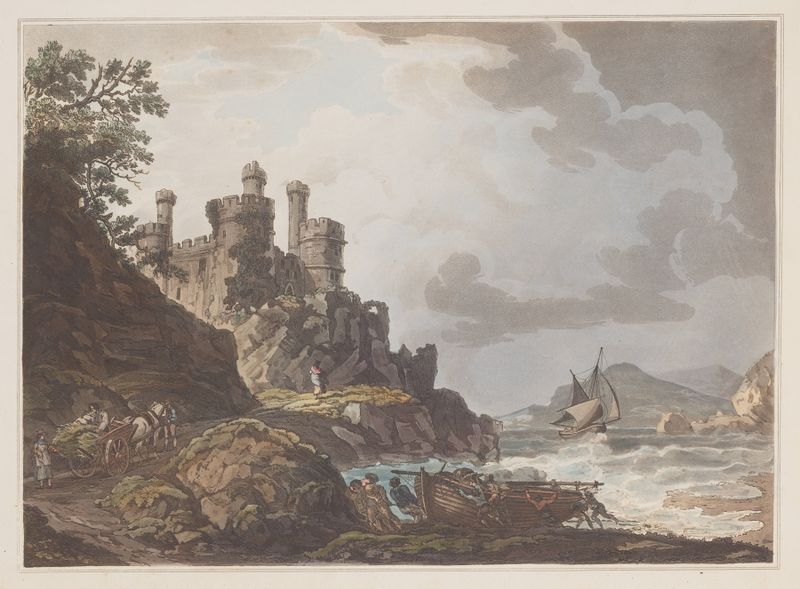
Conway Castle
Philip James de Loutherbourg
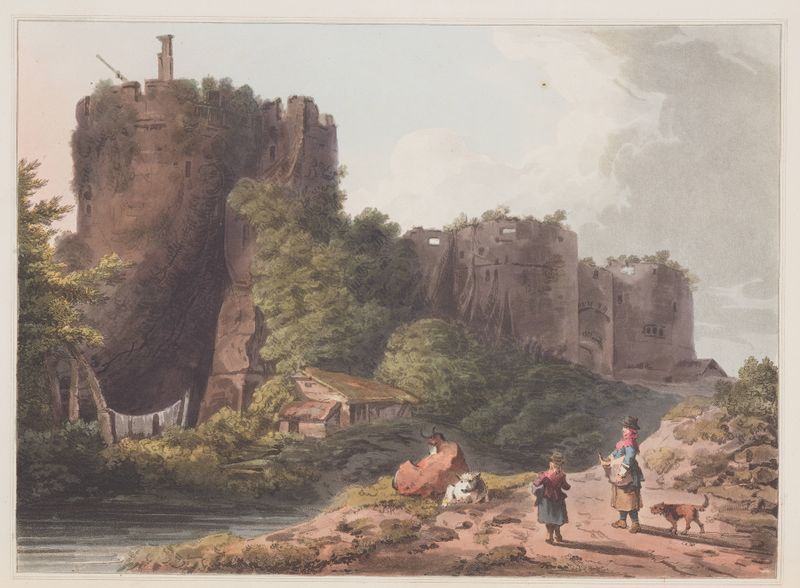
Chepstow Castle in Monmouthshire
Philip James de Loutherbourg
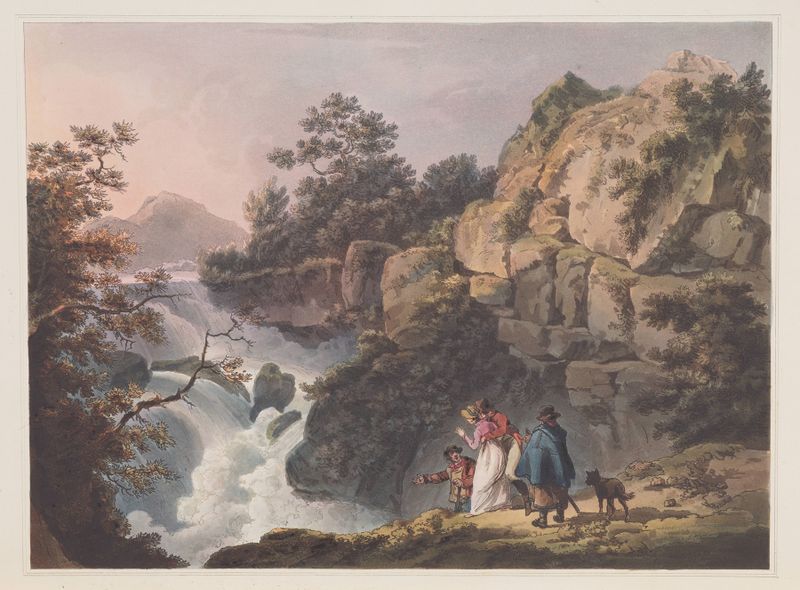
Cataract on the Llugwy
Philip James de Loutherbourg

Tintern Abbey
Philip James de Loutherbourg
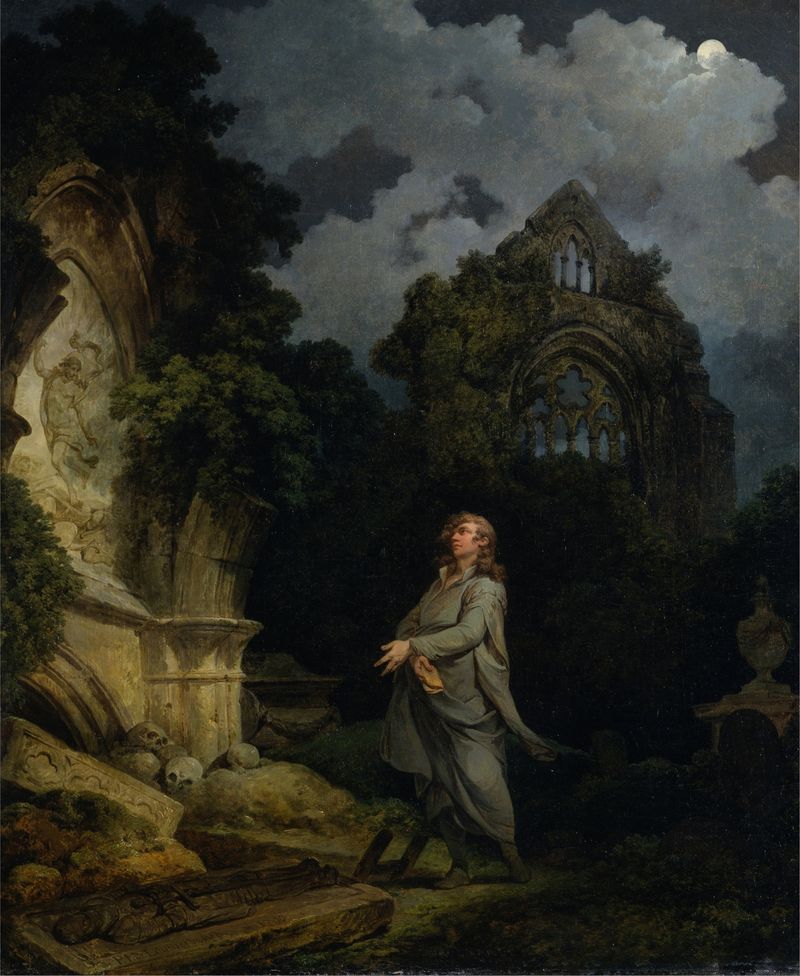
Visitor to a Moonlit Churchyard
Philip James de Loutherbourg

A Storm at the Entrance of a Mediterranean Port
Philip James de Loutherbourg
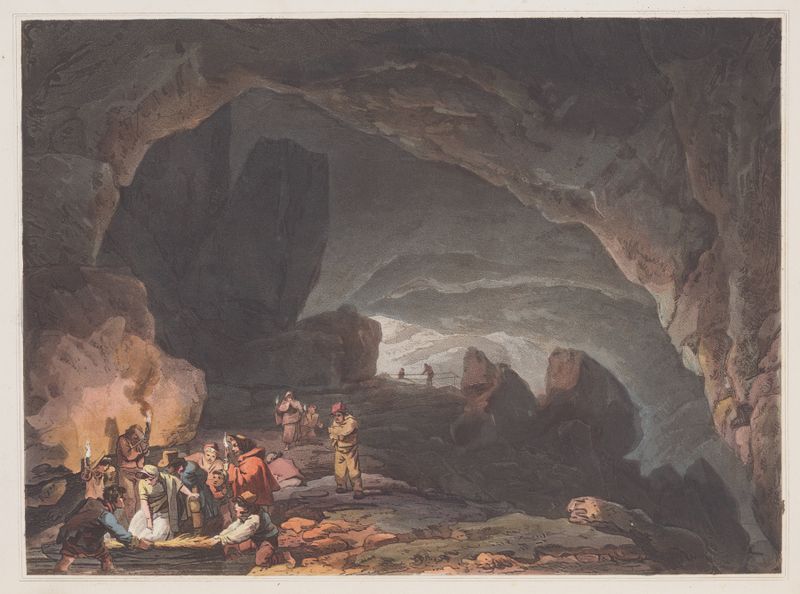
Peak’s Hole, Derbyshire
Philip James de Loutherbourg
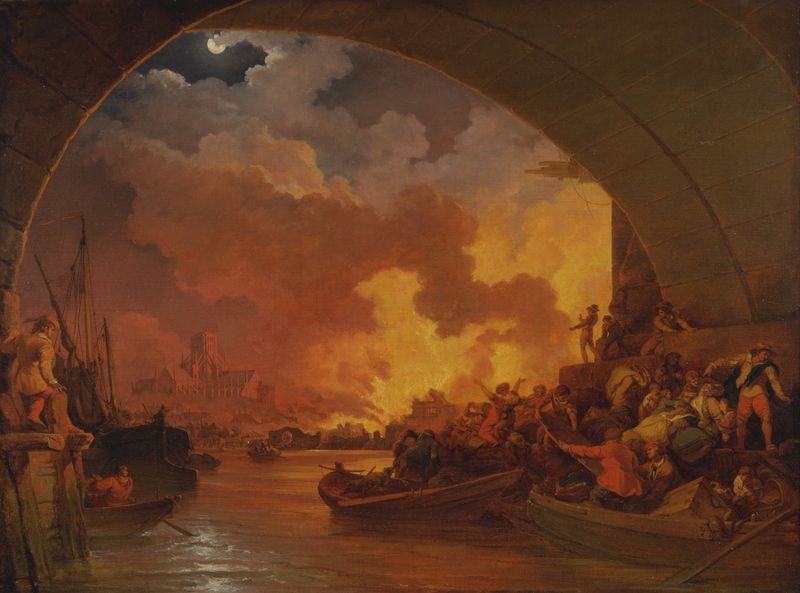
The Great Fire of London
Philip James de Loutherbourg





