
Landscape with Ruins — History & Facts
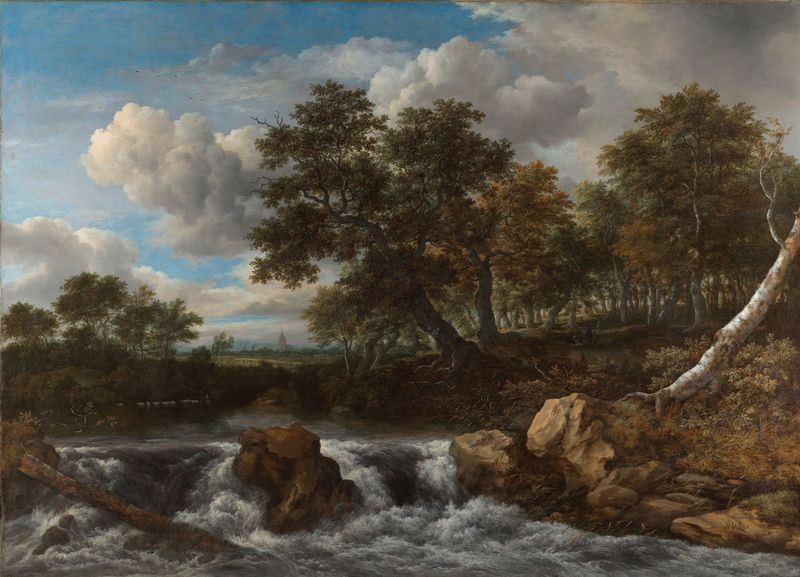
In the interplay of light and shadow, the depths of this landscape reveal unspoken histories and melancholic beauty. Look to the horizon, where a gentle glow filters through the clouds, illuminating the remnants of a once-magnificent structure. The crumbling ruins are bathed in soft, golden light, inviting the eye to explore their texture and decay. Notice how the artist has skillfully employed a palette of earthy greens and browns, contrasting the vibrancy of nature with the desolation of man-made remnants.
The composition draws the viewer in, leading them through a pathway of overgrown grass that hints at life reclaiming what was lost. Beyond the surface beauty, the painting captures the tension between nature and humanity, echoing the fragility of existence. The ruins stand as a testament to time, whispering stories of loss and resilience. Even the clouds seem to hold secrets, darkened masses suggesting impending storms while the light remains resolute in its persistence.
Every brushstroke carries a weight of history, and the delicate balance of solitude and serenity creates a profound emotional resonance. Jacob van Ruisdael painted this piece during the 17th century, a period marked by a blossoming of landscape painting in the Netherlands. This era saw artists seek deeper connections with the natural world, often reflecting the sociopolitical changes around them. Ruisdael, known for his evocative depictions of nature, was influenced by the Baroque movement and the burgeoning interest in capturing mood and atmosphere, making Landscape with Ruins a poignant representation of both his artistic vision and the complexity of the human experience.
More Artworks by Jacob van Ruisdael
Browse all →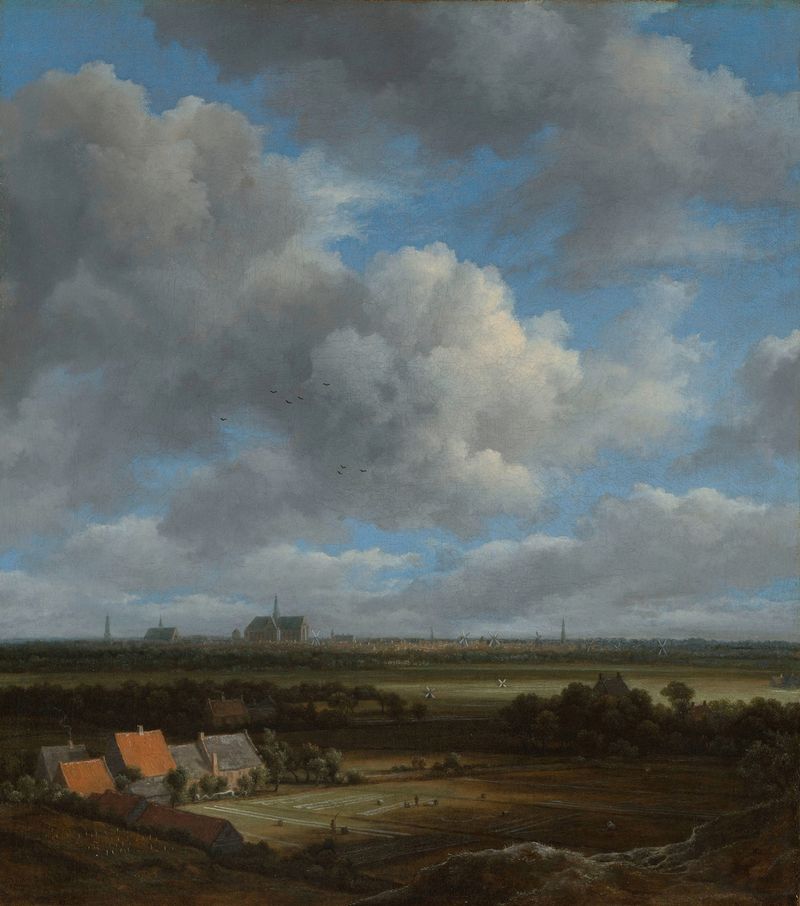
View of Haarlem from the Northwest, with the Bleaching Fields in the Foreground
Jacob van Ruisdael
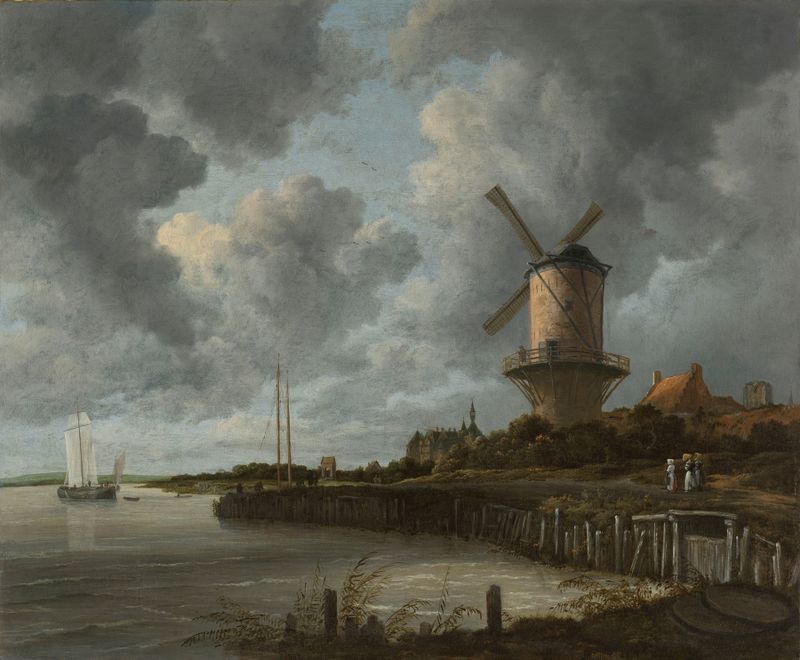
The Windmill at Wijk bij Duurstede
Jacob van Ruisdael
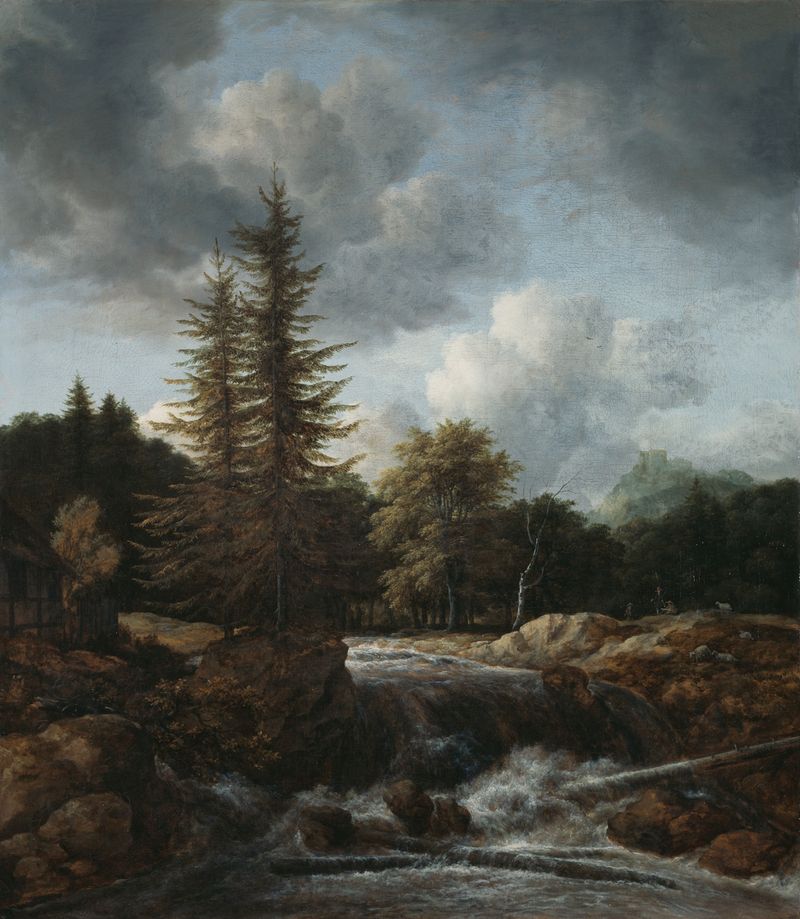
Landscape with Waterfall
Jacob van Ruisdael
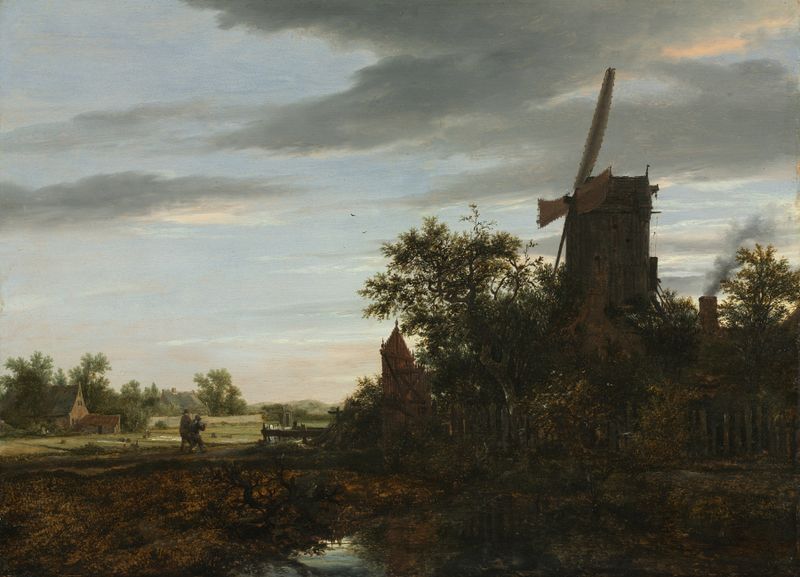
Landscape with a Windmill
Jacob van Ruisdael
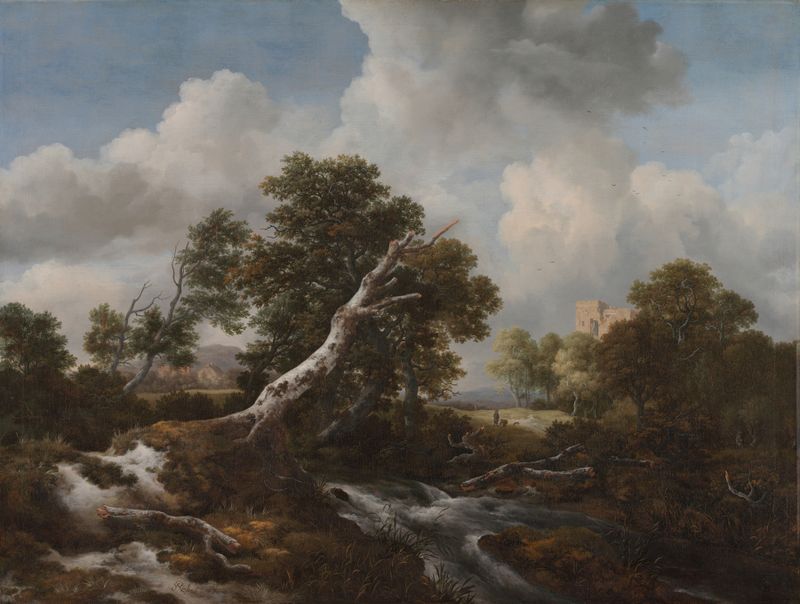
Low Waterfall in a Wooded Landscape with a Dead Beech Tree
Jacob van Ruisdael
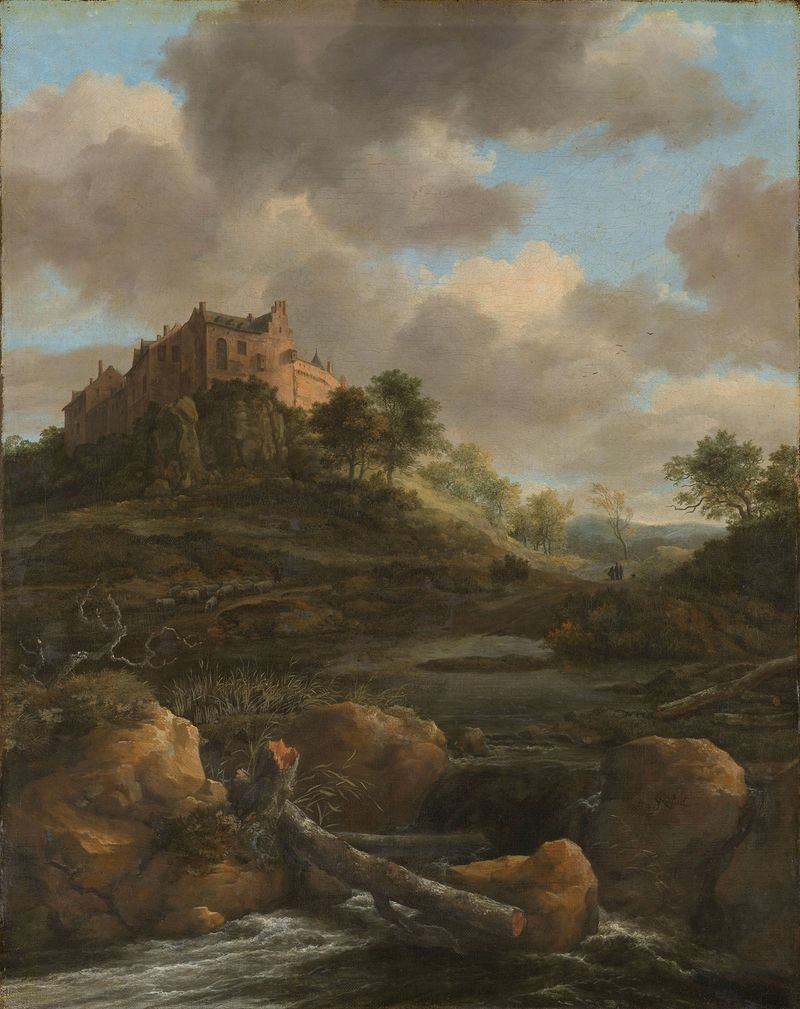
Bentheim Castle
Jacob van Ruisdael
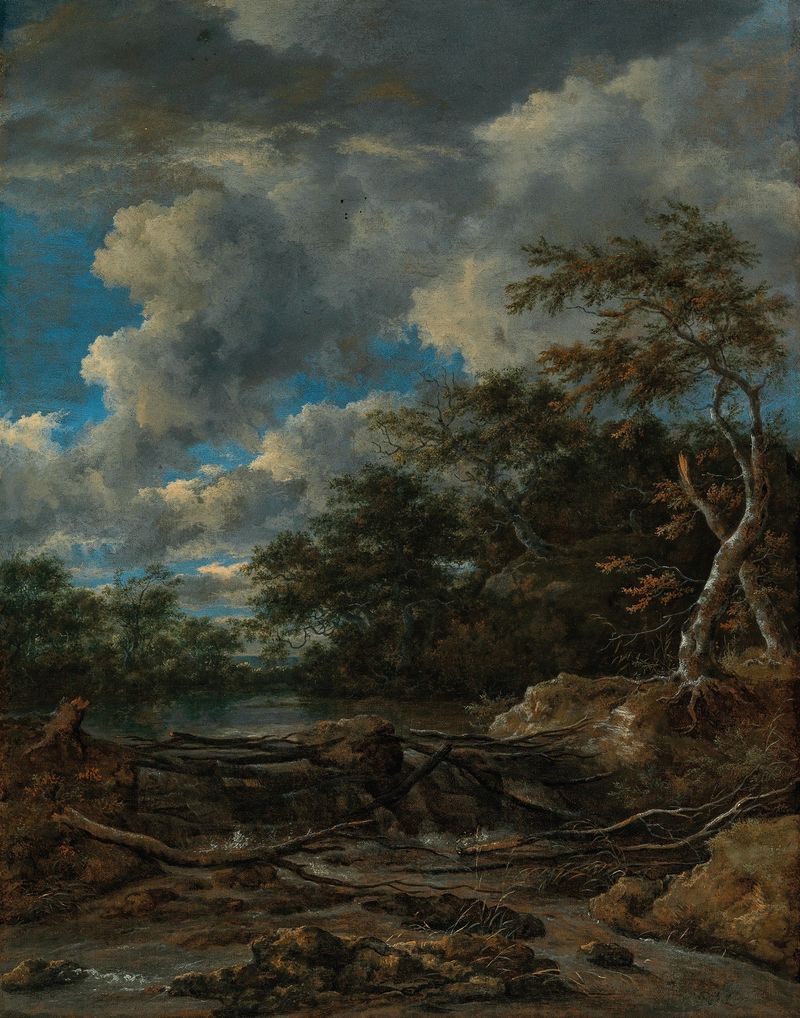
A wooded landscape with a waterfall
Jacob van Ruisdael
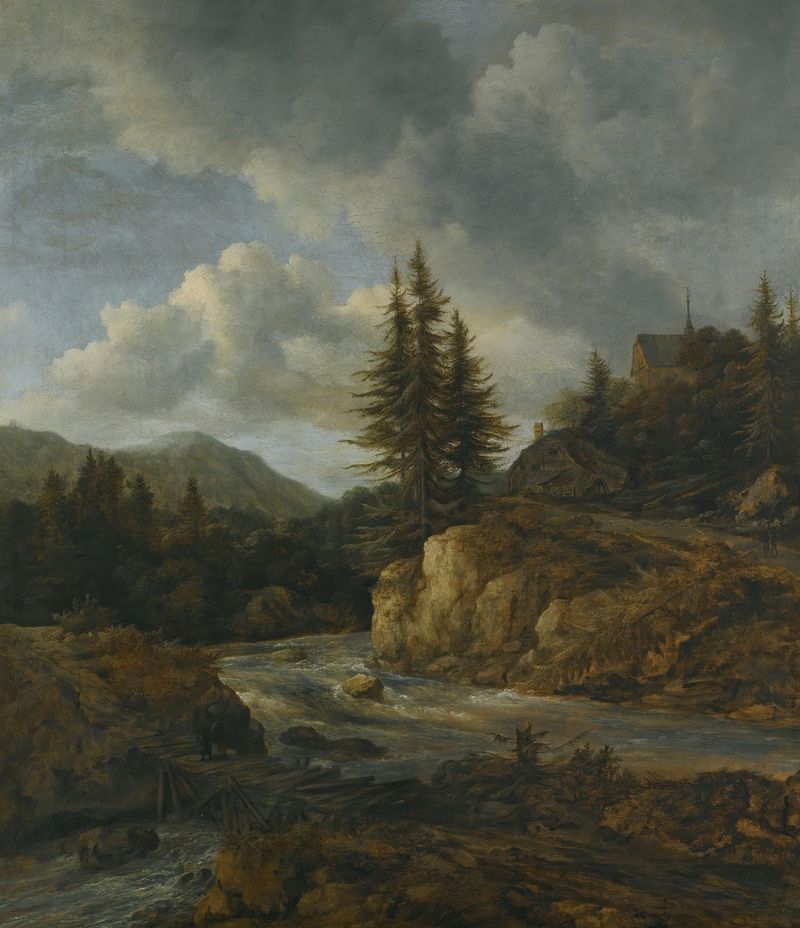
Northern Landscape With A Torrent
Jacob van Ruisdael

Landscape with the Ruins of the Castle of Egmond
Jacob van Ruisdael
Landscape with Waterfall
Jacob van Ruisdael





