Landscape with Sheep — History & Analysis
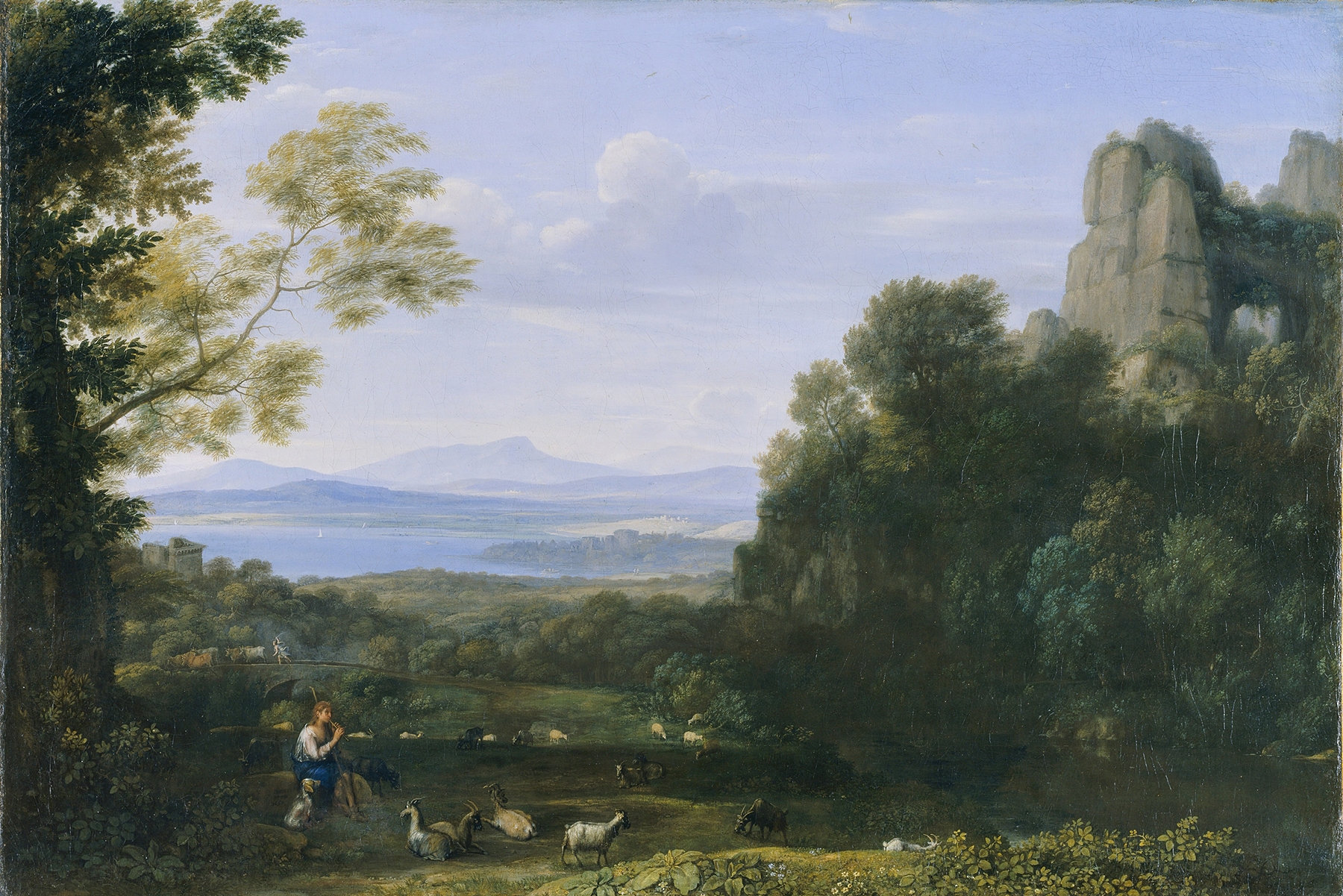
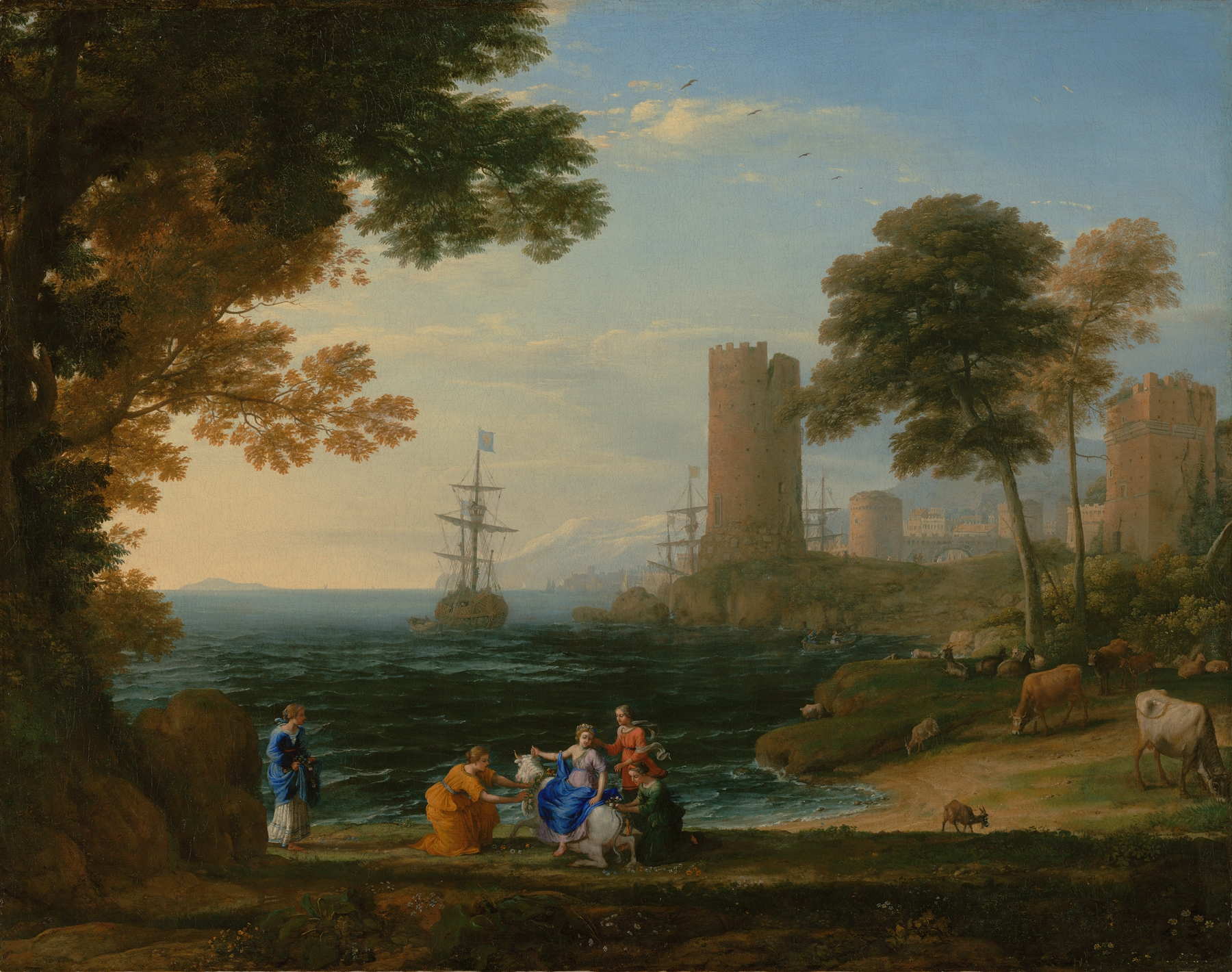
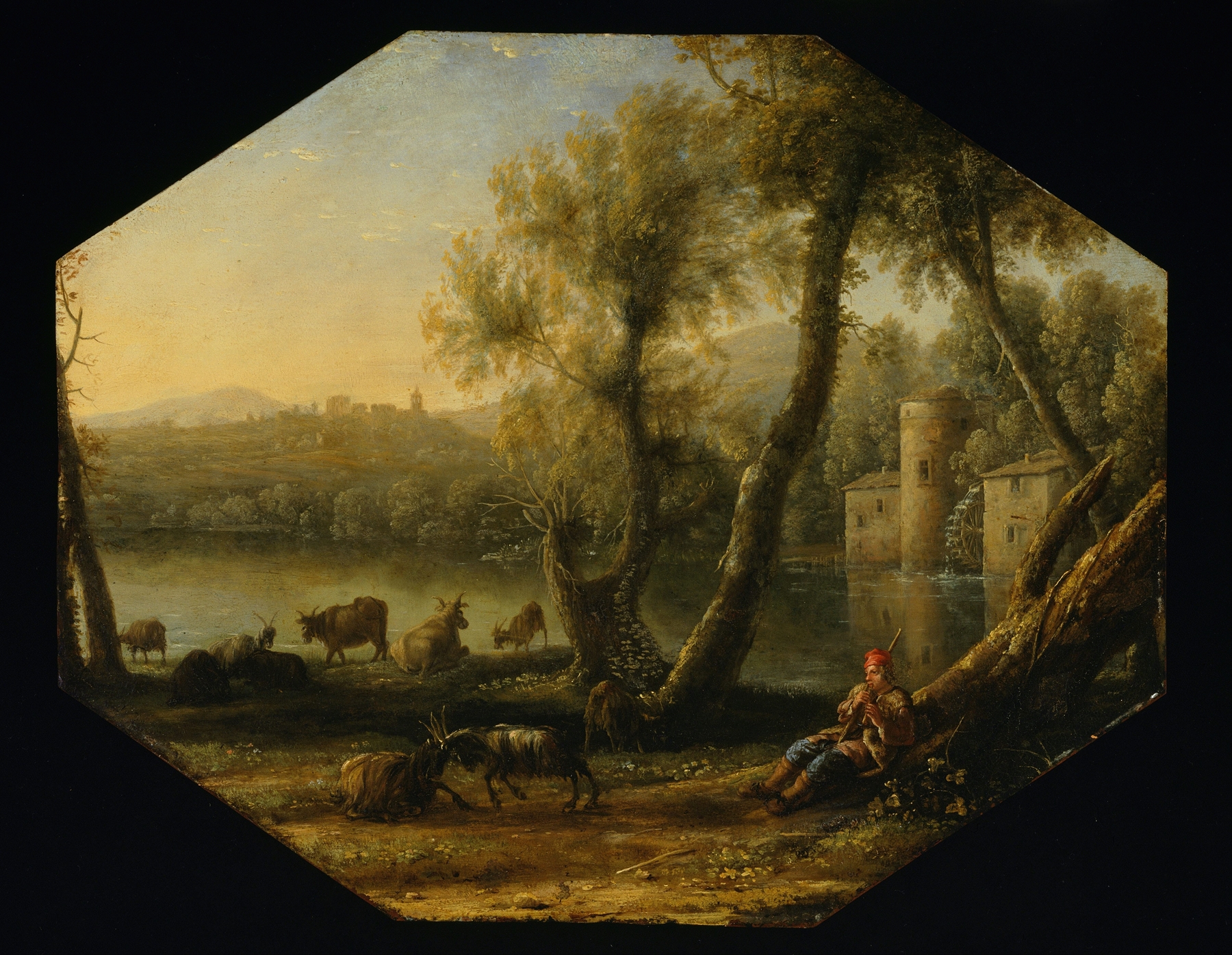
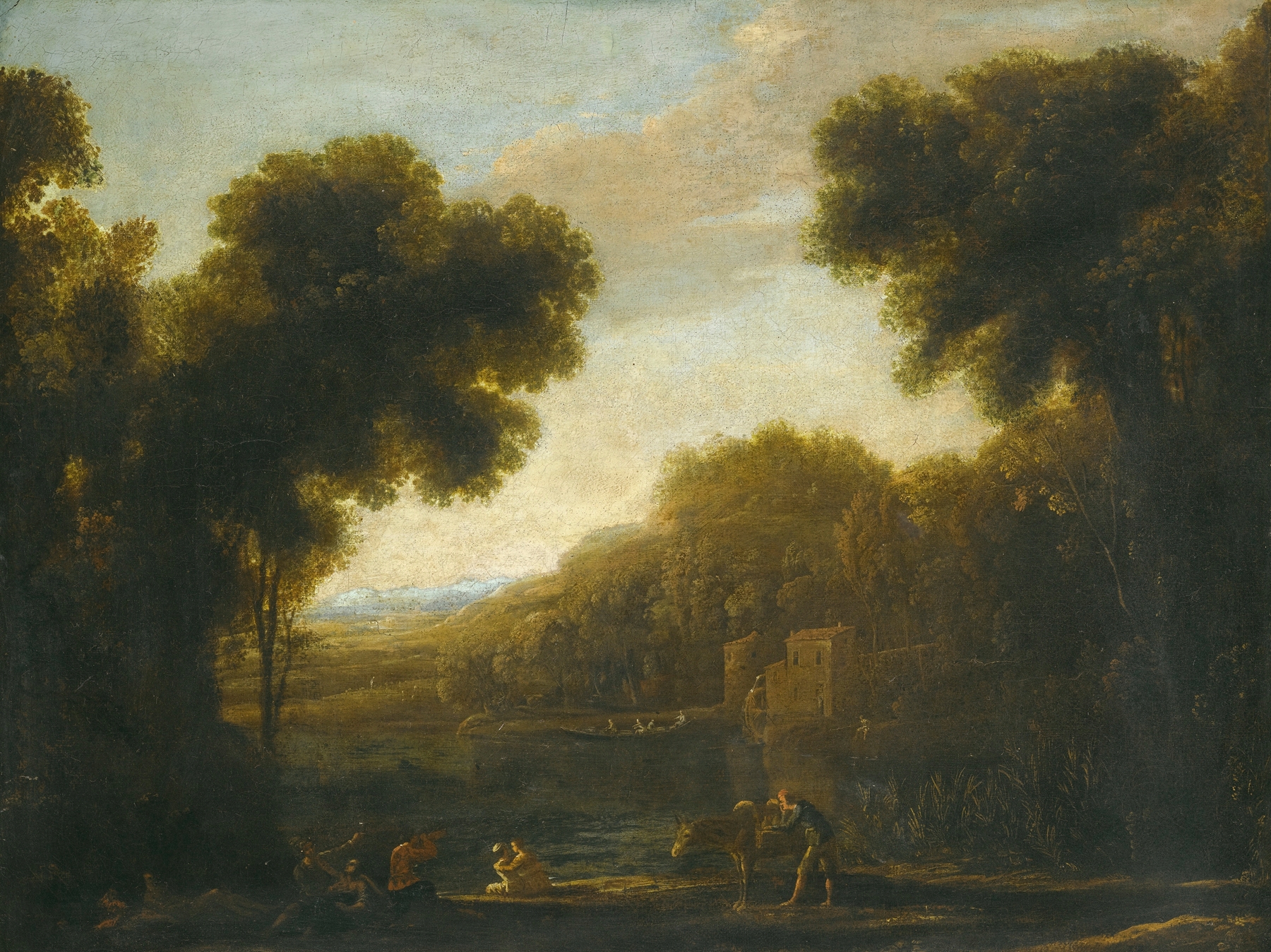
Can beauty exist without sorrow? In Landscape with Sheep, luminous hues dance across the canvas, inviting contemplation on the interplay between joy and melancholy. Look closely at the lower right, where sheep graze peacefully against a backdrop of rolling hills. Their soft white forms contrast against the rich greens and browns of the landscape, drawing the eye into this serene pastoral scene.
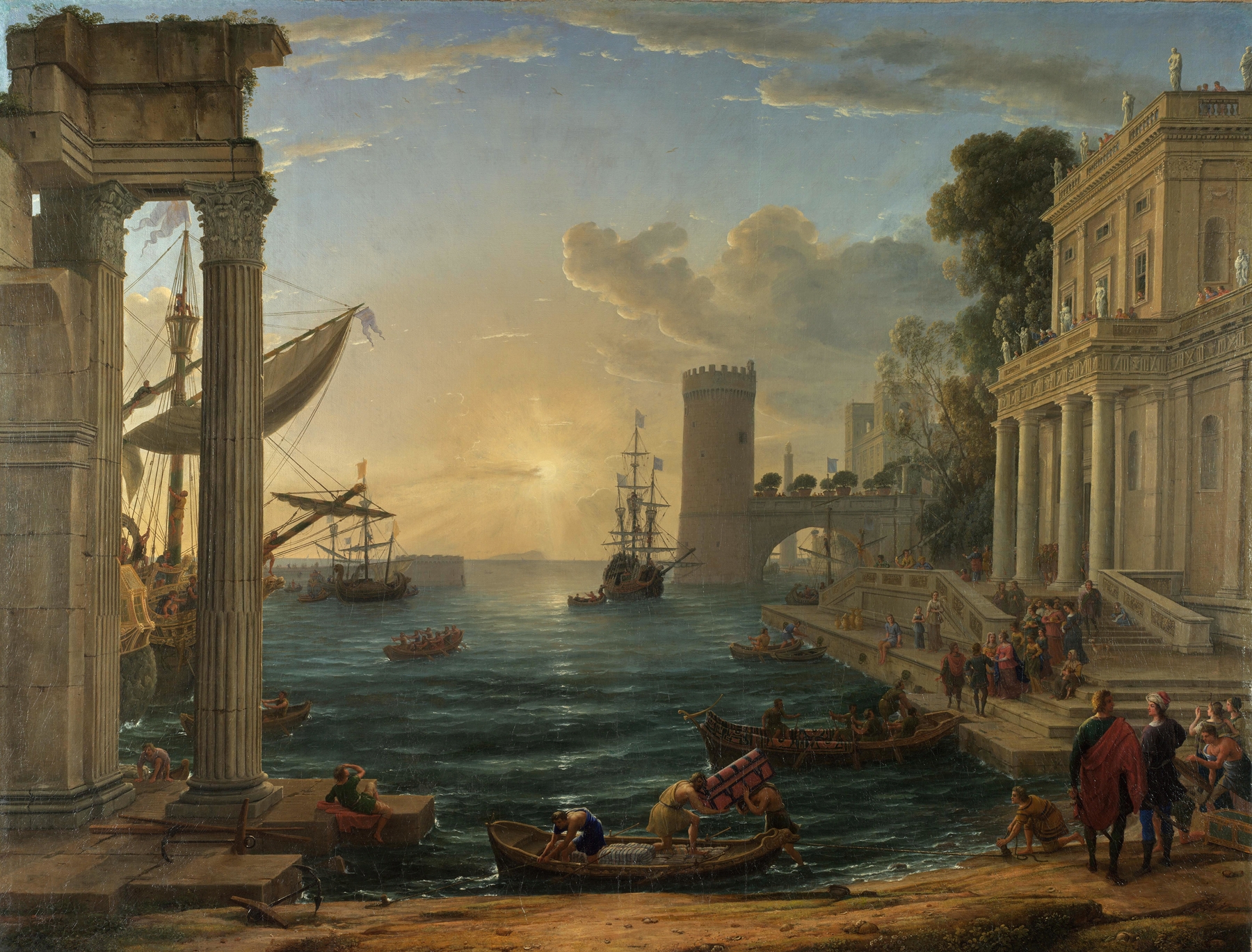
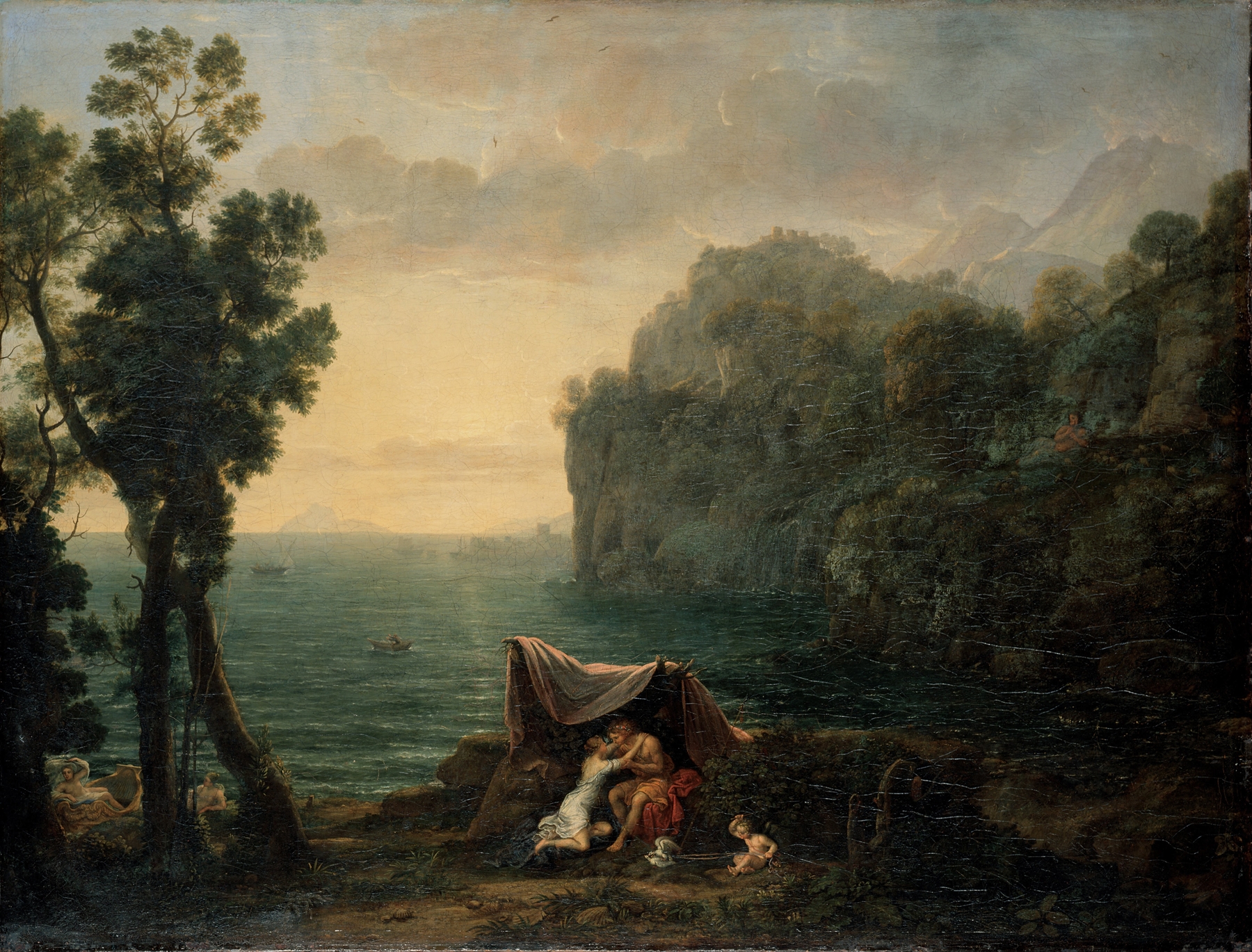
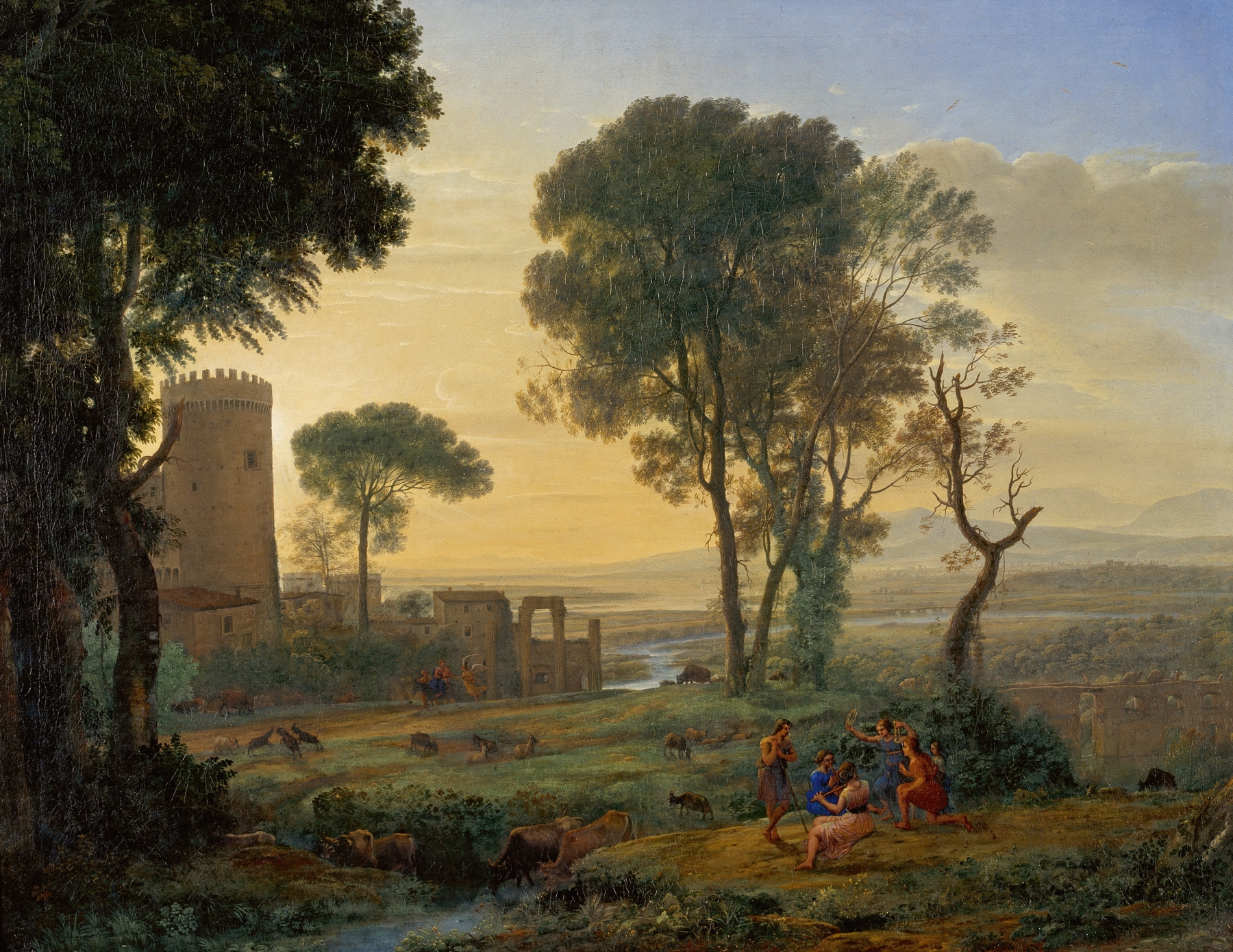
Notice how the warm light of the setting sun bathes the entire composition, creating a golden glow that evokes warmth and tranquility, while also hinting at the fleeting nature of such moments. As you explore further, consider the delicate balance between the idyllic life depicted and the subtle tension inherent in its beauty. The expansive sky, painted in soft blues and oranges, suggests a transition—a closing chapter to the day—while the quiet presence of the sheep evokes a sense of simplicity that belies the complexity of existence. Each brushstroke reveals not just a scene, but a deeper reflection on the fleeting joys and inevitable sorrows of life.
In 1648, during the height of the Baroque period, the artist was deeply immersed in the exploration of light and landscape. Working in Rome, Lorrain was influenced by the picturesque qualities of the Italian countryside and the cultural shifts occurring around him. His pieces often served as both a personal expression and a commentary on the world, capturing the essence of nature’s beauty while acknowledging the shadows that linger just beyond the horizon.