
Landscape with Wheelbarrow — History & Facts
The fragility of existence is laid bare in a landscape that breathes life, yet whispers of impermanence. Look to the left at the vibrant strokes of green that create an undulating field, where the wheelbarrow, painted in earthy tones, stands as a testament to labor and the transient nature of rural life. Notice how the light dances across the canvas, illuminating the scene with a warm glow, while shadows weave through the grass, hinting at both the passage of time and the weight of forgotten toil. The composition draws your eye into the depths of the landscape, inviting contemplation of the simple yet profound rhythms of daily existence. As your gaze wanders, subtle contrasts emerge — the lively texture of the field juxtaposed with the stillness of the wheelbarrow.
Each brushstroke suggests the fragility of nature, as if the land itself is both sustaining and slipping away. The muted palette evokes a bittersweet nostalgia, hinting at the inevitable decline of rural life in the face of modernity. What appears as a mere landscape unfolds into a narrative of resilience, vulnerability, and the fleeting moments that define our connection to the earth. In 1883, amid personal struggles and a search for artistic identity, Van Gogh created this work while living in the Netherlands.
This period was marked by his exploration of color and form as he sought to capture the essence of the world around him. Engaged in a dialogue with the Impressionists, he embraced a style that conveyed raw emotion and the beauty of everyday life, highlighting his evolving vision as an artist.
More Artworks by Vincent van Gogh
Browse all →
Starry Night
Vincent van Gogh

The Bedroom
Vincent van Gogh
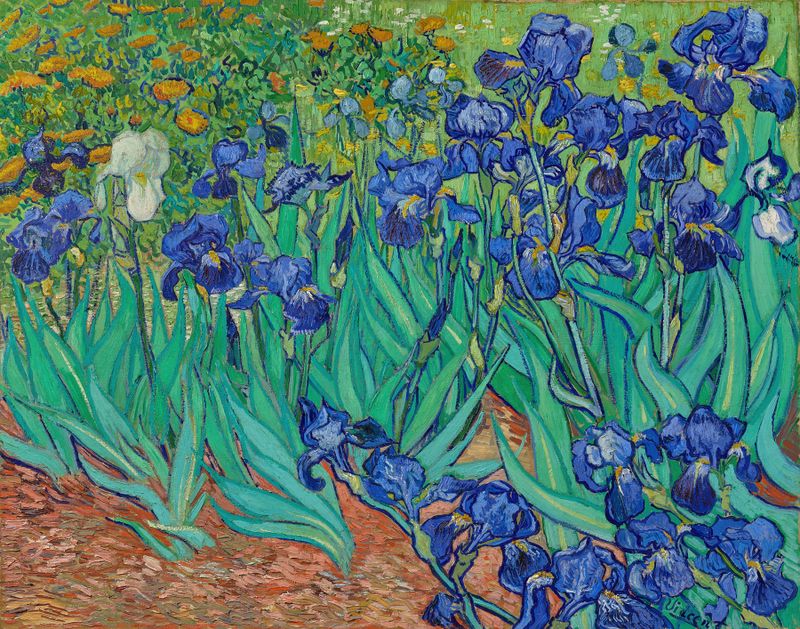
Irises
Vincent van Gogh
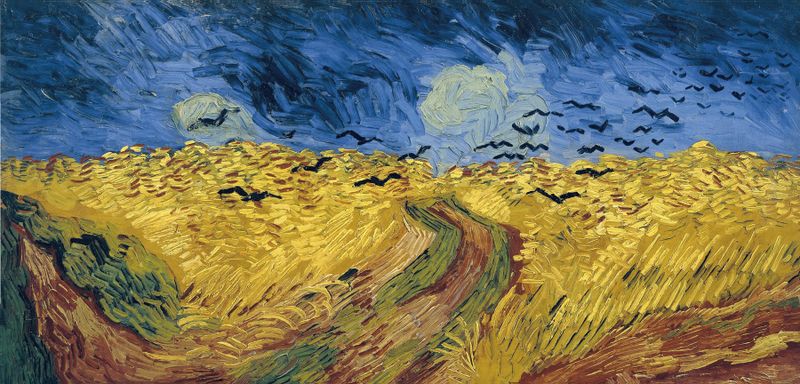
Wheatfield with Crows
Vincent van Gogh
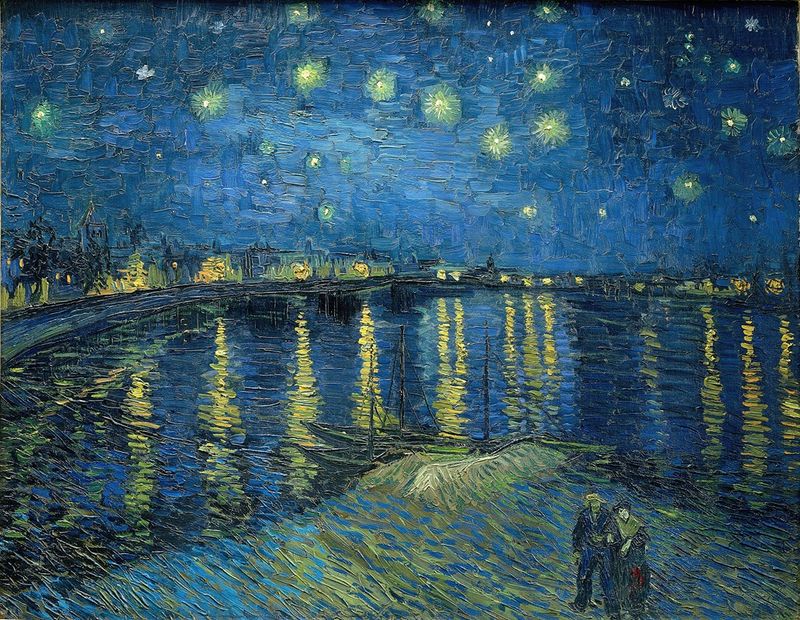
Starry Night over the Rhone
Vincent van Gogh

The yellow house
Vincent van Gogh
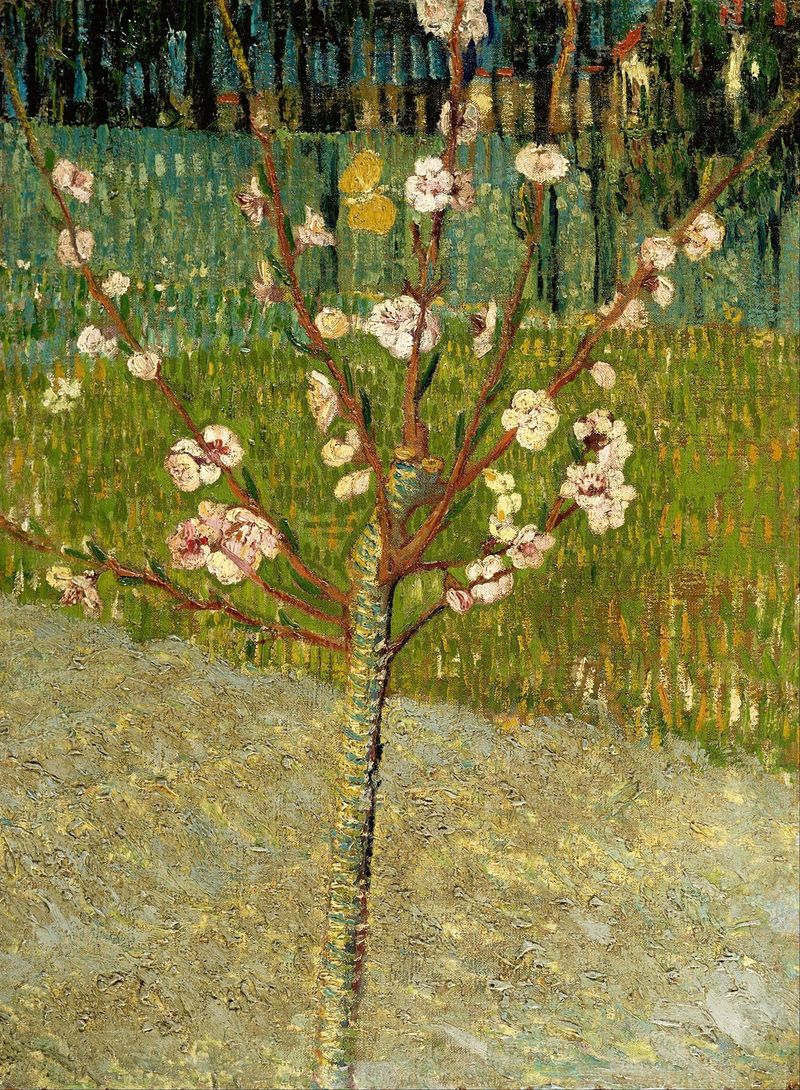
Almond tree in blossom
Vincent van Gogh

Portrait of Dr Gachet
Vincent van Gogh

The Church in Auvers-sur-Oise, View from the Chevet
Vincent van Gogh

Self-Portrait
Vincent van Gogh





