
Landschaft B. L. — History & Facts
In Landschaft B. L., Paul Klee uses vibrant colors and abstract shapes to depict a landscape. The painting features a harmonious blend of greens, blues, and yellows, creating a dreamlike atmosphere.
There are no distinct figures, but rather a suggestion of hills and fields. The composition invites viewers to explore the interplay of color and form. The painting is characterized by Klee's signature use of line and color, which creates a sense of movement and depth. Viewers can observe the layering of colors, which adds texture to the work.
The brushstrokes are expressive, contributing to the overall dynamism of the piece. This technique is typical of Klee's modernist style, emphasizing abstraction over realism. Paul Klee was a key figure in the development of modern art, known for his unique approach to color and form. Landschaft B.
L. reflects his interest in the emotional power of landscapes. An interesting fact about this work is that it was created during a period when Klee was experimenting with abstraction, moving away from traditional representation. This painting exemplifies his innovative spirit and artistic exploration.
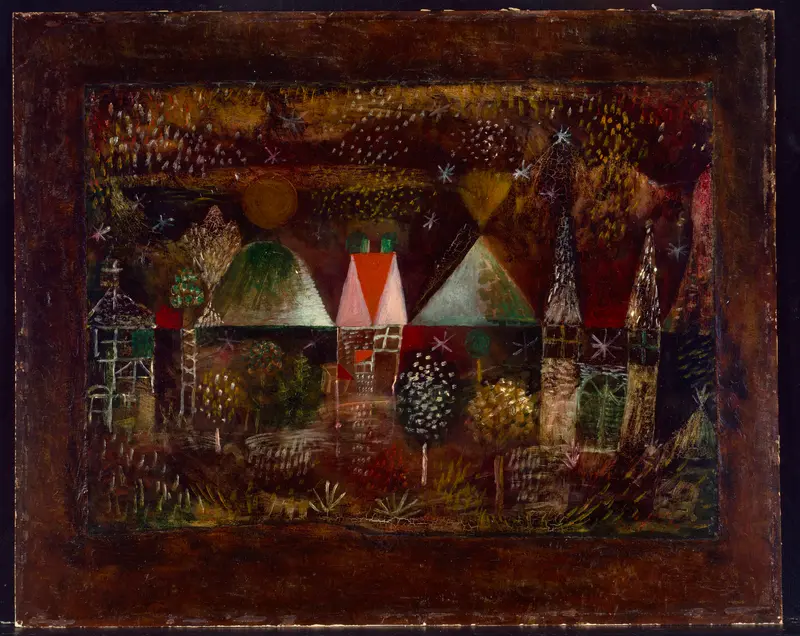
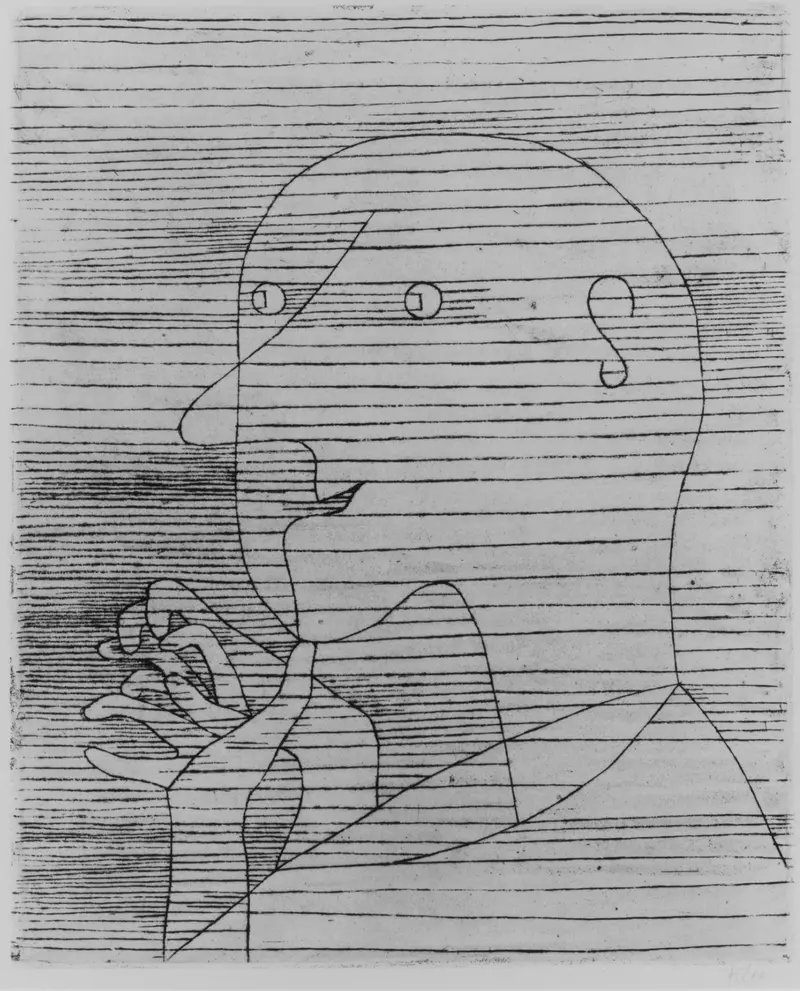
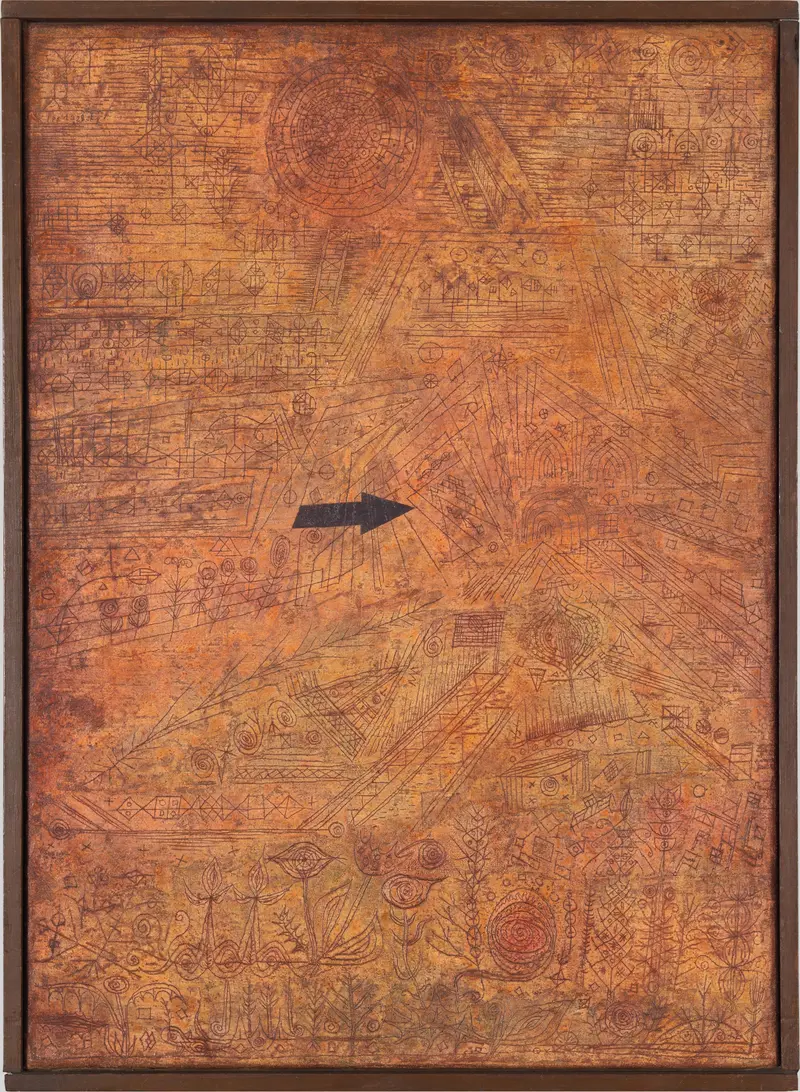
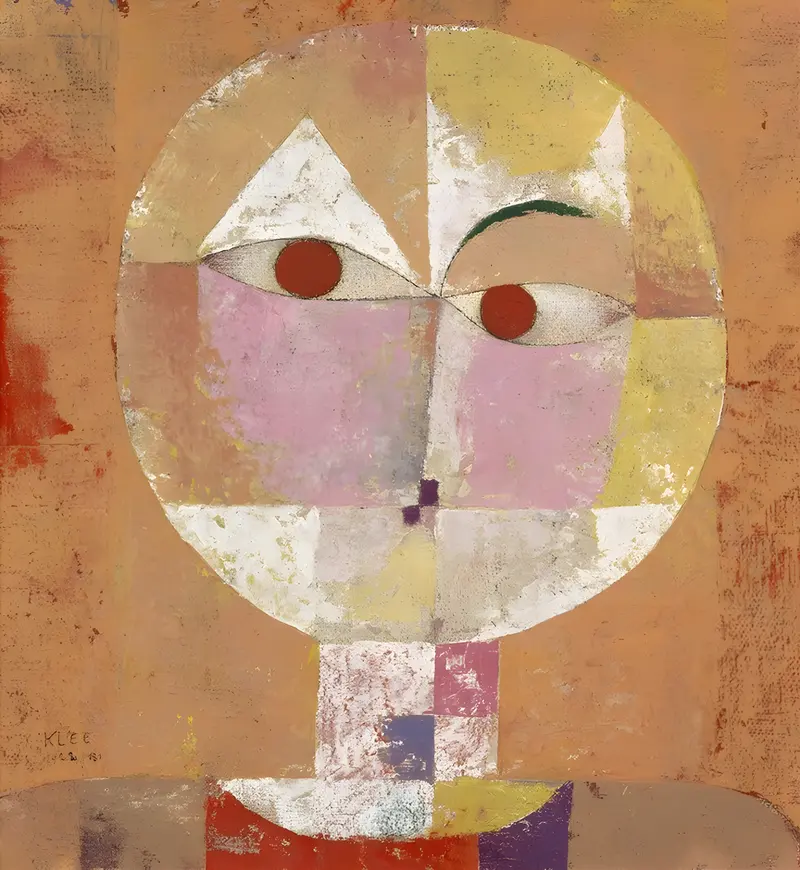
More Artworks by Paul Klee

More Landscape Art

The Starry Night
Vincent van Gogh

View of Delft
Johannes Vermeer

Water Lilies
Claude Monet

The Grand Canal, Venice, looking north-west from the Ca' Corner to the Ca' Contarini degli Scrigni, with the campanile of Santa Maria della Carità
Canaletto

Windsor Castle
Canaletto

The Grand Canal looking North-East from the Palazzo Dolfin-Manin to the Rialto Bridge
Canaletto