Landschaft mit Haus und Staffage — History & Analysis
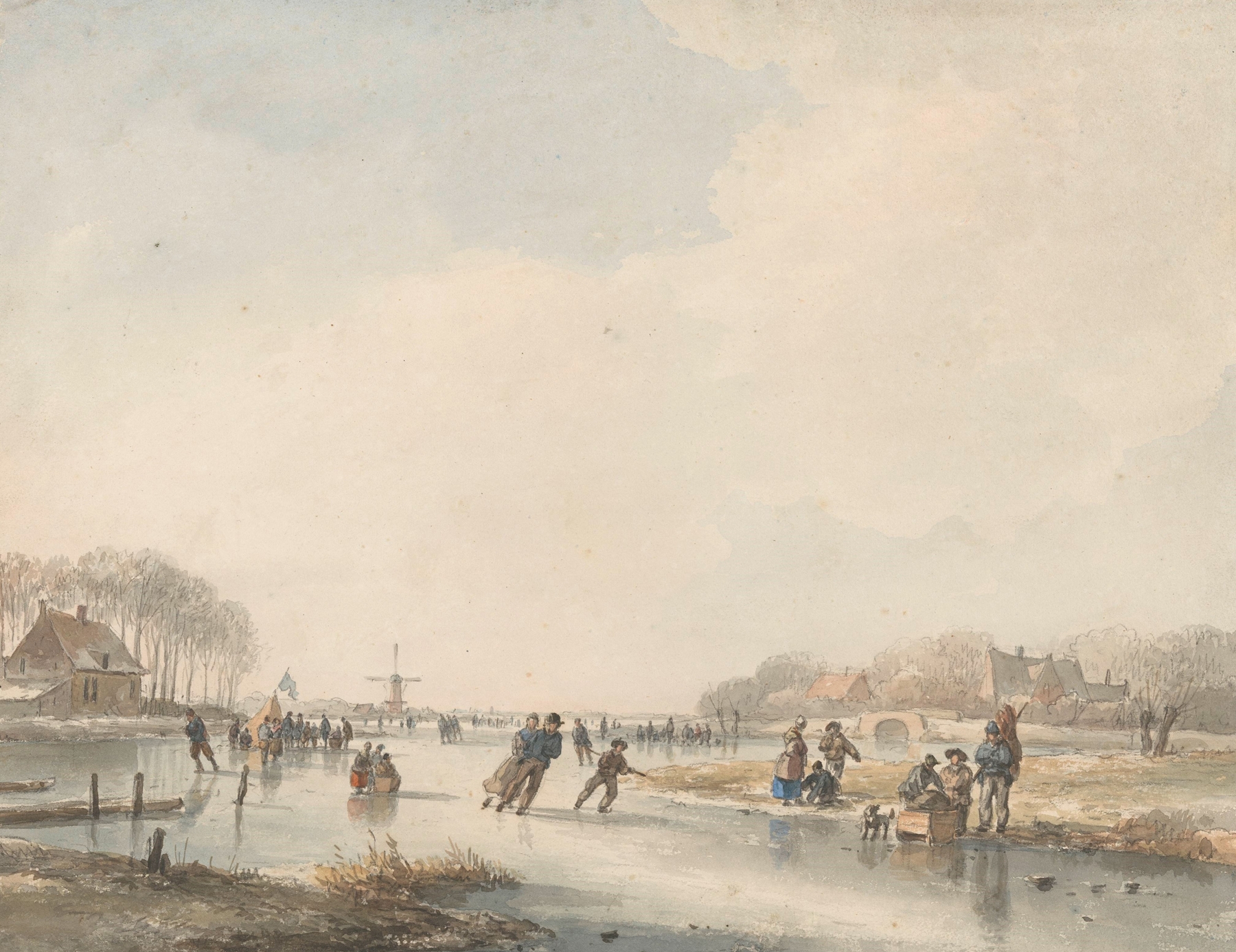
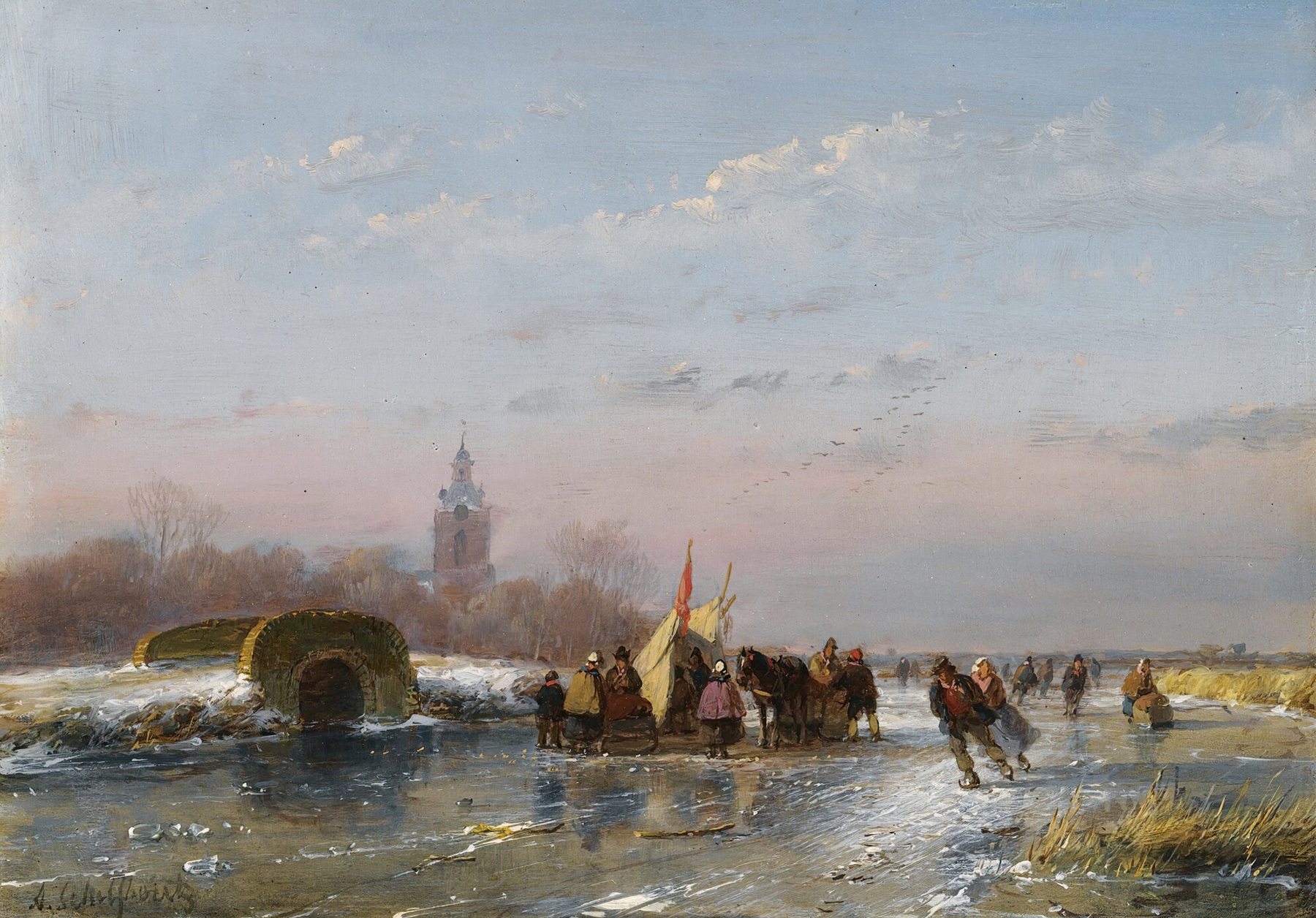
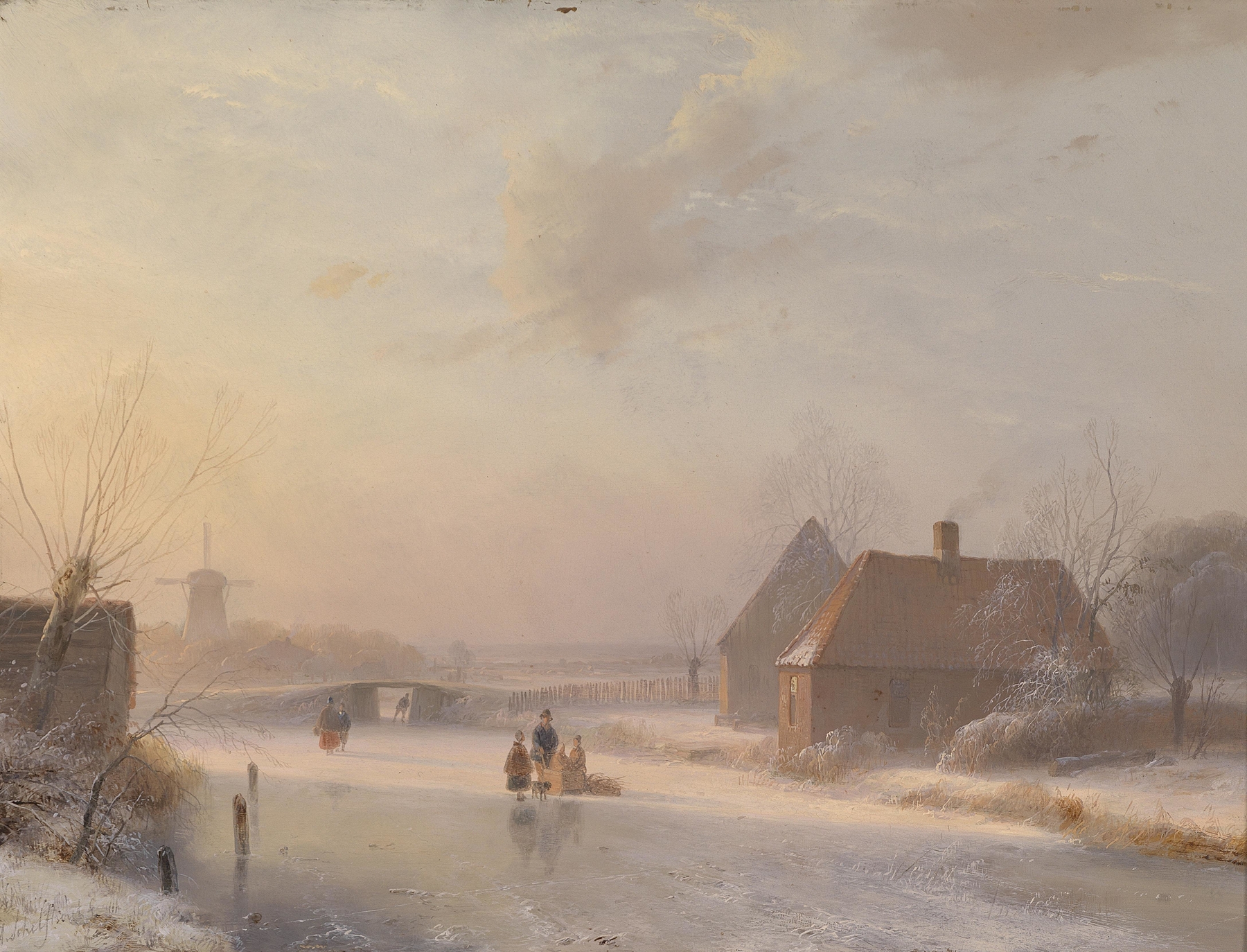
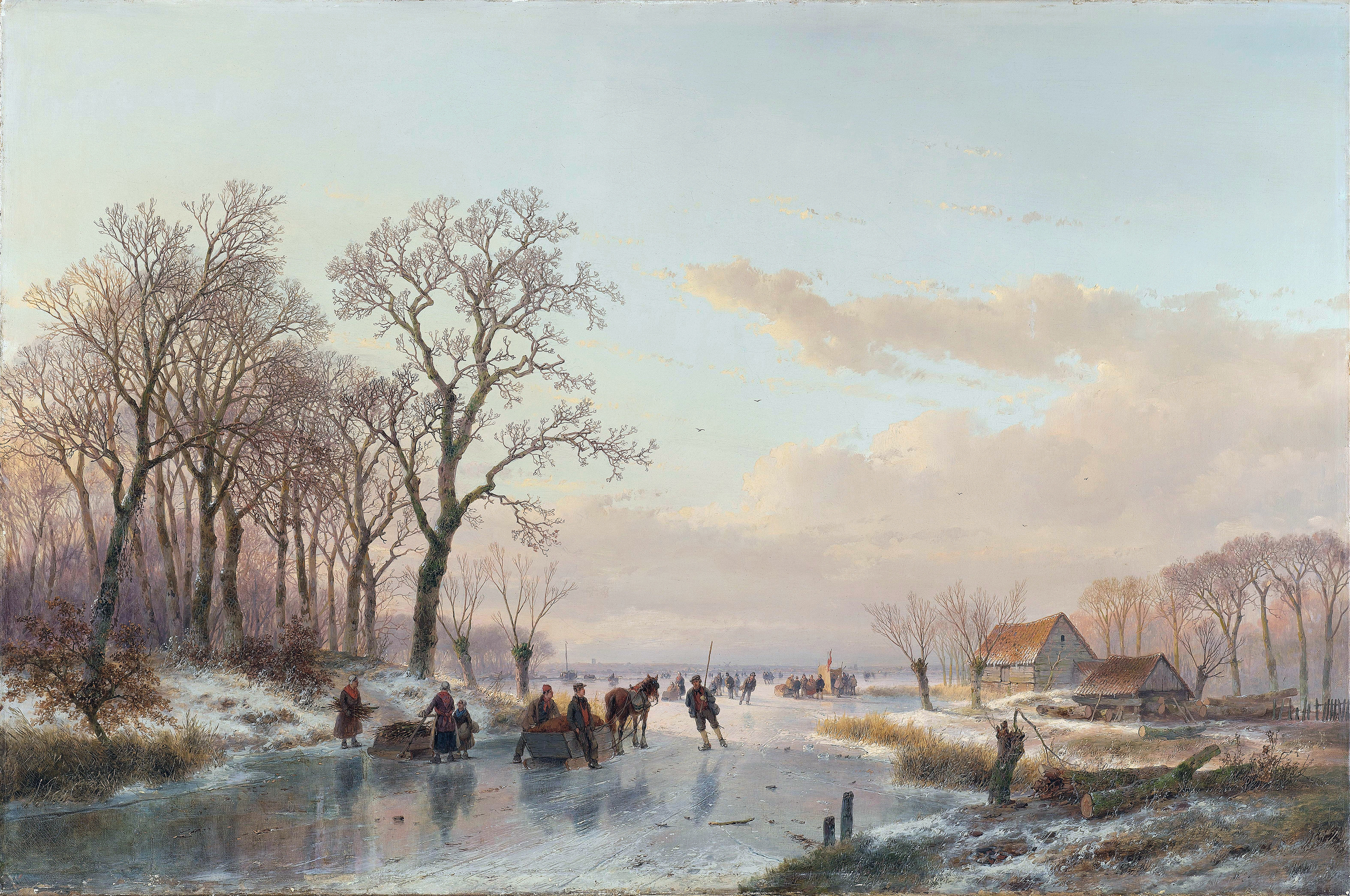
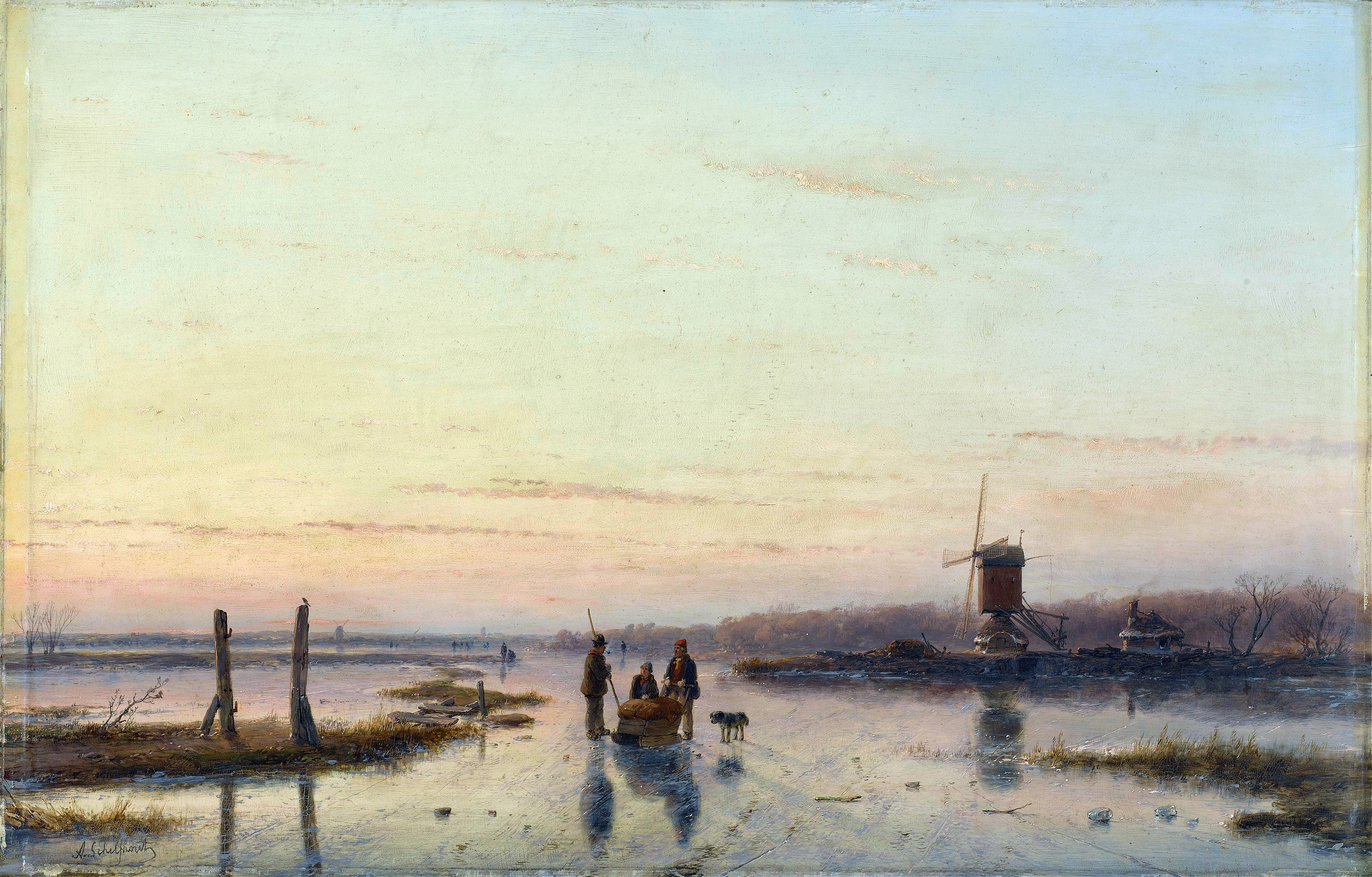
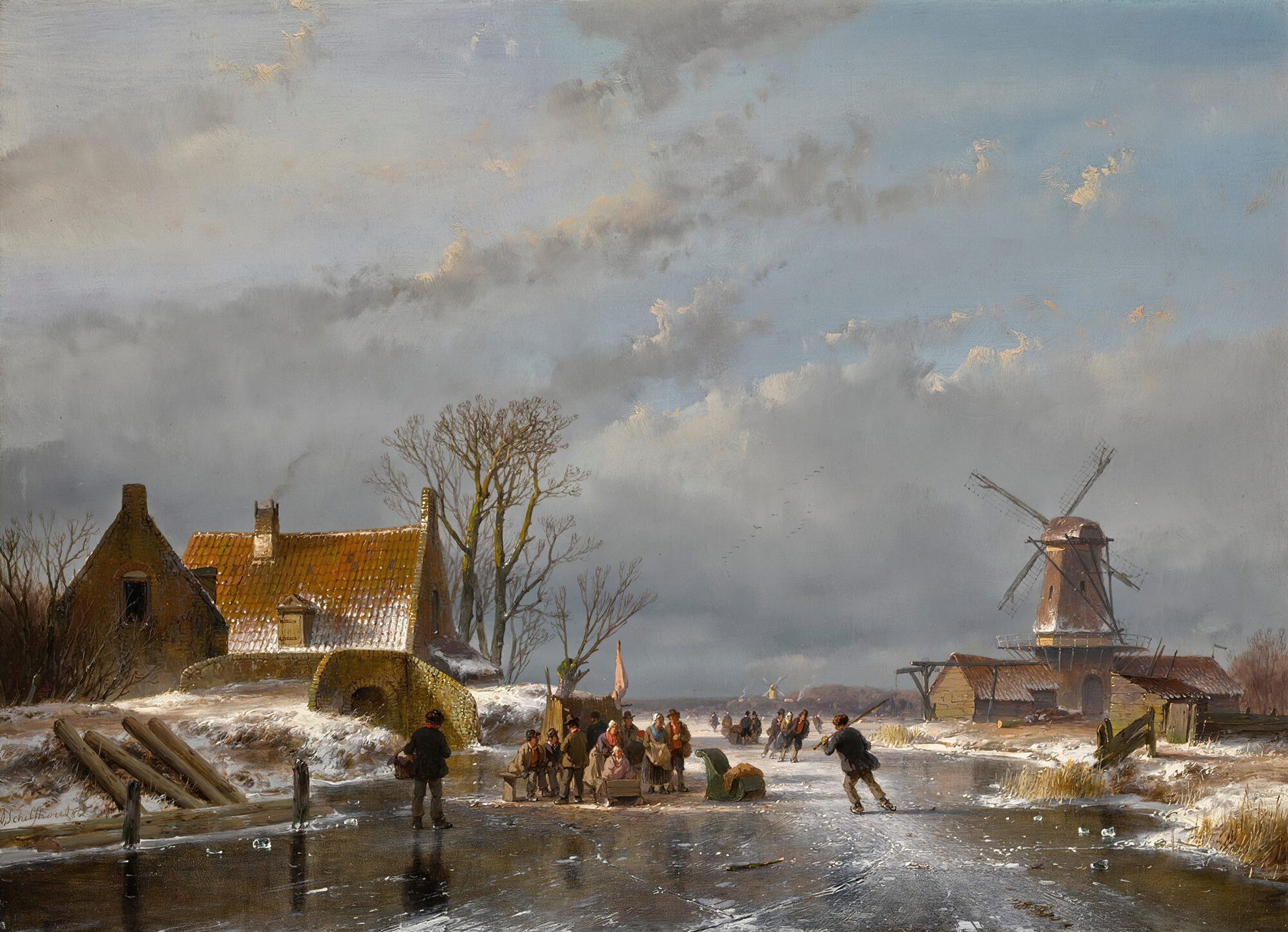
“Art reveals the soul when the world turns away.” It is in these quiet moments that truth finds its canvas, and the heart whispers secrets to those who pause to listen. Look to the foreground, where a modest house nestles among the rolling hills, its warm ochre tones contrasting against the verdant greens and muted blues of the landscape. The gentle curves of the land guide the eye across the composition, leading toward the distant horizon where a soft glow suggests a setting sun. Notice how Schelfhout employs light not merely as illumination, but as a storyteller; it dances over the house’s façade, weaving shadows that hint at both comfort and solitude, inviting contemplation about the lives once lived within.
As you explore further, the interplay of nature and humanity unfolds layers of meaning. The house stands as a testament to resilience amid the vastness of the natural world, a symbol of both isolation and connection. The scattered figures—staffage—infuse movement into the serene environment, yet their placement feels deliberate, as if to remind us of the fleeting nature of existence. This contrast between the enduring architecture and the ephemeral presence of life serves as a poignant reflection on our place within the world.
In 1833, Schelfhout painted this work during a period marked by great upheaval and transformation in Europe. Living in The Hague, he found himself immersed in a burgeoning art scene that embraced Romanticism and landscape painting as a means to explore the complexities of human experience and emotion. The tranquility of his landscapes, including this piece, emerged as a counterpoint to the tumultuous realities of life, offering viewers not just a glimpse of nature, but a sanctuary for introspection and truth.