Latona — History & Facts
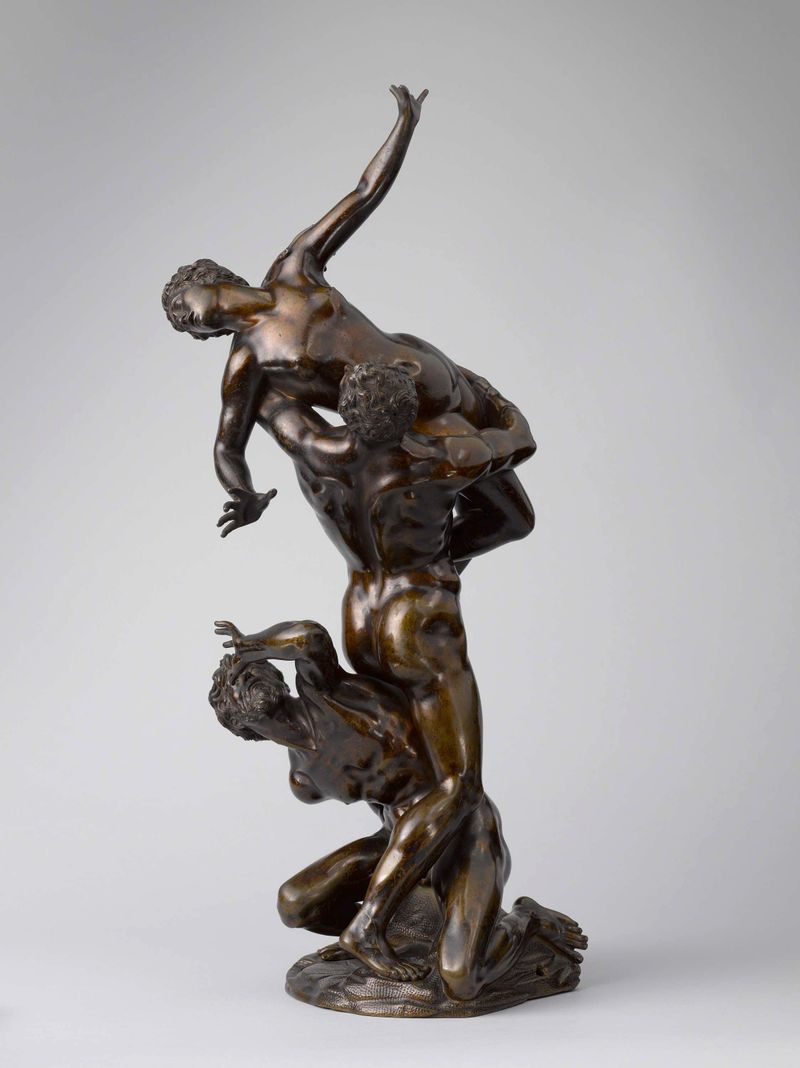
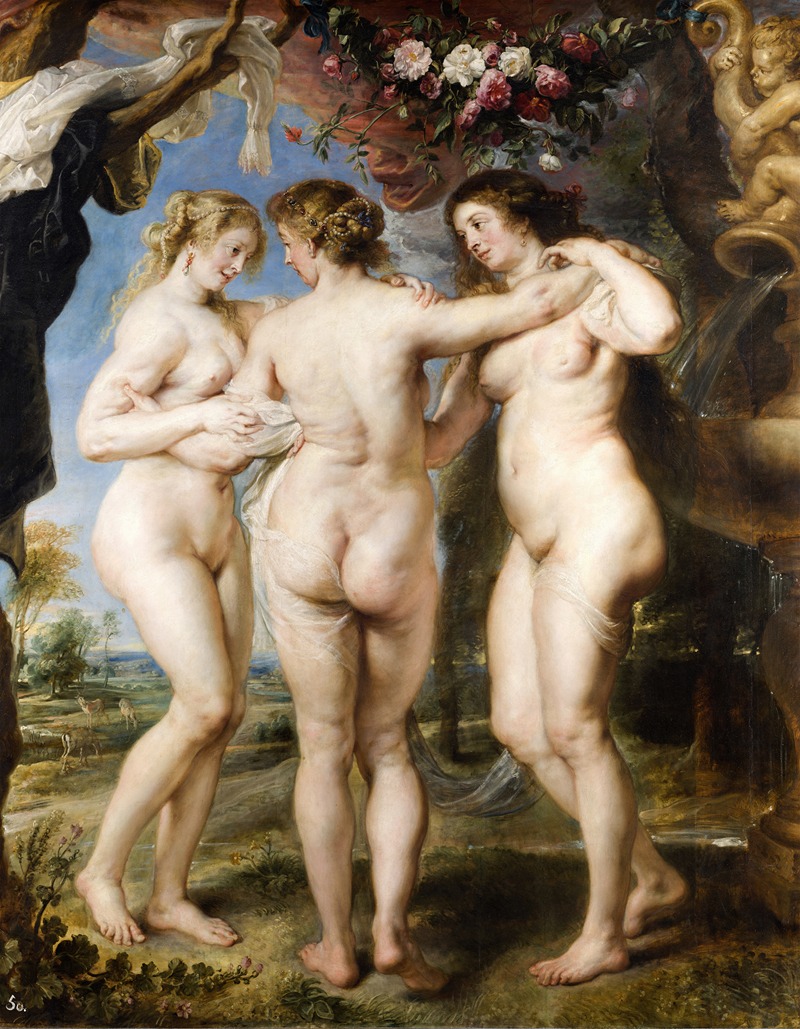
In a world where loneliness often prevails, there exists an extraordinary beauty waiting to be unveiled. How does one confront the solitude of existence in a frame? Focus on the elegant figure at the center, draped in flowing garments that seem to merge seamlessly with the landscape. Notice how the soft lines of her body contrast with the sharp, jagged edges of the barren trees surrounding her.
The muted tones of ochre and sage enhance the atmosphere of stillness, inviting you to ponder the fragile balance between nature and humanity. The careful shading creates a sense of depth, allowing the viewer to feel the weight of the solitude that cloaks her. Delve deeper into the composition's quiet complexity: the figure's gaze is directed downward, exuding a poignant aura of introspection that speaks to her isolation. In the background, the distant mountains loom, hinting at both separation and the infinite expanse of the world beyond.
This tension between the figure and her surroundings reflects a struggle between belonging and alienation, suggesting that even in isolation, there is a profound connection to the vastness of existence. Wenceslaus Hollar created Latona in 1649 during a time of upheaval in Europe, marked by the Thirty Years' War. Living in Antwerp at the time, he was influenced by earlier Baroque artists and had already established a reputation for his intricate etchings. This work captures not just the essence of its subject but also the profound isolation that resonates with humanity's shared experiences, echoing the artist's own life as he navigated the turbulent cultural landscape of the 17th century.
More Artworks by Wenceslaus Hollar
Browse all →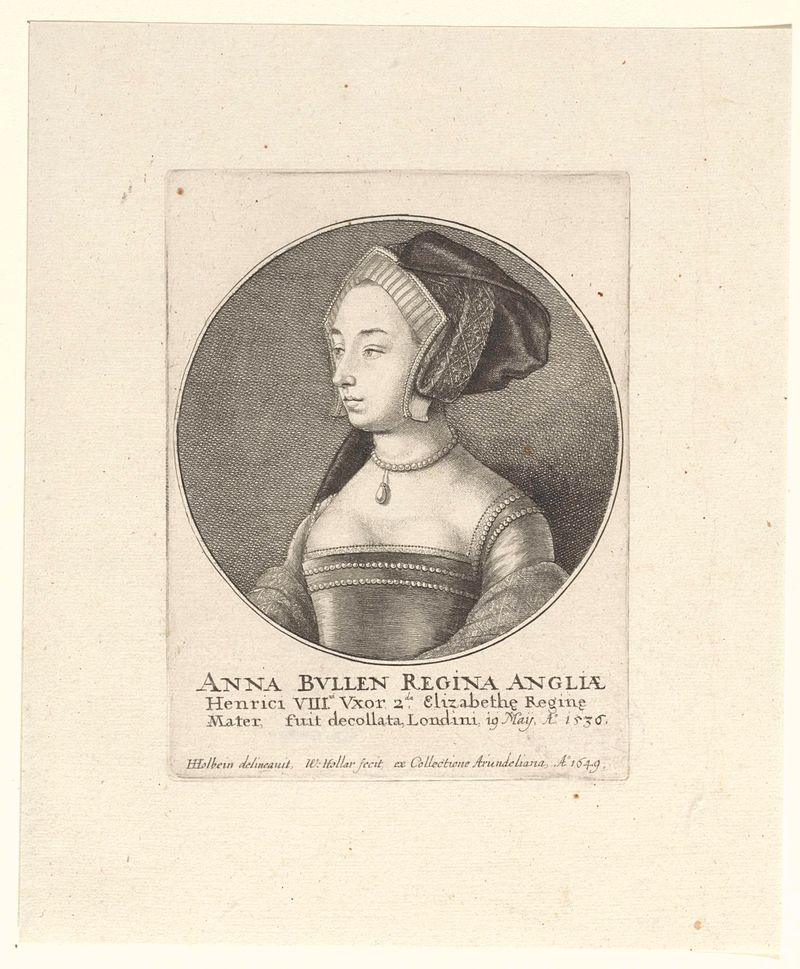
Portret van Anna Boleyn, koningin van Engeland
Wenceslaus Hollar
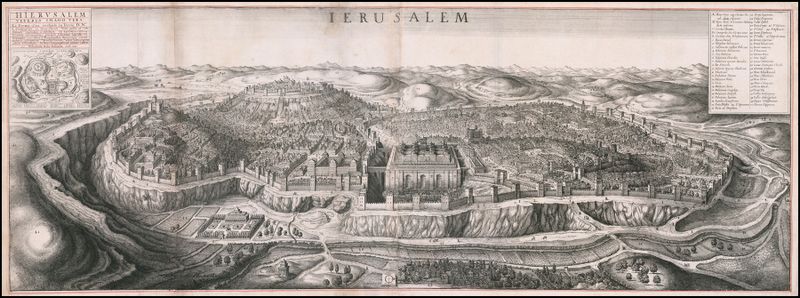
Bird’s eye view of Jerusalem
Wenceslaus Hollar
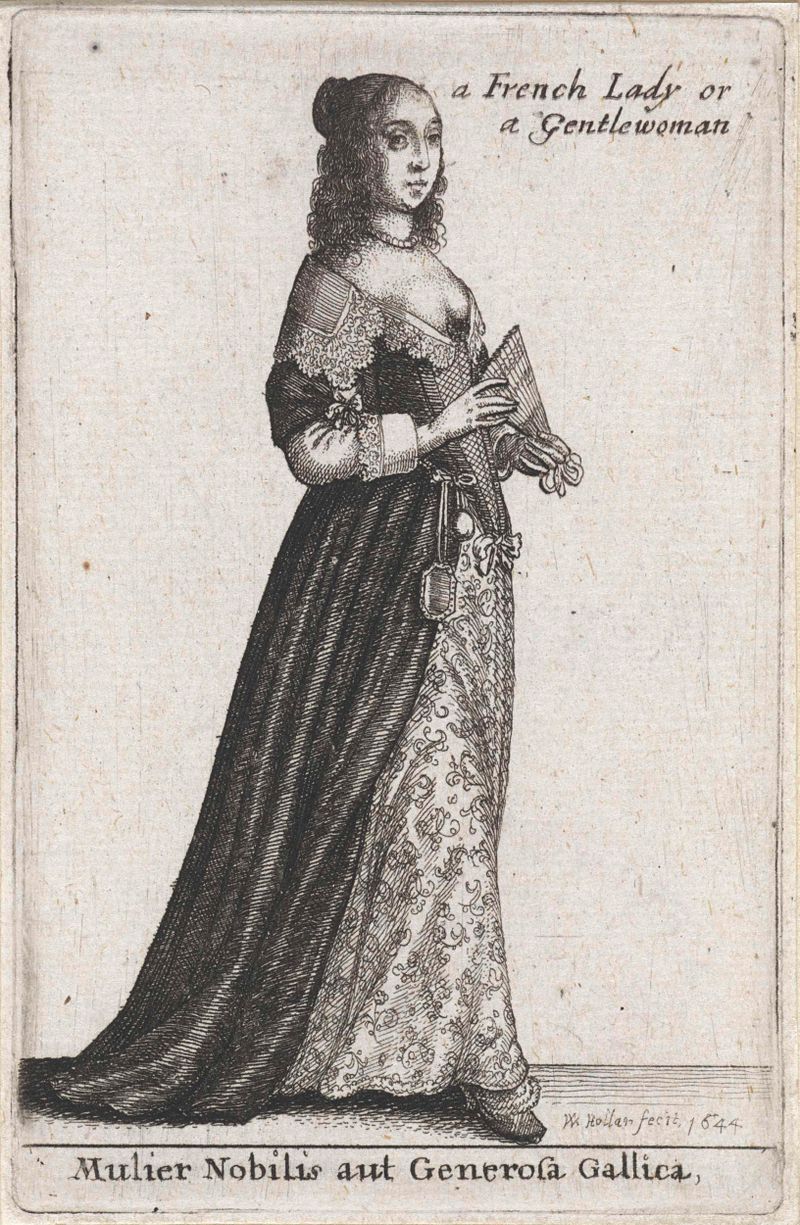
Mulier Nobilis aut Generosa Gallica / a French Lady or Gentlewoman
Wenceslaus Hollar
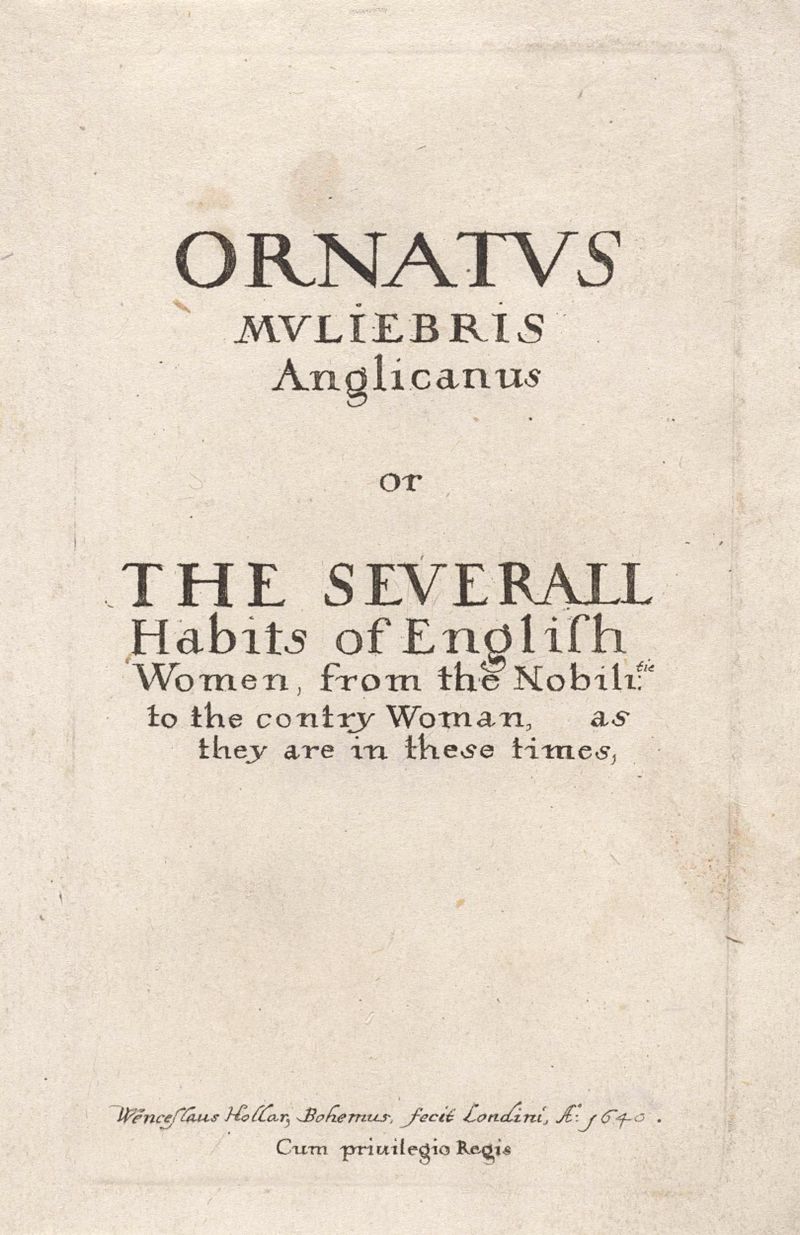
Titelprent voor: Ornatus Muliebris Anglicanus
Wenceslaus Hollar
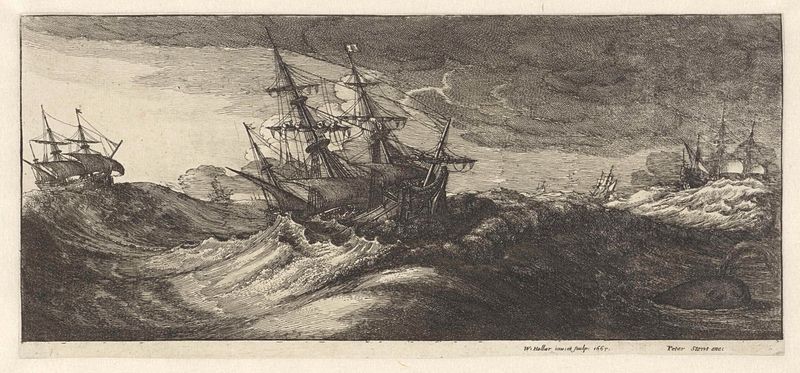
Oorlogsschepen en een walvis in een zeestorm
Wenceslaus Hollar
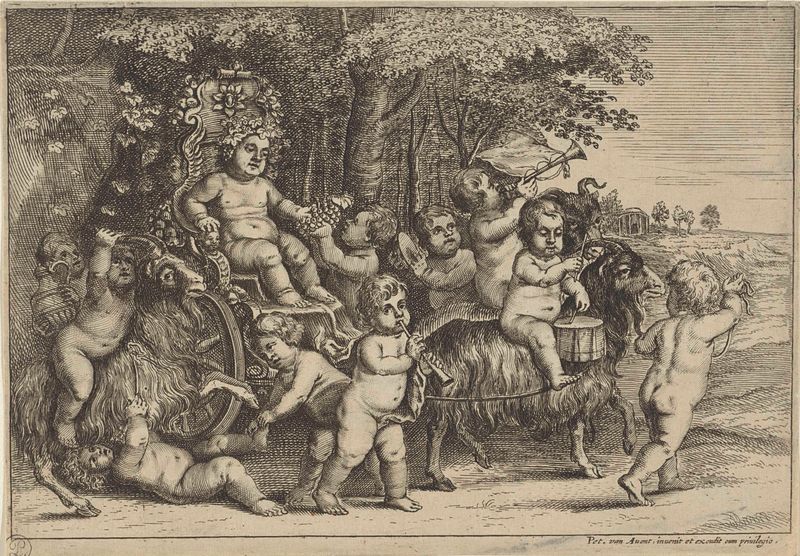
Optocht van bacchant en jongetjes op geiten
Wenceslaus Hollar
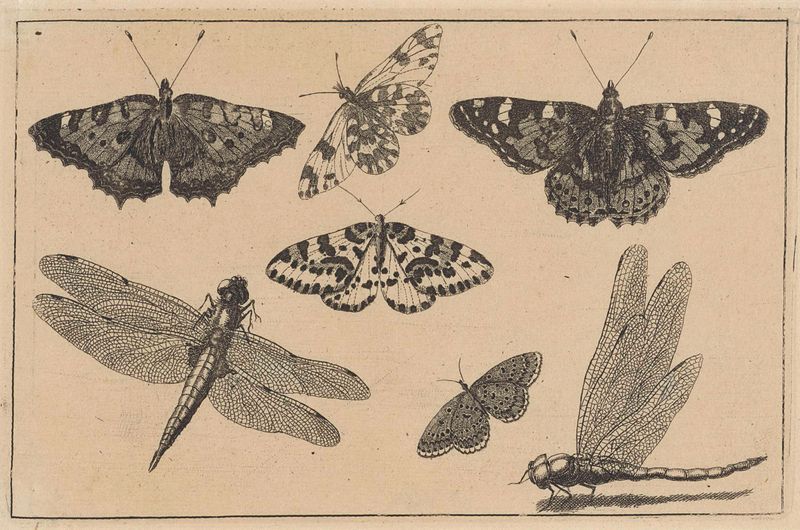
Twee libellen en vijf vlinders
Wenceslaus Hollar
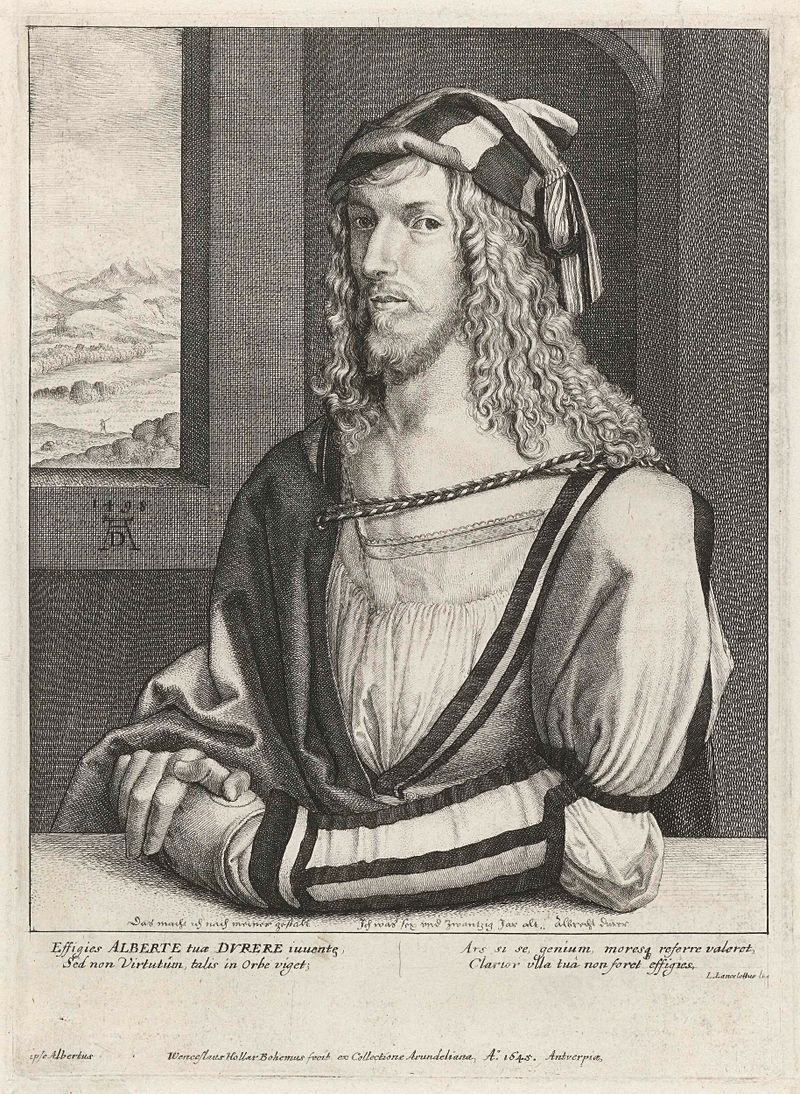
Portret van Albrecht Dürer
Wenceslaus Hollar
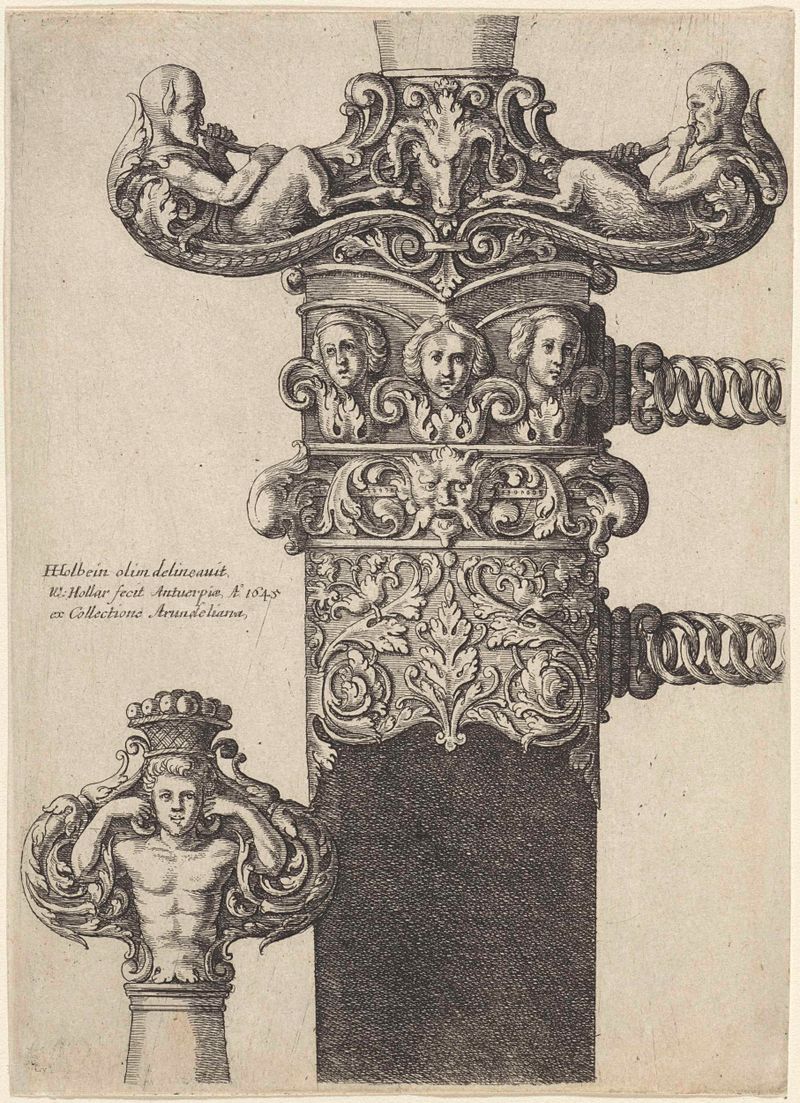
Ornamenteel ontwerp voor een dolk
Wenceslaus Hollar
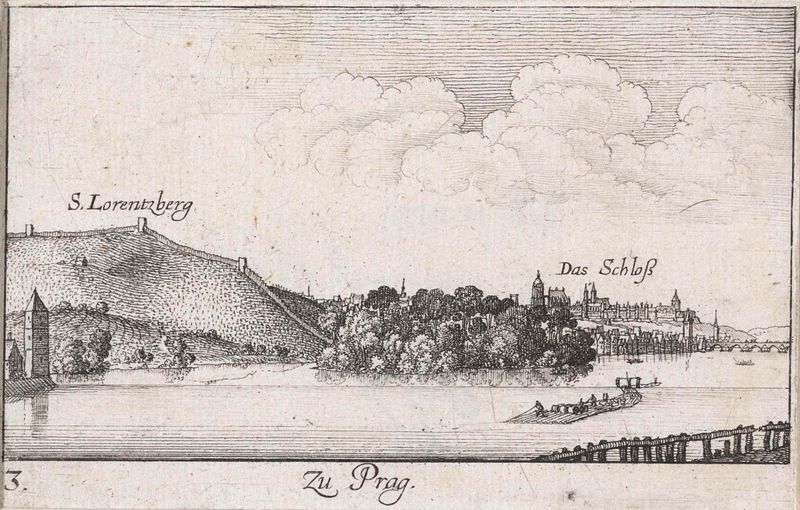
Gezicht op Praag vanaf de Moldau
Wenceslaus Hollar