
Laughing boy — History & Facts
Few paintings have sparked as much debate over their subject's identity as Laughing boy by Frans Hals. For centuries, viewers and scholars alike have wondered: was this a portrait of a specific child, or simply a study in youthful exuberance? The lack of documentation has only deepened the mystery, and the painting’s infectious energy has led to speculation that it was painted from life, perhaps in a single sitting. Some believe the boy may have been one of Hals’s own children or a local Haarlem street urchin, but no consensus has ever been reached. The scene captures a fleeting moment: a boy, head thrown back, mouth open in laughter, eyes sparkling with mischief.
Hals’s rapid, visible brushwork gives the impression that the child might burst out laughing again at any instant. The loose collar and tousled hair suggest informality and spontaneity, a stark contrast to the stiff, formal portraits common in early 17th-century Dutch art. Where Rembrandt might have sought psychological depth in his sitters, Hals revels in the immediacy of expression, using light to animate the boy’s face and create a sense of movement.
The painting’s charm lies in its apparent effortlessness and the directness of its gaze. As with many of Frans Hals’s so-called “tronies” — character studies rather than commissioned portraits — the early history of Laughing boy is uncertain. It likely remained in private hands for centuries before entering public collections, and its medium is still debated, though most believe it is oil on canvas or panel. Today, the work is celebrated as a prime example of Hals’s ability to capture the vitality of ordinary people, a hallmark of the Dutch Golden Age.
Its lively brushwork and candid subject mark a turning point in portraiture, influencing generations of artists who sought to paint not just faces, but fleeting moments of life.
More Artworks by Frans Hals

Banquet of the Officers of the St George Civic Guard
Frans Hals

Portrait of Jacob Pietersz Olycan (1596-1638)
Frans Hals
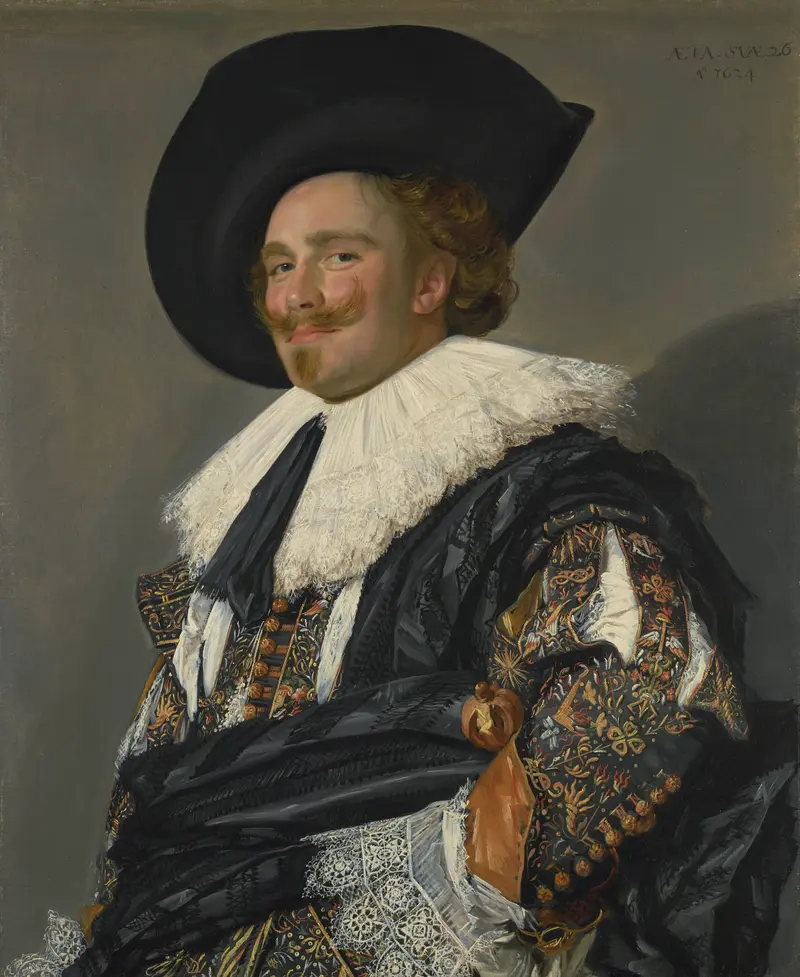
Laughing Cavalier
Frans Hals

Militia Company of District XI under the Command of Captain Reynier Reael, Known as ‘The Meagre Company’
Frans Hals
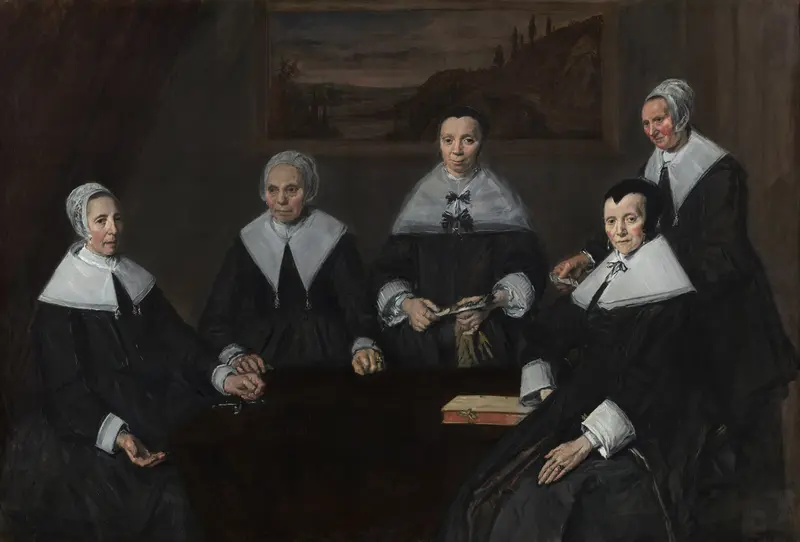
Regentesses of the Old Men's Alms House
Frans Hals
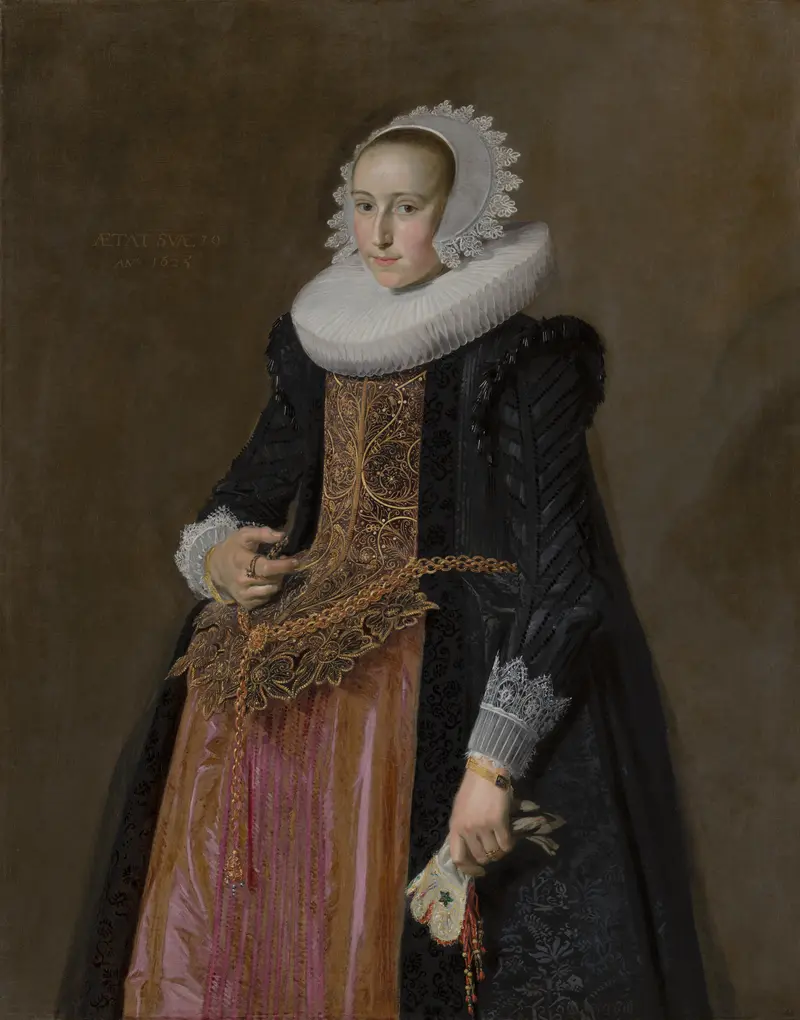
Portrait of Aletta Hanemans (1606–1653)
Frans Hals
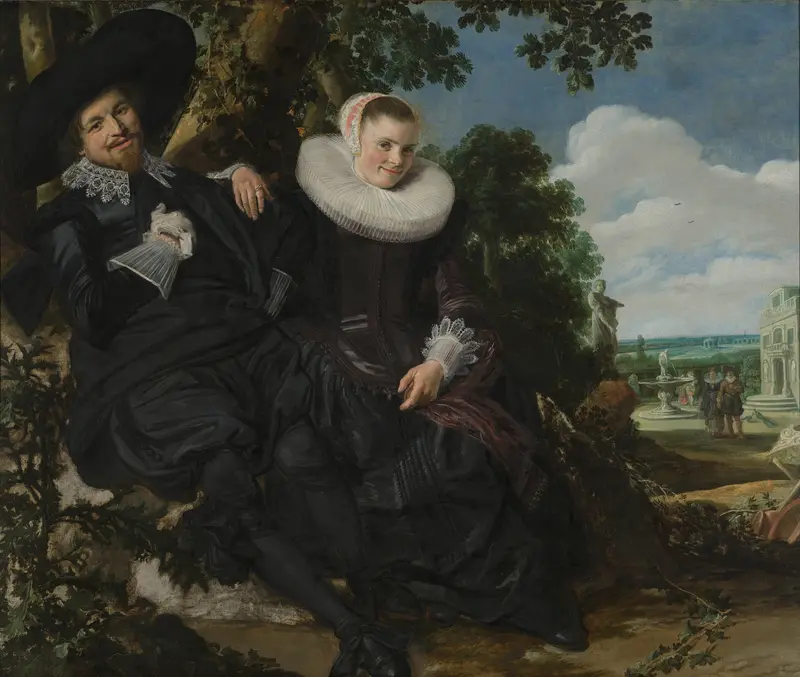
Portrait of a Married Couple, Likely Isaac Abrahamsz Massa and Beatrix van der Laen
Frans Hals
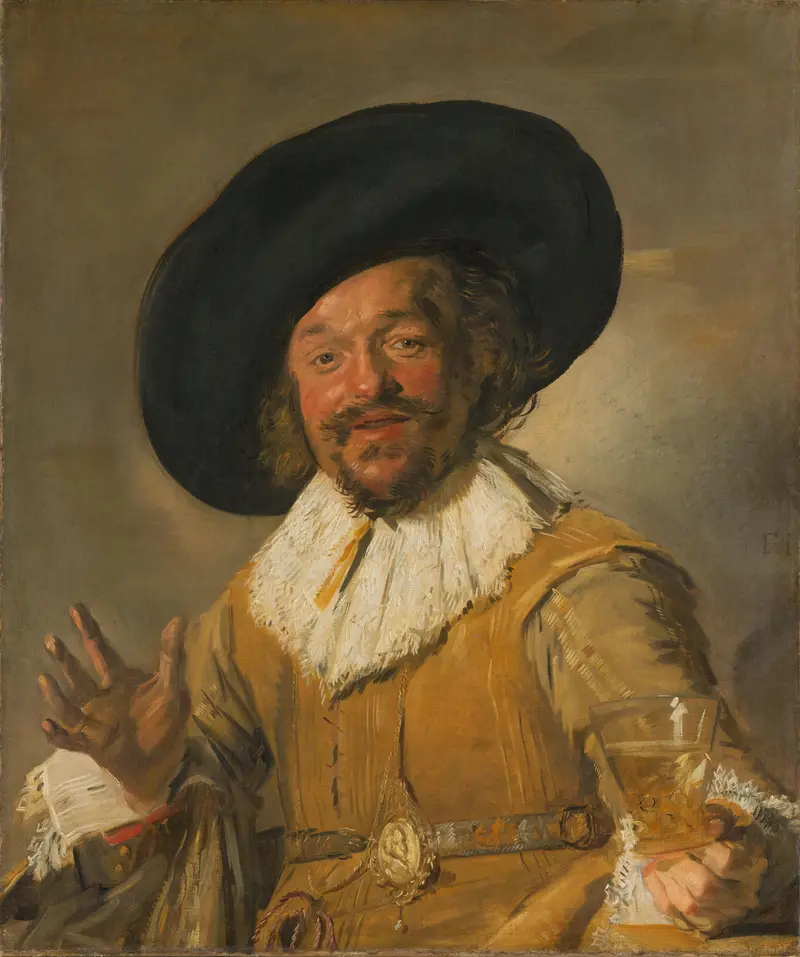
The Merry Drinker
Frans Hals
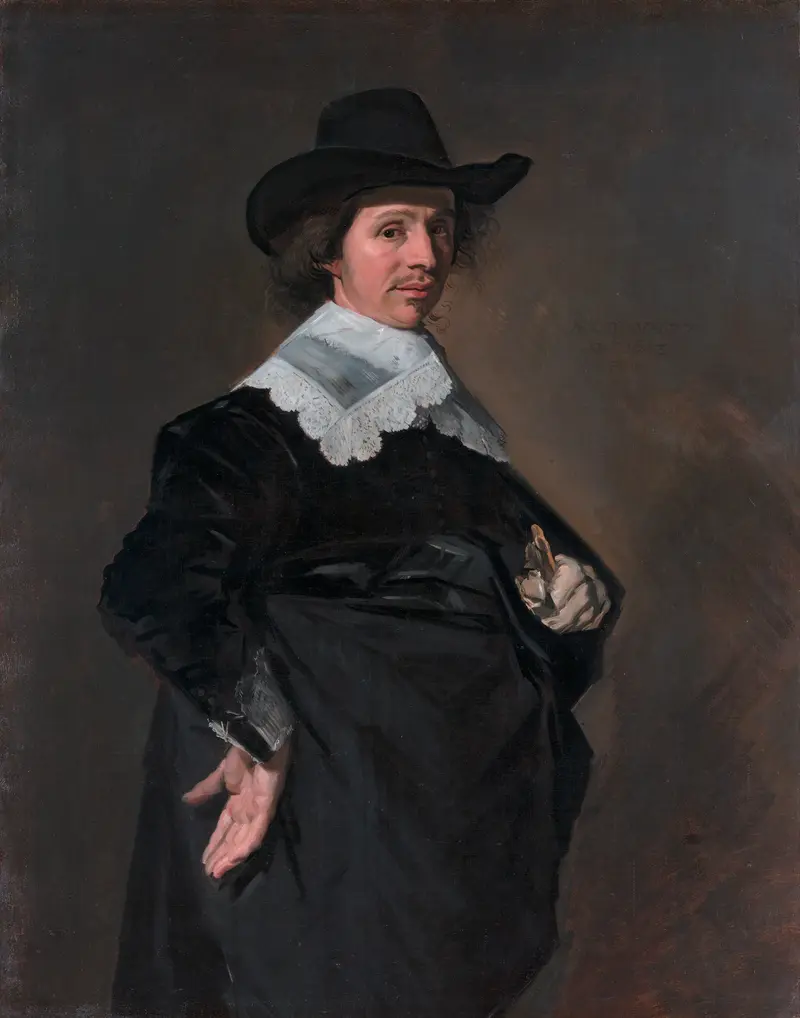
Portrait of Paulus Verschuur
Frans Hals
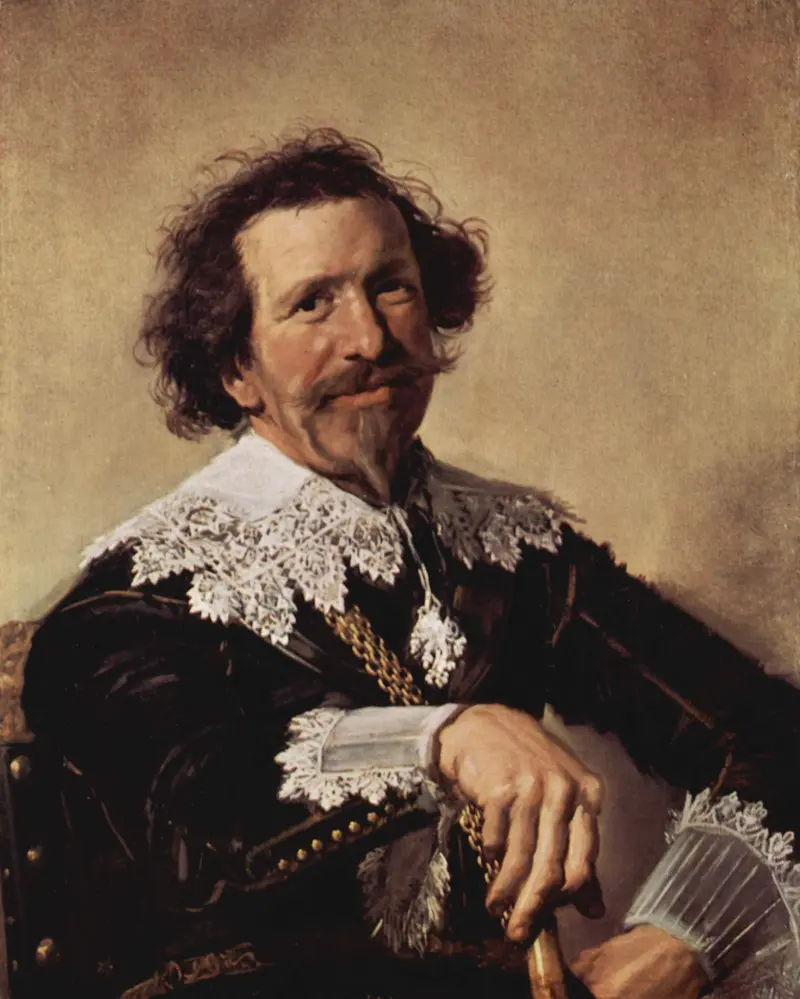
Portrait of Pieter van den Broecke
Frans Hals





