
Le Béal — History & Facts
When did color learn to lie? The palette of vivid hues can seduce the gaze, masking the turmoil beneath the surface. Look closely at the vibrant greens and blues that dominate Le Béal. The surface of the water shimmers with an almost deceptive beauty, drawing you in with its tranquil facade. Notice how the dappled sunlight breaks through the trees, casting playful shadows that seem to dance across the canvas.
Each brushstroke conveys an intimacy with nature, yet a tension lingers—a reminder that beauty often conceals deeper currents of emotion. Amid this apparent serenity, hidden narratives unfold. The juxtaposition between the calm water and the tumultuous sky hints at an underlying violence, perhaps reflective of the societal shifts of the time. The figures, seemingly at peace, are enveloped in a world that hints at conflict, suggesting that even moments of leisure can be fraught with unspoken tensions.
The violence of color, in its vibrancy, contrasts starkly with the tranquility of the scene, creating an unsettling harmony. In 1905, Renoir painted this piece in a period marked by personal struggles, as he grappled with his declining health and the evolving landscape of modern art. The artist was transitioning from impressionism to a more defined style, capturing both the beauty and complexity of human experience amidst a rapidly changing world. This work stands as a testament to his ability to infuse emotion into the very colors that represent life itself.
More Artworks by Pierre-Auguste Renoir
Browse all →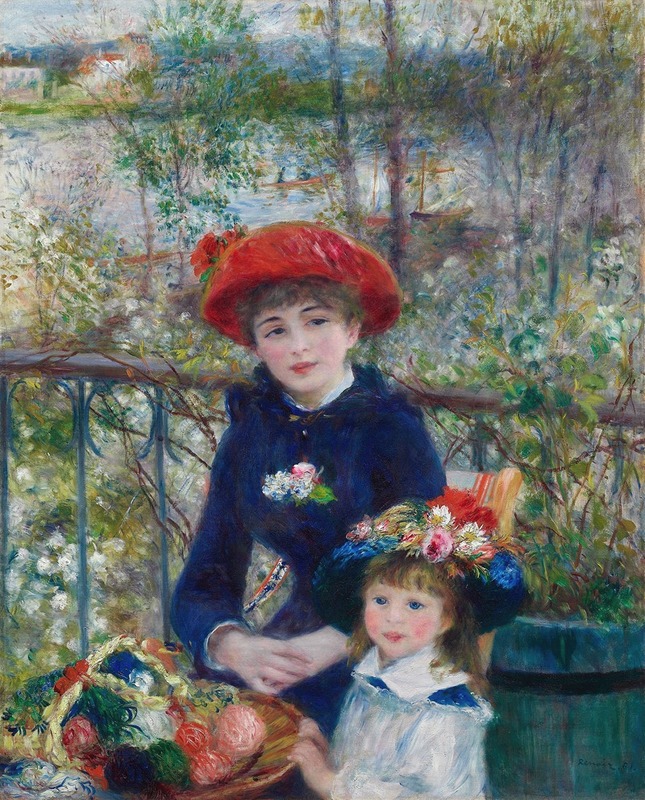
Two Sisters (On the Terrace)
Pierre-Auguste Renoir
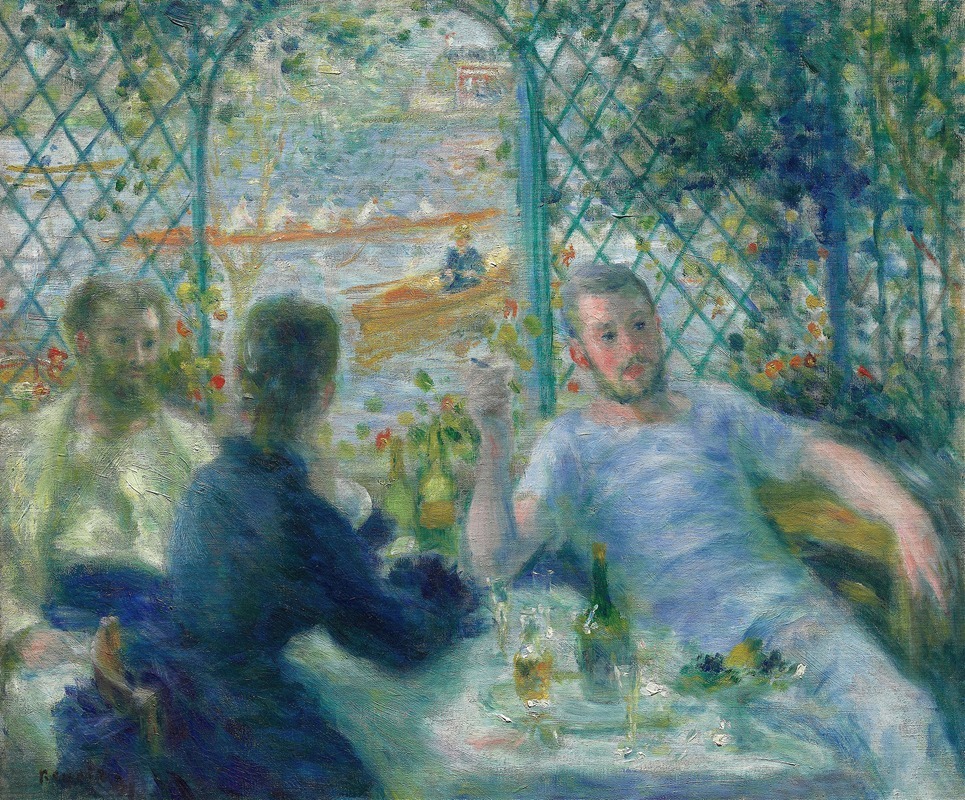
Lunch at the Restaurant Fournaise (The Rowers' Lunch)
Pierre-Auguste Renoir
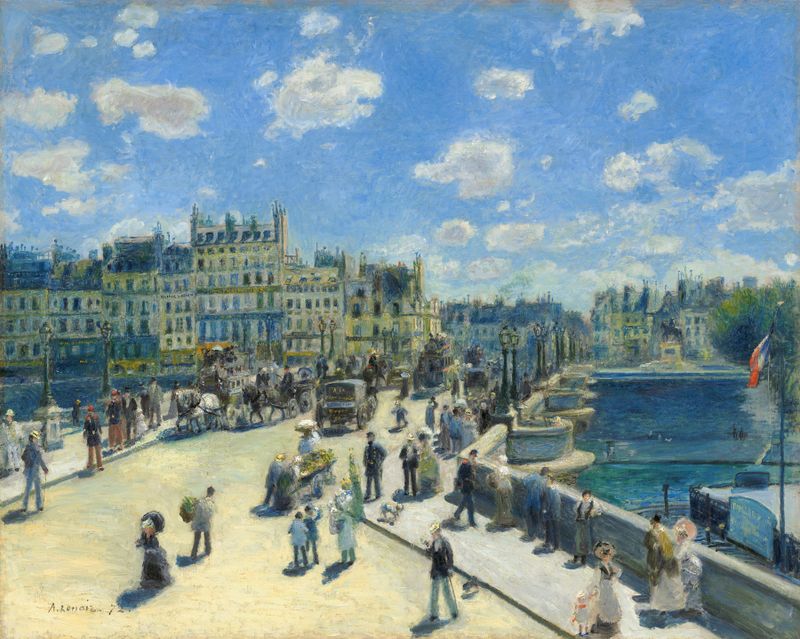
Pont Neuf, Paris
Pierre-Auguste Renoir
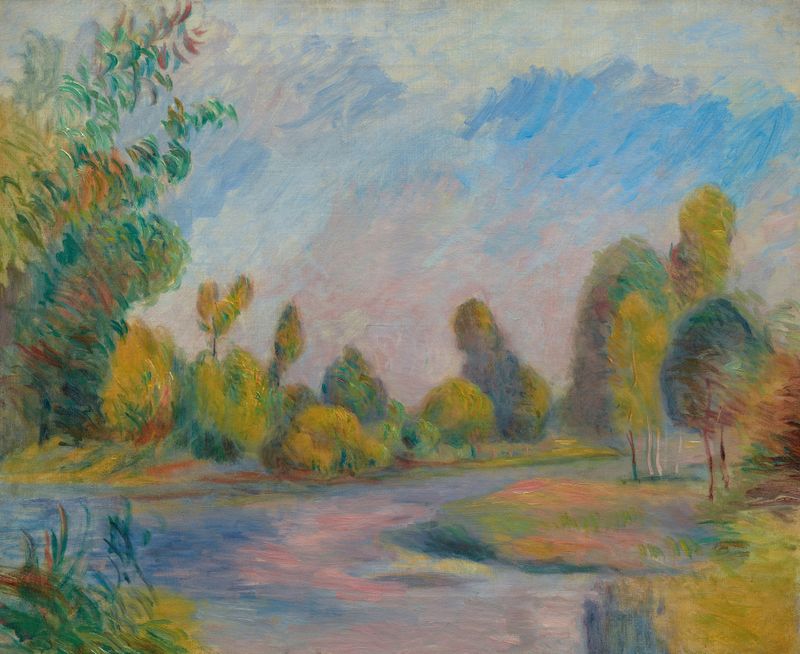
Au bord de la rivière
Pierre-Auguste Renoir

Near the Lake
Pierre-Auguste Renoir
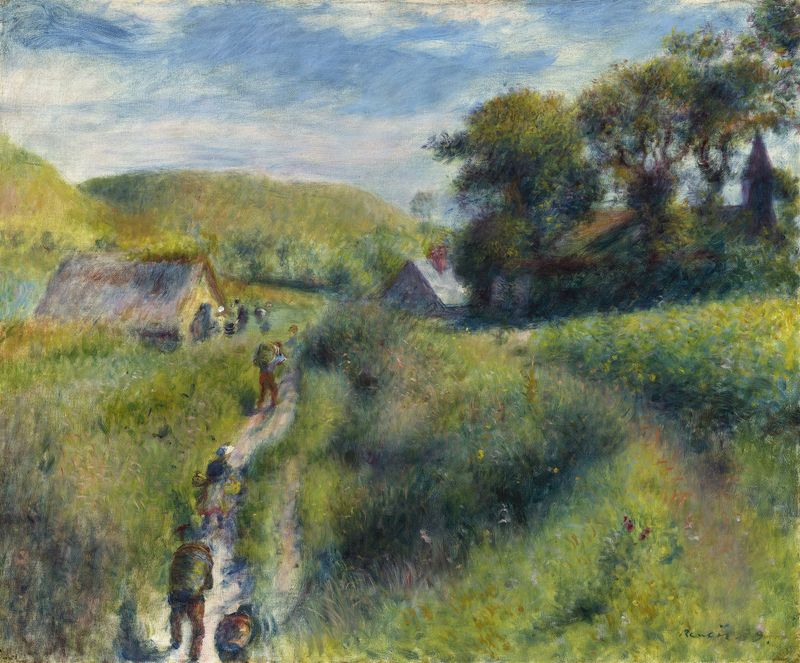
The Mussel Harvest
Pierre-Auguste Renoir

The Seine at Chatou
Pierre-Auguste Renoir
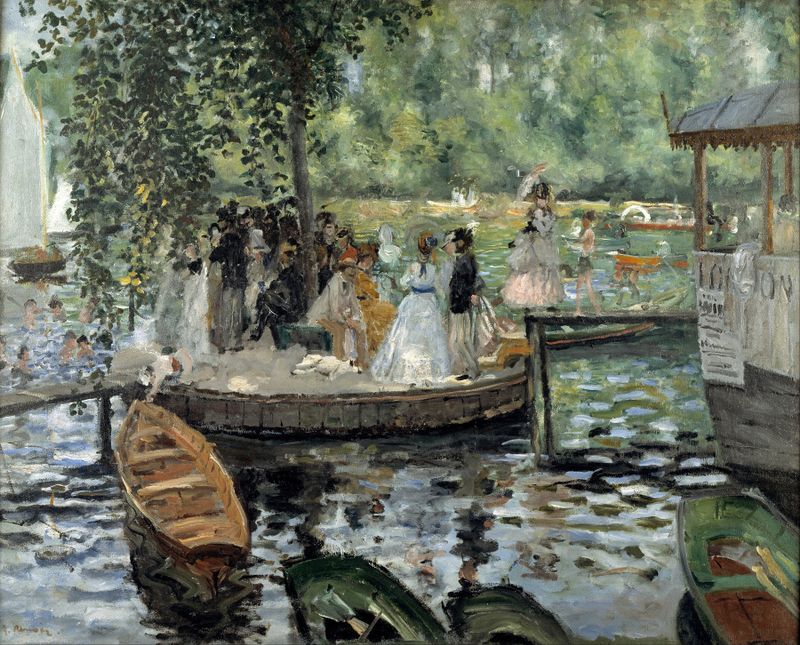
La Grenouillère
Pierre-Auguste Renoir
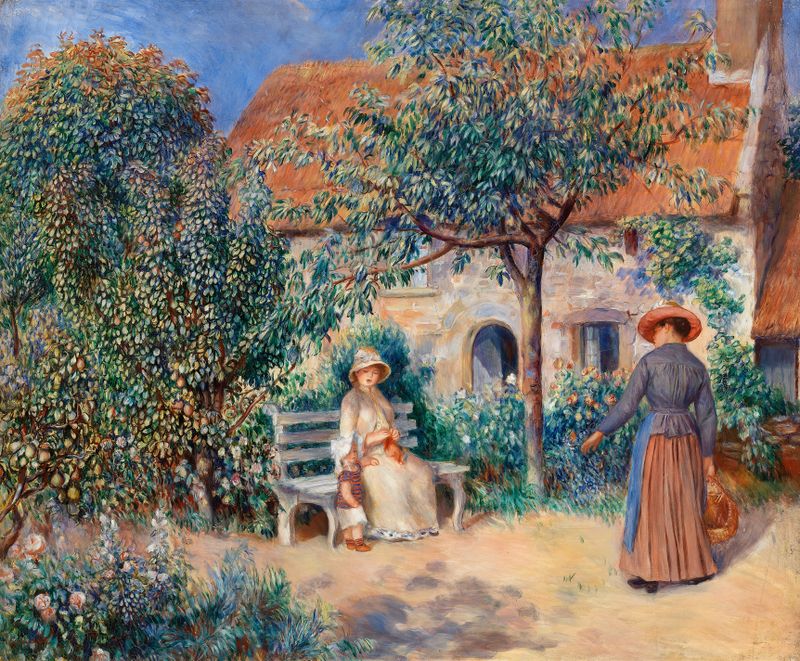
In Brittany (En Bretagne)
Pierre-Auguste Renoir
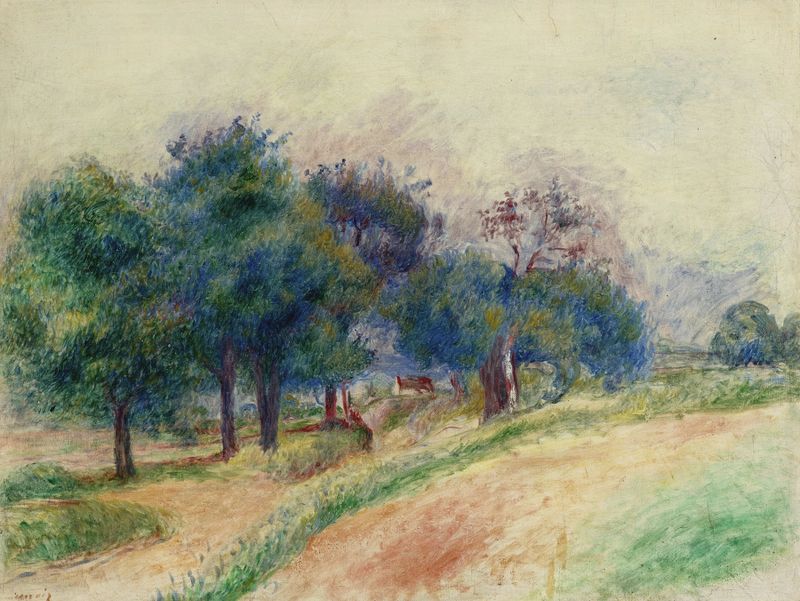
Paysage d’Essoyes
Pierre-Auguste Renoir





