
Le Bocage — History & Facts
In the depths of nature, where madness swirls like autumn leaves, we find solace and chaos entwined. Look to the center of Le Bocage, where leafy greens and earthy browns converge in a delicate dance. Notice how the vibrant strokes capture the fleeting light filtering through a canopy of trees, casting a mosaic of shadows on the forest floor. The texture of the foliage evokes a sense of lushness, while the interplay of light and shadow breathes life into the scene, inviting the viewer to step deeper into this verdant sanctuary. As you explore the edges, subtle contrasts emerge.
The wildness of the underbrush whispers of untamed beauty, yet a sense of confinement lingers beneath the surface. The brushwork suggests a frantic energy, hinting at the artist's internal struggles, as if each stroke is a plea to harness chaos within the tranquility of nature. This tension between serenity and madness transcends mere representation, drawing us into an emotional labyrinth, questioning the balance of harmony and disarray. Auguste Louis Lepère created this work around the early 20th century, a time marked by significant change in the world of art and society.
Living in France amidst the shifting currents of Impressionism, Lepère grappled with his identity as he sought to explore the transformative power of nature. His experiences throughout this period were shadowed by a world on the brink of conflict, infusing his work with a profound introspection that reverberates through the layers of paint in Le Bocage.
More Artworks by Auguste Louis Lepère
Browse all →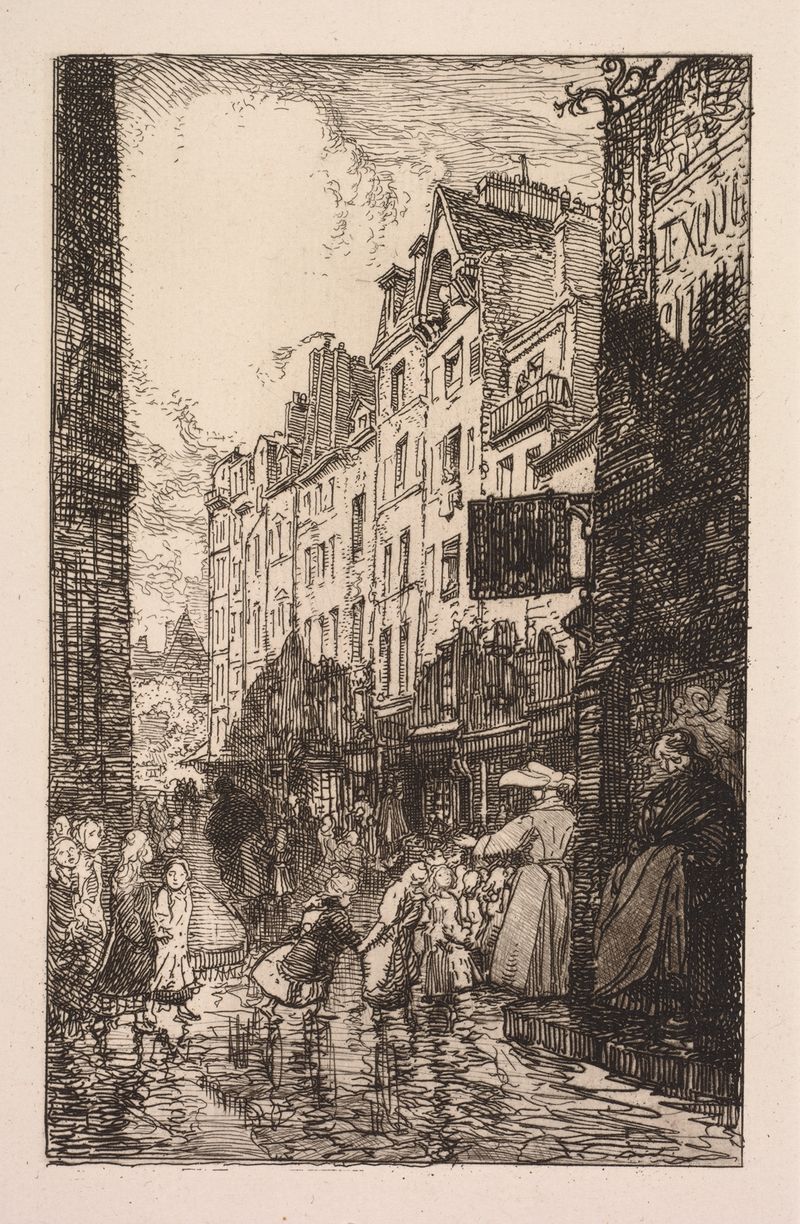
La Rue des Prêtres Saint-Séverin
Auguste Louis Lepère
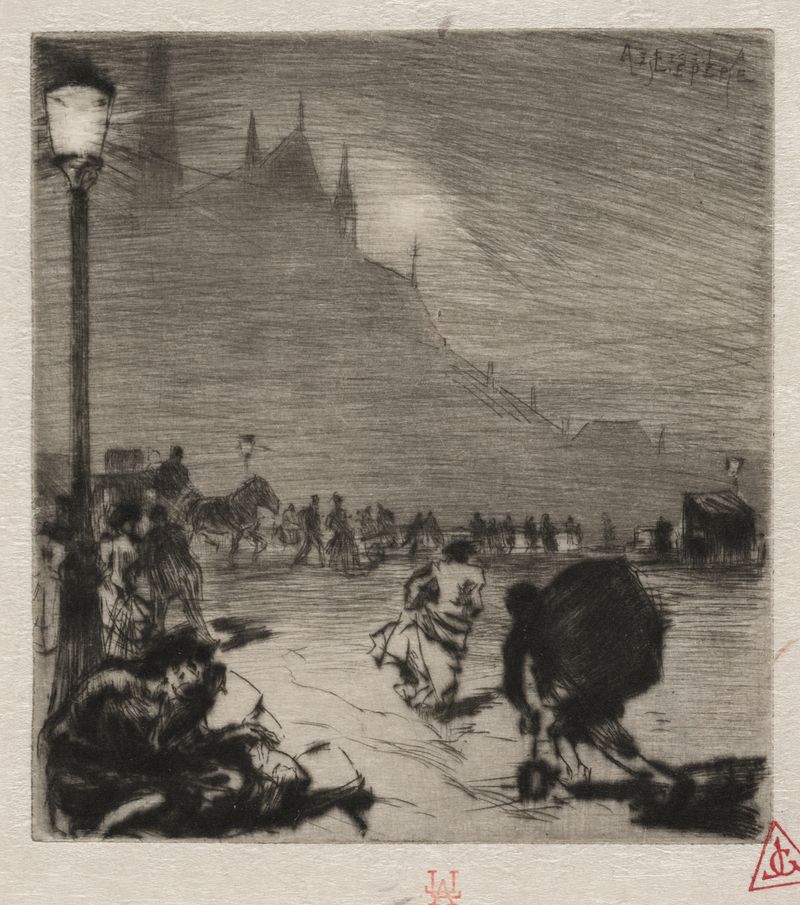
Au Coin du Pont-aux-Doubles
Auguste Louis Lepère
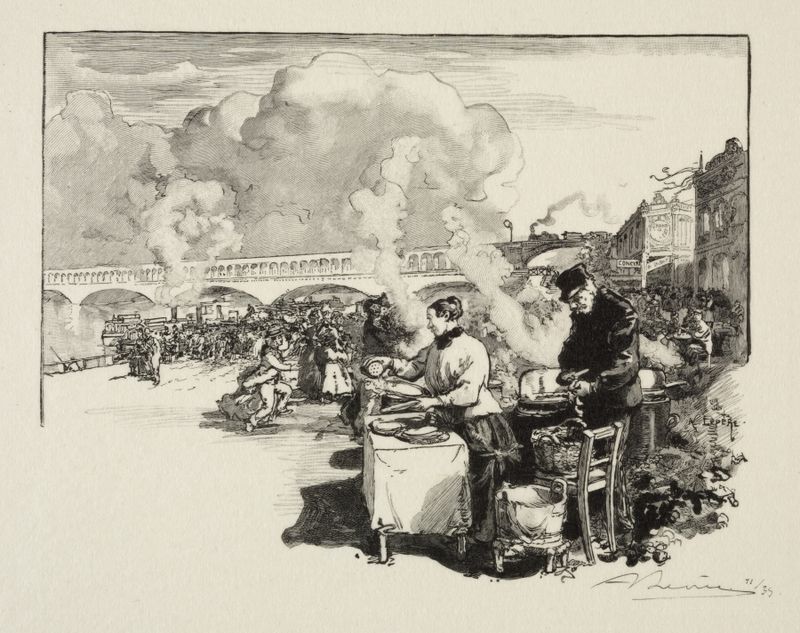
Debarcadère des bateaux-omnibus
Auguste Louis Lepère

La Seine, au quai de la Rapée
Auguste Louis Lepère
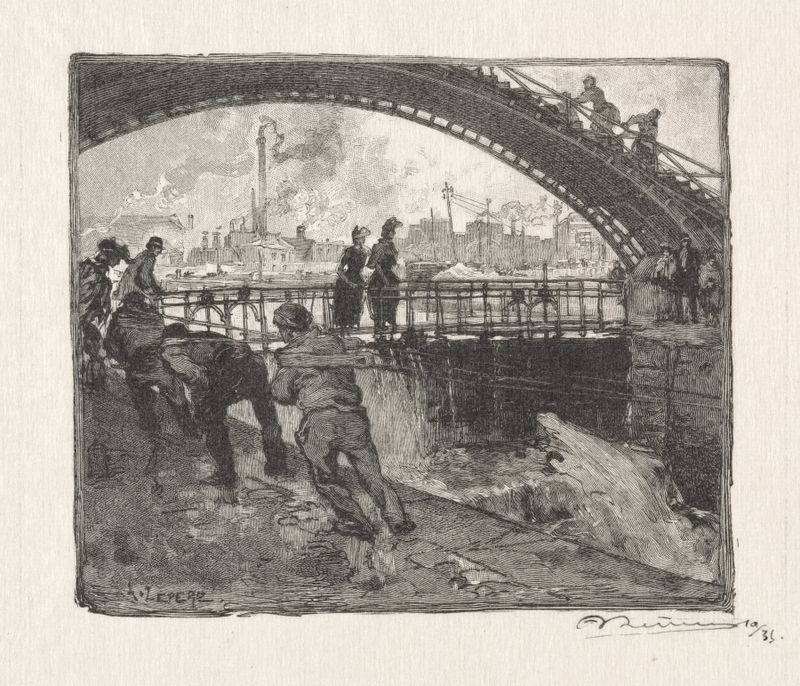
L’Ecluse du Canal St. Martin
Auguste Louis Lepère

Le Boulevard Montmartre, le Soir
Auguste Louis Lepère

Une Chasse au Mont Gérard
Auguste Louis Lepère
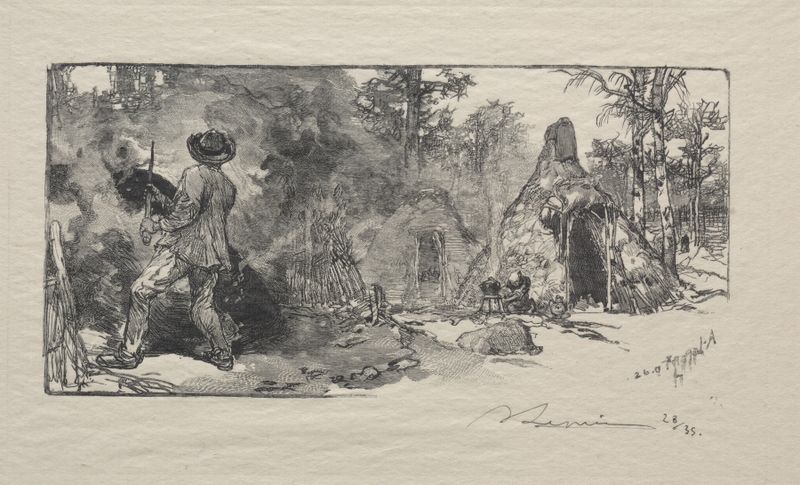
Les Charbonniere
Auguste Louis Lepère
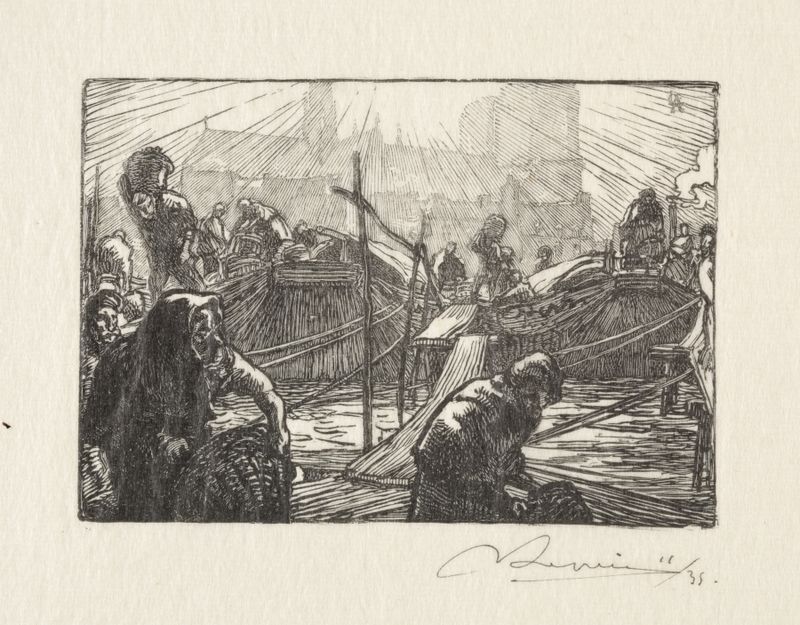
Notre Dame vue du Marché aux pommes
Auguste Louis Lepère

Le Palais des Arts Liberaux, Intèrieur
Auguste Louis Lepère





