
Le Champ De Blé Devant L’église — History & Facts
Could beauty survive in a century of chaos? In Le Champ De Blé Devant L’église, we find a serene moment poised delicately against the throbbing backdrop of a tumultuous era. The composition invites us to explore the juxtaposition of nature’s tranquility and the enduring presence of human endeavors, encapsulating a timeless struggle for peace amidst disorder. Look to the left at the vibrant field of golden wheat, where each brushstroke captures the sun’s warm embrace. Notice how the light dances across the rippling grains, creating a symphony of yellows and greens that vibrate with life.
The church, anchored in the background, stands as a silent sentinel, its cool tones contrasting sharply with the riotous warmth of the field. Bonnard’s technique employs a bold palette and dynamic brushwork, transforming the ordinary landscape into a realm of emotional resonance. Hidden beneath the surface of this pastoral scene lies a rich tapestry of meaning. The wheat, emblematic of abundance and fertility, suggests a fleeting beauty in a world poised on the brink of upheaval.
The church, representing refuge and faith, raises questions about the solace found in spirituality amidst the chaos of life. Together, they encapsulate a harmony that invites contemplation, uniting the vibrancy of nature with the stillness of human endeavor. Painted in 1907, this work emerged at a time when Bonnard was deeply engaged with the Nabis group, exploring color and emotion in new ways. Working from his studio in Paris, he sought to blend the intimacy of domestic life with the broader, existential queries of the modern world.
As the specter of conflict loomed on the horizon, he infused his landscapes with a sense of hope, reflecting a deep-seated belief in beauty's power to endure.
More Artworks by Pierre Bonnard
Browse all →
Les deux fiacres (Boulevard des Batignolles)
Pierre Bonnard

Le Balcon Et L’ombrelle
Pierre Bonnard

Paysage de Vernon
Pierre Bonnard

Place Pigalle at Night
Pierre Bonnard
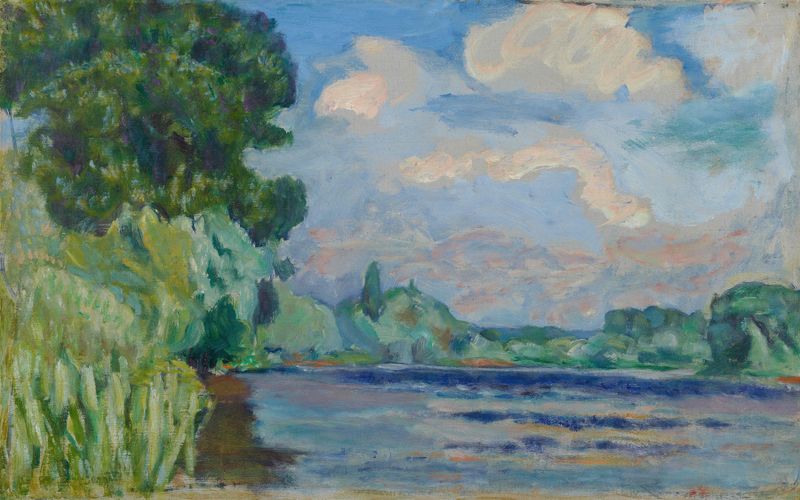
La Seine à Vernon
Pierre Bonnard

Les Toits
Pierre Bonnard
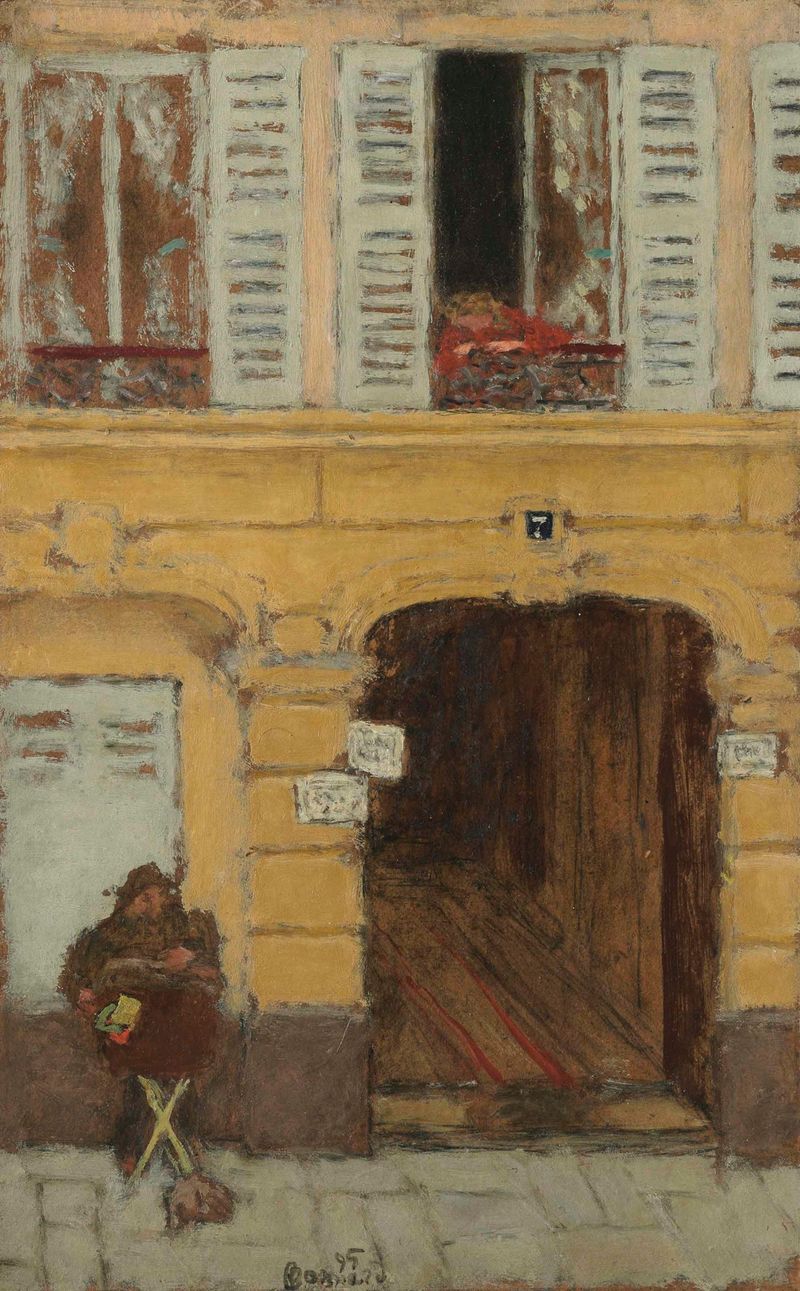
L’orgue de Barbarie ou Le joueur d’orgue
Pierre Bonnard

Paysage de Saint-Tropez
Pierre Bonnard

Soleil Couchant
Pierre Bonnard
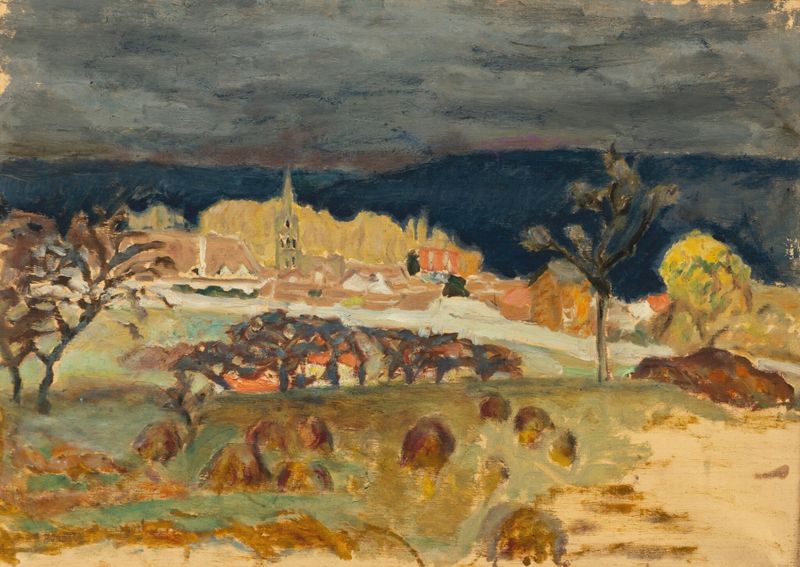
Village, ciel d’orage
Pierre Bonnard





