
Le Chemin du village — History & Facts
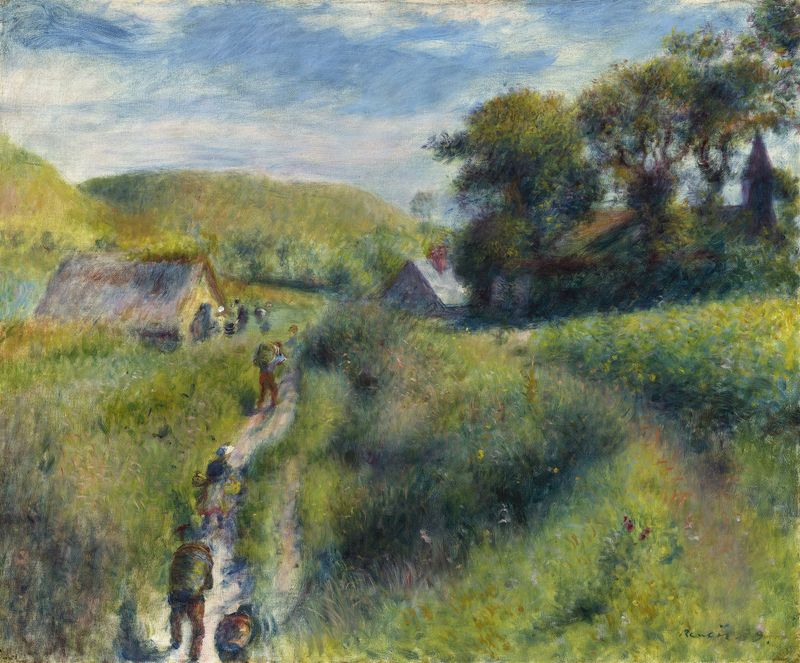
In Le Chemin du village, transformation unfolds, revealing the delicate balance between joy and sorrow embedded within the ordinary. Look to the left at the winding path, draped in dappled sunlight that filters through lush green leaves. Renoir’s brushwork is alive with texture; vibrant strokes of yellow and green create an inviting warmth that beckons the viewer into the scene. The composition leads the eye along the road, where villagers stroll leisurely, their figures rendered with a softness that hints at the transient nature of their existence amidst the vibrant landscape. Beneath the surface, the painting whispers of the passage of time and the fleeting moments of contentment.
The path itself becomes a metaphor for life's journey, suggesting both movement and stagnation. The juxtaposition of light and shadow mirrors the emotional duality of human experience—each figure immersed in their thoughts, perhaps caught between the beauty of the moment and an unspoken longing for something more. In the late 19th century, Renoir painted this work while in a period of personal and artistic evolution, exploring a blend of Impressionist and more traditional styles. Working in the countryside near Paris, he sought to capture the essence of daily life and its inherent beauty.
As the art world began to embrace modernity, Renoir, with his penchant for light and color, remained devoted to depicting the pleasures of life, an endeavor that both celebrated and confronted the bittersweet nature of human existence.
More Artworks by Pierre-Auguste Renoir
Browse all →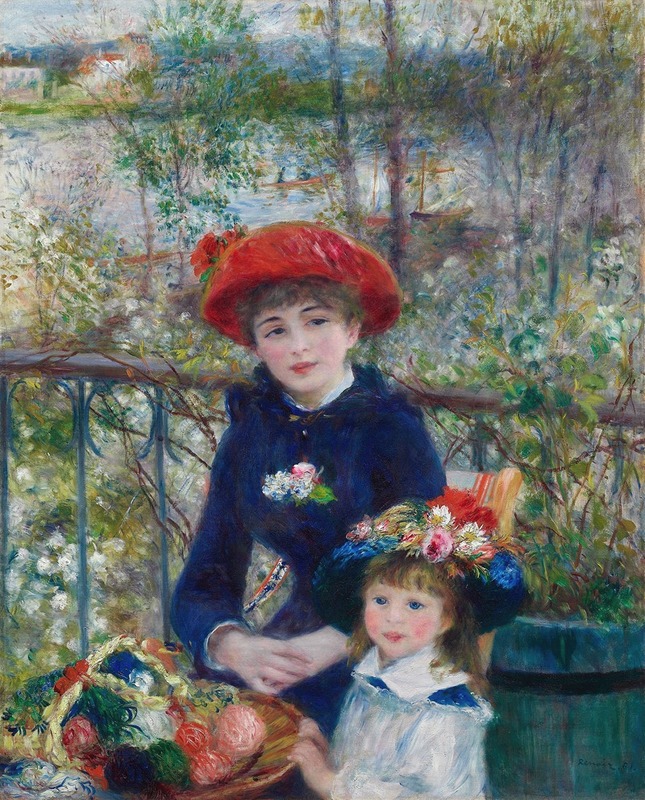
Two Sisters (On the Terrace)
Pierre-Auguste Renoir
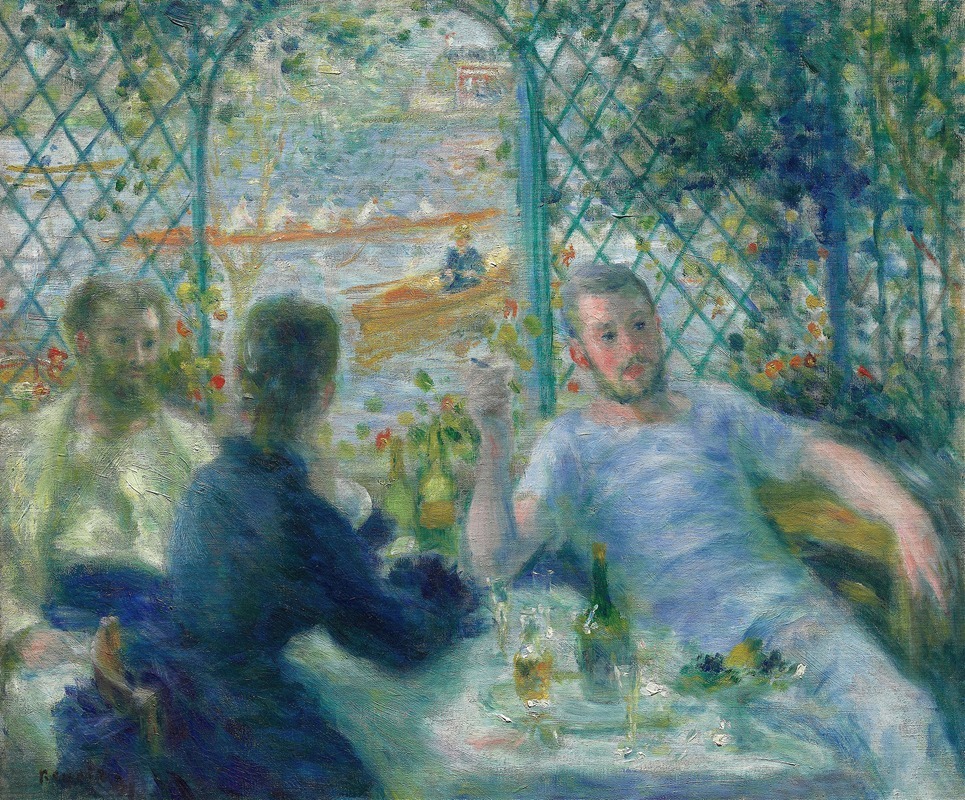
Lunch at the Restaurant Fournaise (The Rowers' Lunch)
Pierre-Auguste Renoir
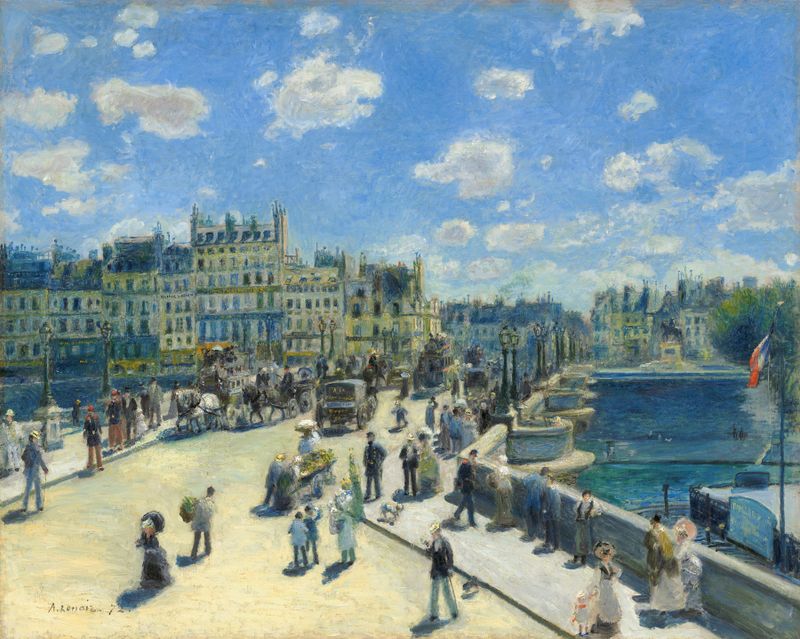
Pont Neuf, Paris
Pierre-Auguste Renoir
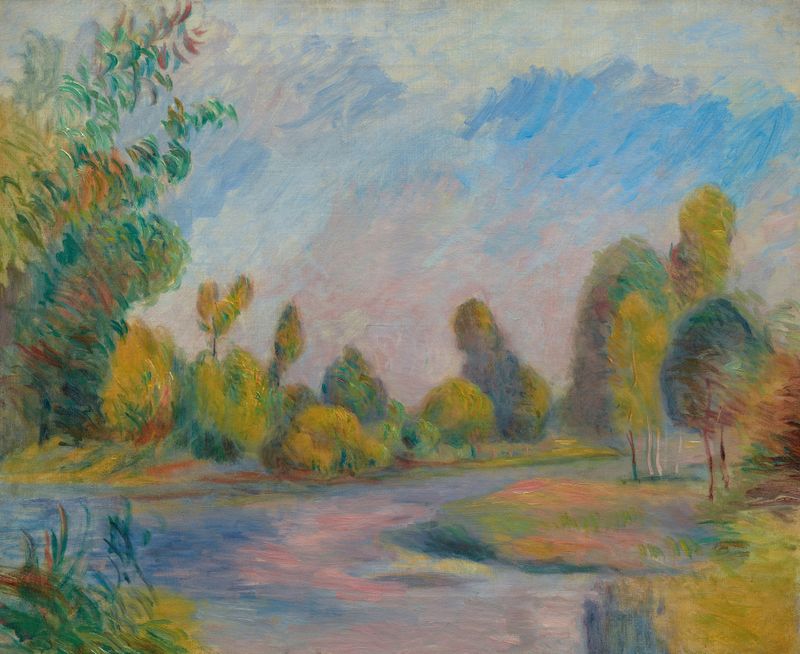
Au bord de la rivière
Pierre-Auguste Renoir

Near the Lake
Pierre-Auguste Renoir
The Mussel Harvest
Pierre-Auguste Renoir

The Seine at Chatou
Pierre-Auguste Renoir
La Grenouillère
Pierre-Auguste Renoir
In Brittany (En Bretagne)
Pierre-Auguste Renoir
Paysage d’Essoyes
Pierre-Auguste Renoir





