
Le Châlet De Blanche Pierson À Pourville — History & Facts
Did the painter know this moment would outlive them? In Le Châlet De Blanche Pierson À Pourville, the fragile essence of leisure and tranquility is immortalized, whispering secrets of fleeting joy against the backdrop of time. Focus on the bright, sun-drenched façade of the châlet, nestled comfortably amidst the lush greenery. The soft pastels evoke warmth and nostalgia, inviting the viewer to step into a serene summer day. Notice how Renoir masterfully blends light and shadow, as dappled sunlight spills over the figures seated on the terrace, casting gentle contrasts that breathe life into the scene.
The relaxed postures and flowing dresses of the women embody a languid charm, while the vibrant flowers bloom in a riot of color, anchoring the idyllic composition. Yet, amidst the beauty lies an undercurrent of fragility. The figures seem caught in a moment of bliss, yet their idyllic existence is fleeting, a reminder of life's impermanence. The detailed brushwork reveals not only the pleasures of leisure but also hints at the passage of time; the delicate strokes transforming what could have been a simple landscape into an emotional tableau.
Each element—the flowers, the light, and the poses of the figures—whispers of a transient happiness that challenges viewers to cherish the present. In 1882, Renoir painted this piece while exploring the picturesque coastal town of Pourville, France. At that time, he was deeply engaged in the Impressionist movement, which emphasized capturing moments of everyday life with a fresh perspective. This work emerged during a period when the artist was balancing commercial success with his desire for personal expression, reflecting both a celebration of beauty and an exploration of the ephemeral nature of existence.
More Artworks by Pierre-Auguste Renoir
Browse all →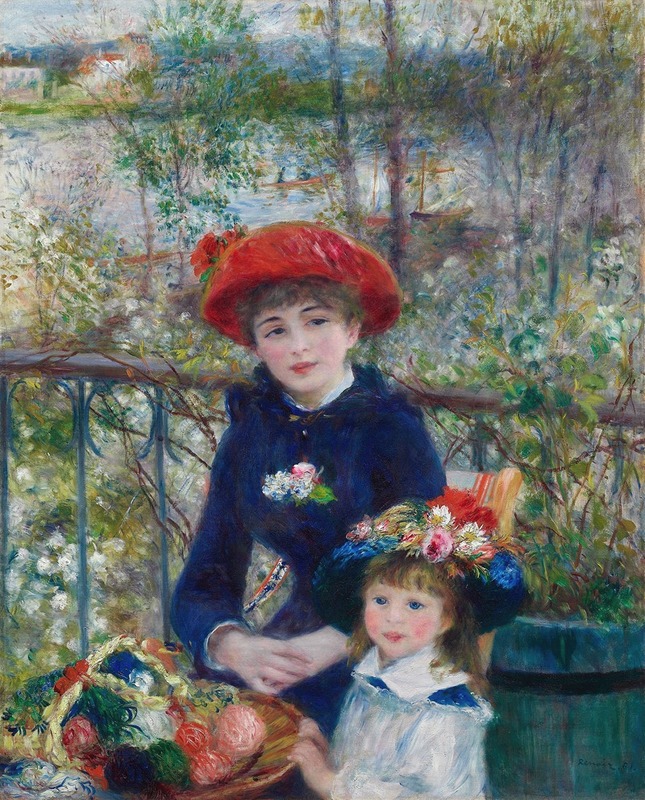
Two Sisters (On the Terrace)
Pierre-Auguste Renoir
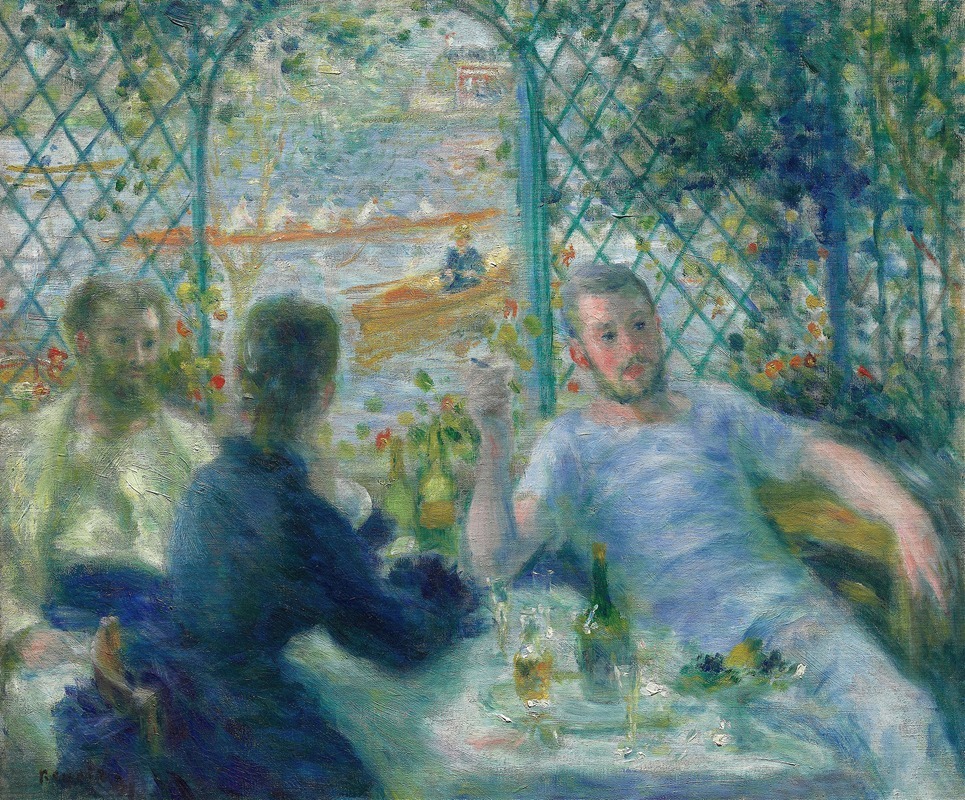
Lunch at the Restaurant Fournaise (The Rowers' Lunch)
Pierre-Auguste Renoir
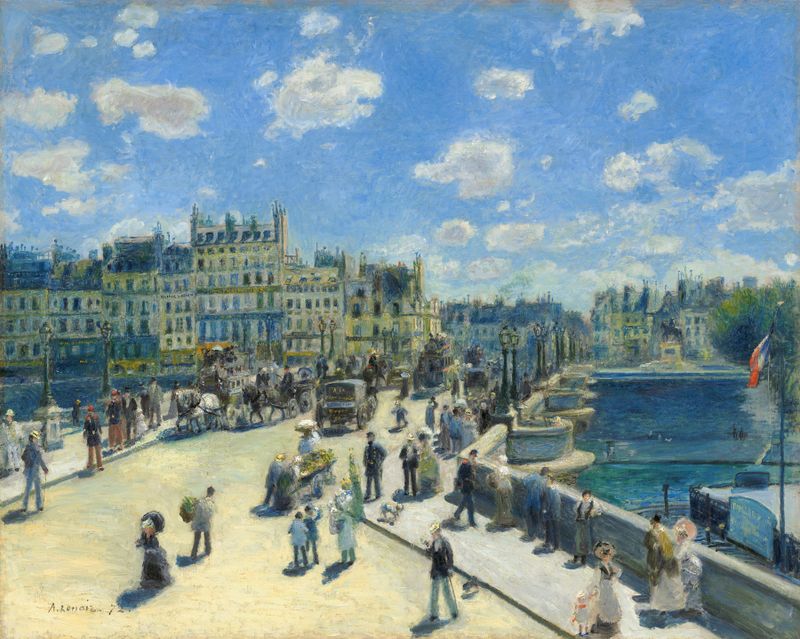
Pont Neuf, Paris
Pierre-Auguste Renoir
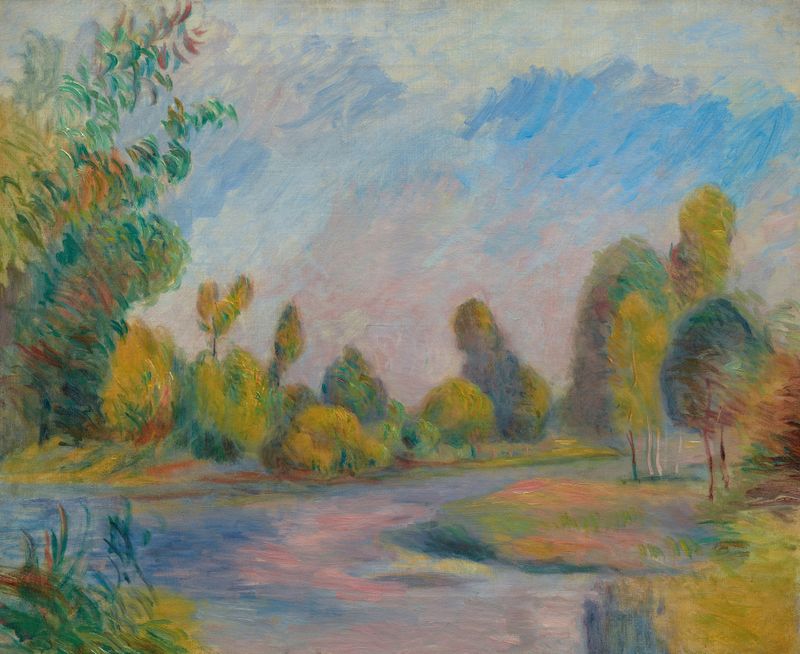
Au bord de la rivière
Pierre-Auguste Renoir

Near the Lake
Pierre-Auguste Renoir
The Mussel Harvest
Pierre-Auguste Renoir

The Seine at Chatou
Pierre-Auguste Renoir
La Grenouillère
Pierre-Auguste Renoir
In Brittany (En Bretagne)
Pierre-Auguste Renoir
Paysage d’Essoyes
Pierre-Auguste Renoir





