Discover insights about this artwork
Le garage des bateaux-omnibus — History & Facts
In the world of art, the dance between turmoil and tranquility often reveals deeper truths that resonate with our human experience. Look to the center of Le garage des bateaux-omnibus, where boats rest like slumbering giants, their forms a testament to both industry and stillness. The artist employs a palette of muted earth tones, creating a harmonious balance that belies the chaotic surroundings. Notice how the sharp angles of the boats contrast with the soft curves of the reflections in the water, inviting your gaze to explore the delicate interplay between form and fluidity. Delve into the details, where the lively brushstrokes convey a bustling scene, yet each stroke whispers of serenity.
The juxtaposition of the robust vessels and the gentle ripples of water hints at an underlying tension between human endeavor and nature's embrace. This duality evokes a sense of nostalgia, reminding us of the fragility of progress amid the chaos of daily life. Created during a period of significant transformation in France, the artist produced this work between 1870 and 1918, a time marked by technological advancements and societal shifts. Influenced by the Impressionist movement yet grounded in realism, he sought to capture the essence of modern life against the backdrop of a world in flux.
This piece reflects not only his artistic evolution but also the broader dialogue within the art community about the intersection of nature and industrialization.
More Artworks by Auguste Louis Lepère
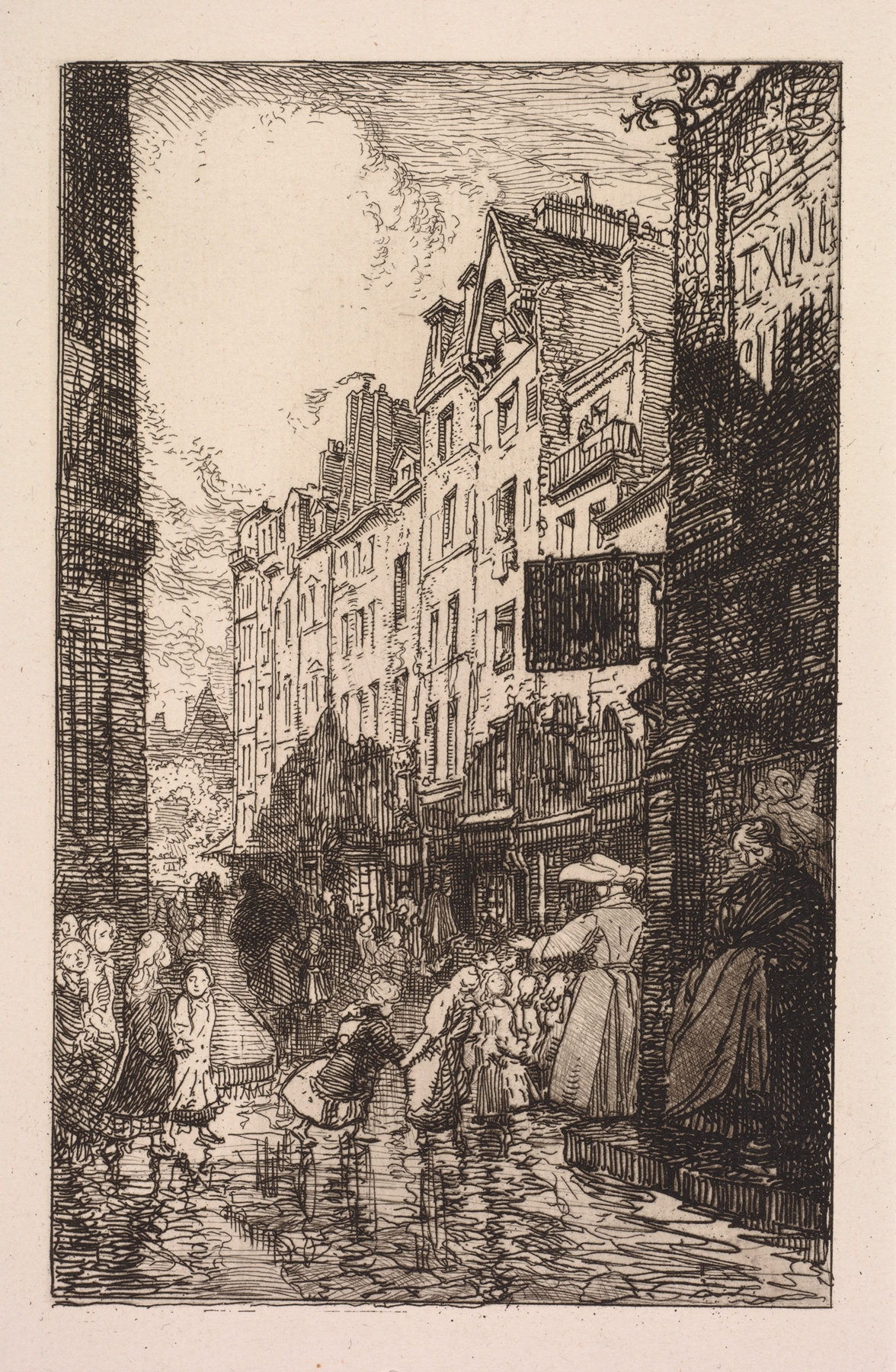
La Rue des Prêtres Saint-Séverin
Auguste Louis Lepère
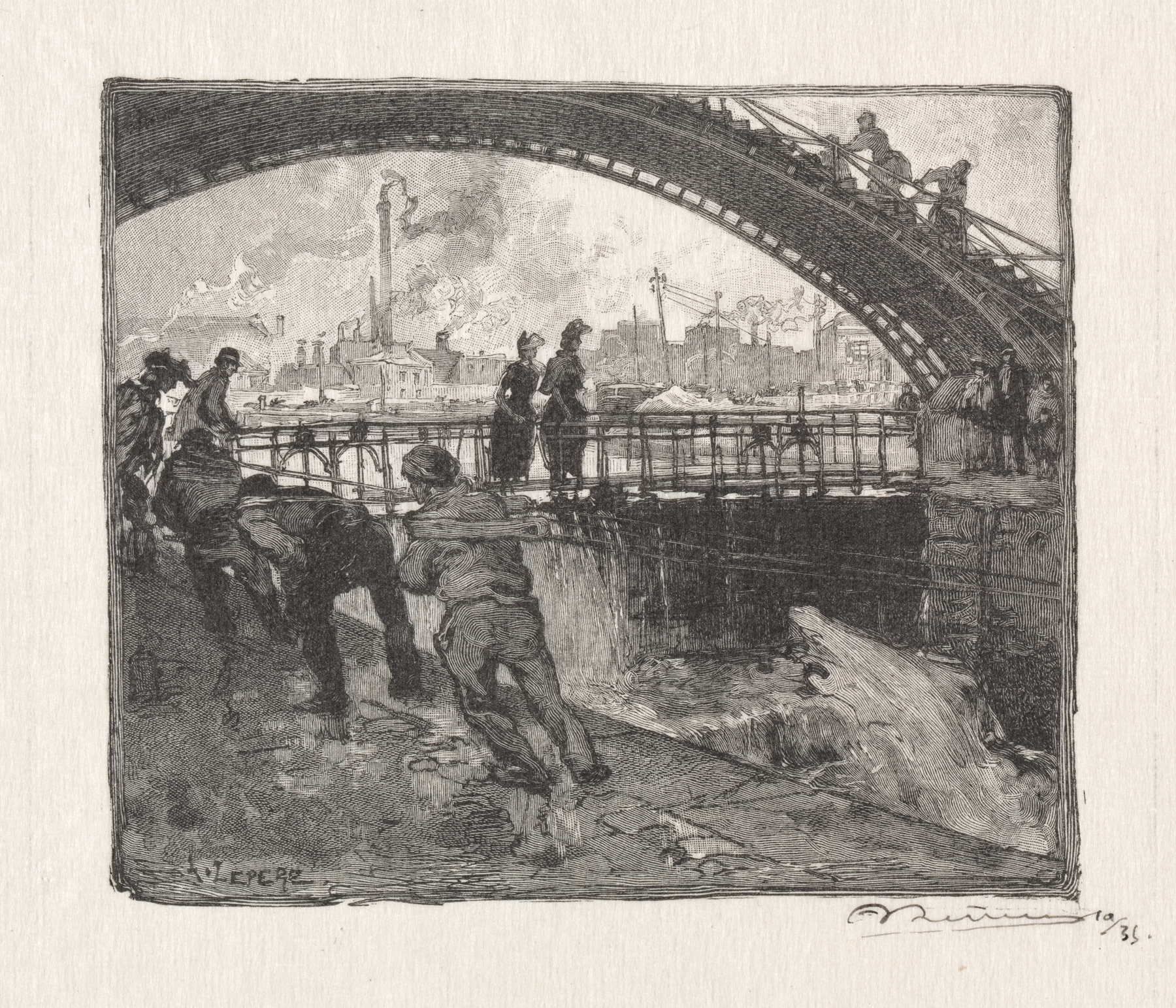
L’Ecluse du Canal St. Martin
Auguste Louis Lepère
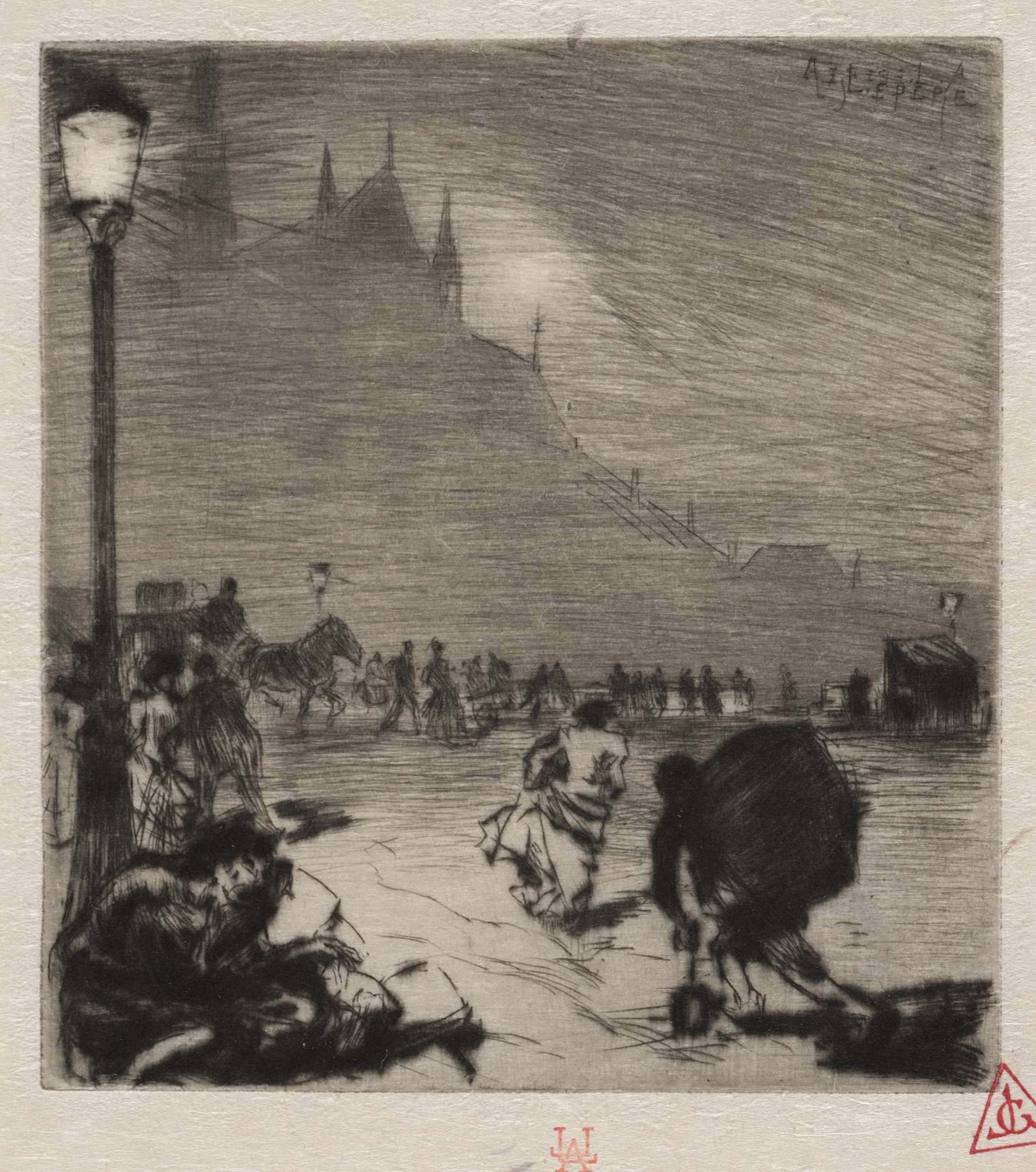
Au Coin du Pont-aux-Doubles
Auguste Louis Lepère
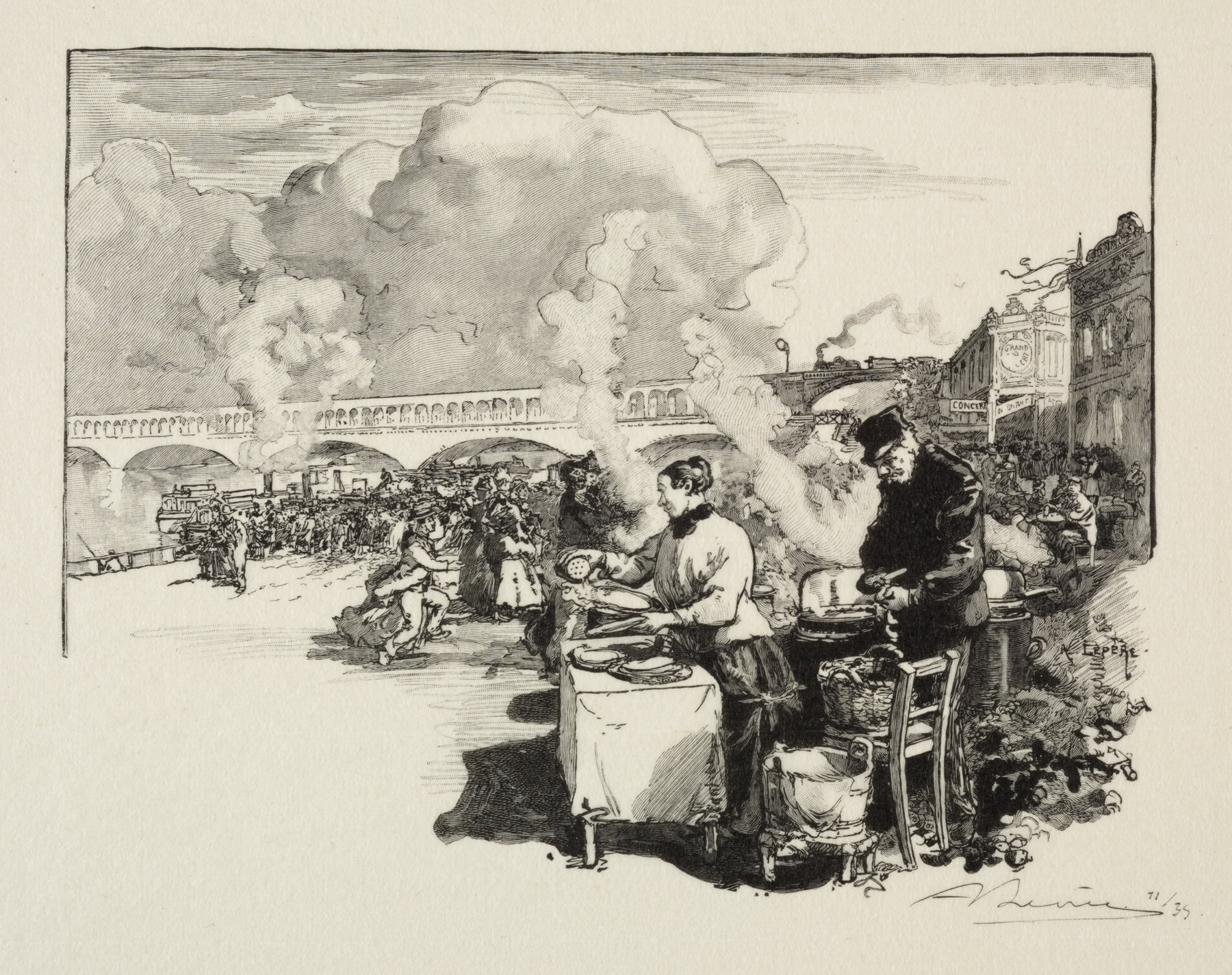
Debarcadère des bateaux-omnibus
Auguste Louis Lepère
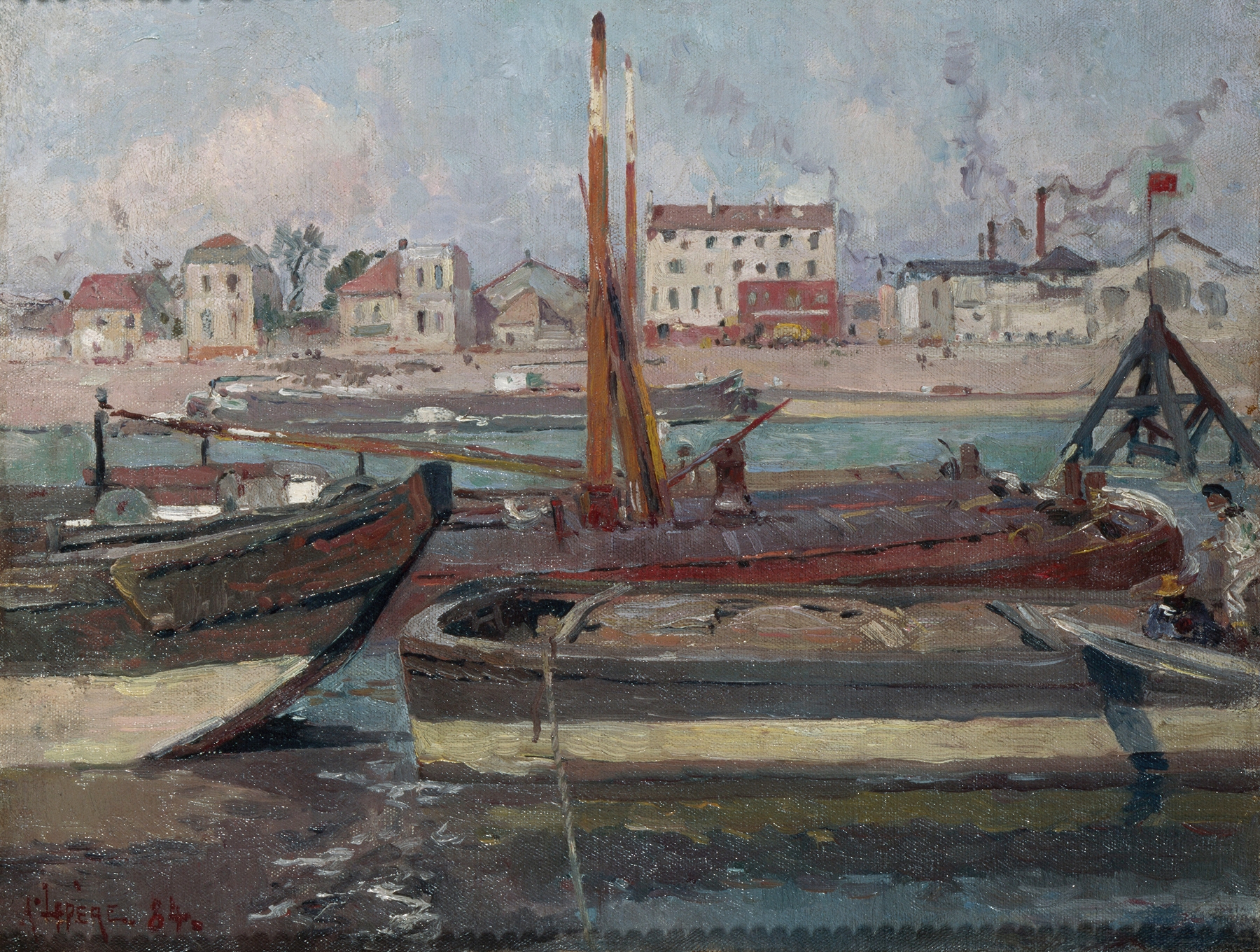
La Seine, au quai de la Rapée
Auguste Louis Lepère
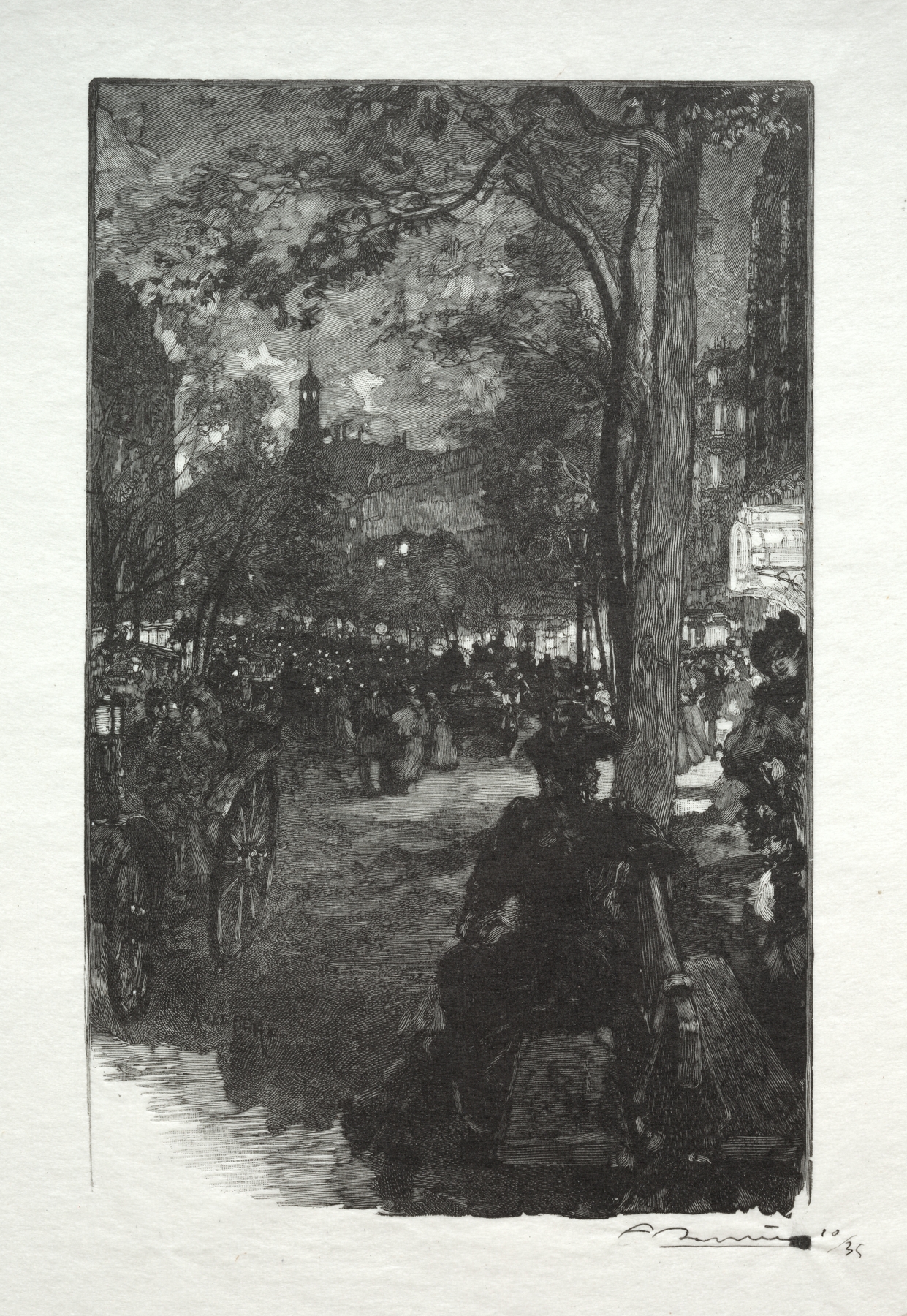
Le Boulevard Montmartre, le Soir
Auguste Louis Lepère

Une Chasse au Mont Gérard
Auguste Louis Lepère
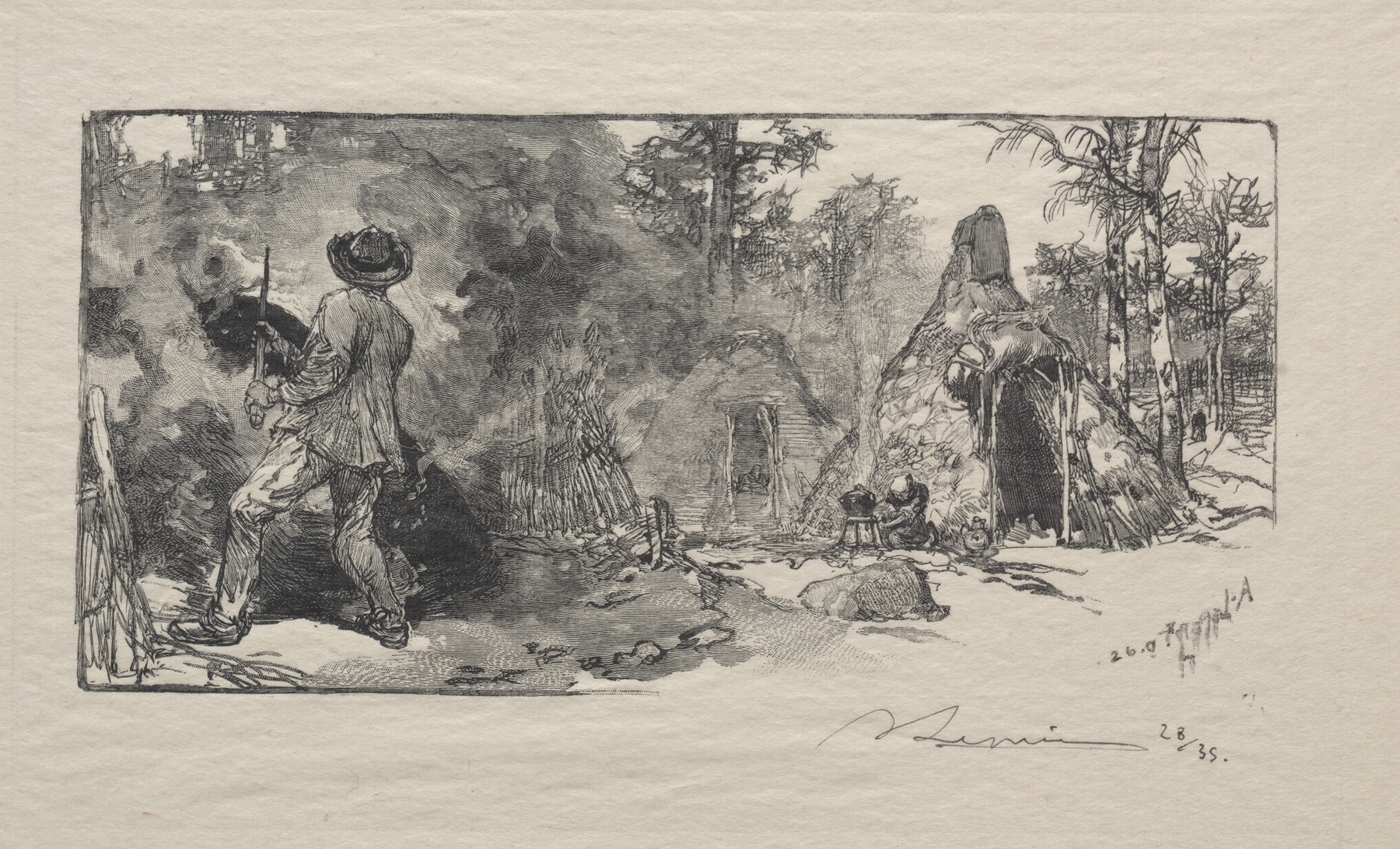
Les Charbonniere
Auguste Louis Lepère
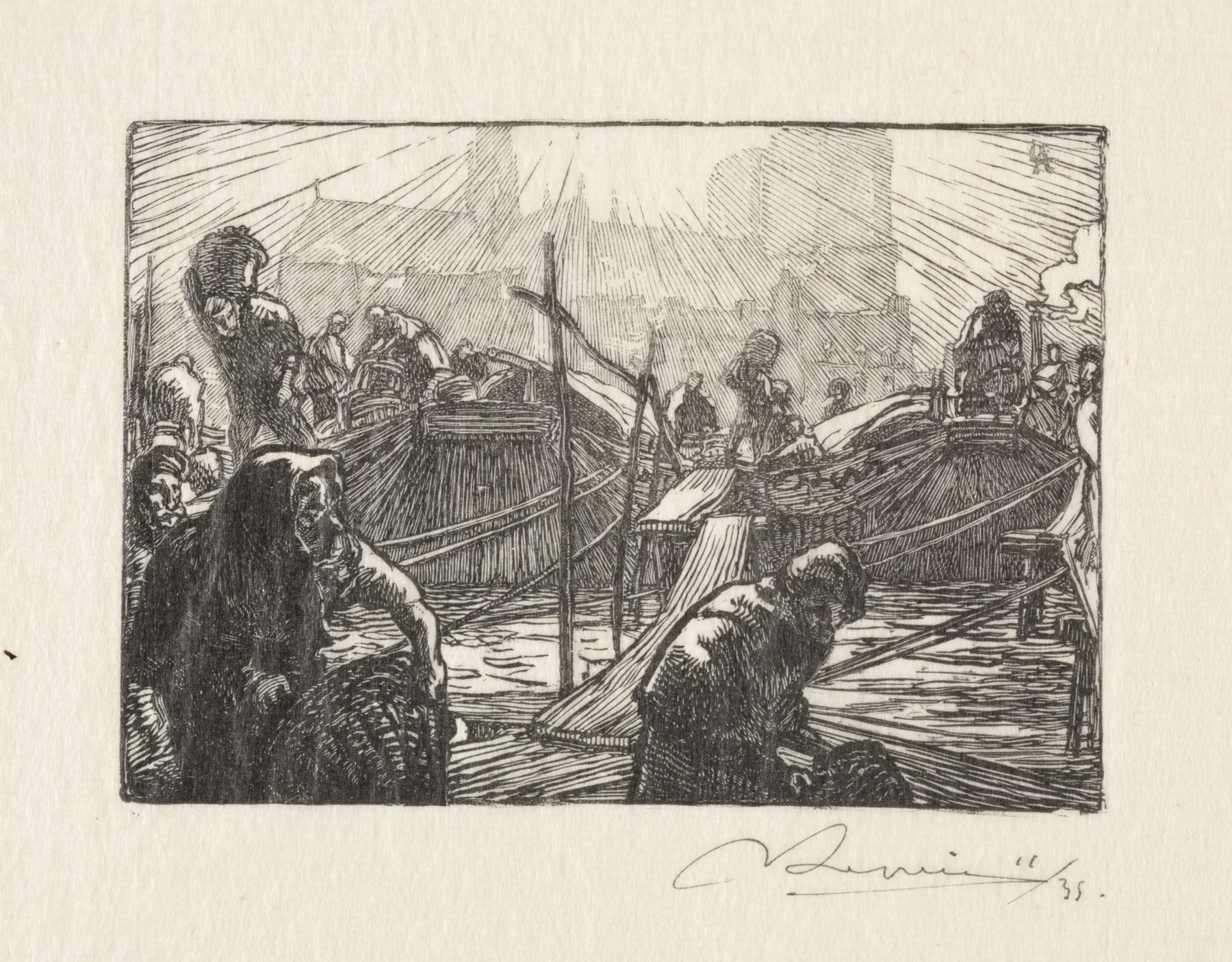
Notre Dame vue du Marché aux pommes
Auguste Louis Lepère
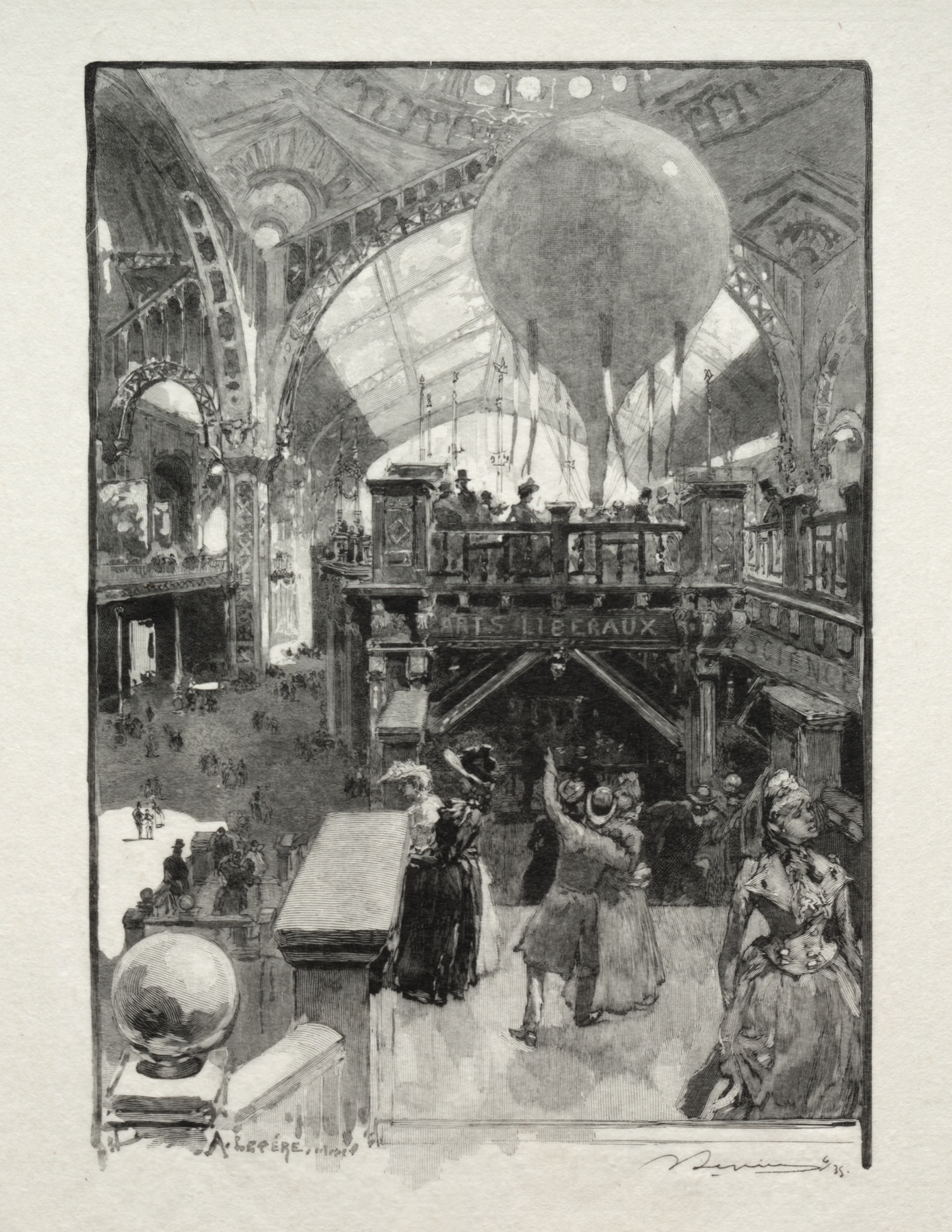
Le Palais des Arts Liberaux, Intèrieur
Auguste Louis Lepère