
Le jardin de Vernon — History & Facts
What if beauty was never meant to be finished? In Le jardin de Vernon, a vibrant celebration of life unfolds, beckoning us to awaken to the splendor of nature. Look to the left at the lush greens that envelop the scene, where dappled light filters through foliage, casting playful shadows on the ground. The artist employs a rich palette, with hues of emerald and gold blending seamlessly, inviting an exploration of the garden’s depth. Notice how the gentle strokes create a sense of movement, as if the flowers sway with the breeze, while the composition itself offers a harmonious balance between the vibrant flora and the serene, sunlit space. Hidden within this idyllic portrayal are themes of transience and renewal.
The juxtaposition of vivid blossoms against the tranquil backdrop evokes a sense of fleeting moments, a reminder of nature's cyclical rhythm. The bright splashes of color represent not just beauty, but also the impermanence of life, urging us to appreciate fleeting instances of joy. Each brushstroke seems to echo the artist’s emotional connection to this garden, blurring the lines between reality and memory. In 1927, Bonnard was deeply engaged in exploring domestic interiors and landscapes, influenced by the Post-Impressionist movement and his fascination with light.
Living in the south of France, he painted this piece during a period of significant artistic evolution, where his vibrant, emotive style began to flourish. It reflects not only his personal journey but also a broader movement towards capturing the essence of everyday beauty, leaving an indelible mark on modern art.
More Artworks by Pierre Bonnard
Browse all →
Les deux fiacres (Boulevard des Batignolles)
Pierre Bonnard

Le Balcon Et L’ombrelle
Pierre Bonnard

Paysage de Vernon
Pierre Bonnard

Place Pigalle at Night
Pierre Bonnard
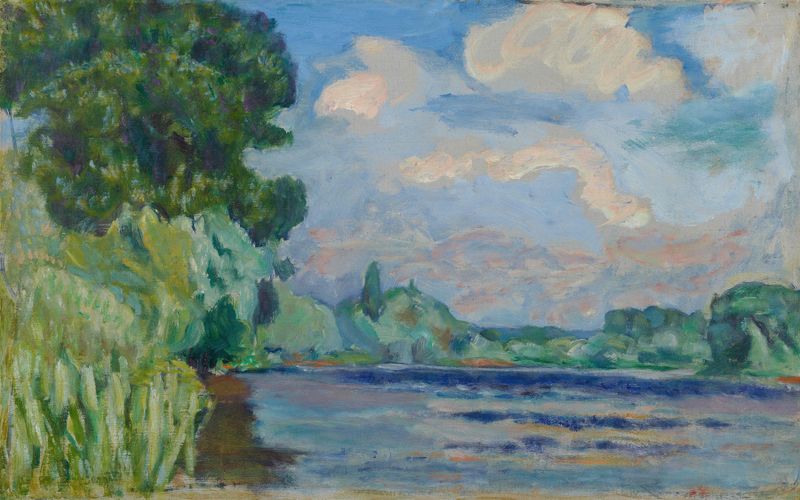
La Seine à Vernon
Pierre Bonnard

Les Toits
Pierre Bonnard
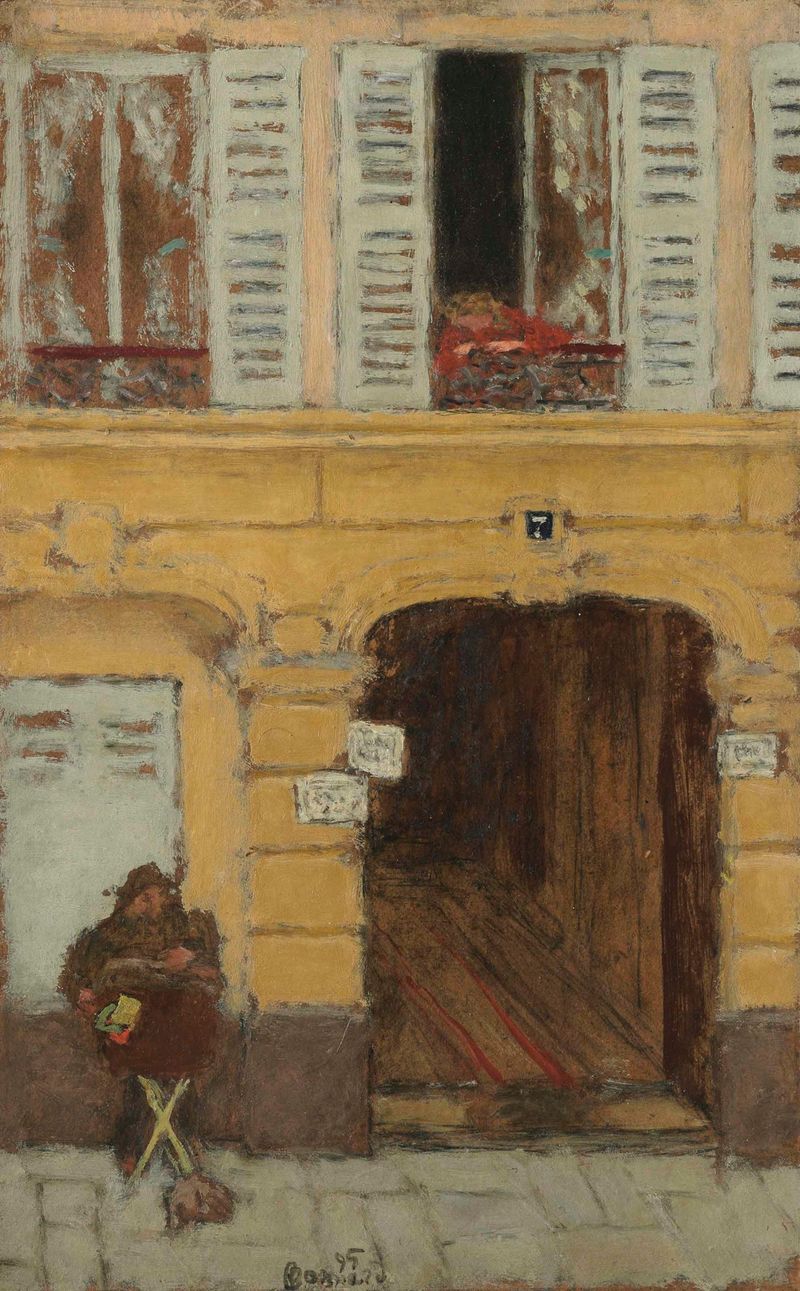
L’orgue de Barbarie ou Le joueur d’orgue
Pierre Bonnard

Paysage de Saint-Tropez
Pierre Bonnard

Soleil Couchant
Pierre Bonnard
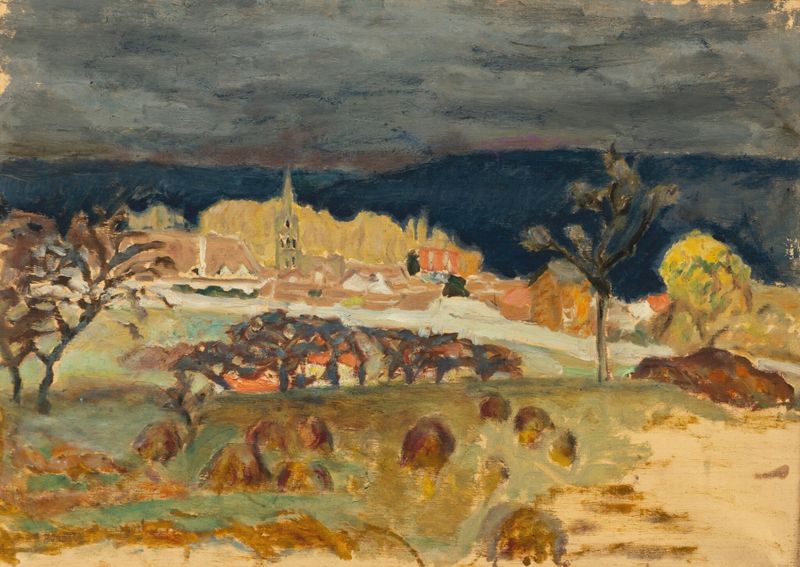
Village, ciel d’orage
Pierre Bonnard





