Le jardin fleuri — History & Facts
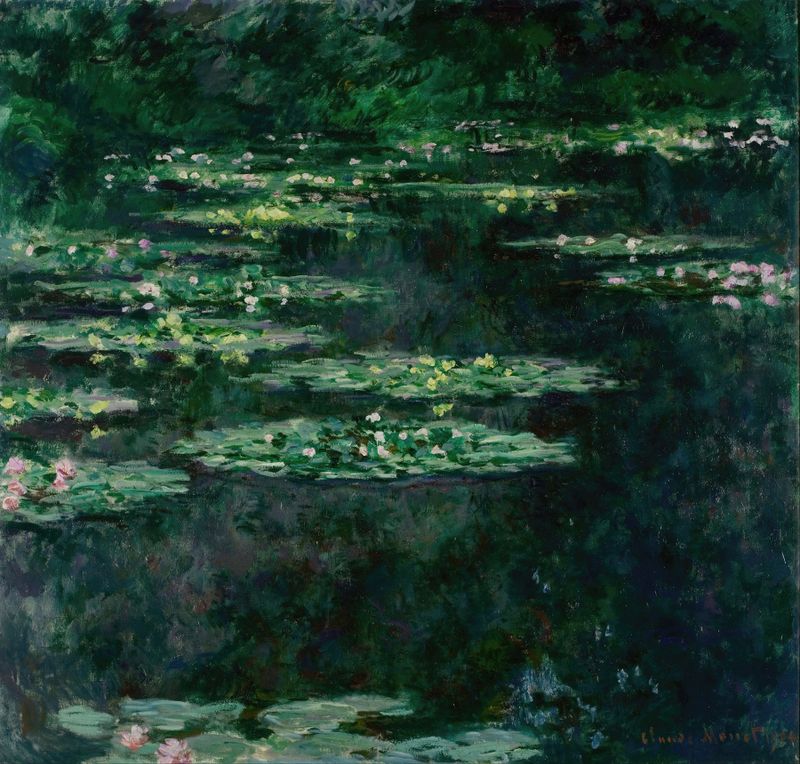
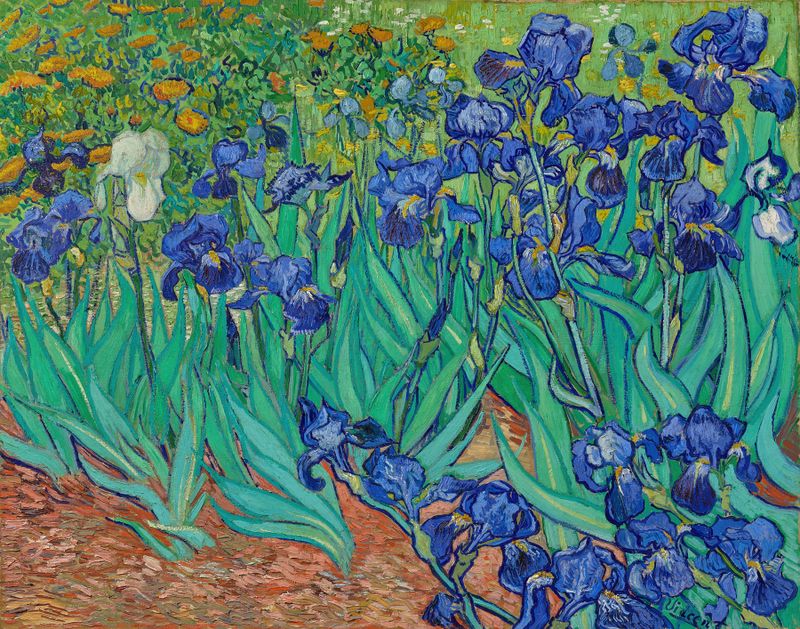
In the delicate blooms of a garden, longing intertwines with the ephemeral nature of life itself. Focus on the vibrant explosion of colors; the lush greens that cradle vivid roses and irises invite you to step closer. Notice how Marquet uses dappled light to play across the petals, illuminating their soft curves and casting gentle shadows—each brushstroke a whisper of life. The composition deftly balances abundance with space, allowing the viewer to breathe amidst the floral exuberance. Yet, within this harmony lies a subtle tension.
The flowers, almost too perfect, suggest fragility, an undercurrent of inevitable decay waiting to unfurl. The use of warm hues hints at nostalgia, evoking a bittersweet yearning for moments that are both beautiful and fleeting. Look closely—the meticulous detail of each bloom contrasts with the blurred edges that hint at the artist's own transient emotions, making every glance an exploration of longing and loss. Created between 1943 and 1945, during a tumultuous period in history, the artist captured a fragment of serenity amid chaos.
Living in France during World War II, Marquet’s work reflects both the joy of nature and the poignant longing for peace. The garden becomes a sanctuary, a personal refuge through which he navigates the complexities of his time, revealing the delicate balance of beauty and sorrow that defines not only his art but the human experience.
More Artworks by Albert Marquet
Browse all →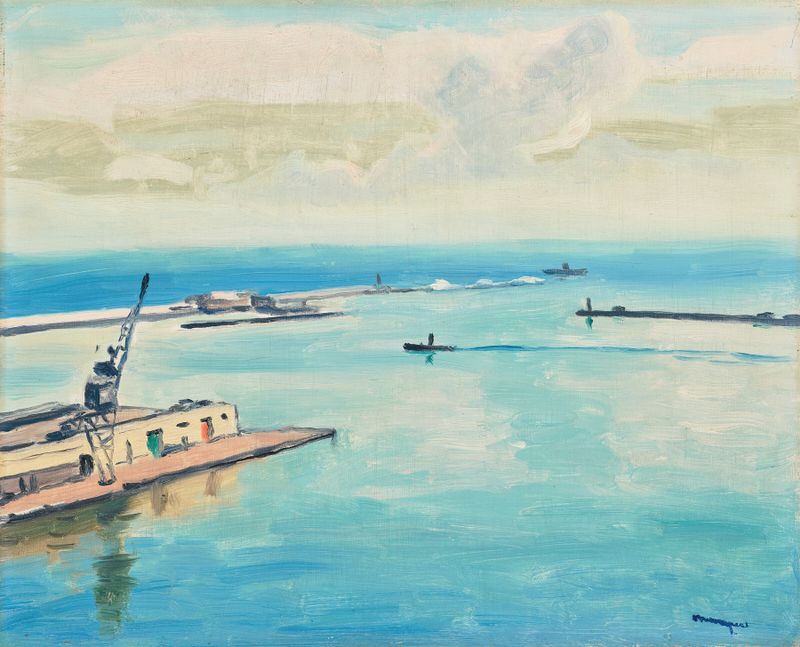
Le Port d’Alger
Albert Marquet
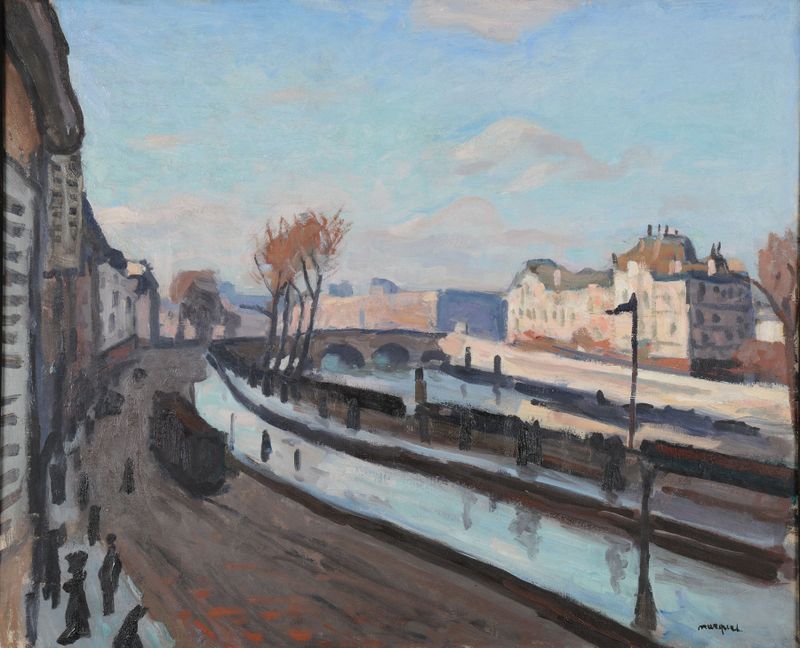
Le quai des Grands Augustins
Albert Marquet
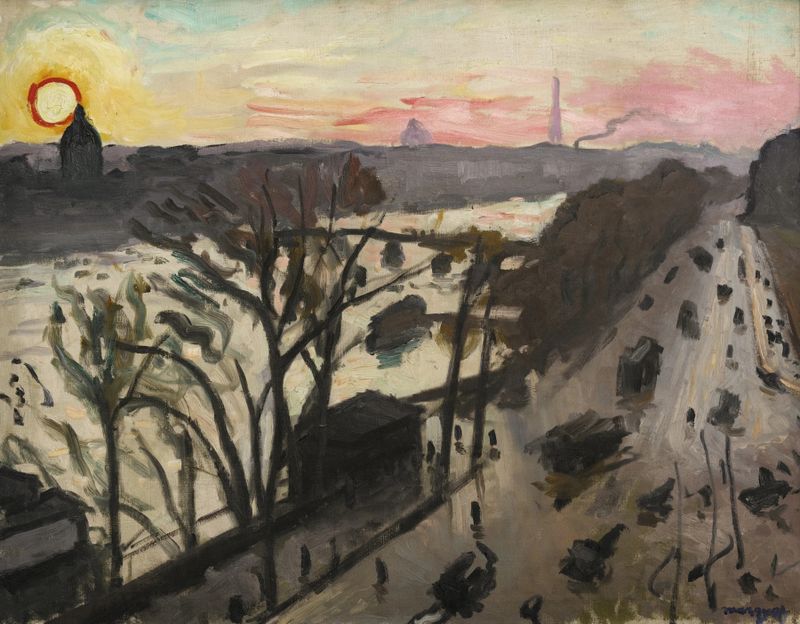
Paris, quai du Louvre, soleil d’hiver
Albert Marquet
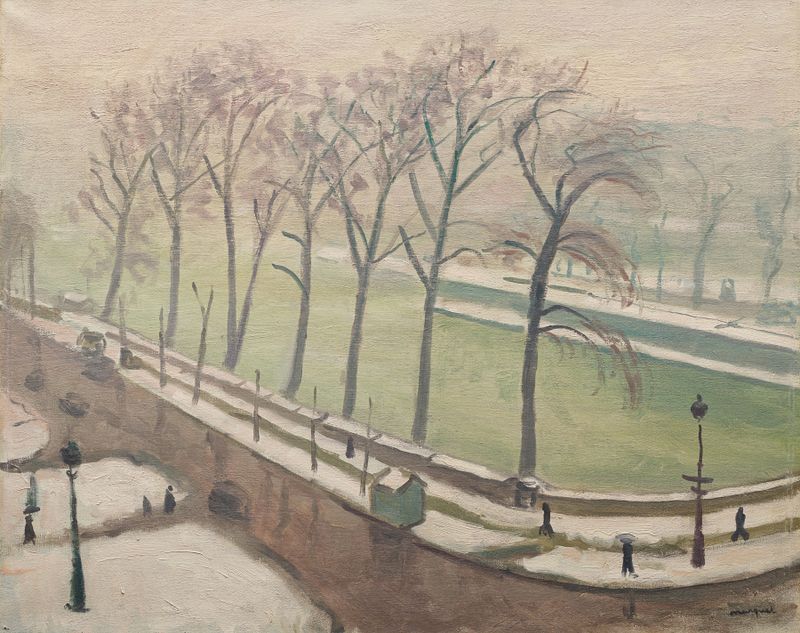
Pont-Neuf sous la neige
Albert Marquet
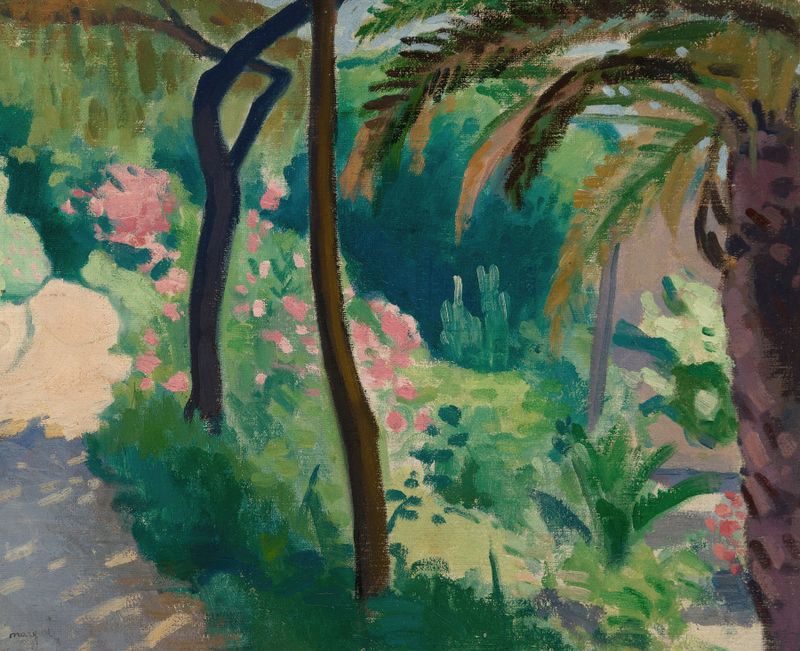
Le jardin à l’Estaque
Albert Marquet
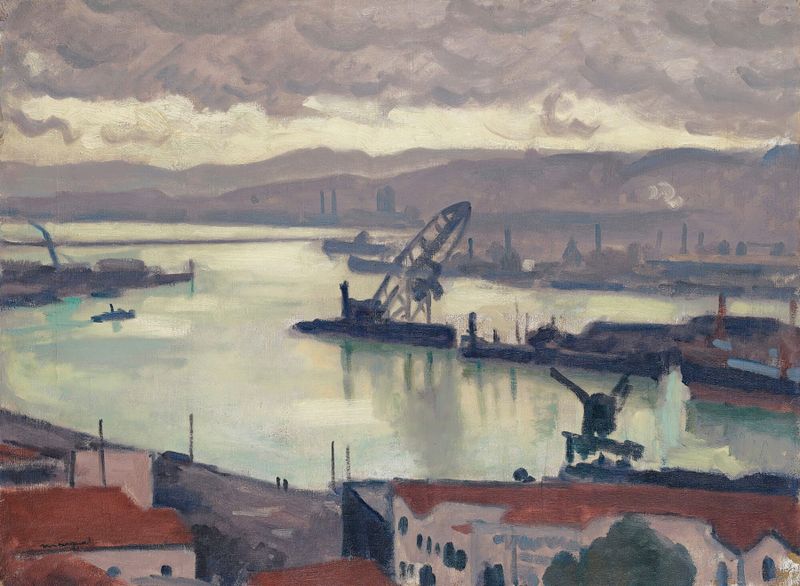
Alger, Temps Gris
Albert Marquet
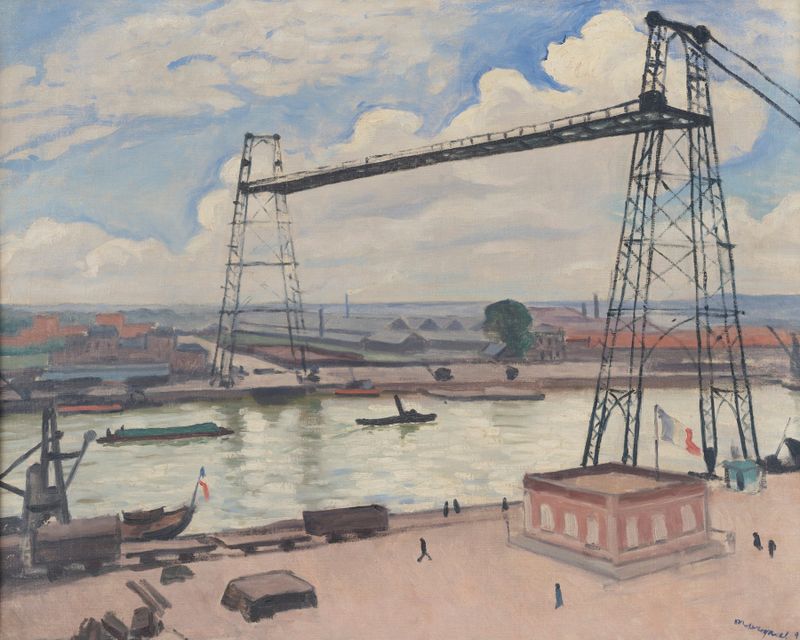
Rouen, le pont transbordeur
Albert Marquet
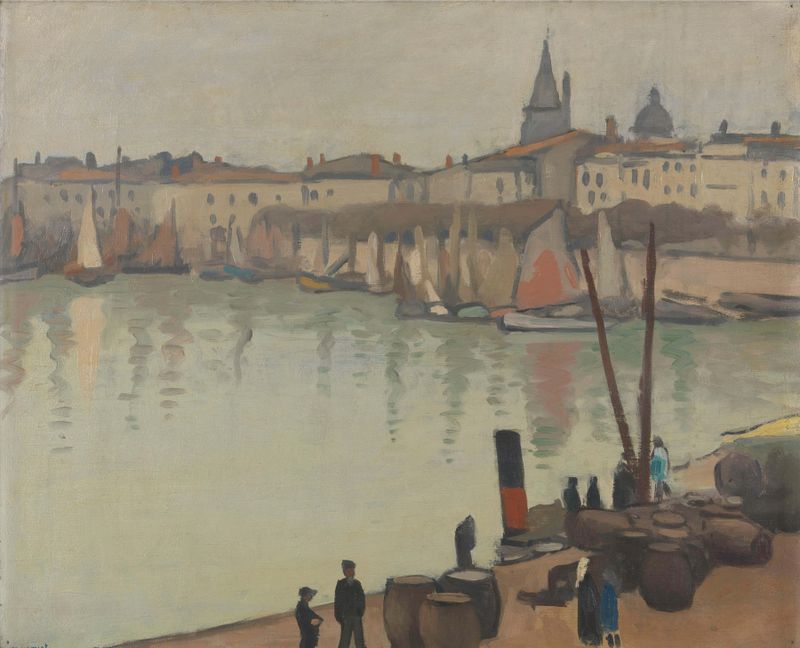
Port of La Rochelle
Albert Marquet

Berge de la Seine à Méricourt
Albert Marquet
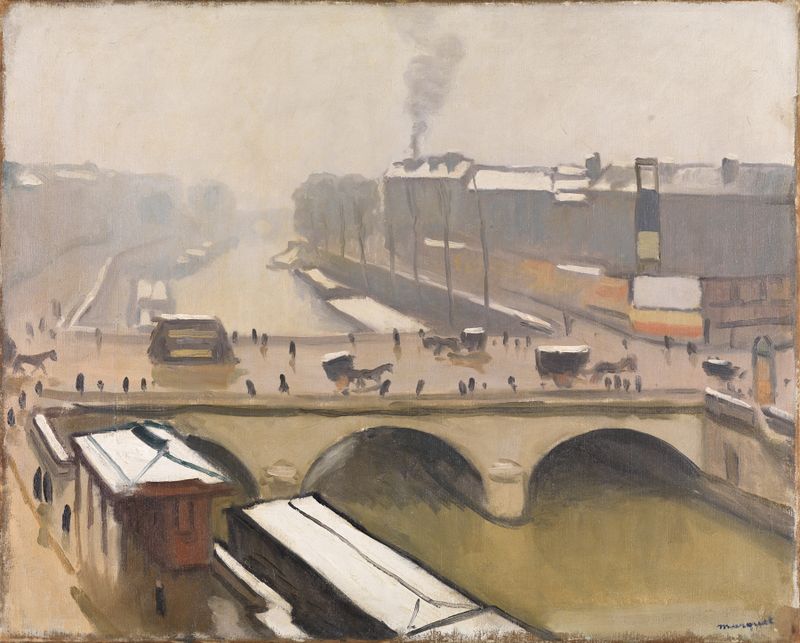
View of the Pont Saint-Michel in Paris
Albert Marquet