
Le jeu — History & Facts
In Le jeu, Henri Fantin-Latour depicts a lively scene filled with children engaged in play. The painting features a vibrant palette, with bright colors that evoke a sense of joy and movement. The figures are animated, capturing the innocence and exuberance of childhood.
The setting appears to be an outdoor space, possibly a garden, where the children are free to explore and enjoy their games. The painting is executed in oil on canvas, a common medium for Fantin-Latour. The artist's technique showcases his skill in blending colors and creating depth through light and shadow. The brushwork is lively, adding to the dynamic feel of the scene.
Viewers can appreciate the detailed expressions on the children's faces, which reflect their engagement in the moment. Le jeu was created during the late 19th century, a period when Fantin-Latour was known for his depictions of everyday life. The artist often focused on intimate scenes, capturing the essence of human experience. An interesting fact about this work is that it reflects the artist's interest in the theme of childhood, which was not as commonly explored in his time.
This painting stands out as a joyful celebration of youth and playfulness.
More Artworks by Henri Fantin-Latour
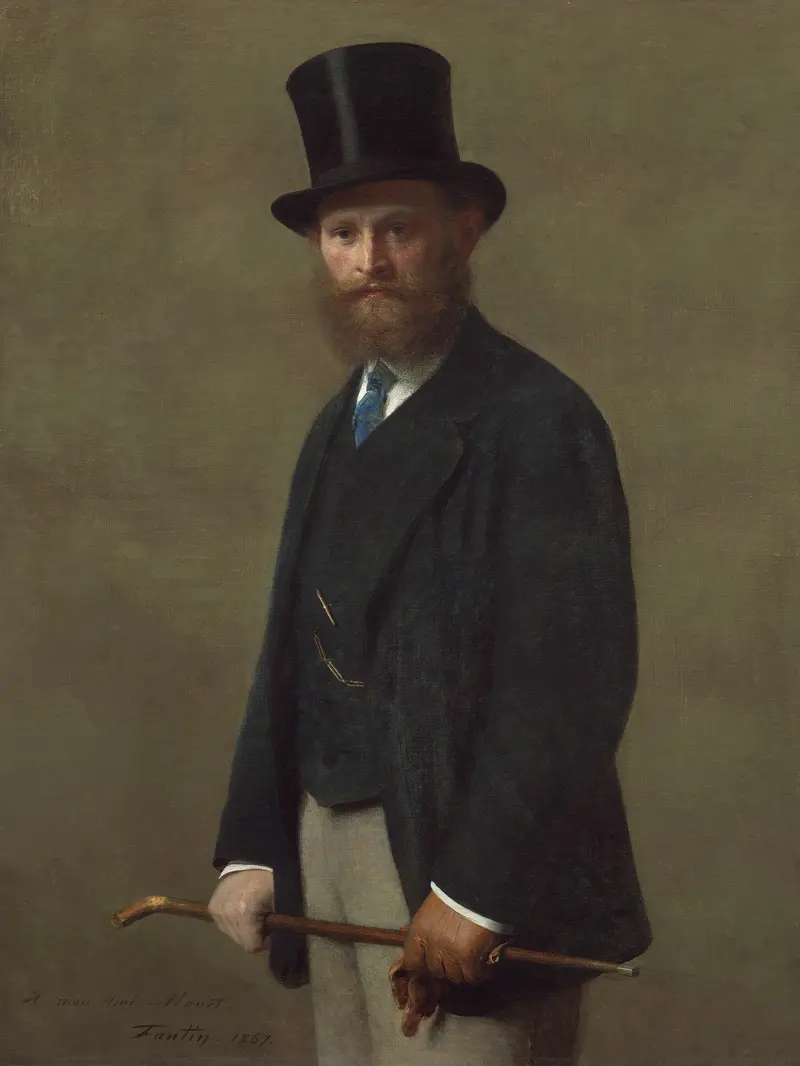
Édouard Manet
Henri Fantin-Latour
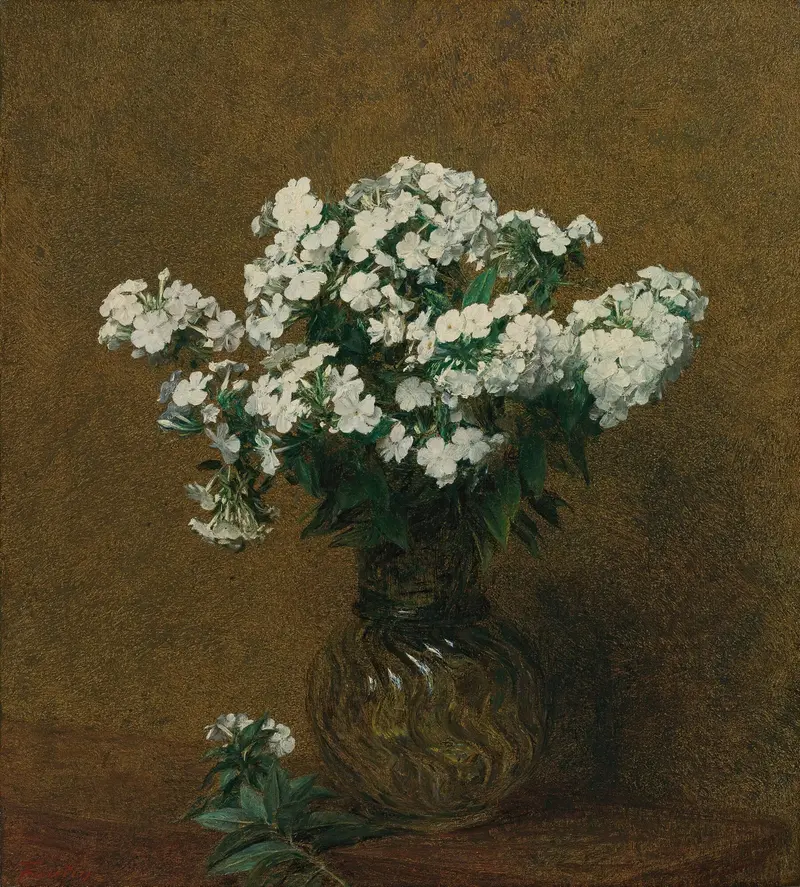
Phlox Blancs Dans Un Vase
Henri Fantin-Latour
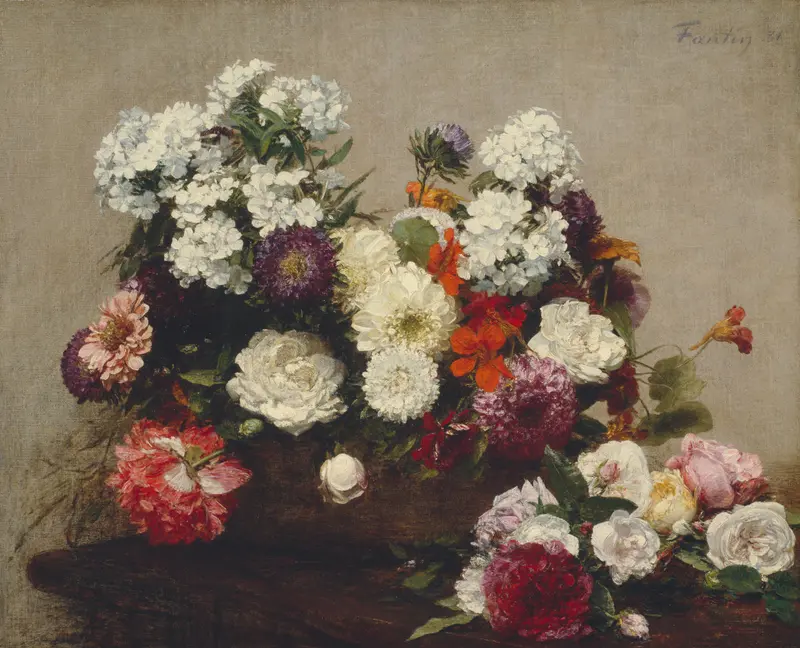
Still Life with Flowers
Henri Fantin-Latour
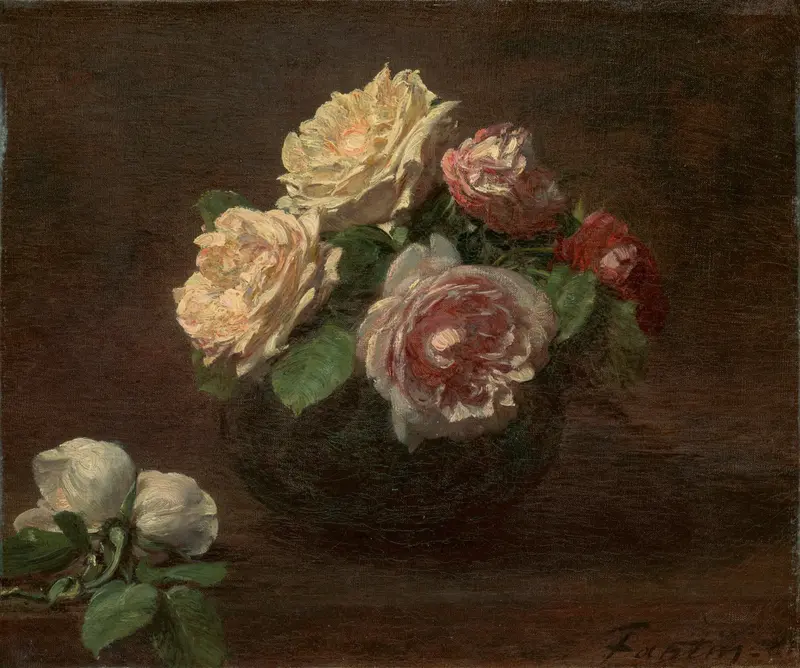
Roses in a Bowl
Henri Fantin-Latour
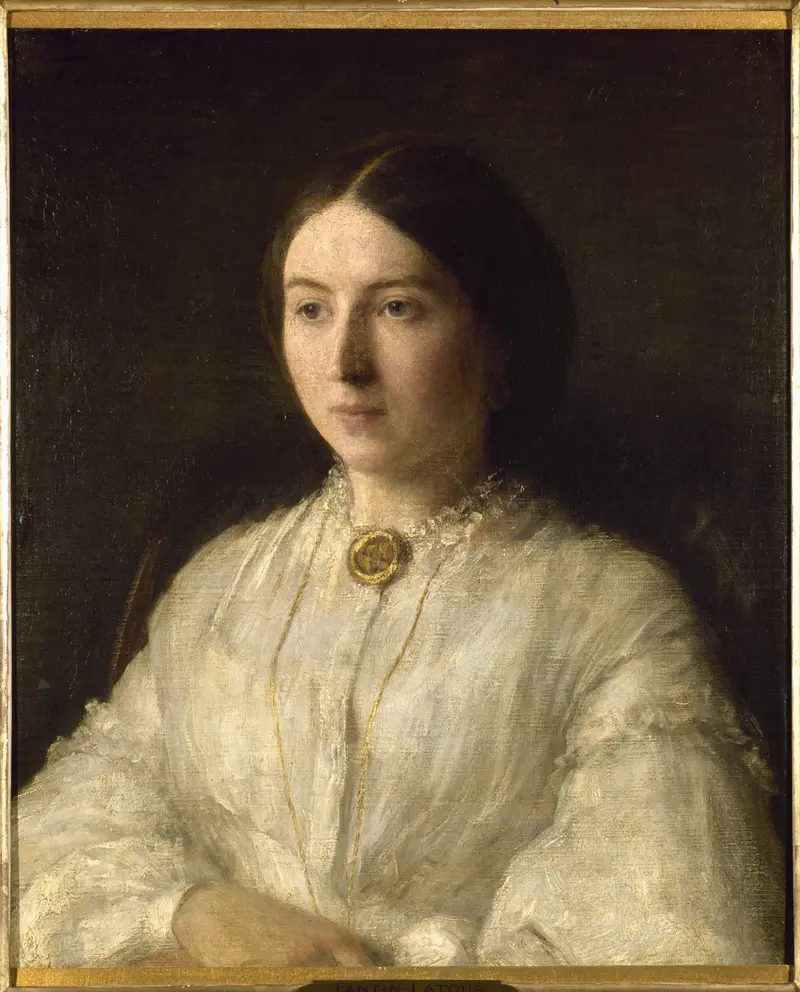
Portrait de Mme Edwin Edwards
Henri Fantin-Latour
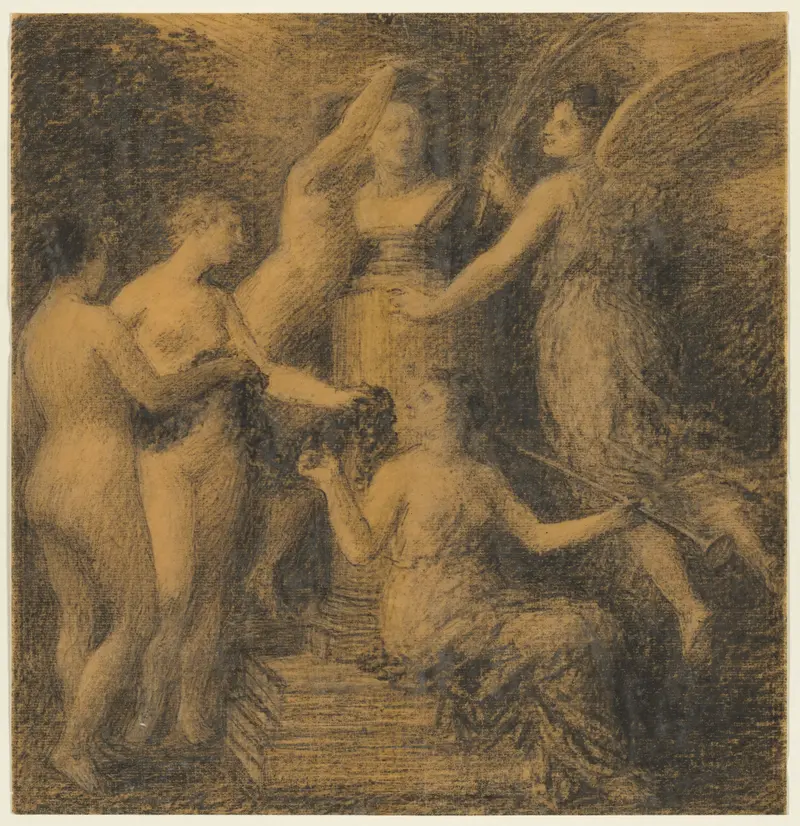
Homage to Rossini
Henri Fantin-Latour
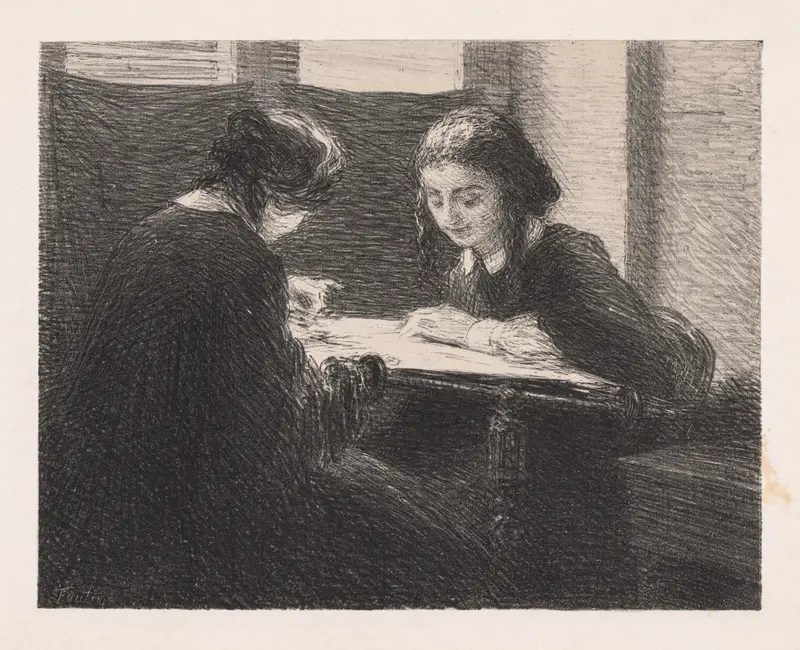
The Embroideres (Les Brodeuses)
Henri Fantin-Latour
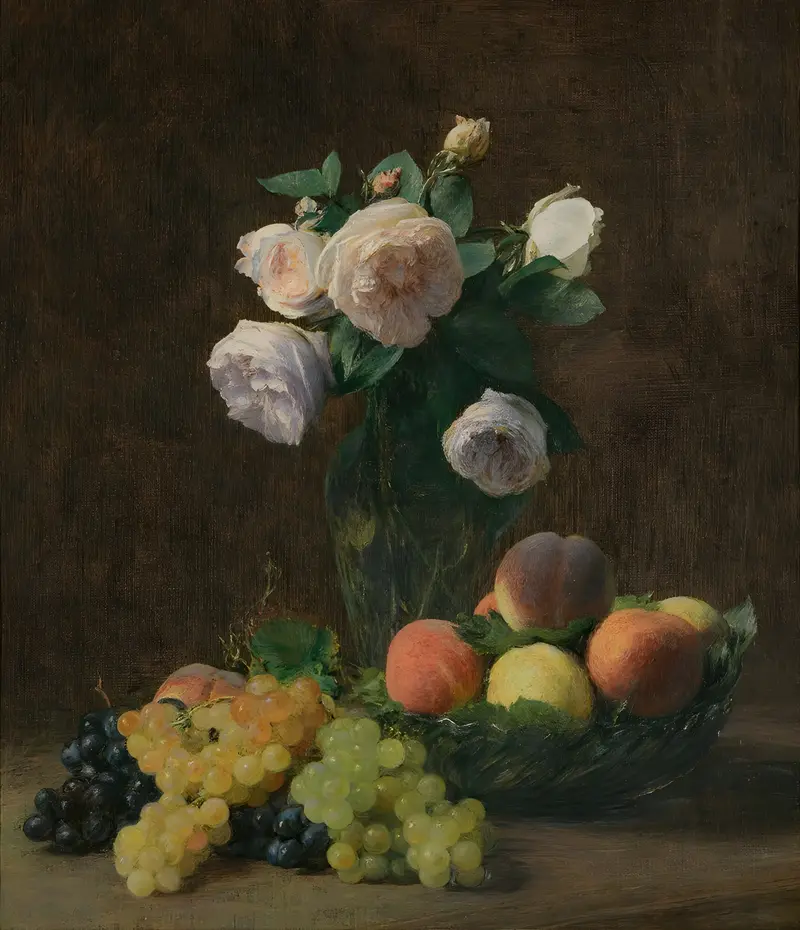
Nature Morte; Vase De Roses, Pêches Et Raisins
Henri Fantin-Latour
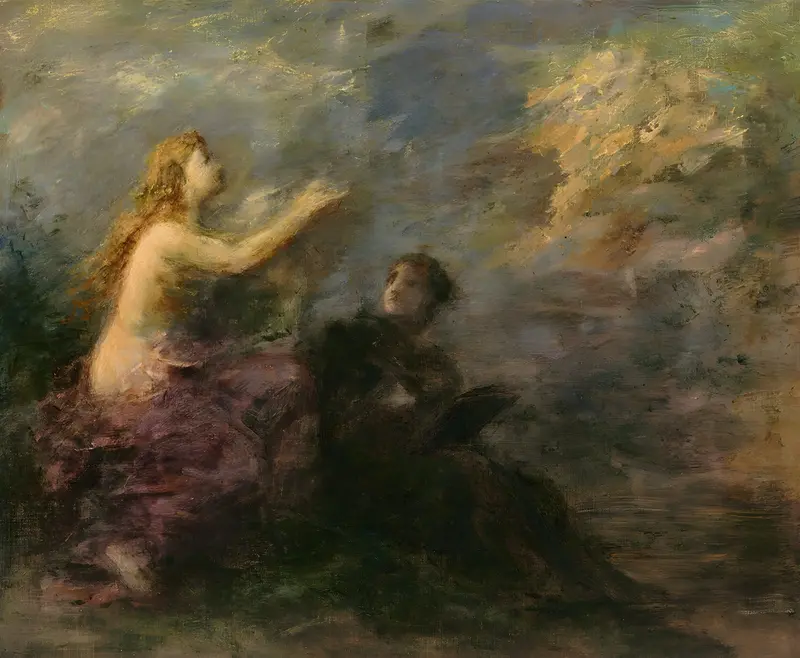
Inspiration
Henri Fantin-Latour
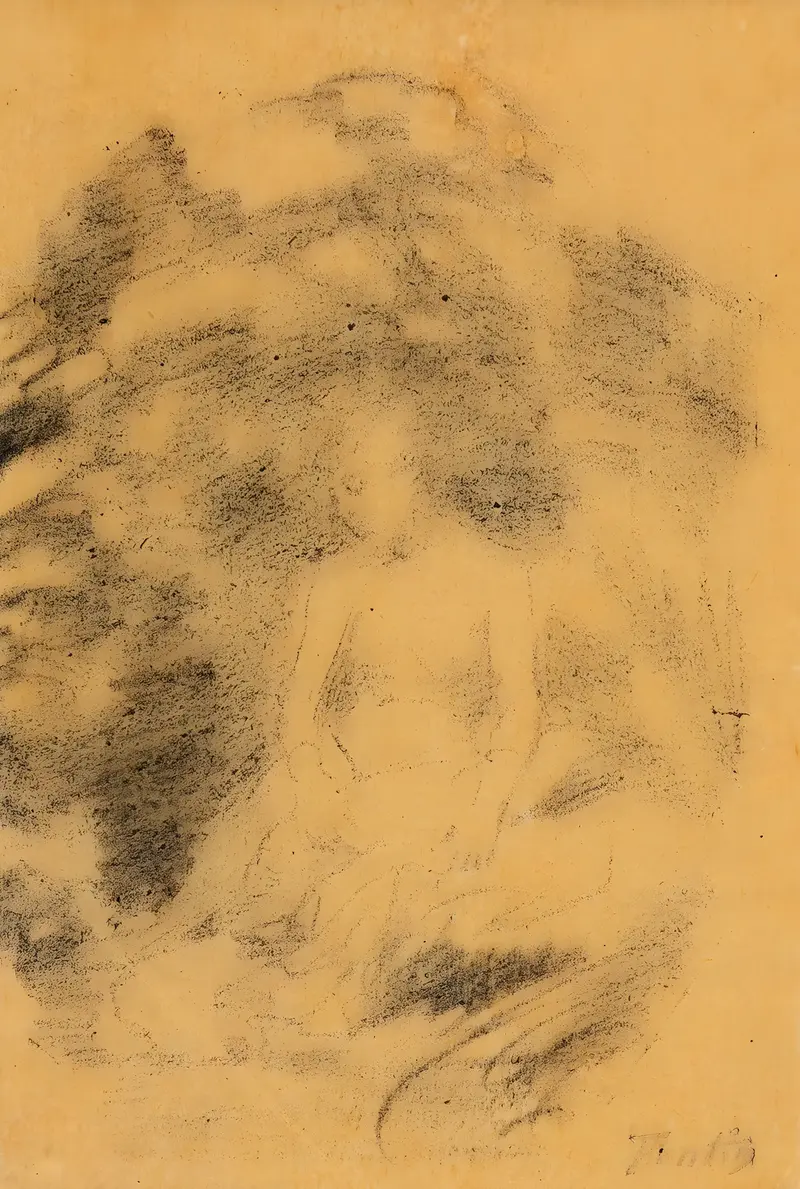
Nude study
Henri Fantin-Latour
More Genre Scene Art

Banquet of the Officers of the St George Civic Guard
Frans Hals

Rembrandt and Saskia in the Scene of the Prodigal Son
Rembrandt van Rijn

Bal du moulin de la Galette
Pierre-Auguste Renoir

Quadrille at the Moulin Rouge
Henri de Toulouse-Lautrec

A Burial at Ornans
Gustave Courbet

When Will You Marry?
Paul Gauguin