
Le Lavoir (Vue et ruines du Château de Scey-en-Varais) — History & Facts
The remnants of what once thrived speak not only of decay but of stories untold, whispering secrets of a world that has faded away. Look closely at the foreground, where water gently laps at the stones of the lavoir, a public washing place, framed by the ruins of Scey-en-Varais. The muted palette of browns and greens evokes a sense of nostalgia, while the delicate brushstrokes capture the texture of eroding walls and the soft ripples of the water. Courbet’s masterful application of light hints at the passage of time, casting subtle shadows that reveal the contours of the structure, inviting the viewer to reflect on its history. Beneath the surface lies a profound tension between life and decay.
The lavoir, once a hub of community and activity, stands in stark contrast to the crumbled castle ruins, emblematic of an era long past. This juxtaposition invites contemplation of the transient nature of existence, where the vibrancy of human activity yields to the quiet inevitability of time’s passage. The stillness of the scene captures both the despair of abandonment and a haunting beauty that resonates deeply. In 1872, the artist found himself in a transitional period, immersed in the emerging Realism movement while grappling with personal challenges.
Working in his native France, Courbet sought to capture the truth of his surroundings, drawing upon his love for nature and historical subjects. The backdrop of a changing society, teetering between tradition and modernity, deeply influenced his perspective, culminating in works that reflect both his environment and the universal themes of life’s impermanence.
More Artworks by Gustave Courbet
Browse all →
Marine
Gustave Courbet
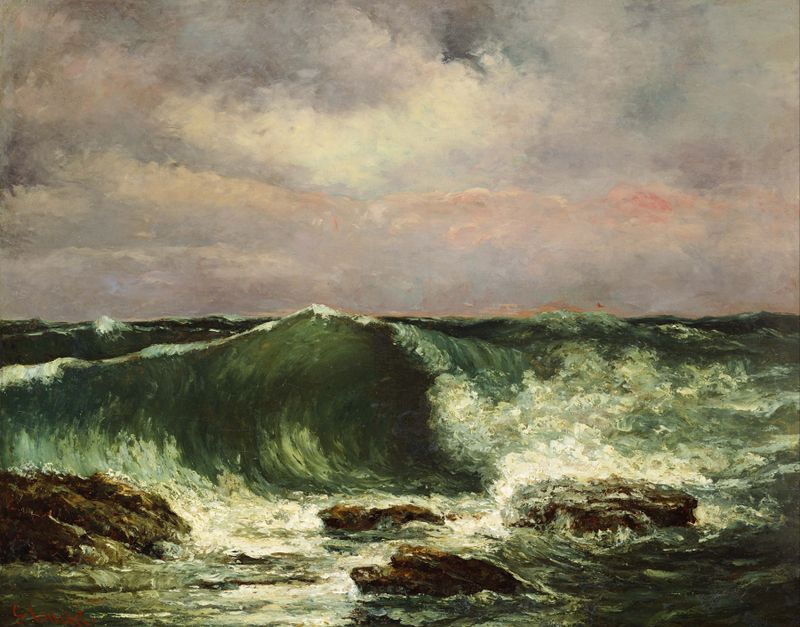
Waves
Gustave Courbet

Étretat; Les Falaises
Gustave Courbet
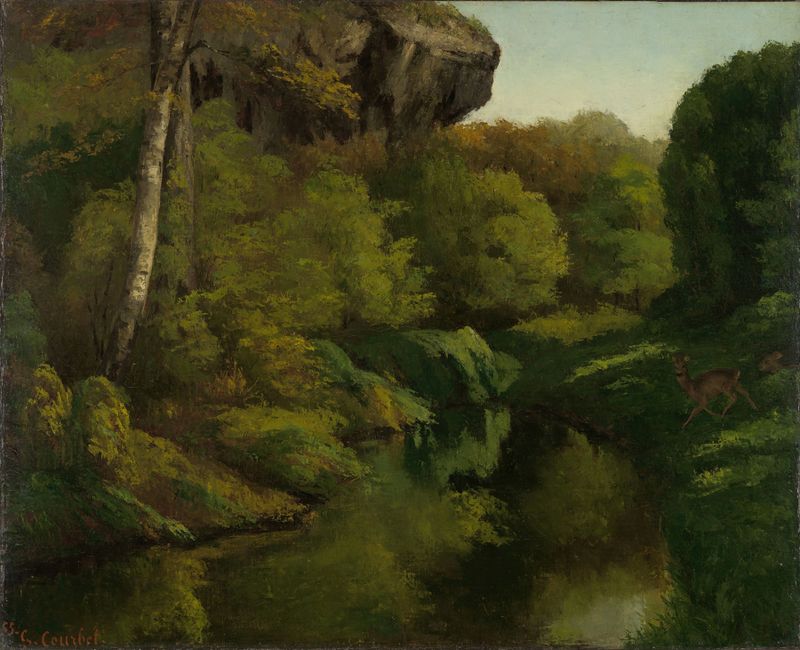
View in the Forest of Fontainebleau
Gustave Courbet
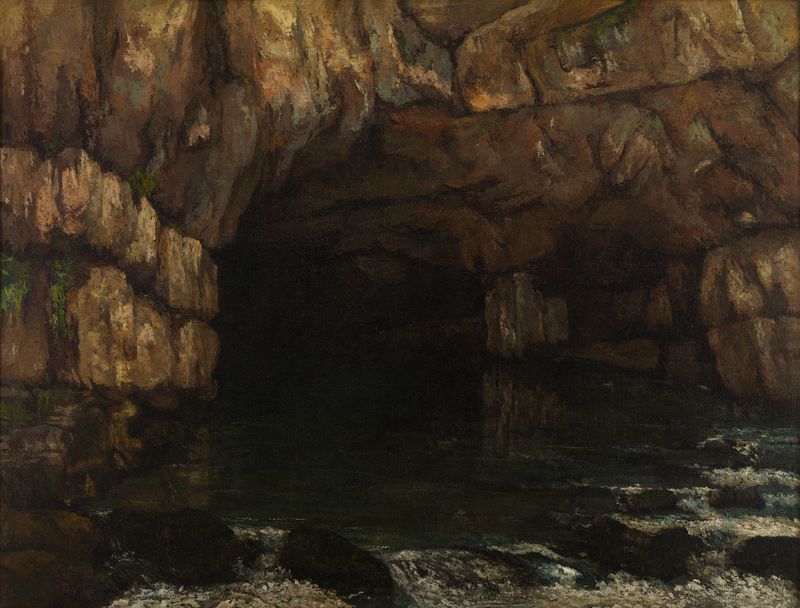
La source de la Loue (The Source of the Loue)
Gustave Courbet

Low Tide at Trouville
Gustave Courbet
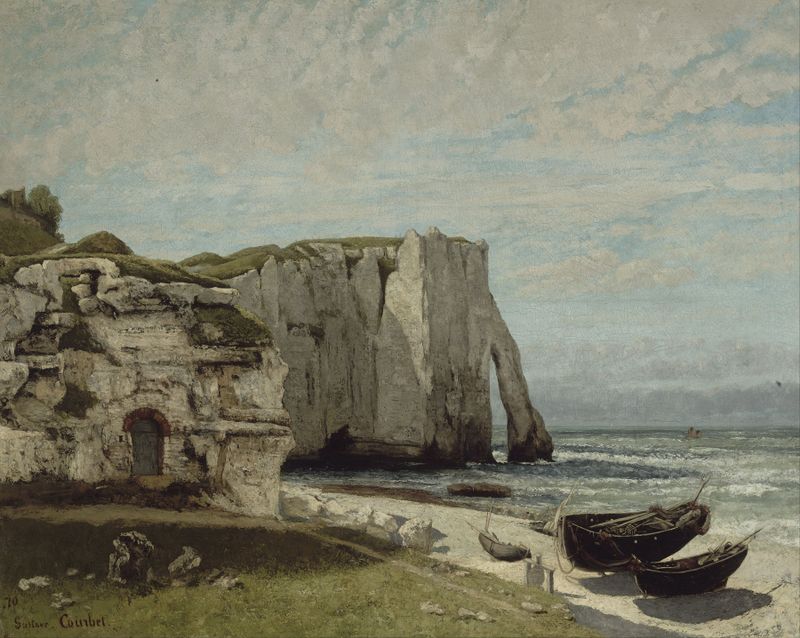
The Etretat Cliffs after the Storm
Gustave Courbet
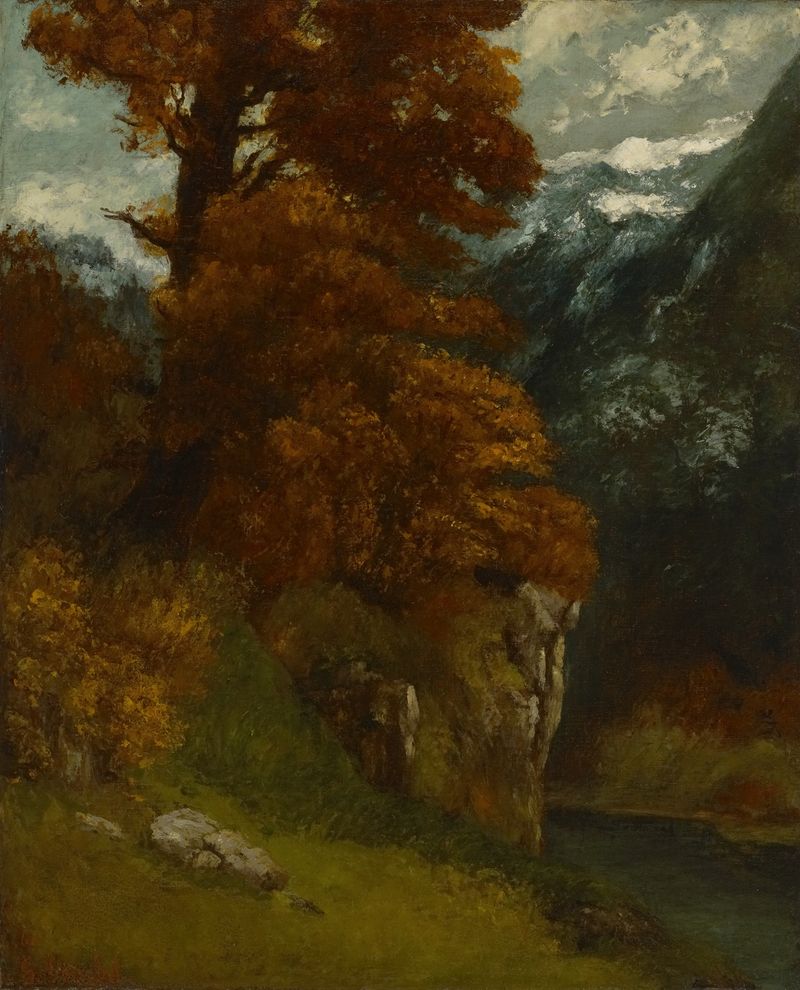
The Glen at Ornans (Bords du Doubs; Effet d’Automne)
Gustave Courbet
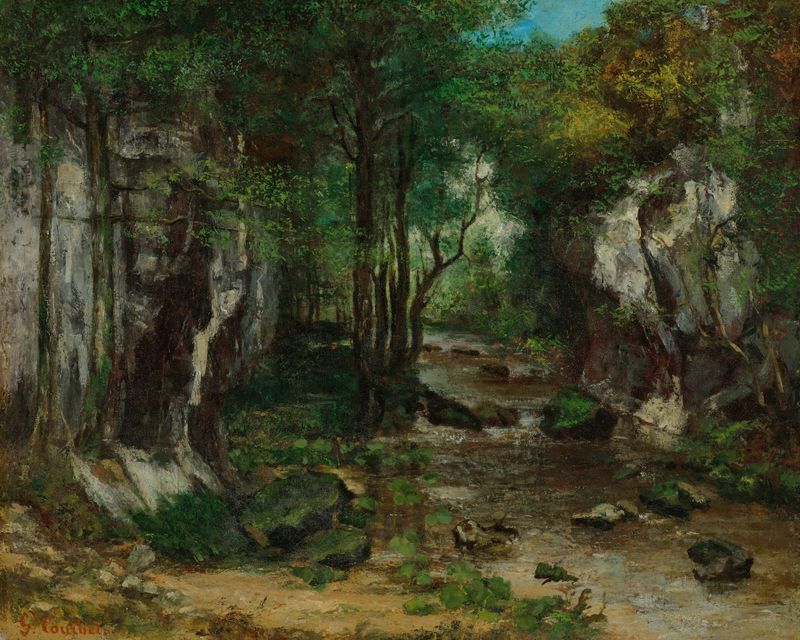
Le Ruisseau de Puits Noir
Gustave Courbet
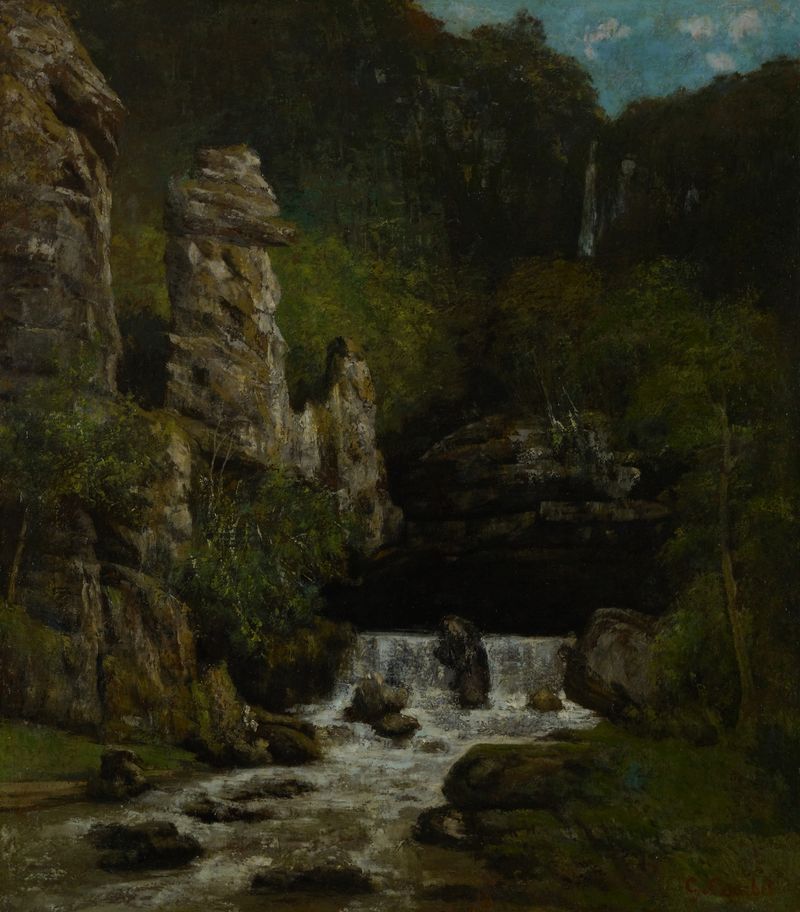
Landscape with a Waterfall
Gustave Courbet





