
Le Moulin — History & Facts
In Le Moulin, the essence of obsession pulses beneath the surface, beckoning viewers to delve deeper into its emotional tapestry. Focus on the left side of the canvas, where shades of deep green and earthy brown swirl together, creating a dense forest background that envelops the windmill. Notice how the light filters through the branches, casting dappled shadows upon the structure, emphasizing its rustic texture. As your gaze shifts to the windmill itself, observe the stark contrast of the white sails against the darker hues, symbolizing both isolation and aspiration.
The painting’s composition draws you in, leading the eye to the center, where the windmill stands as a solitary sentinel, steeped in a sense of both beauty and desolation. The juxtaposition of vibrant foliage and the muted tones surrounding the mill invokes a tension between nature’s bounty and the solitude of man-made structures. Each brushstroke serves to echo the artist's fixation on the natural world, while the windmill stands as a metaphor for the relentless pursuit of dreams. The relentless movement of the sails captures an obsession with progress and the passing of time, as silence envelops the scene, leaving only the whisper of the wind. Created in 1874, this artwork emerged during a transformative period in Courbet’s life, as he championed realism in an era dominated by romanticism.
Living in France amidst rising political turmoil and artistic experimentation, he sought to depict the world with unfiltered authenticity. This painting reflects not just his artistic vision but also the societal shifts occurring around him, grounded in a personal obsession with both nature and the interplay of light and shadow.
More Artworks by Gustave Courbet
Browse all →
Marine
Gustave Courbet
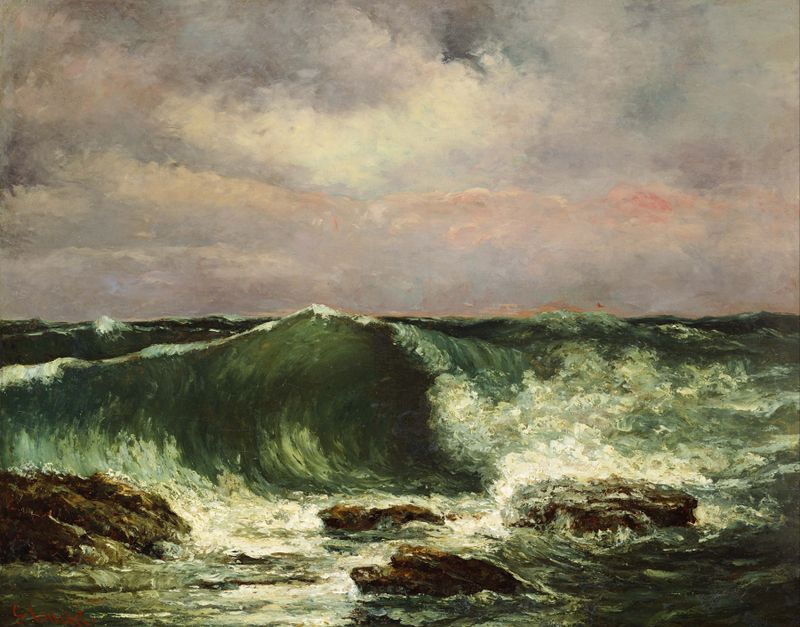
Waves
Gustave Courbet

Étretat; Les Falaises
Gustave Courbet
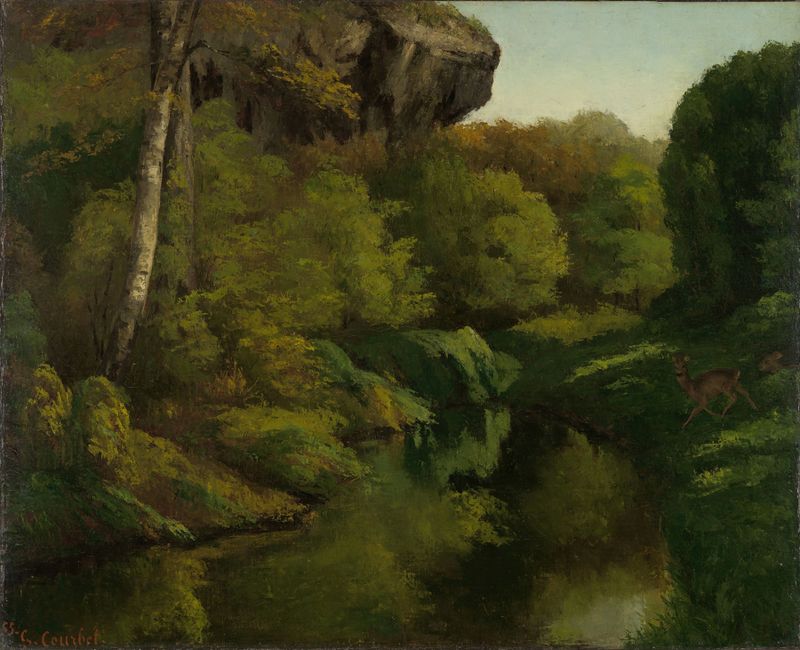
View in the Forest of Fontainebleau
Gustave Courbet
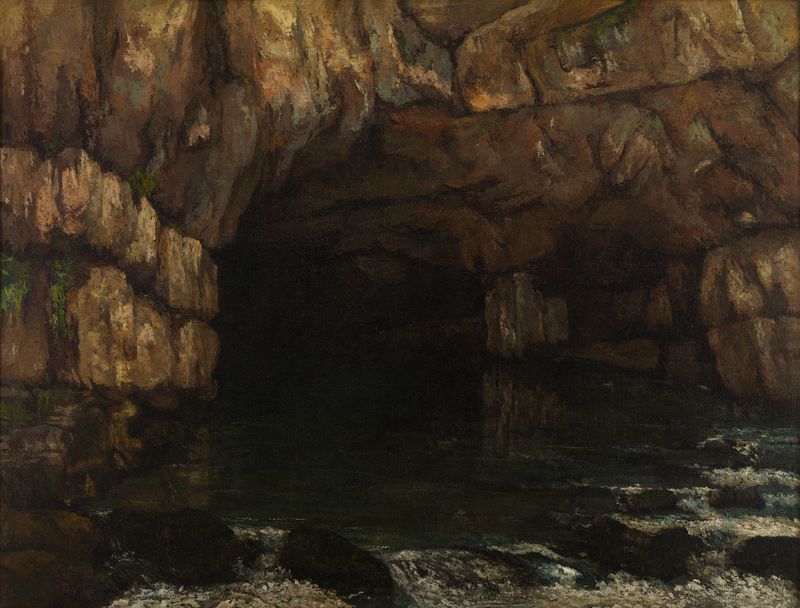
La source de la Loue (The Source of the Loue)
Gustave Courbet

Low Tide at Trouville
Gustave Courbet
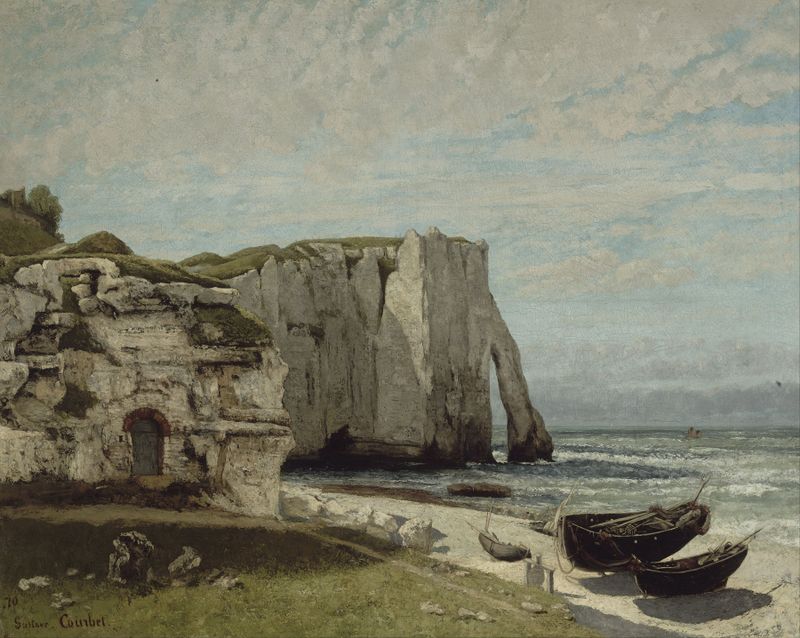
The Etretat Cliffs after the Storm
Gustave Courbet
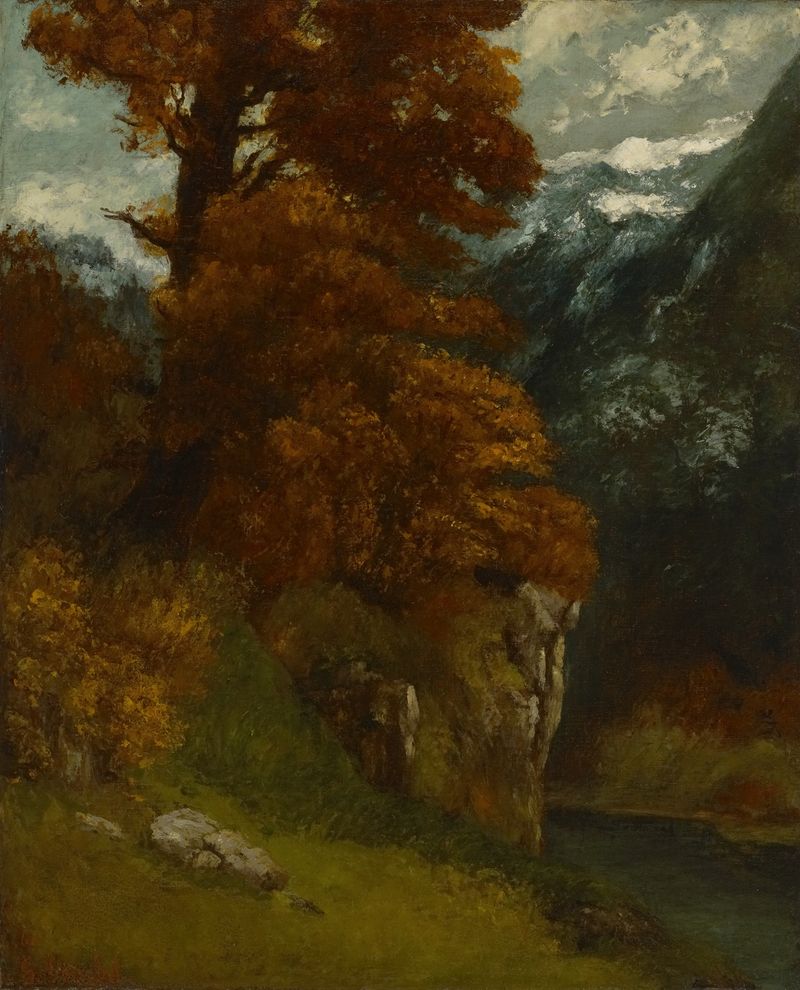
The Glen at Ornans (Bords du Doubs; Effet d’Automne)
Gustave Courbet
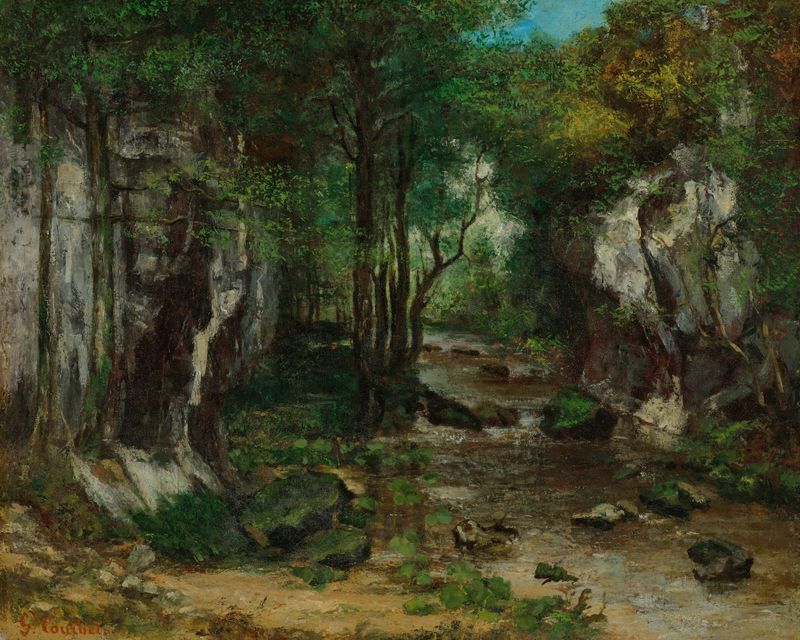
Le Ruisseau de Puits Noir
Gustave Courbet
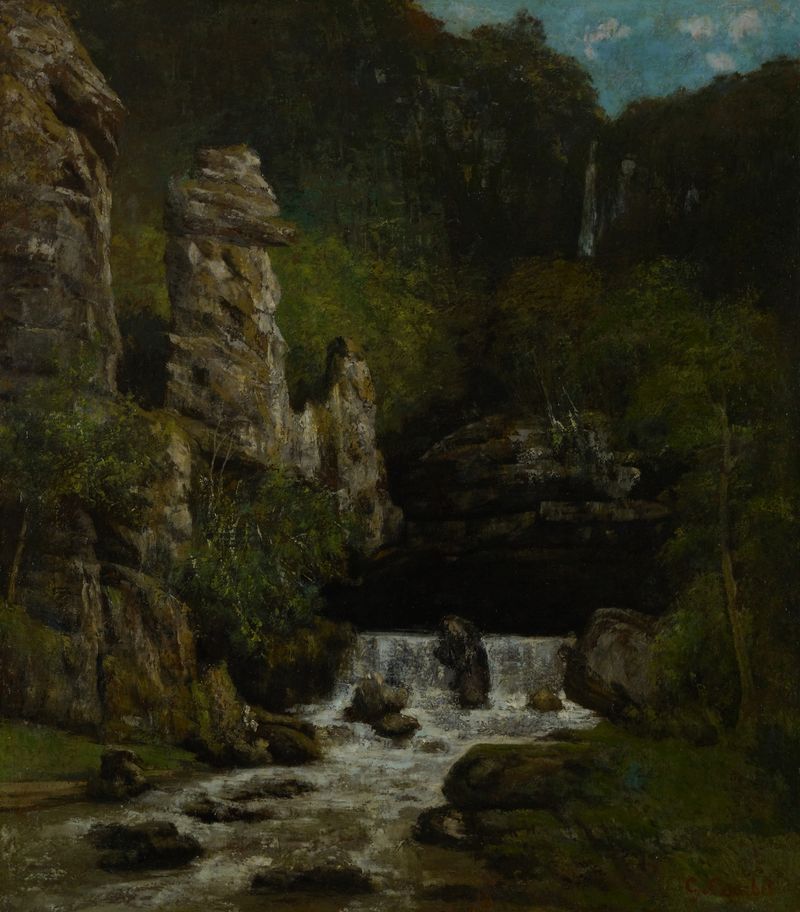
Landscape with a Waterfall
Gustave Courbet





