
Le Nil – Louxor (Les montagnes de Thèbes) — History & Facts
Is this a mirror — or a memory? Henry Brokman's Le Nil – Louxor (Les montagnes de Thèbes) invites contemplation on the duality of nature’s beauty and the layers of violence that often mar it. Look to the center, where the river flows, reflecting the azure sky in tempered brushstrokes. Notice how the pale sunlight dances upon the water’s surface, creating a shimmering pathway that leads the eye toward the distant mountains. The artist employs a muted palette, juxtaposing the warmth of the earth tones in the foreground against the cool blues and greens of the water, evoking a serene harmony amidst underlying tensions. Yet, beneath the tranquil surface lies a complex narrative.
The stillness of the landscape belies the turbulent history of the land, rich with conquests and upheavals. The majestic peaks stand as silent witnesses to the violence of time, their shadows hinting at forgotten stories of struggle. Brokman's choice of composition — with the vastness of the sky above and the oppressive mountains surrounding — reflects the weight of history pressing down, leaving viewers to ponder what lies beneath the beauty. In 1891, while capturing this scene, Brokman was deeply immersed in the rich cultural influences of Egypt, exploring themes of nostalgia and conflict.
This period in art was marked by an increasing interest in exotic locales, yet it also coincided with unrest in many parts of the world. His work serves as both a celebration of the natural world and a quiet remembrance of its darker chapters.
More Artworks by Henry Brokman
Browse all →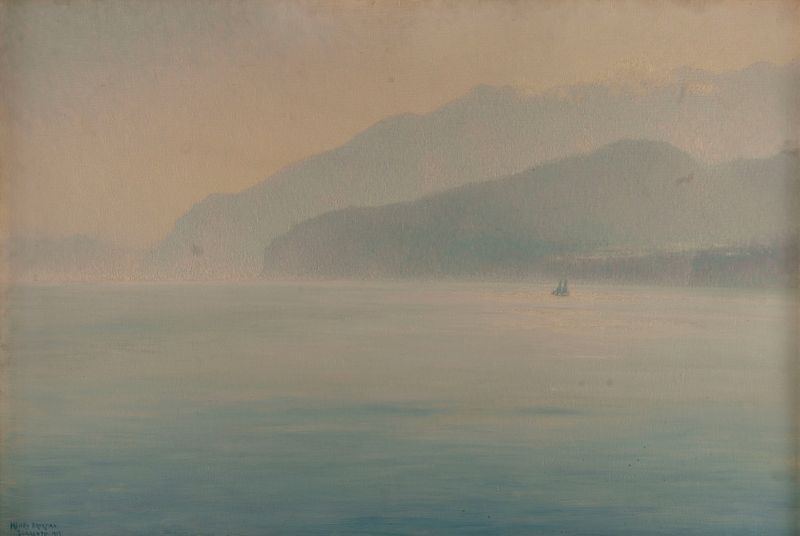
Côte De Sorrente, Bleu Et Argent
Henry Brokman
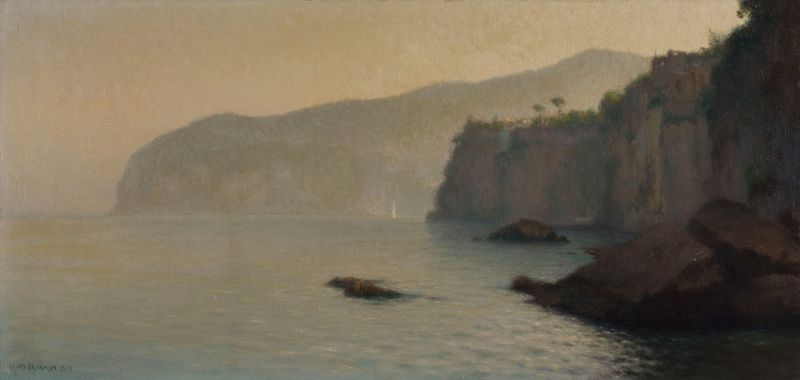
Petite côte de Sorrente (grise)
Henry Brokman
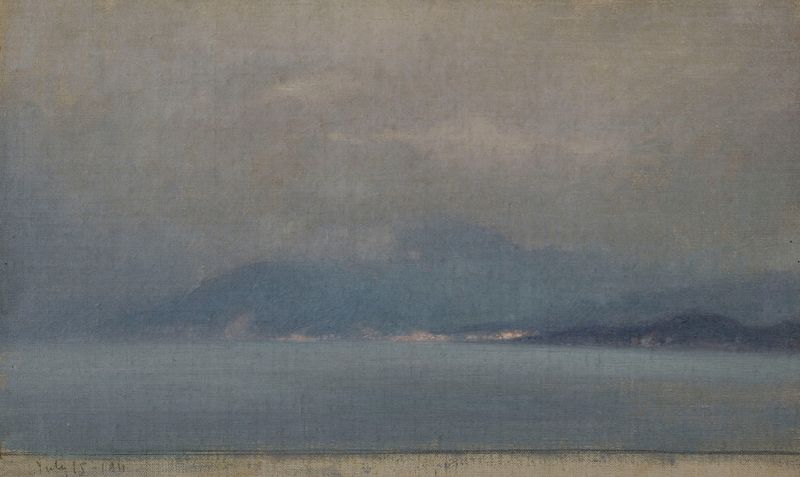
Etude de paysage
Henry Brokman
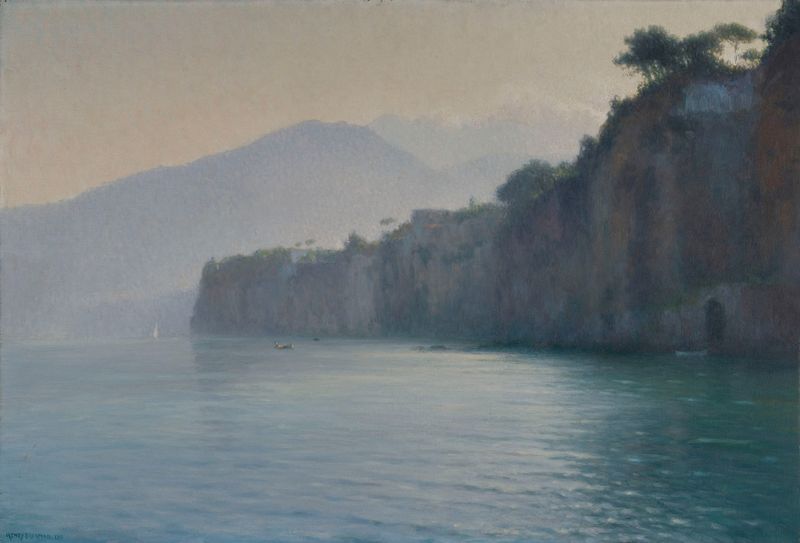
Sorrente, côte argentée
Henry Brokman
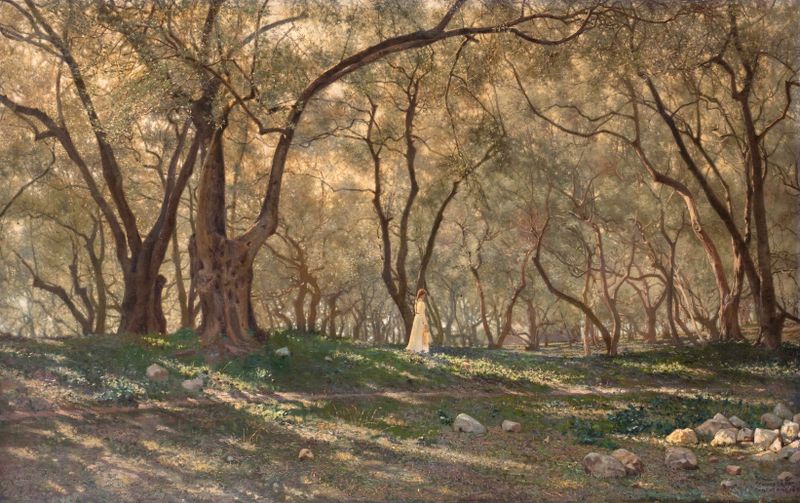
Jeune Fille Sous Les Oliviers – Menton
Henry Brokman
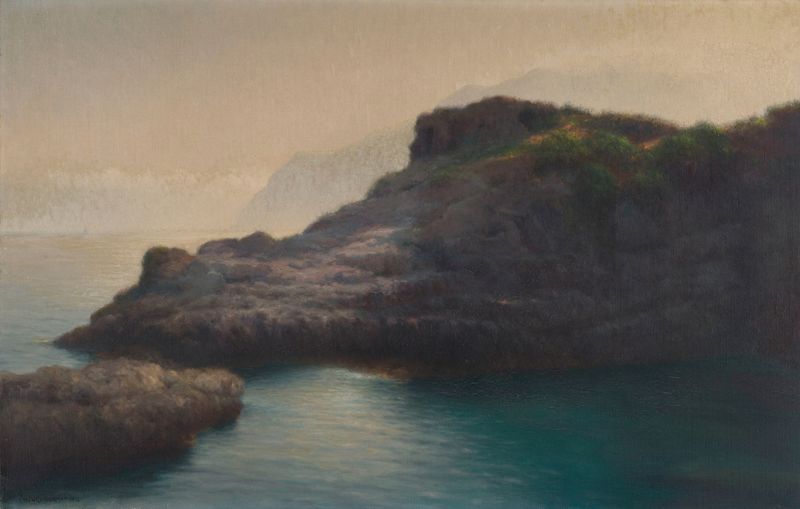
Cap de Sorrente
Henry Brokman
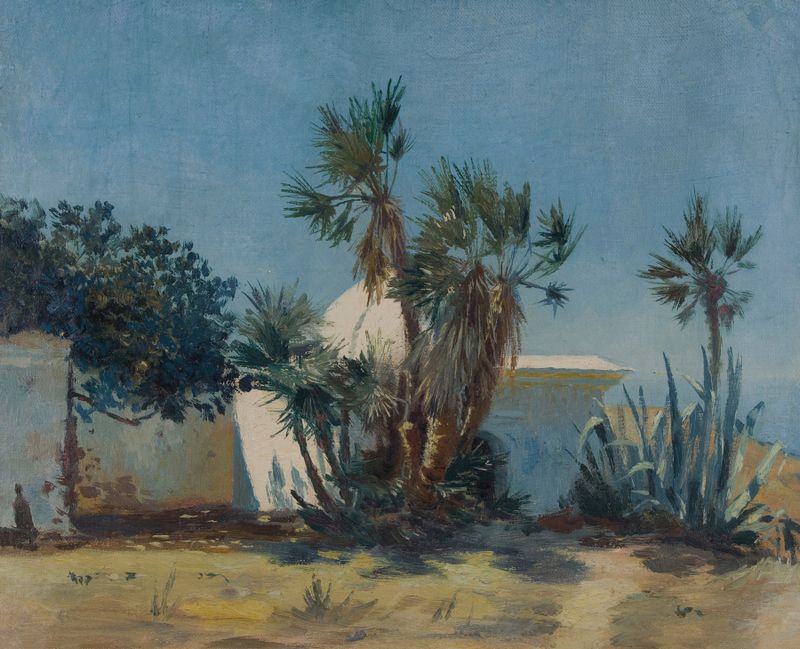
L’Oasis
Henry Brokman
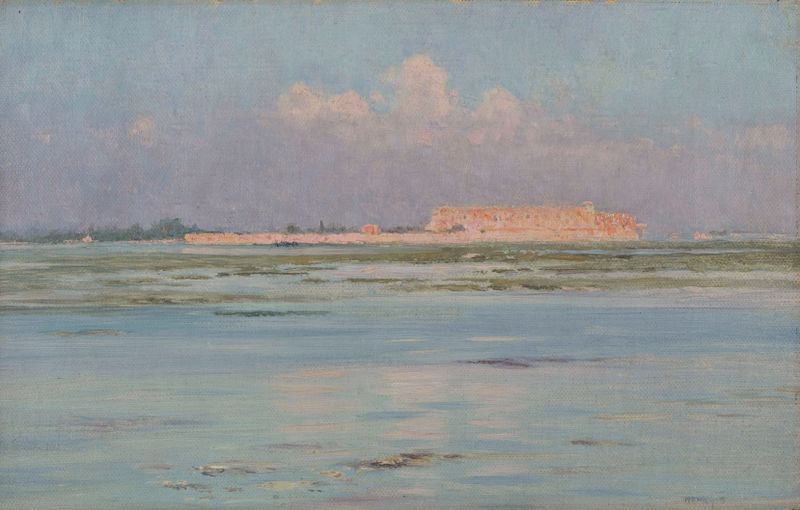
Le Temple De Louxor, Egypte
Henry Brokman
Terrasse De L’hôtel Cocumella
Henry Brokman
Rive du Nil, Egypte
Henry Brokman





