
Le Palais Farnèse vu depuis les quais du Tibre à Rome — History & Facts
What if beauty was never meant to be finished? In the stillness of Le Palais Farnèse vu depuis les quais du Tibre à Rome, the echoes of loss linger like a whispered memory, urging us to contemplate what was, what is, and what could have been. Look to the left of the canvas, where the majestic façade of the palace rises abruptly against a muted sky. Its intricate details, from sculpted arches to the delicate columns, capture the viewer’s gaze and draw them into the heart of Rome. Notice how Nicolle employs soft, earthy tones that are occasionally illuminated by beams of gentle light, revealing the textured interplay between shadow and form.
The tranquil waters of the Tiber reflect this architectural beauty, creating a harmonious blend of nature and human craftsmanship. Yet, beneath the surface of this serene depiction lies a tension between permanence and transience. The stillness of the river stands in stark contrast to the passage of time, reminding us that all beauty is fleeting. The boats moored quietly at the banks serve as silent witnesses to the ebb and flow of life, symbolizing the journeys taken and lost.
The artwork whispers a narrative of longing—a sense of grief for what has passed and a contemplation of the timeless nature of beauty. Created during the late 18th century, Nicolle's work emerges from a period marked by a resurgence of interest in classical architecture and a deeper appreciation for the Roman landscape. Living in Italy, he was influenced by the neoclassical movement, which sought to revive the grandeur of ancient Rome. This painting, while capturing a specific moment, reflects broader artistic trends of the time, encapsulating a yearning for both beauty and permanence in a rapidly changing world.
More Artworks by Victor-Jean Nicolle
Browse all →
Fontana di Trevi, gezien vanuit het Westen
Victor-Jean Nicolle
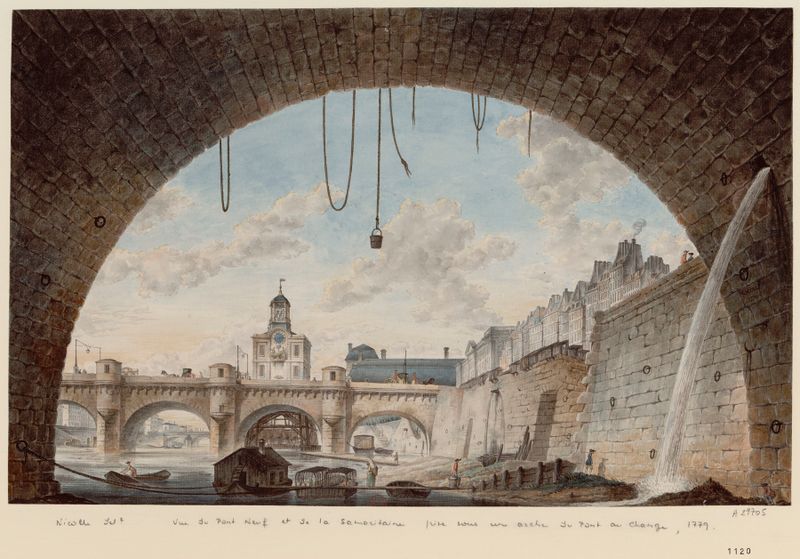
Vue du Pont Neuf et de la Samaritaine prise sous une arche du Pont au Change
Victor-Jean Nicolle
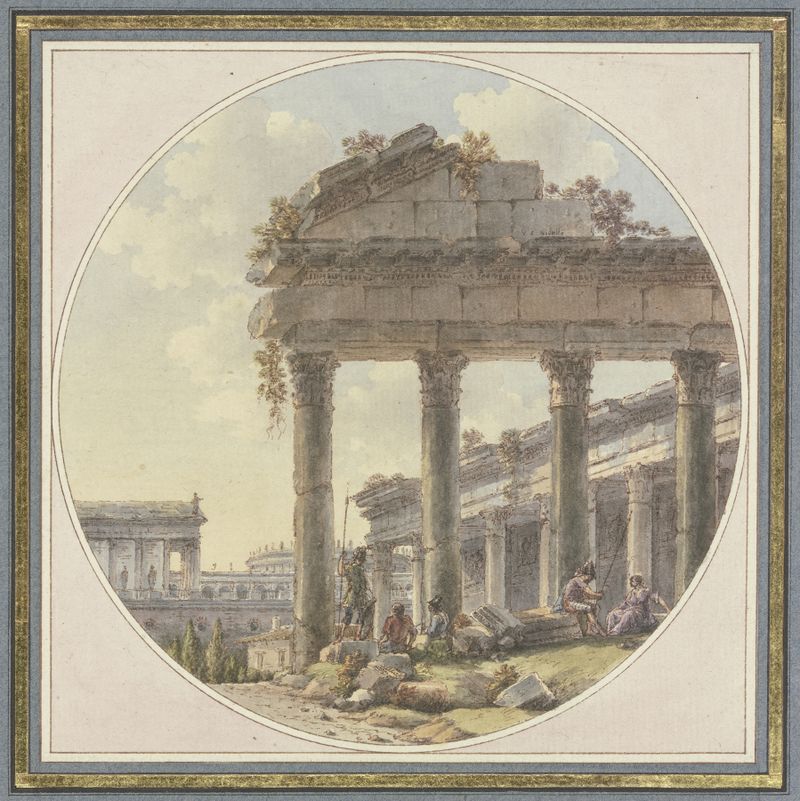
Architektonisches Capriccio; Tempelruine und Figurenstaffage
Victor-Jean Nicolle
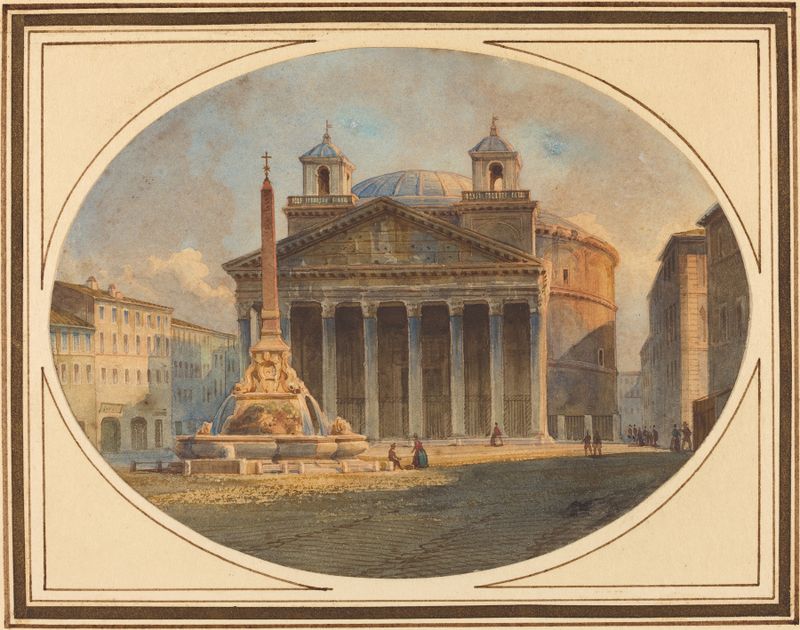
The Pantheon
Victor-Jean Nicolle
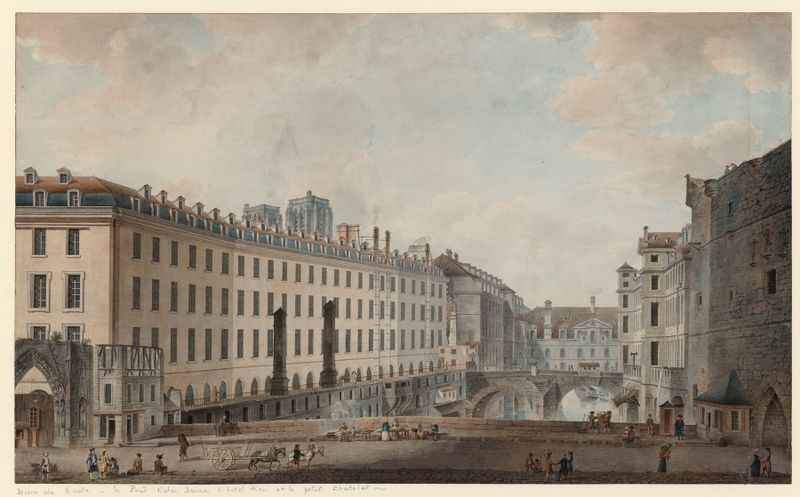
Le Pont au Double, l’Hôtel-Dieu et le Petit Châtelet
Victor-Jean Nicolle
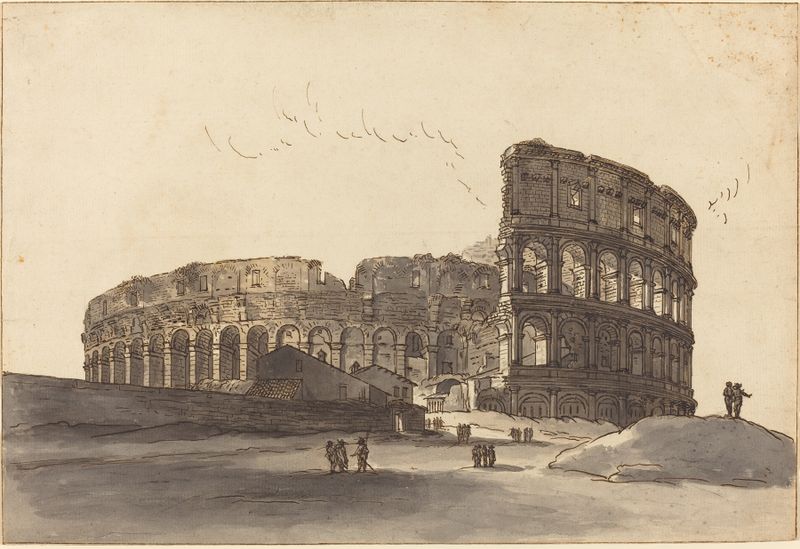
The Colosseum
Victor-Jean Nicolle
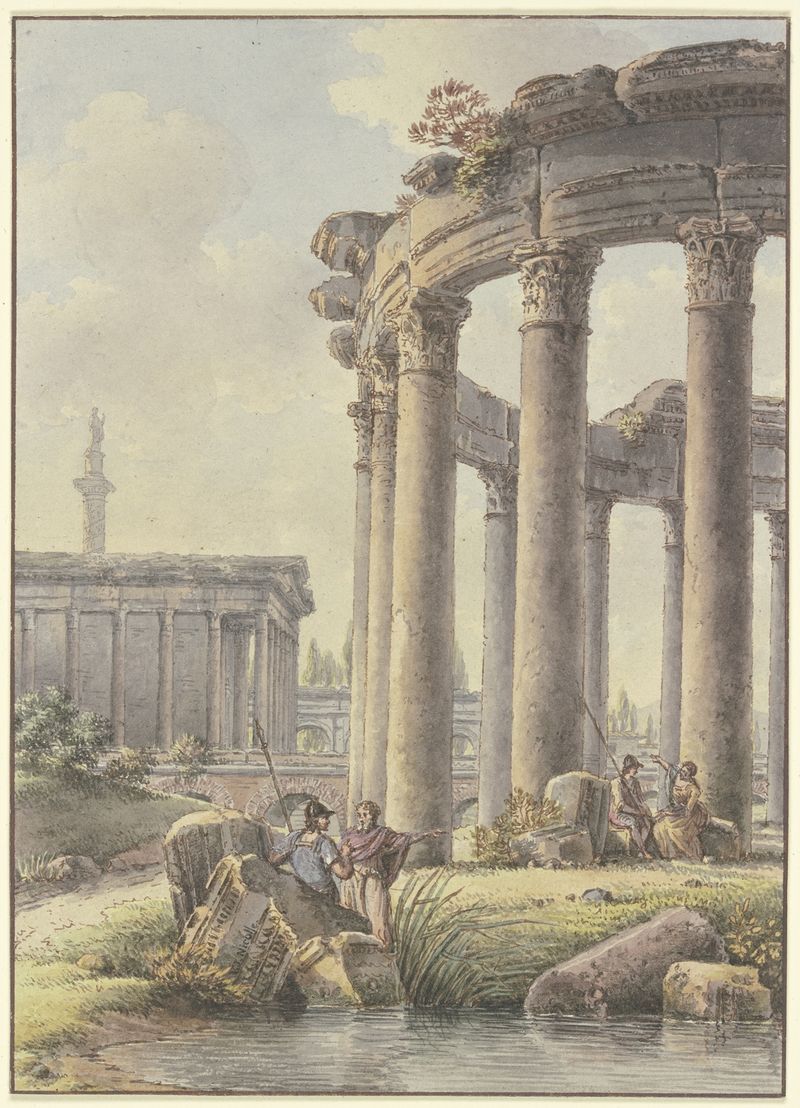
Architektonisches Capriccio; Ruinen eines Rundtempels, im Hintergrund die Trajansäule
Victor-Jean Nicolle
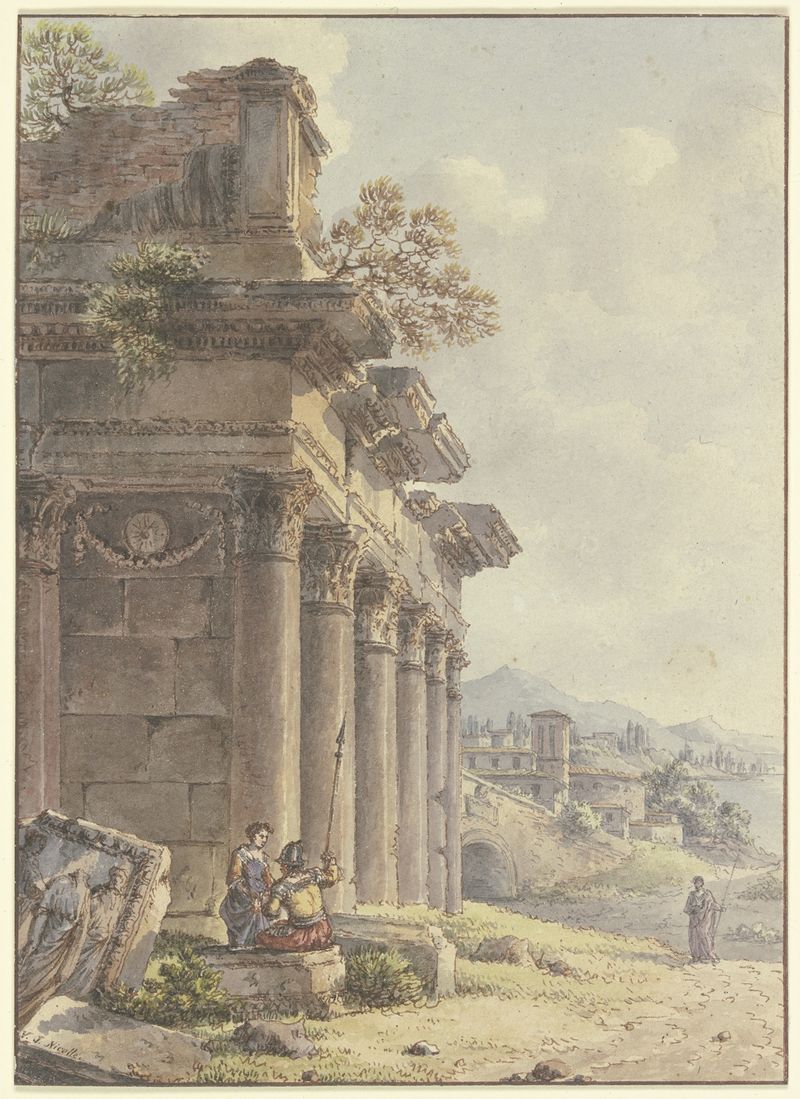
Architektonisches Capriccio; Ruinen einer Tempelfassade, im Hintergrund Landschaft mit Gebäuden und Seebucht
Victor-Jean Nicolle
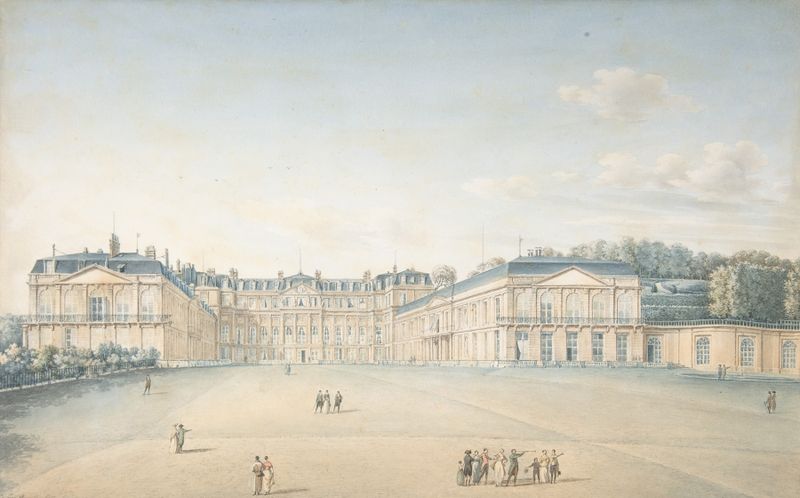
Courtyard of the Chateau de Saint-Cloud
Victor-Jean Nicolle

The Tiber at the Outskirts of Rome
Victor-Jean Nicolle
More Architecture Art
Browse all →
The statue of Liberty
Frédéric Auguste Bartholdi

View of Houses in Delft, Known as ‘The Little Street’
Johannes Vermeer

View of Houses in Delft, Known as ‘The Little Street’
Johannes Vermeer

The Cathedral in Rouen. The portal, Grey Weather
Claude Monet

The yellow house
Vincent van Gogh

The Church in Auvers-sur-Oise, View from the Chevet
Vincent van Gogh