
Le Parc — History & Facts
Could beauty survive in a century of chaos? Pierre Bonnard’s Le Parc whispers a fragile yet vibrant answer, inviting contemplation of the world amid turmoil. Look to the center of the canvas, where a group of figures, seemingly lost in time, dances under the embrace of dappled sunlight. The rich greens and soft pastels create a dreamlike quality, while the brushstrokes evoke a sense of movement—an ephemeral joy that feels both alive and delicate. Notice how the light filters through the trees, casting playful shadows on the ground, leading your gaze towards the figures who are caught in an intimate moment of connection. Bonnard captures the contrast between the serene beauty of the scene and the emotional currents that lie beneath.
The figures, though engaged in a seemingly light-hearted outing, carry an air of introspection that hints at deeper vulnerabilities. This interplay of joy and fragility serves as a meditation on fleeting pleasures in life, emphasizing that moments of beauty are often tinged with impermanence. In 1923, Bonnard painted Le Parc during a period of personal reflection and artistic evolution. Living in France, he was transitioning towards a more intimate, personal style while the art world was grappling with the aftershocks of World War I.
This work stands as a testament to his pursuit of harmony and beauty in a time when many sought solace from chaos, revealing his deep belief in the resilience of art amidst uncertainty.
More Artworks by Pierre Bonnard
Browse all →
Les deux fiacres (Boulevard des Batignolles)
Pierre Bonnard

Le Balcon Et L’ombrelle
Pierre Bonnard

Paysage de Vernon
Pierre Bonnard

Place Pigalle at Night
Pierre Bonnard
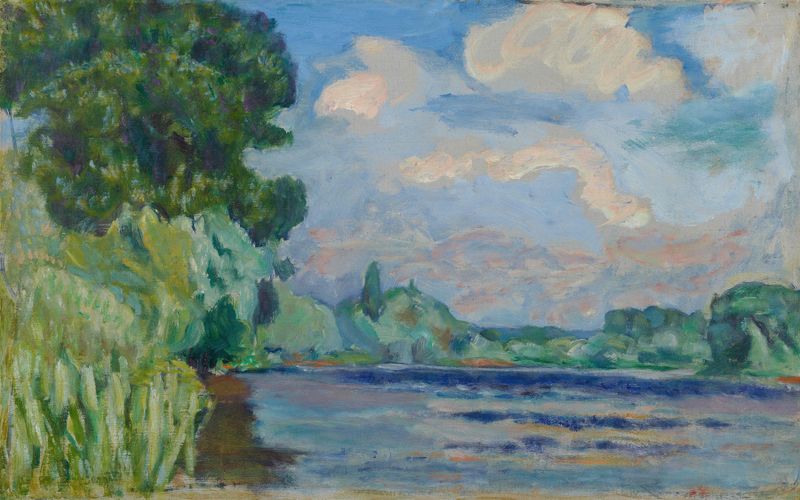
La Seine à Vernon
Pierre Bonnard

Les Toits
Pierre Bonnard
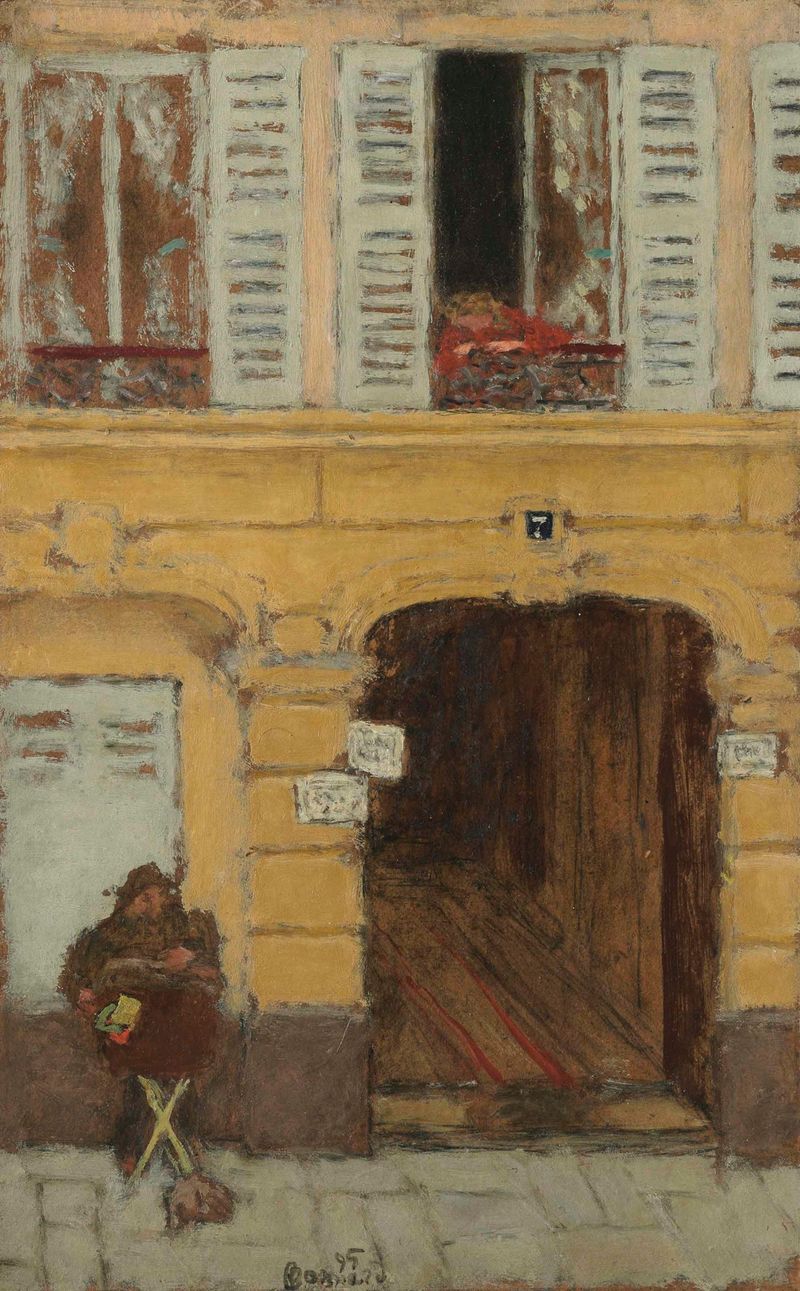
L’orgue de Barbarie ou Le joueur d’orgue
Pierre Bonnard

Paysage de Saint-Tropez
Pierre Bonnard

Soleil Couchant
Pierre Bonnard
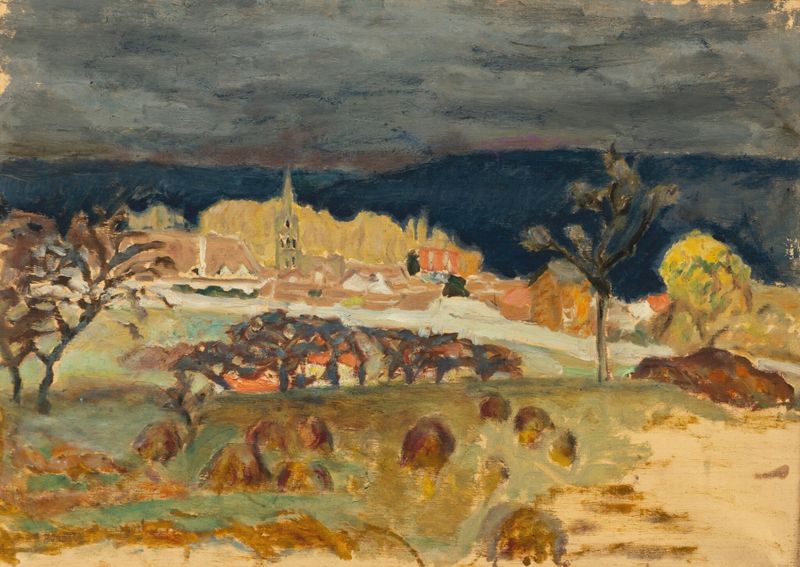
Village, ciel d’orage
Pierre Bonnard





