
Le petit parc (The small park) — History & Facts
Is this a mirror — or a memory? Fragonard invites us into a delicate balance between the fleeting and the eternal, where every brushstroke whispers the secrets of love and leisure. Focus on the lovers at the center of Le petit parc, where their tender gestures unfold against a lush backdrop. The soft greens and gentle pinks fuse harmoniously, while dappled sunlight dances through the trees, illuminating their faces. Notice how the figures are nestled within a frame of foliage, almost as if nature itself cradles their intimacy, guiding the viewer's gaze toward the couple’s enchanting exchange. Yet, beneath the charm lies a complexity of emotions.
The contrast of shimmering light with the deep shadows hints at the ephemeral nature of their joy, suggesting a moment that is both blissful and fleeting. The serene landscape accentuates the stillness of their connection, while the distant figures remind us of the outside world, evoking a tension between seclusion and the inevitable return to reality. The sense of balance here reflects not just love, but the tension between desire and duty, private passion and public life. During the years Le petit parc was likely created, circa 1762 to 1764, Fragonard was fully immersed in the Rococo movement, which celebrated intimacy and pleasure.
Living in France, he witnessed the burgeoning tensions of a society on the brink of change, as Enlightenment ideals began to challenge the established norms of the aristocracy. This period saw a flourish of artistic exploration, where Fragonard’s lighthearted yet layered compositions became a poetic response to the complexities of love and society.
More Artworks by Jean-Honoré Fragonard
Browse all →
The Swing
Jean-Honoré Fragonard
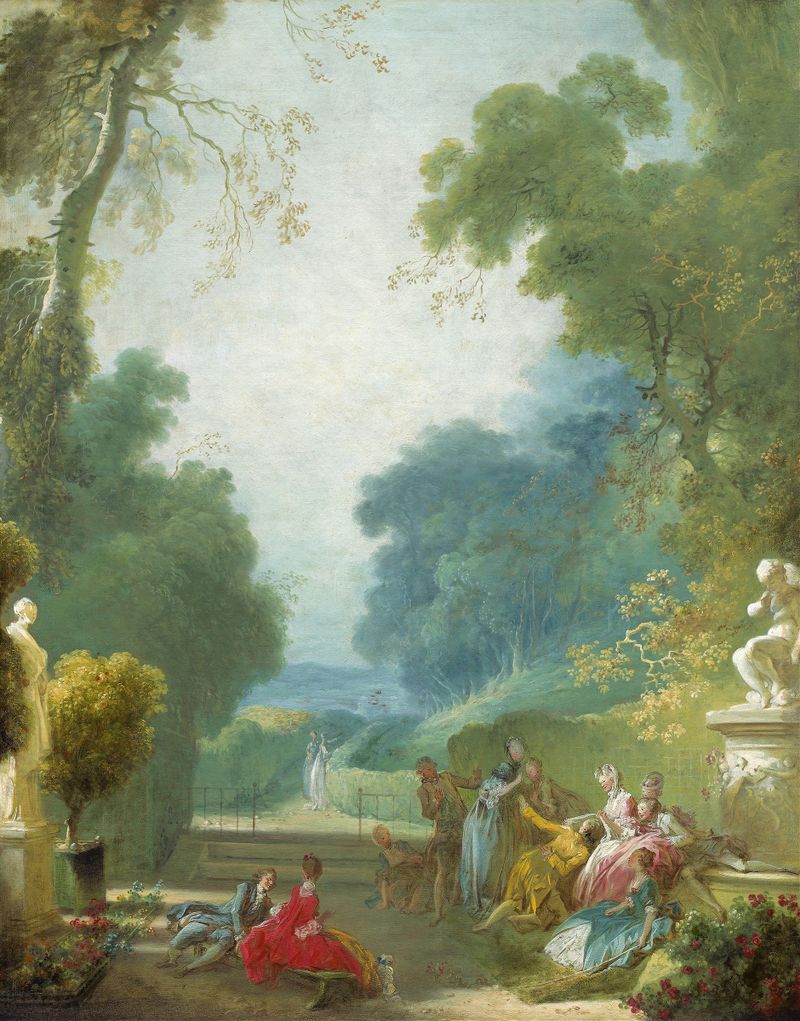
A Game of Hot Cockles
Jean-Honoré Fragonard
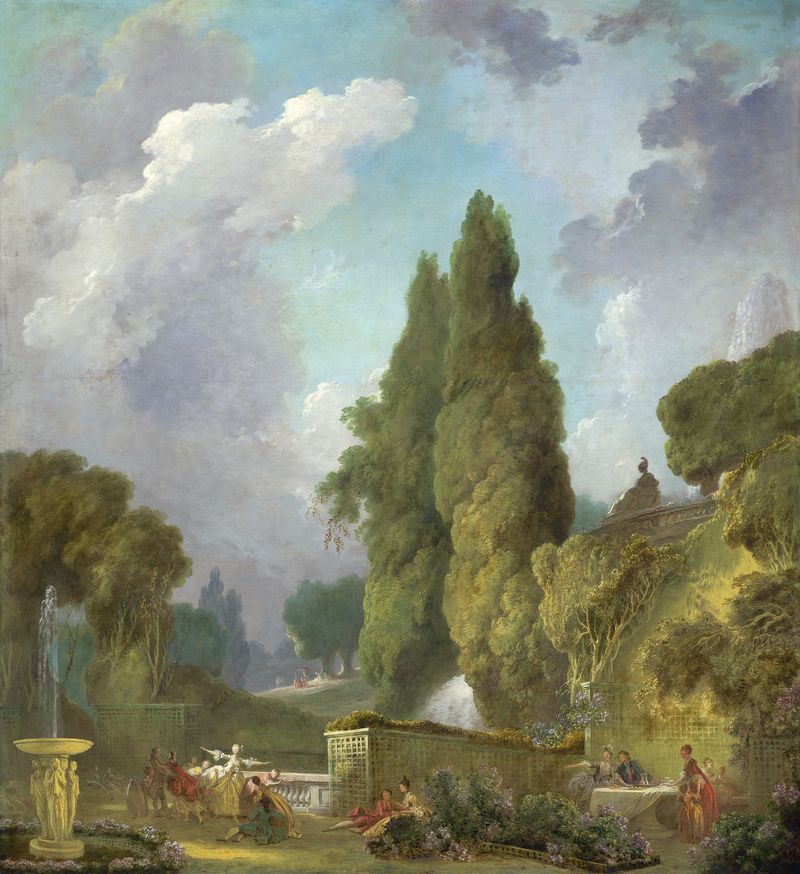
Blindman’s Buff
Jean-Honoré Fragonard

The First Steps
Jean-Honoré Fragonard
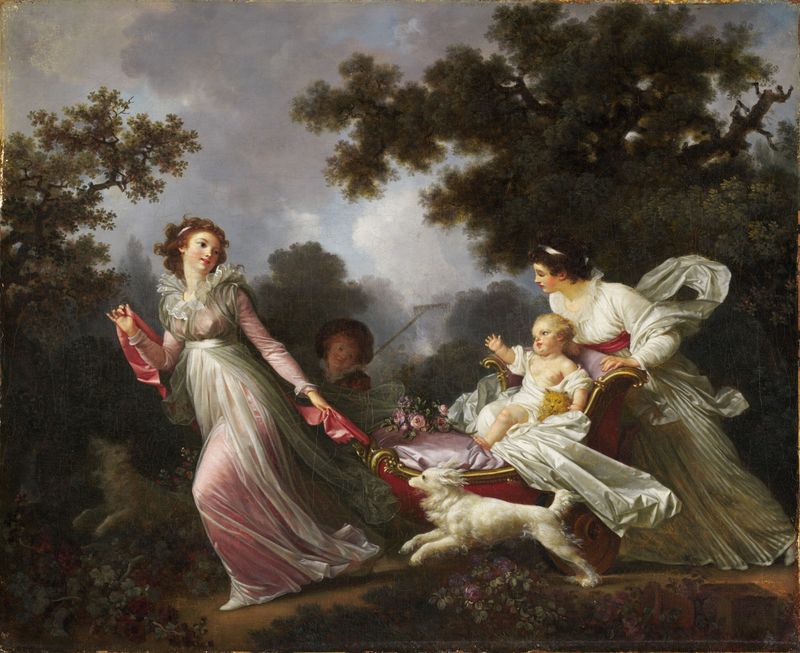
The Beloved Child
Jean-Honoré Fragonard
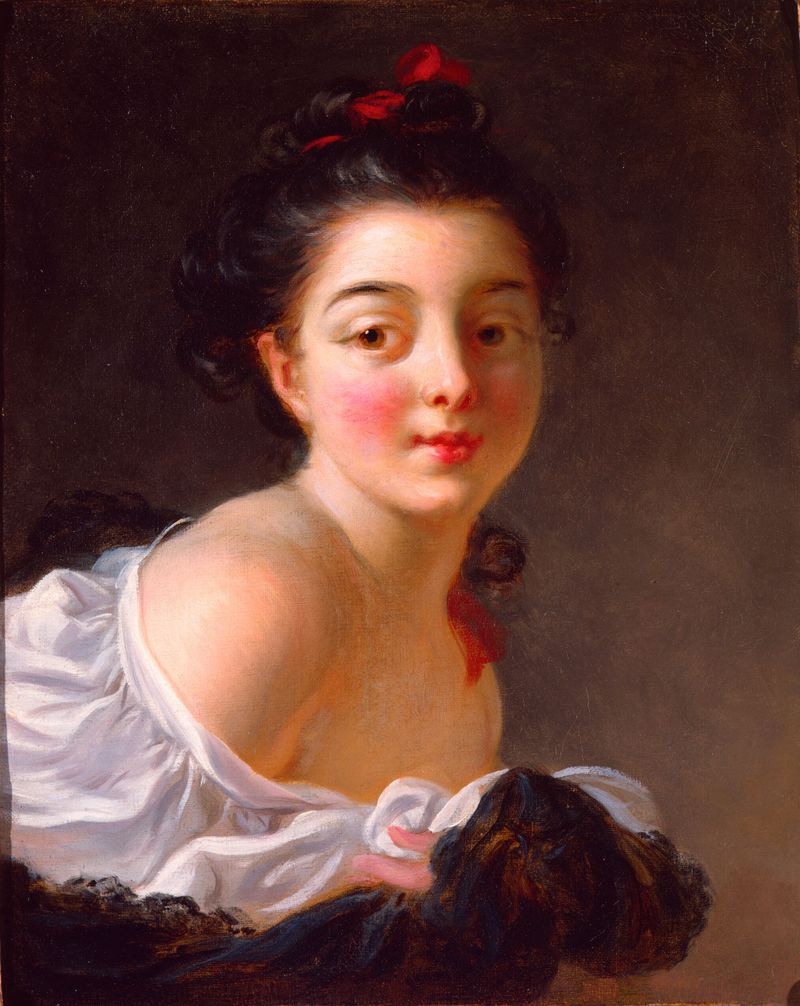
Young Woman with Brown Hair
Jean-Honoré Fragonard
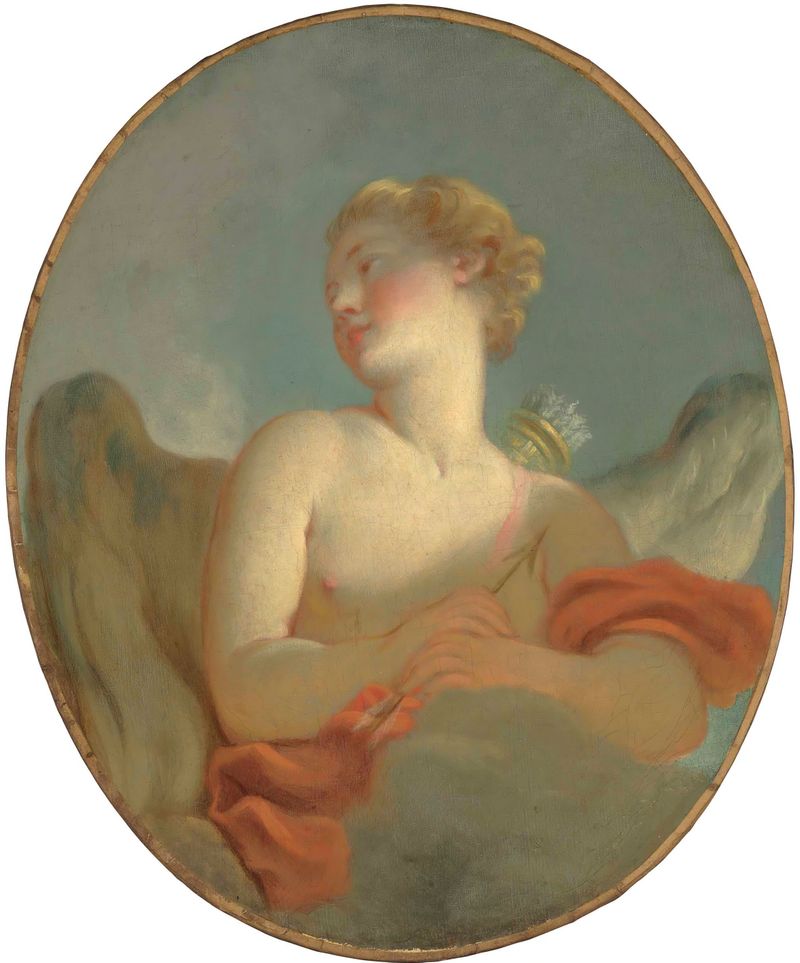
‘L’Amour’; said to be a Portrait of Marie Catherine Colombe (1751-1830) as Cupid
Jean-Honoré Fragonard
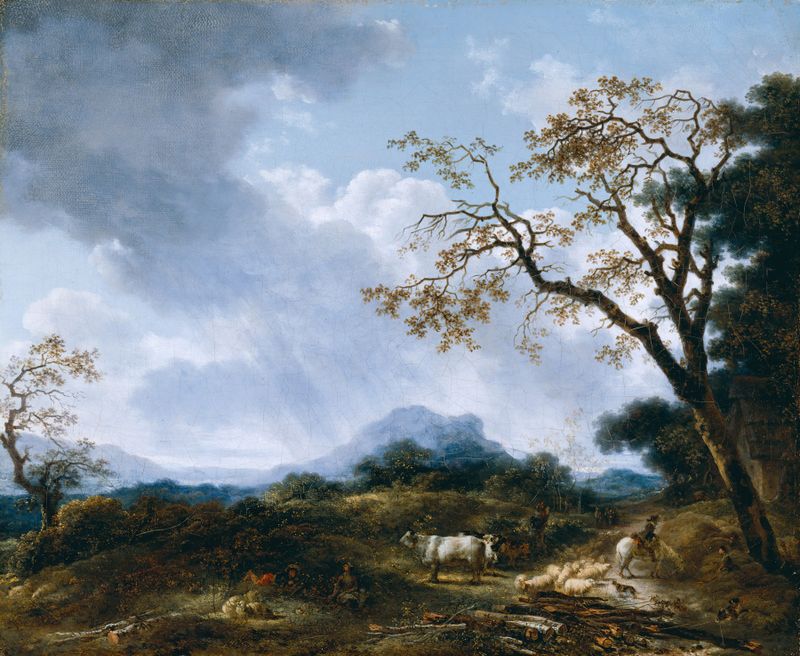
Landscape With Passing Shower
Jean-Honoré Fragonard

The Grand Staircase of the Villa d’Este at Tivoli
Jean-Honoré Fragonard

A Game of Horse and Rider
Jean-Honoré Fragonard




