
Discover insights about this artwork
Le poète ou Le sculpteur — History & Facts
In Le poète ou Le sculpteur, Gustave Courbet presents a rich tableau of colors and figures. The painting features a male figure, possibly a poet or sculptor, surrounded by various artistic tools and symbols. The background is a blend of earthy tones, emphasizing the connection between the artist and his craft.
This setting creates a contemplative atmosphere, inviting viewers to reflect on the nature of creativity. The painting is executed in oil on canvas, showcasing Courbet's characteristic Realism style. The brushwork is detailed yet expressive, capturing the textures of the artist's garments and the tools around him. The composition is balanced, with the figure positioned centrally, drawing the viewer's eye.
The use of light and shadow adds depth, enhancing the three-dimensionality of the scene. Le poète ou Le sculpteur reflects Courbet's commitment to portraying the realities of life and the artist's role within it. Created during the 1860s, this work exemplifies the Realism movement, which sought to depict everyday subjects without idealization. An interesting fact about this painting is that it serves as a commentary on the artistic process, emphasizing the importance of the artist's labor and inspiration.
More Artworks by Gustave Courbet
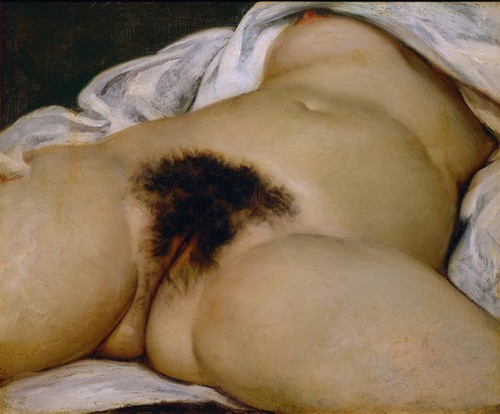
Origin of the World
Gustave Courbet
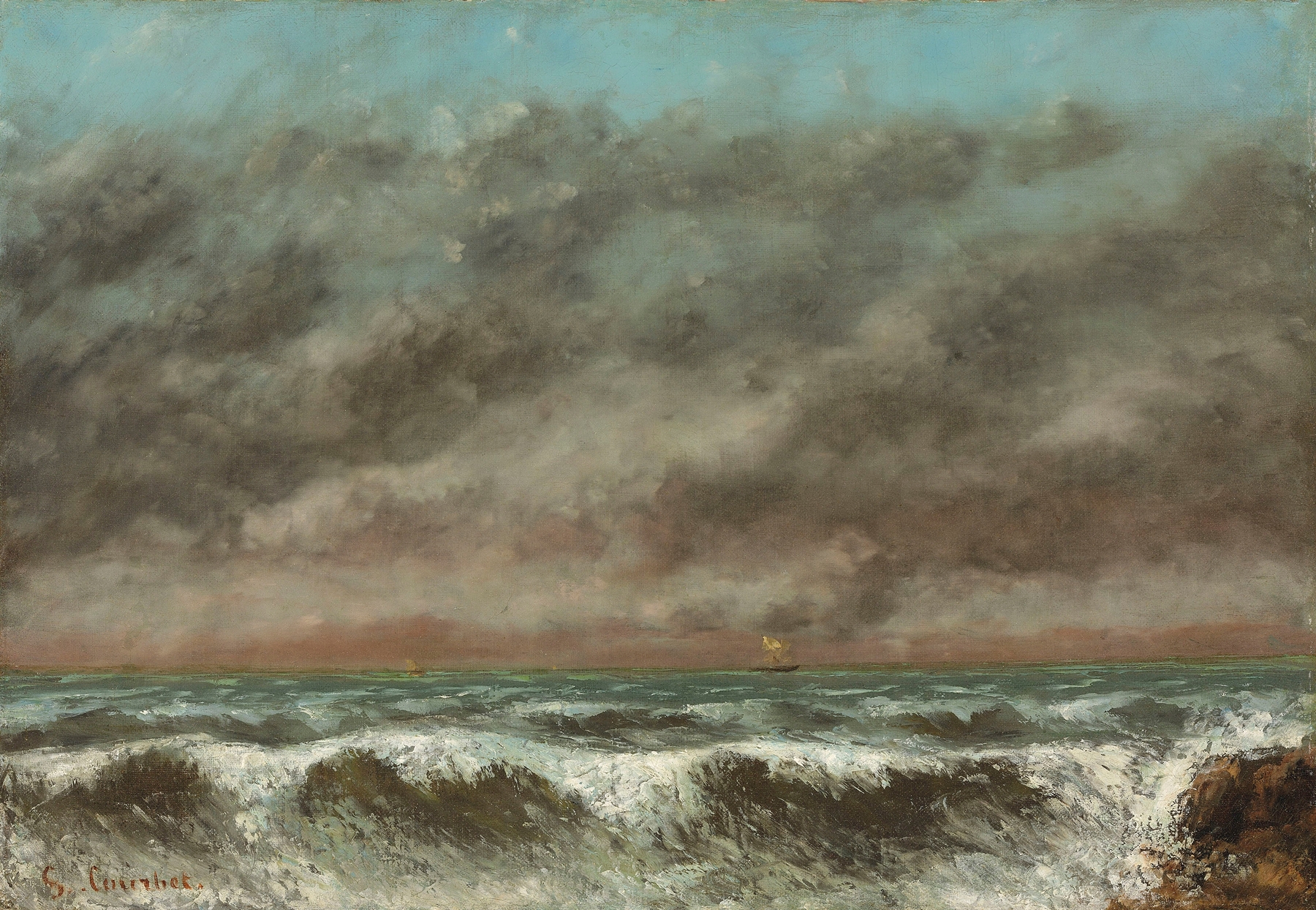
Marine
Gustave Courbet
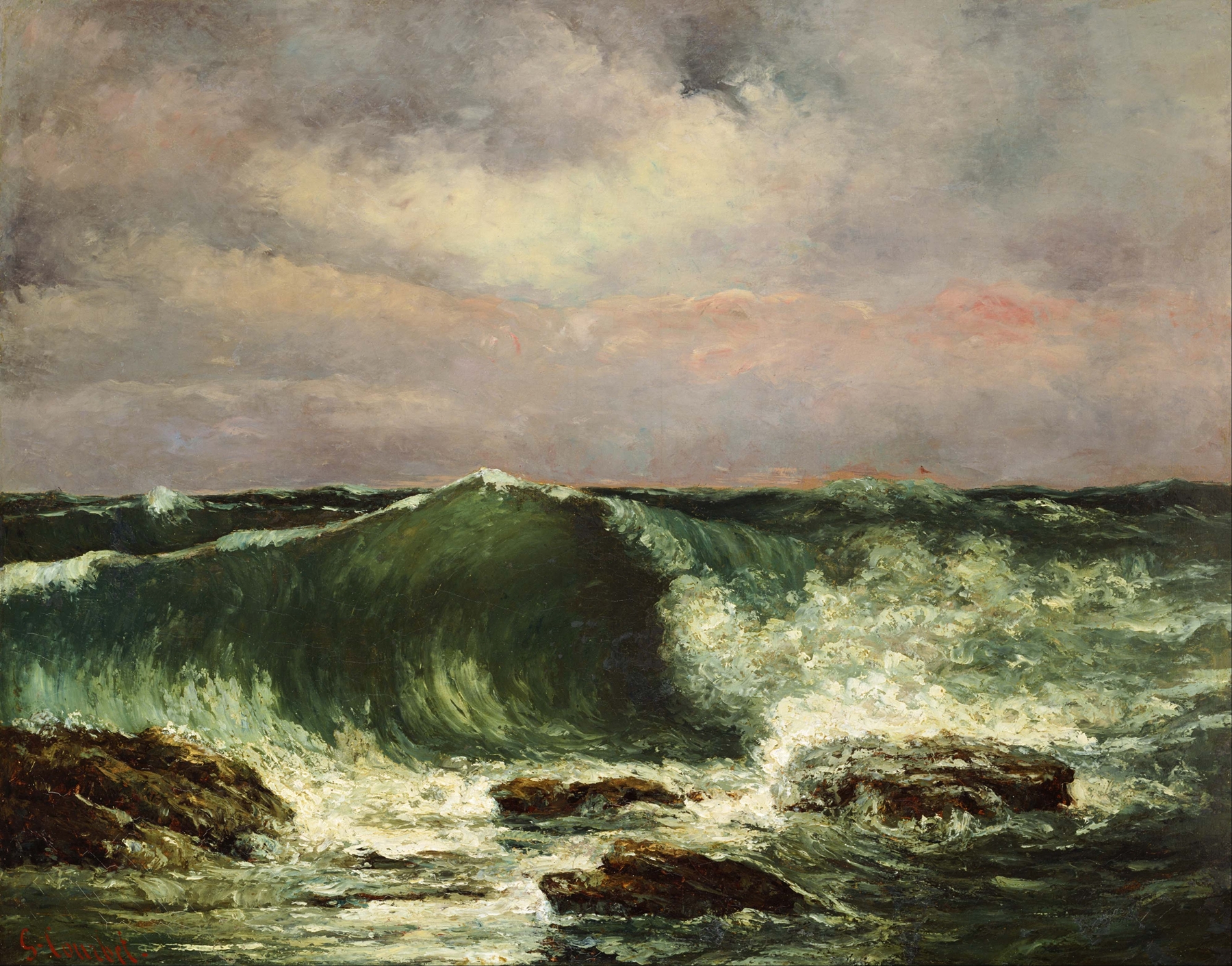
Waves
Gustave Courbet
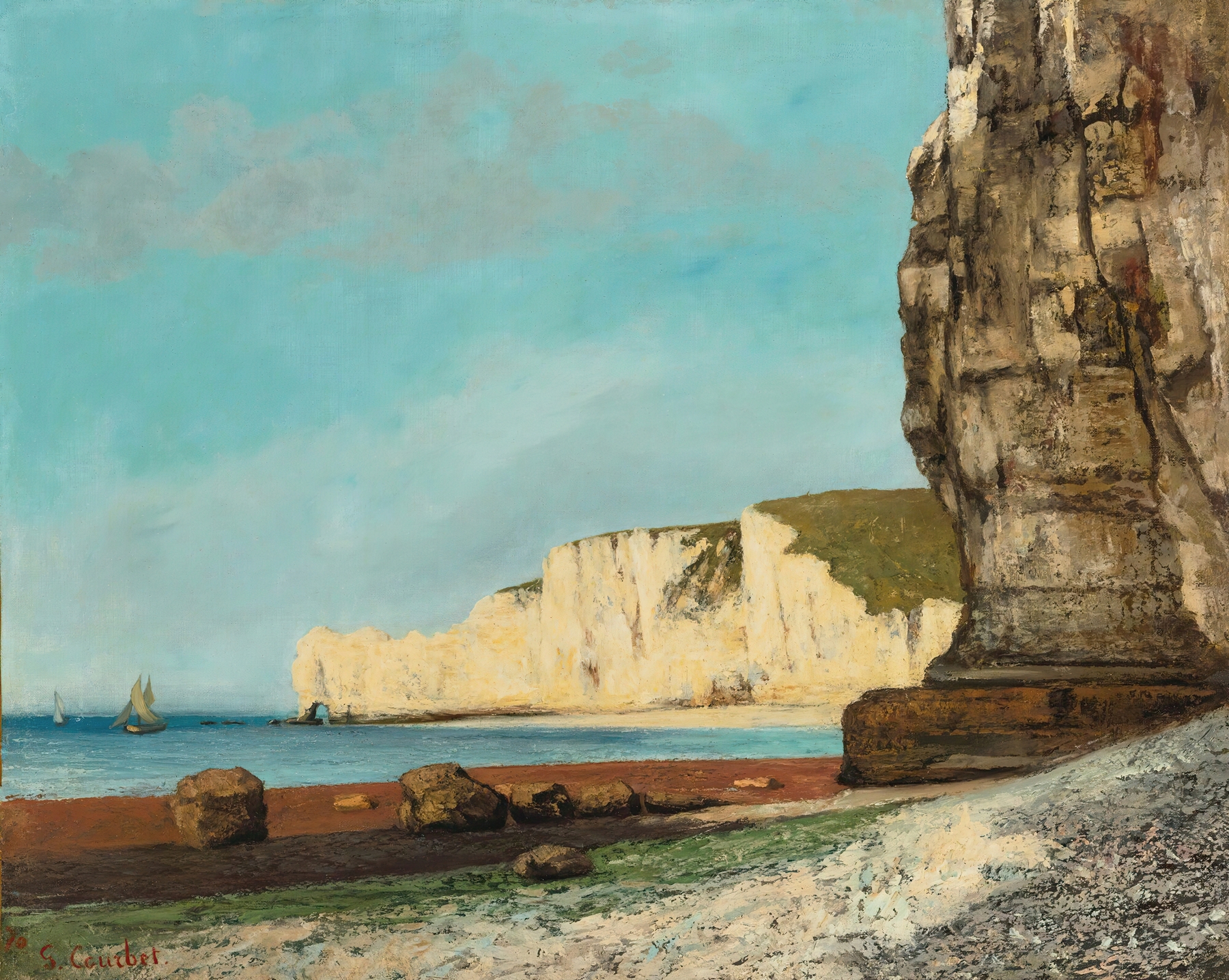
Étretat; Les Falaises
Gustave Courbet
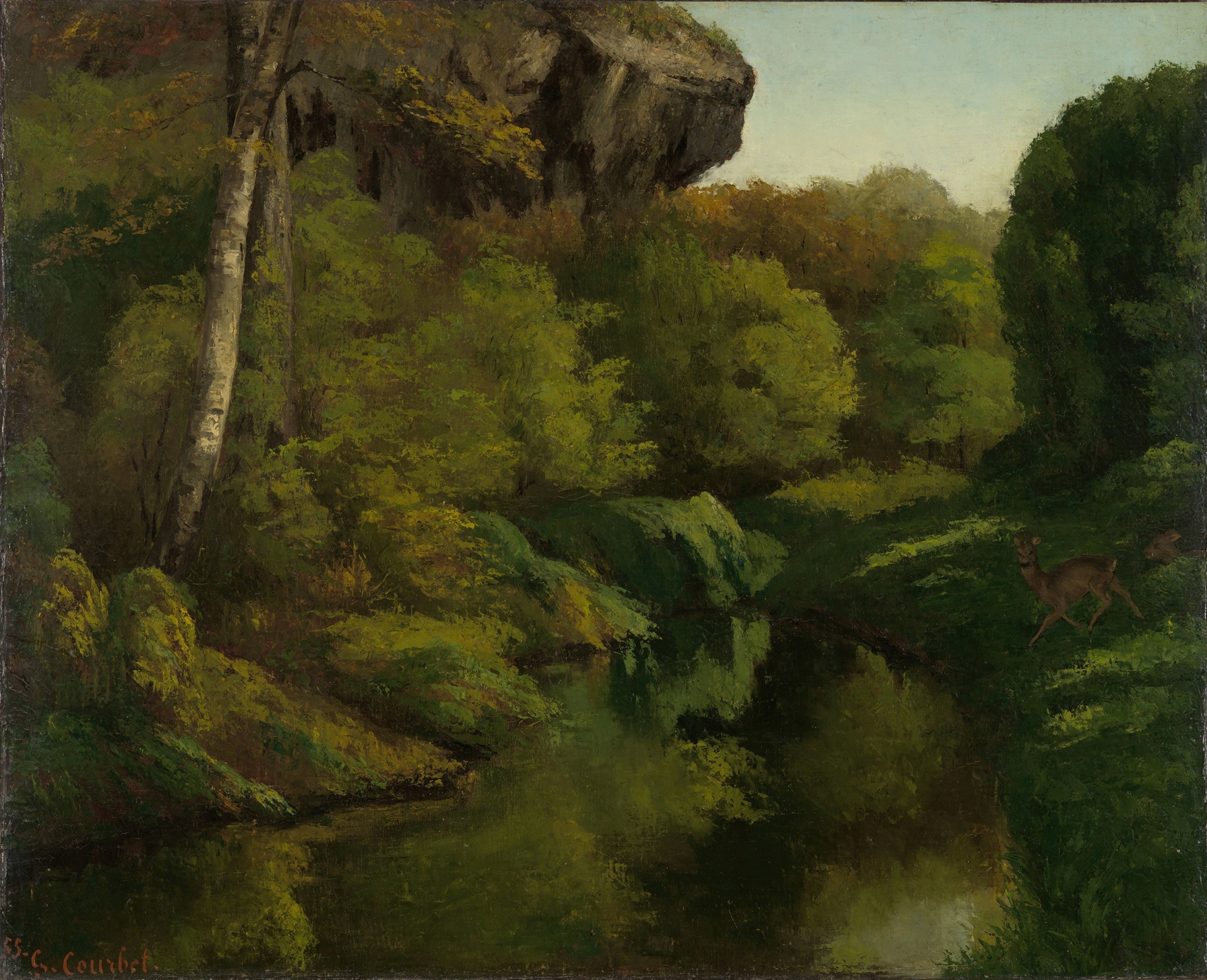
View in the Forest of Fontainebleau
Gustave Courbet
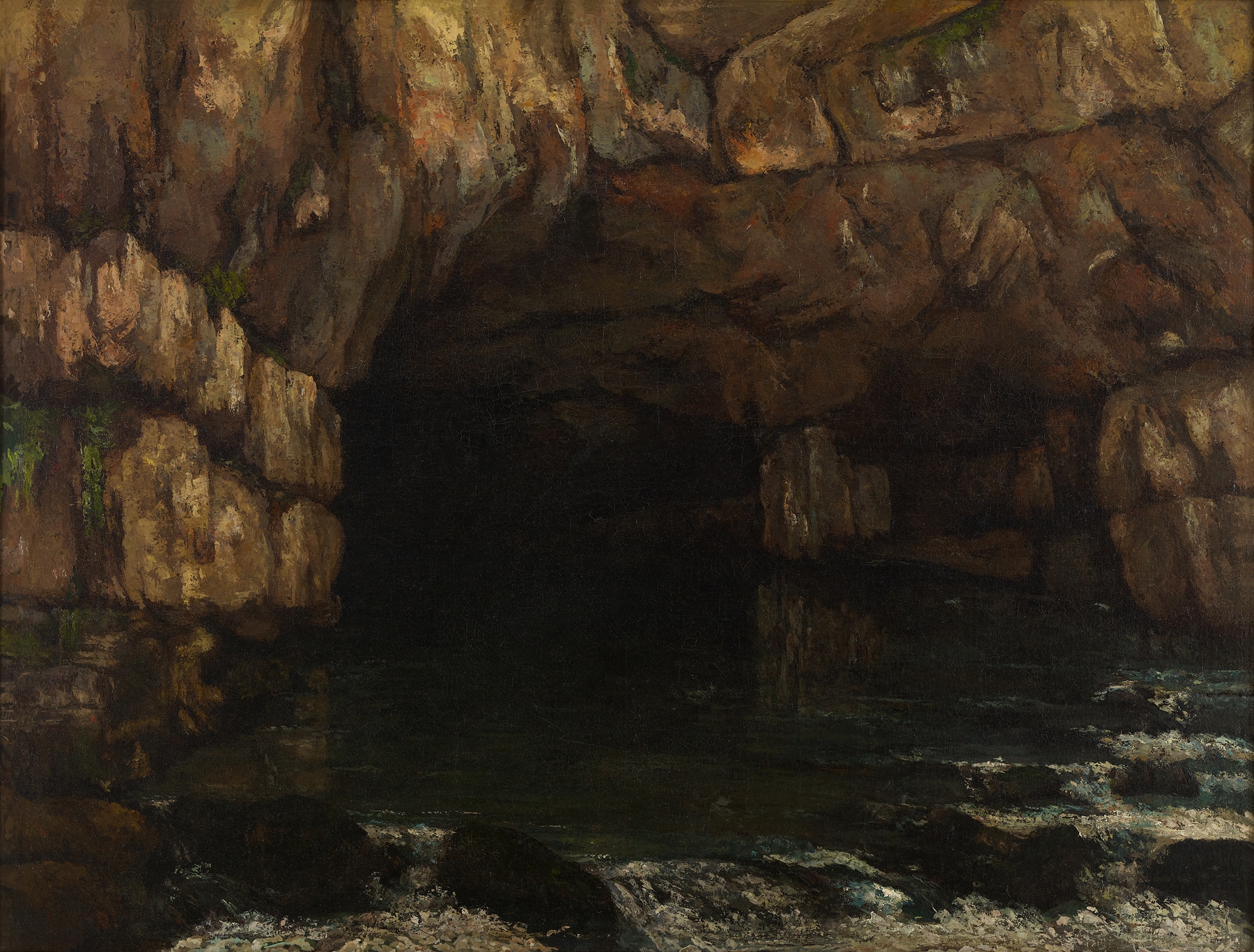
La source de la Loue (The Source of the Loue)
Gustave Courbet
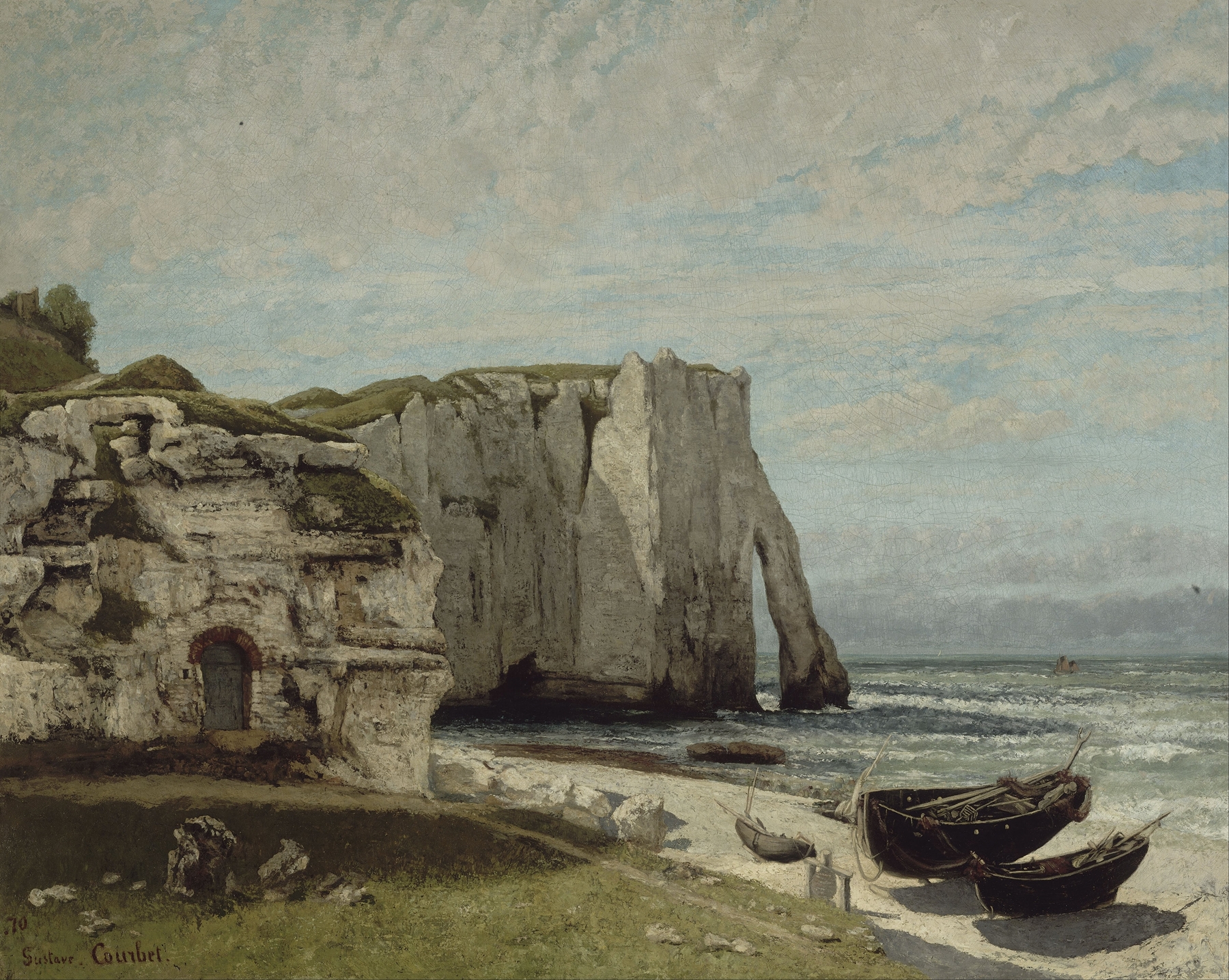
The Etretat Cliffs after the Storm
Gustave Courbet
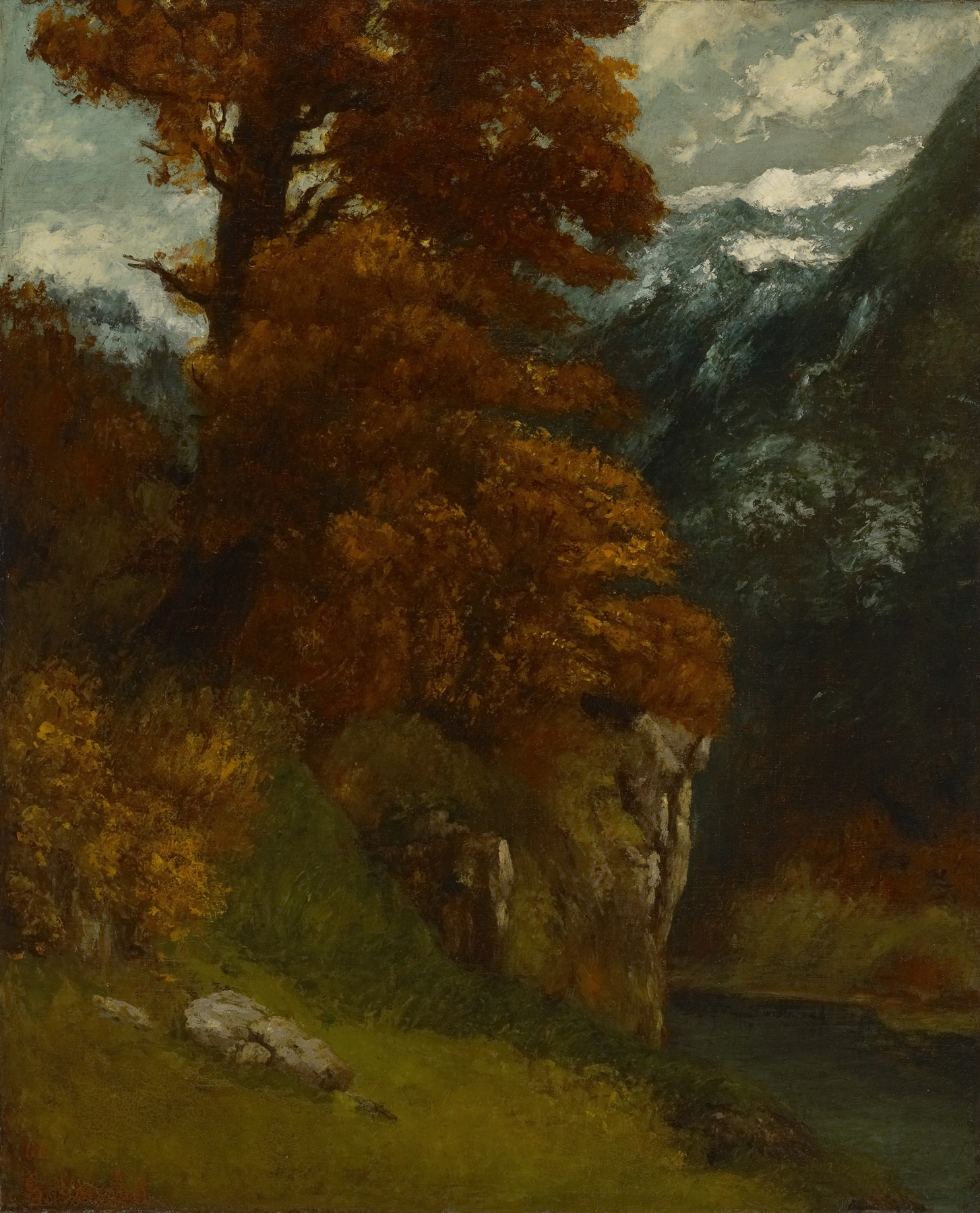
The Glen at Ornans (Bords du Doubs; Effet d’Automne)
Gustave Courbet
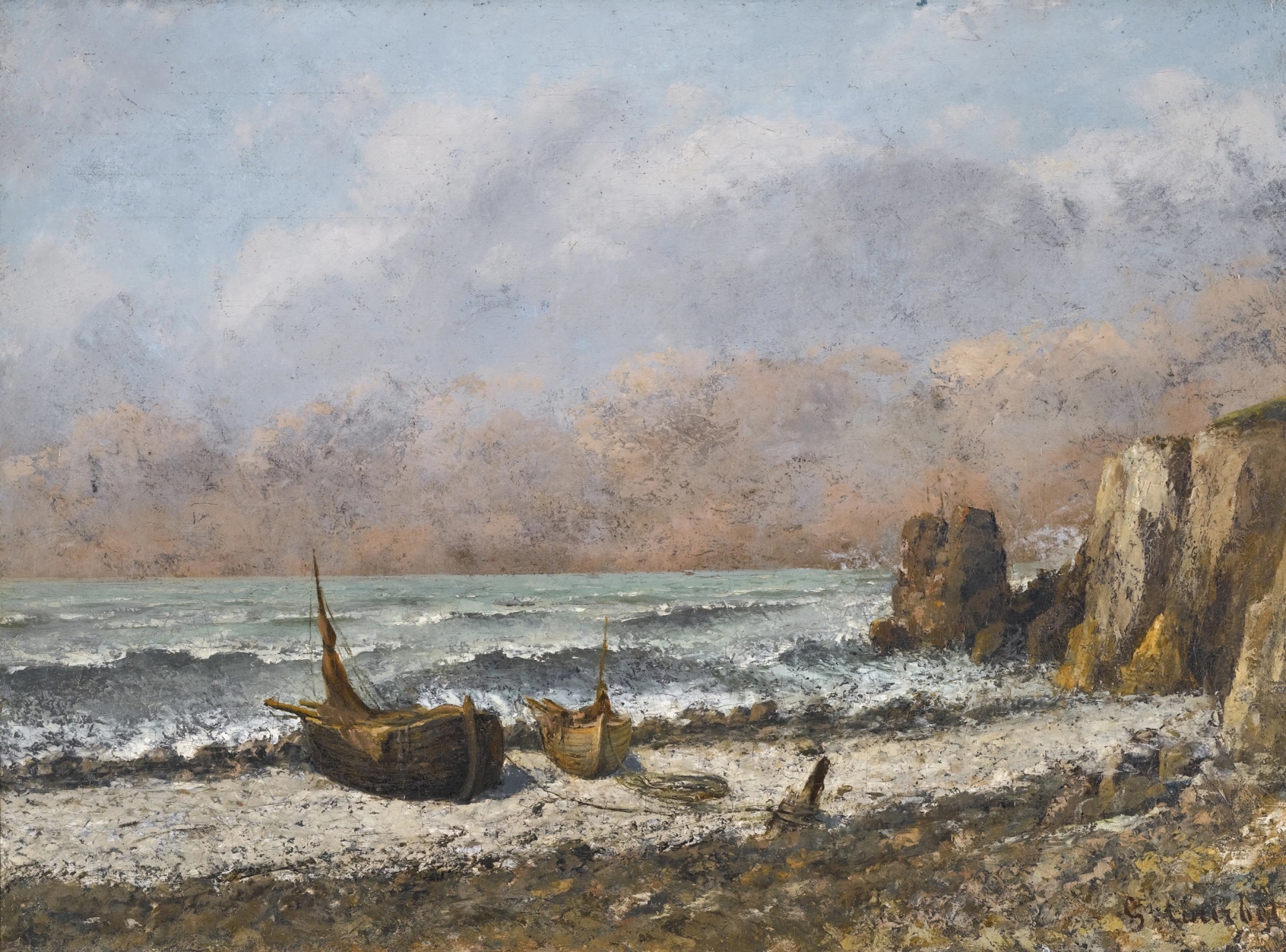
Deux bateaux sur la plage
Gustave Courbet
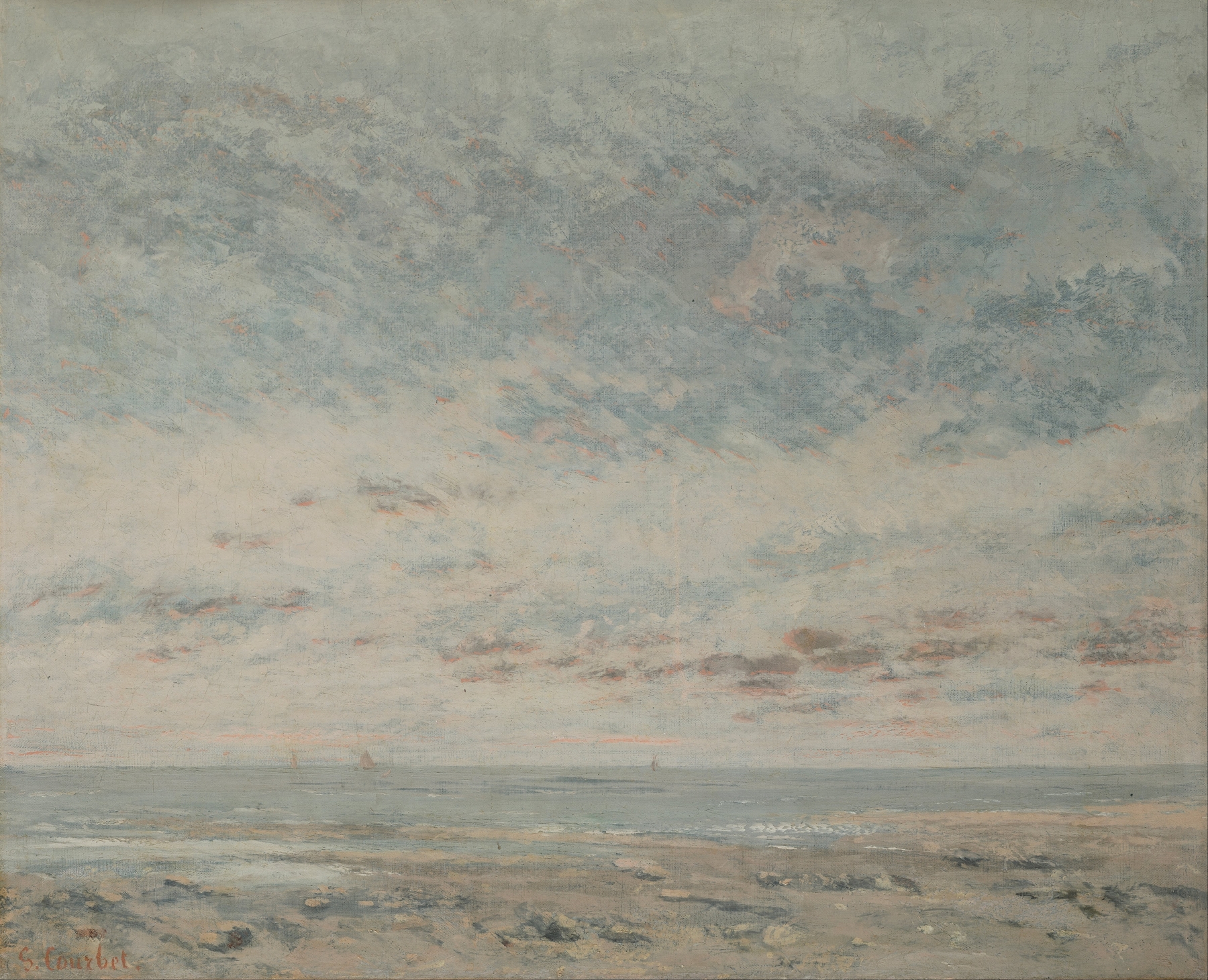
Low Tide at Trouville
Gustave Courbet
More Allegory Art
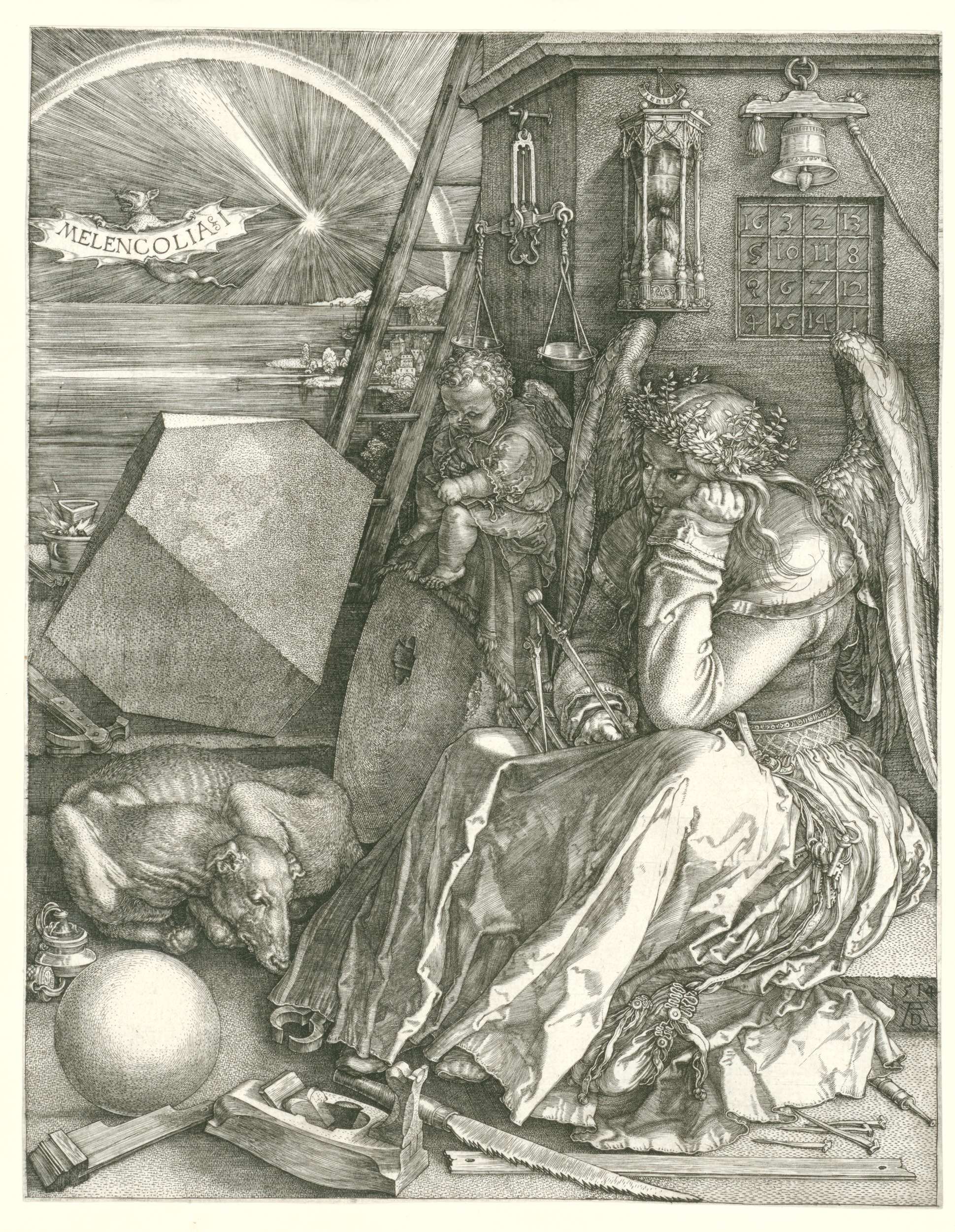
Melancholia
Albrecht Dürer
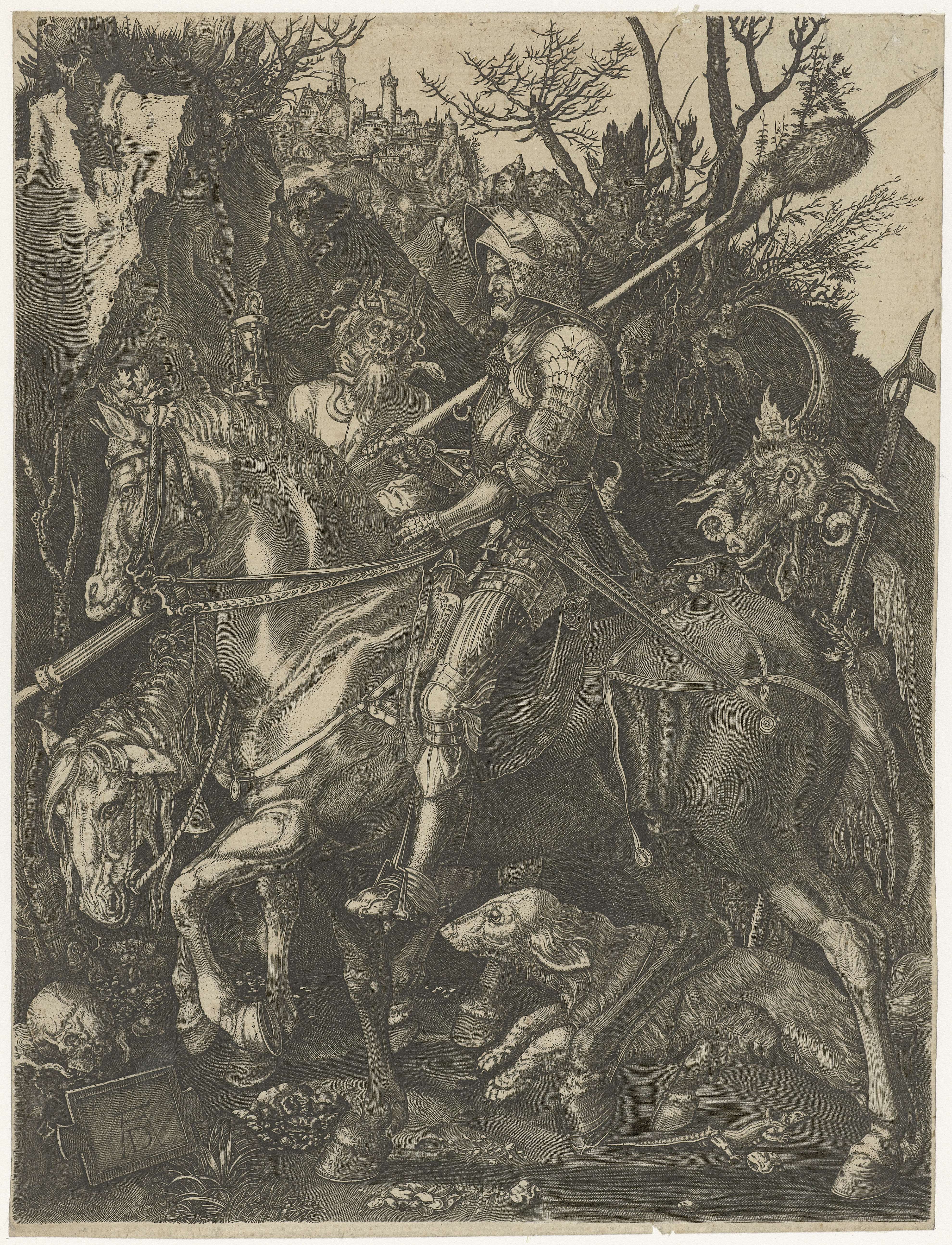
Ridder, Dood en Duivel
Unknown Artist
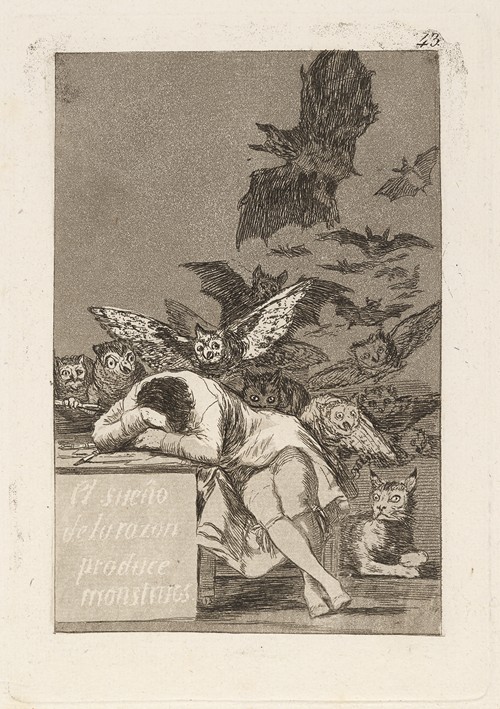
El sueño de la razon produce monstruos. (The sleep of reason produces monsters.)
Francisco de Goya
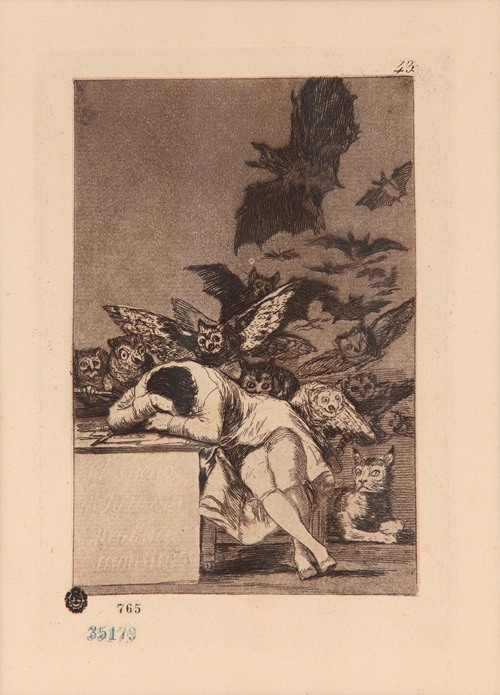
El sueño de la razon produce moustruos (Serie Caprichos)
Francisco de Goya
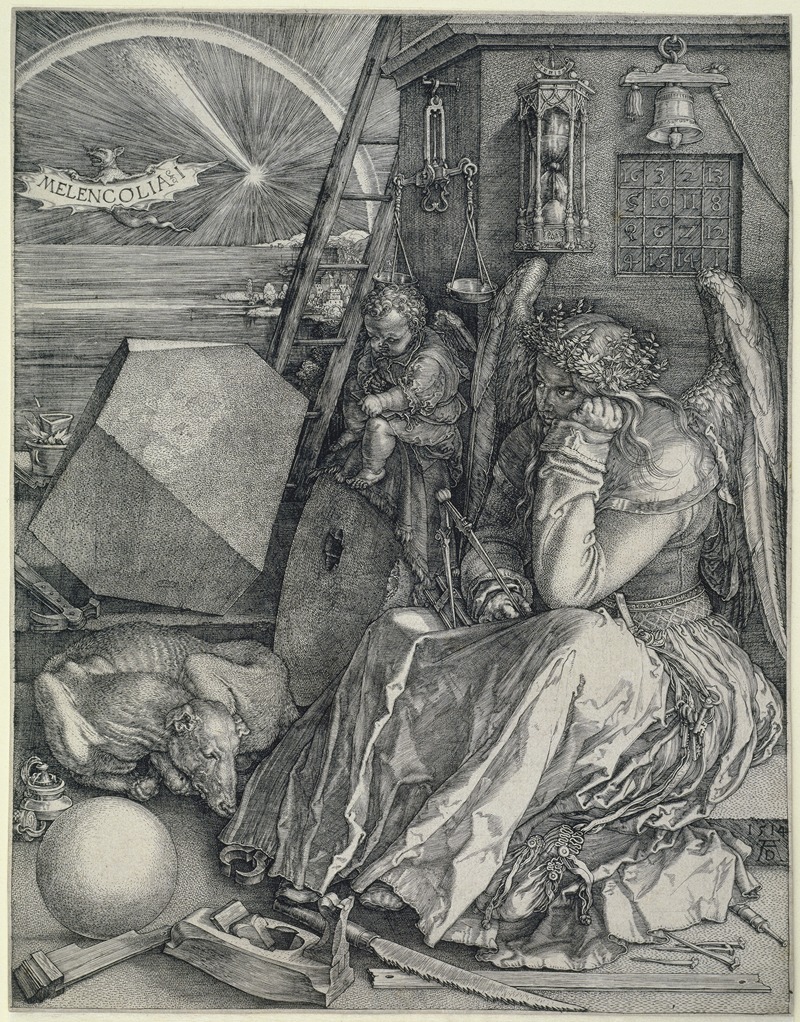
Melencolia I (The Melancholy)
Albrecht Dürer
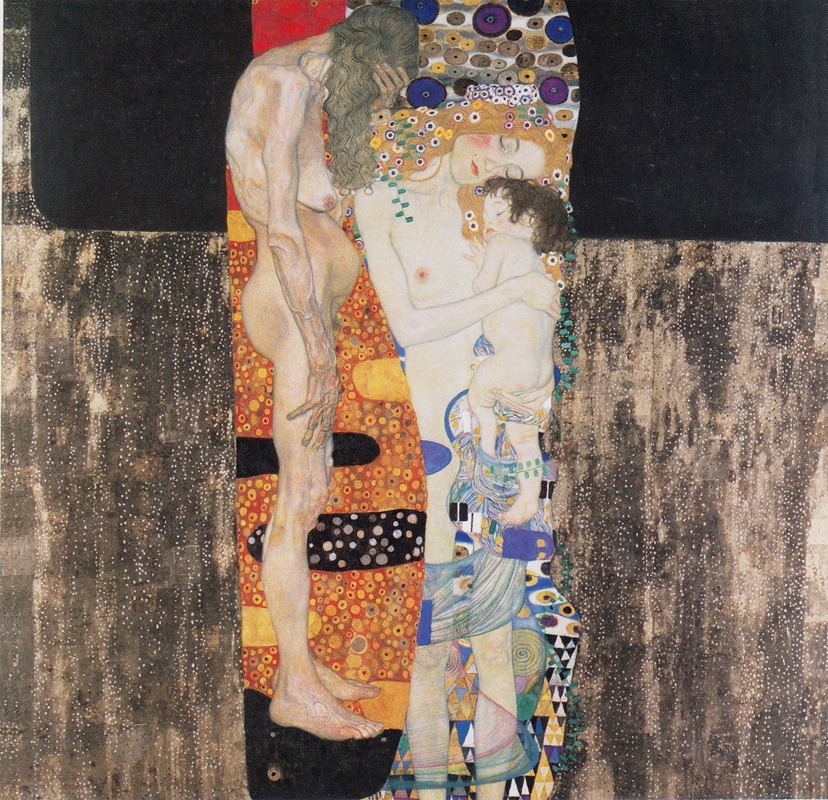
The Three Ages of the Woman
Gustav Klimt