
Le Pont de Maisons Laffittes — History & Facts
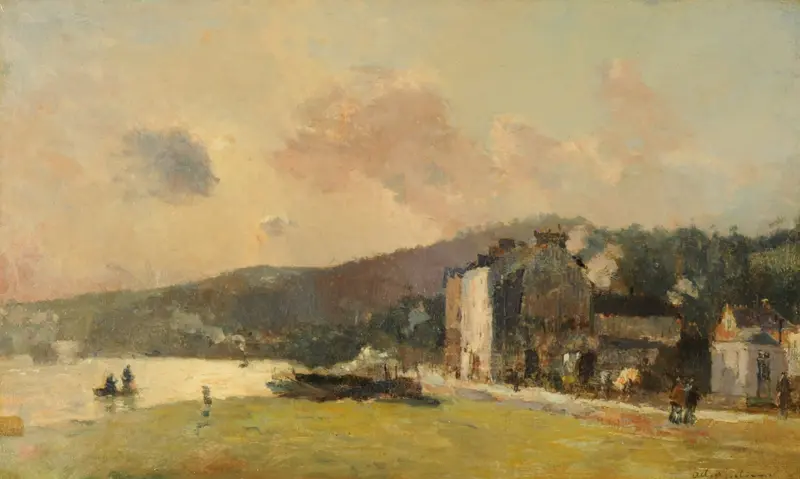
The first thing that draws the eye in Le Pont de Maisons Laffittes is the sheer expanse of sky, dwarfing the stone bridge and its quiet reflection in the river below. The bridge arches gently across the horizon, but it is the play of light—soft, fleeting, almost hesitant—that gives the scene its quiet urgency. The water is restless with color, echoing the pale blues and subtle golds of the sky above, while the banks are rendered in loose, confident strokes that suggest the lushness of late spring.
There is a sense of pause here, as if the world is holding its breath, the bridge linking not just two shores but two moments in time: the calm before activity, the hush before a day’s bustle. Painted in 1898, this work belongs to a period when French artists like Albert Charles Lebourg were captivated by the changing face of the landscape and the shifting moods of light. The late nineteenth century saw the rise of Impressionism, a movement that sought to capture the fleeting sensations of a scene rather than its fixed outlines. While little is recorded about the specific journey of this painting—except its appearance in a 2012 Christie's sale—its gentle brushwork and atmospheric palette mark it as part of that restless search for new ways to see.
In the quiet of this riverbank, you can sense the era’s fascination with both nature’s constancy and its endless change; the longer you look, the more the surface seems to shimmer with possibility.
More Artworks by Albert Charles Lebourg

Le Jardin du Docteur Viau
Albert Charles Lebourg
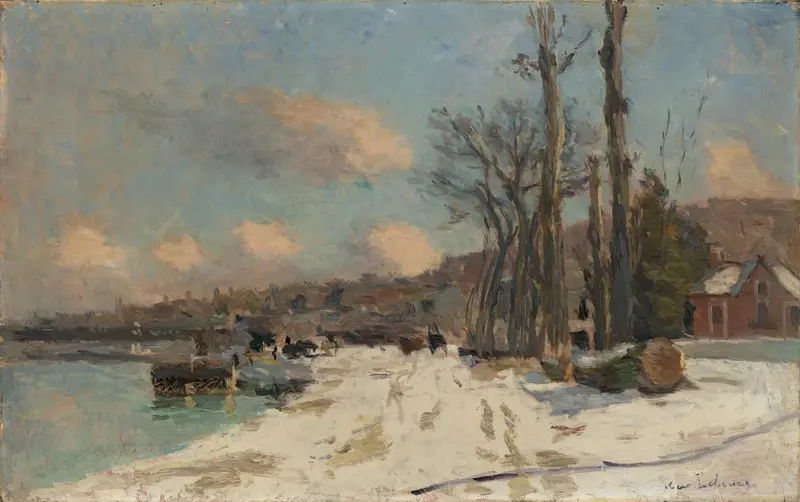
Snow Scene at Bougival
Albert Charles Lebourg
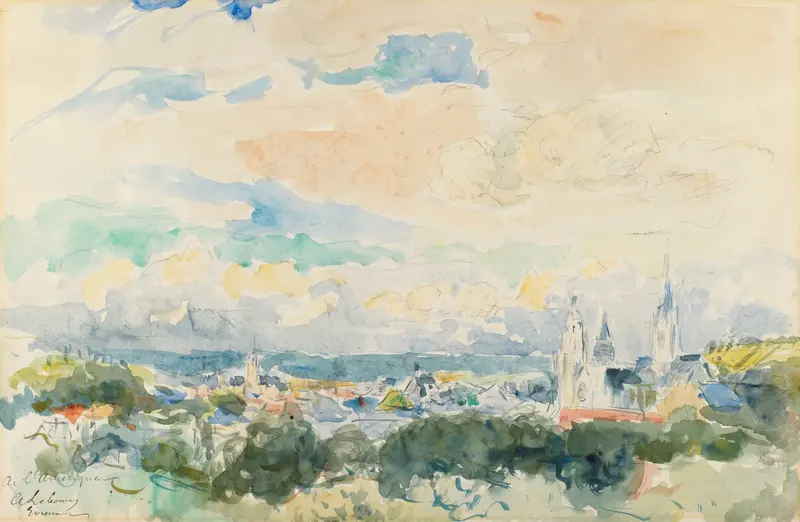
Sketch of a Village
Albert Charles Lebourg
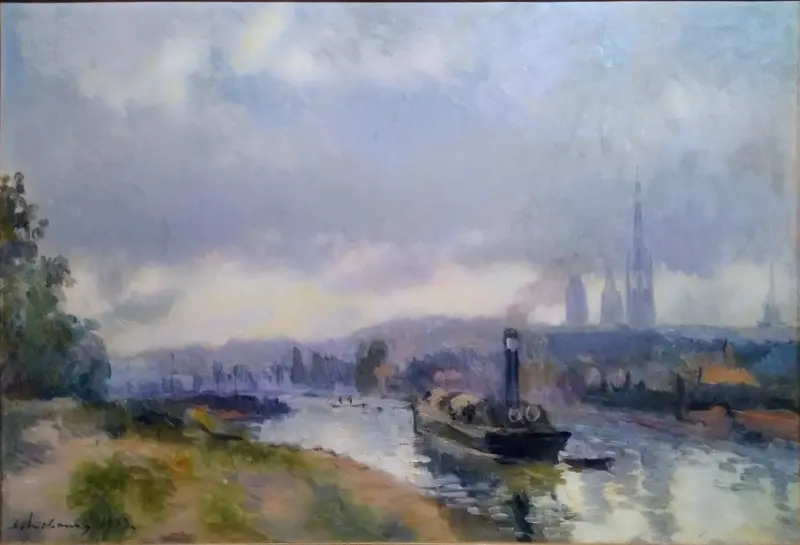
Remorqueurs à Rouen
Albert Charles Lebourg
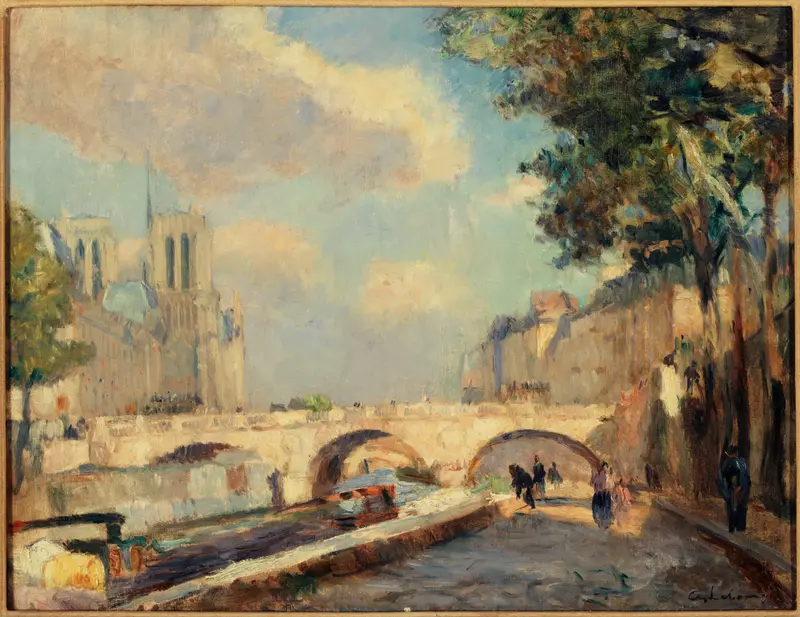
Le pont Saint Michel et Notre Dame, vus du quai des Grands Augustins P459 Musée Carnavalet
Albert Charles Lebourg
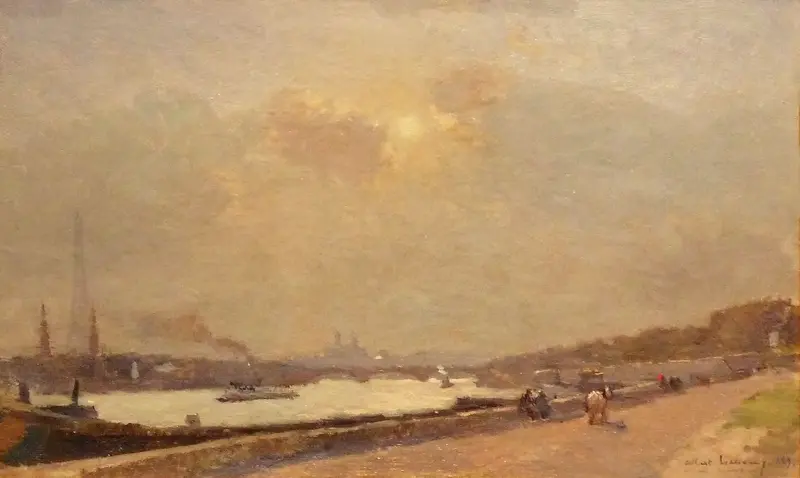
Banks of the Seine, Cours La Reine
Albert Charles Lebourg
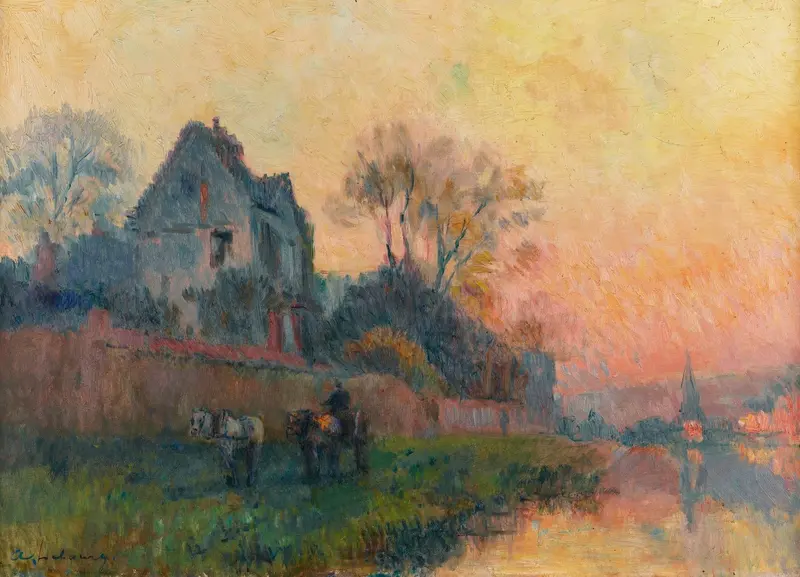
Bords de Seine à Chatou, oil on canvas, 46.4 by 65.1cm, 18.25 by 25.6 in
Albert Charles Lebourg
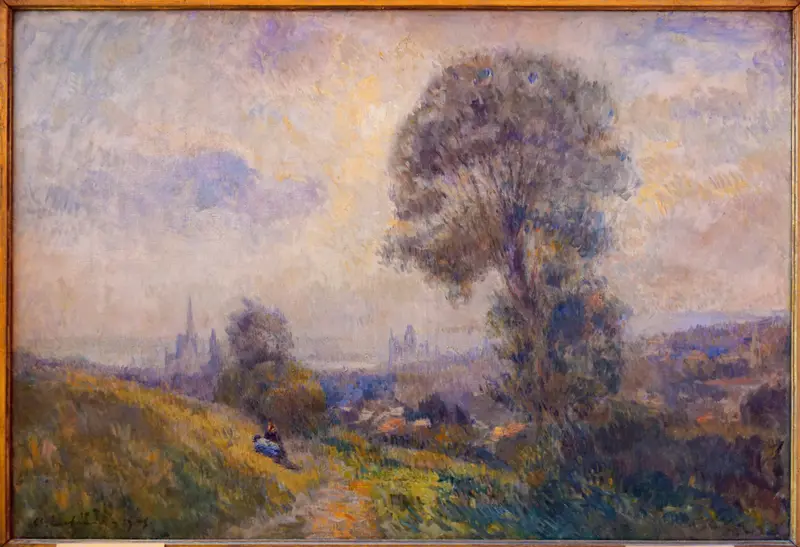
Camaret. The Harbor During a Thunderstorm
Albert Charles Lebourg
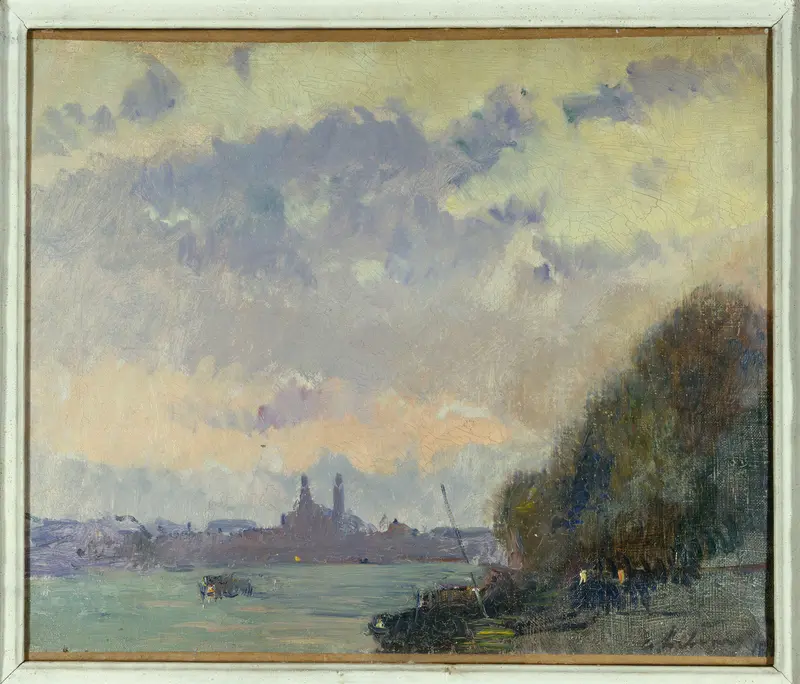
La Seine et l'ancien Trocadéro P2269 Musée Carnavalet
Albert Charles Lebourg
La Seine à Croisset, près de Rouen
Albert Charles Lebourg
More Landscape Art

The Starry Night
Vincent van Gogh

View of Delft
Johannes Vermeer

Water Lilies
Claude Monet

The Grand Canal, Venice, looking north-west from the Ca' Corner to the Ca' Contarini degli Scrigni, with the campanile of Santa Maria della Carità
Canaletto

Windsor Castle
Canaletto

The Grand Canal looking North-East from the Palazzo Dolfin-Manin to the Rialto Bridge
Canaletto