
Le rosier fleuri — History & Facts
In Le rosier fleuri, Gustave Caillebotte captures a lush garden filled with blooming roses. The painting is characterized by vibrant colors, primarily rich reds and greens, creating a lively atmosphere. The arrangement of the flowers is both natural and carefully composed, inviting the viewer into this serene space.
The light plays delicately on the petals, enhancing their beauty and freshness. The painting is executed in oil on canvas, a common medium for Caillebotte. The brushwork is loose and fluid, typical of the Impressionist style, allowing for a sense of movement and life. The composition is balanced, with the roses taking center stage against a soft background.
This technique highlights the details of the flowers while maintaining an overall harmony. Gustave Caillebotte was a key figure in the Impressionist movement, known for his innovative approach to perspective and light. Le rosier fleuri reflects his interest in nature and the beauty of everyday life. Interestingly, Caillebotte was also an accomplished photographer, which influenced his painting style.
This work showcases his ability to blend realism with impressionistic techniques.
More Artworks by Gustave Caillebotte
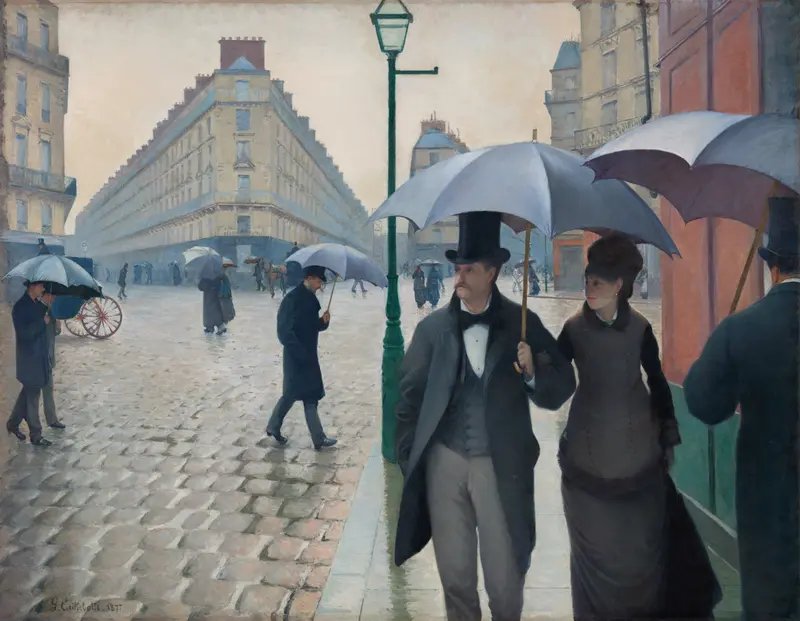
Paris Street; Rainy Day
Gustave Caillebotte
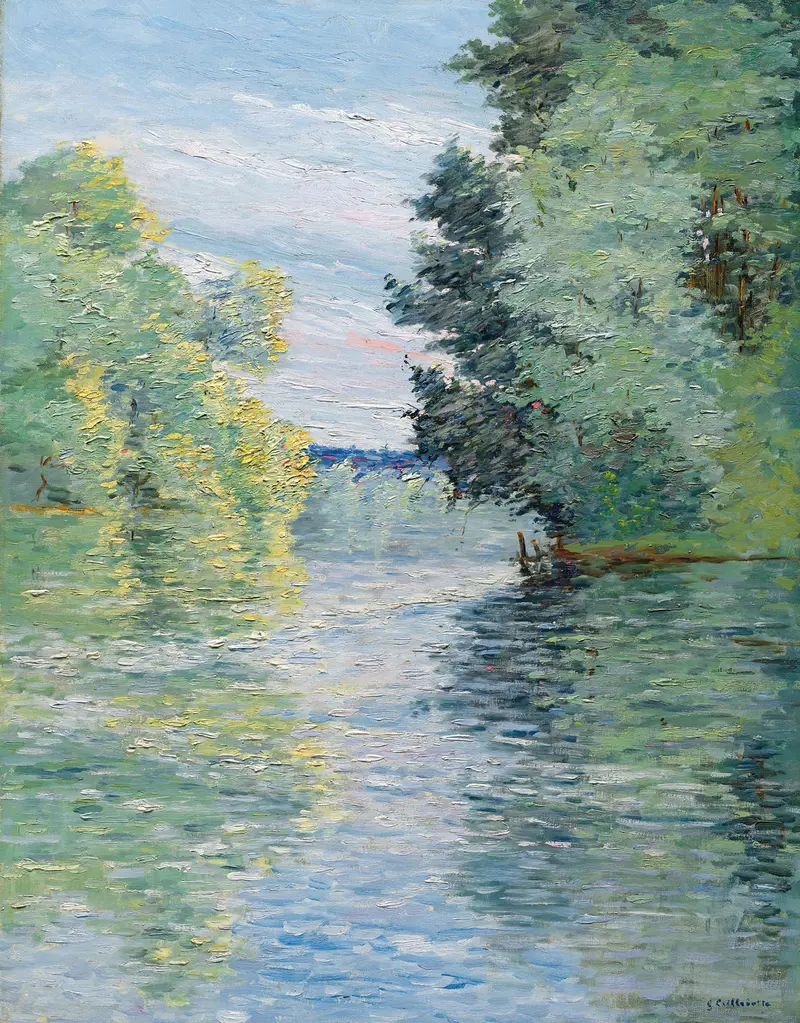
Le Petit bras de la Seine à Argenteuil
Gustave Caillebotte

La Vallée De L’yerres
Gustave Caillebotte
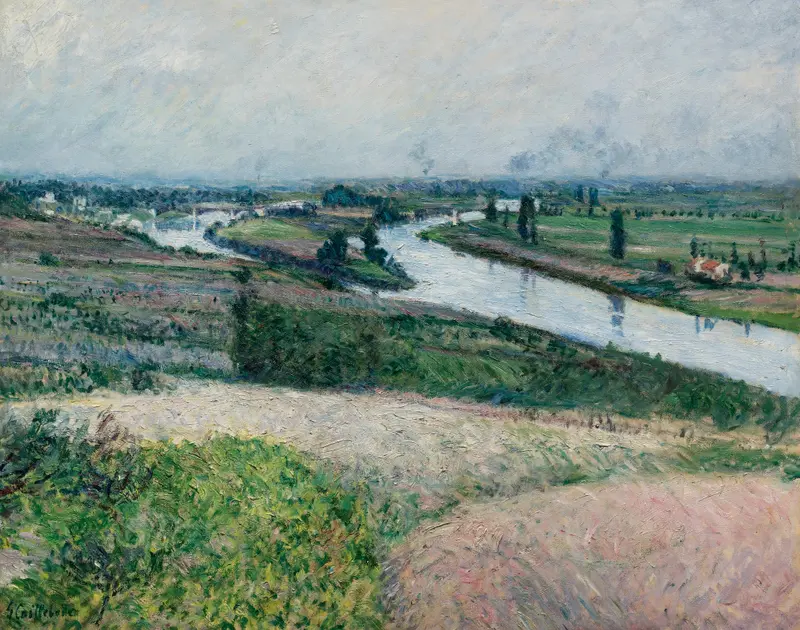
La Seine À La Pointe D’epinay
Gustave Caillebotte
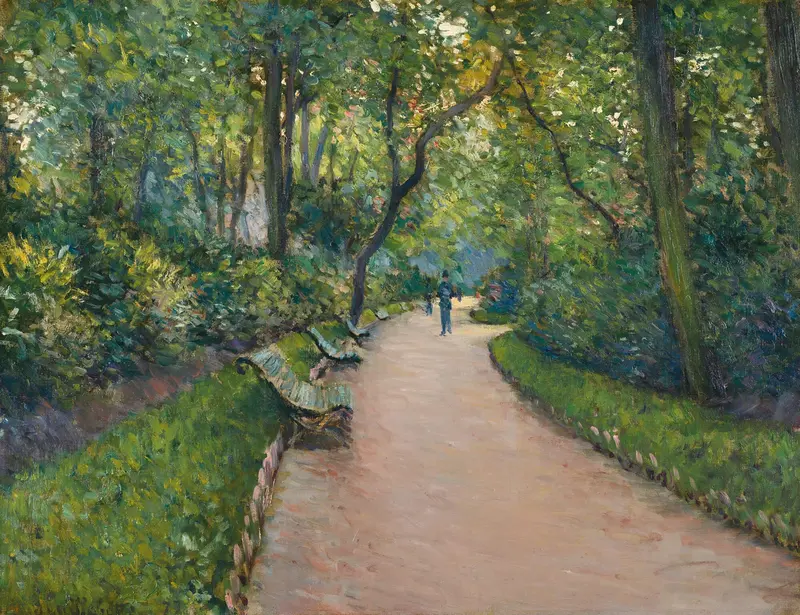
Le Parc Monceau
Gustave Caillebotte
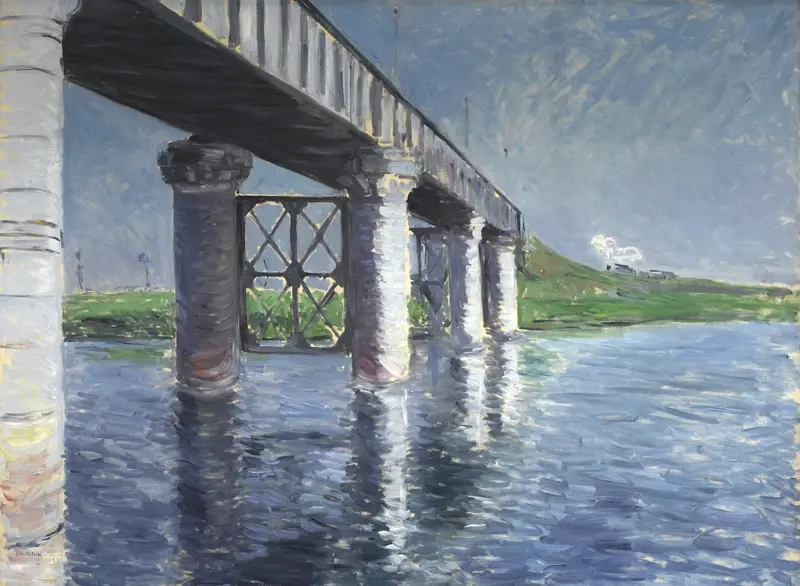
The Seine and the Railroad Bridge at Argenteuil
Gustave Caillebotte
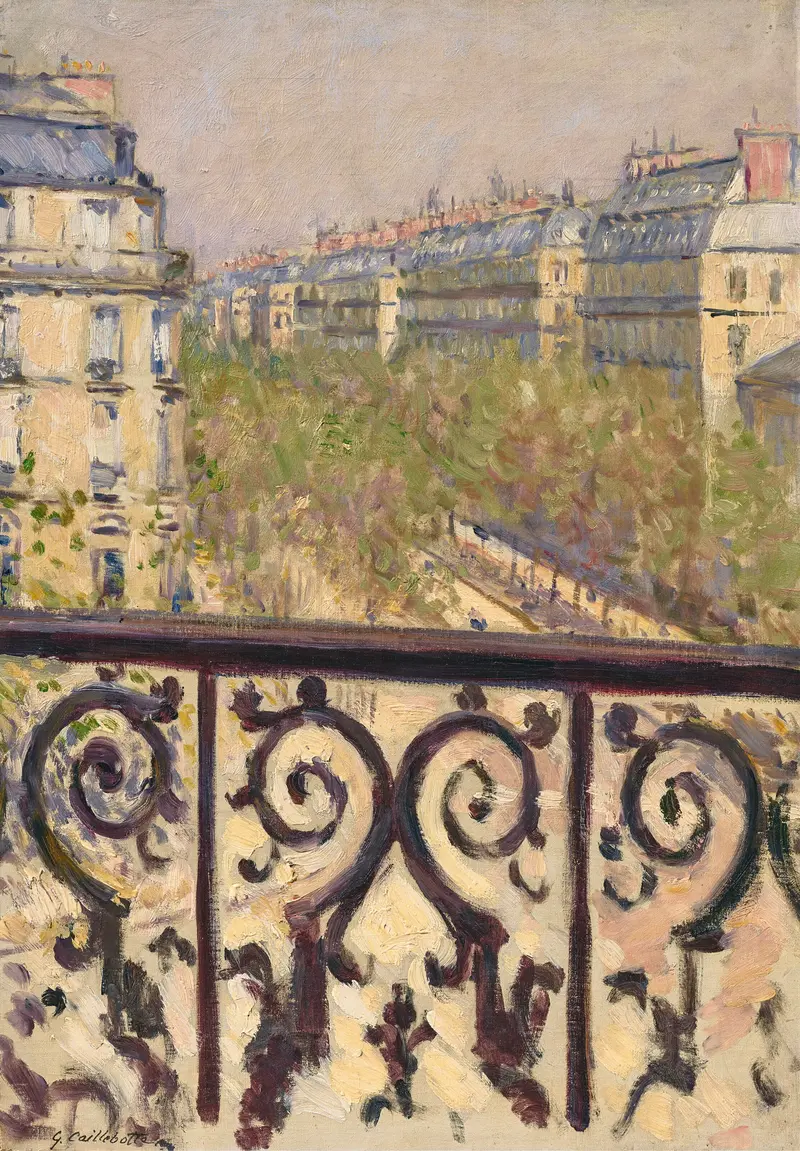
Un Balcon, Boulevard Haussmann
Gustave Caillebotte
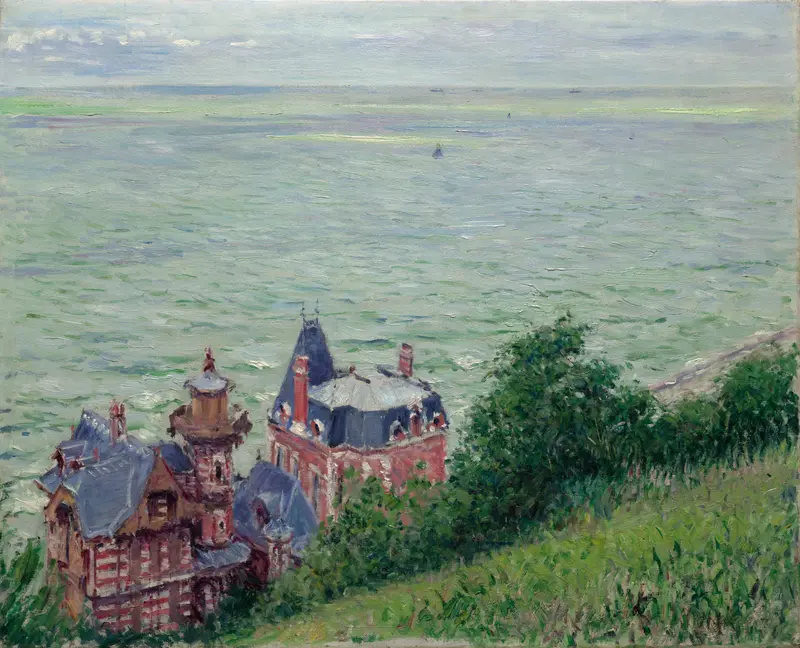
Villas at Trouville
Gustave Caillebotte
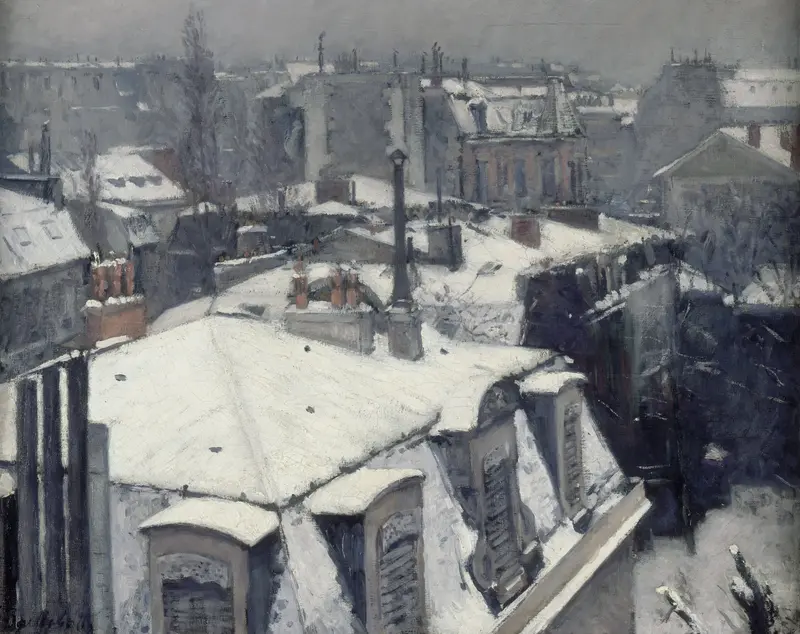
Rooftops in the Snow (Snow Effect)
Gustave Caillebotte
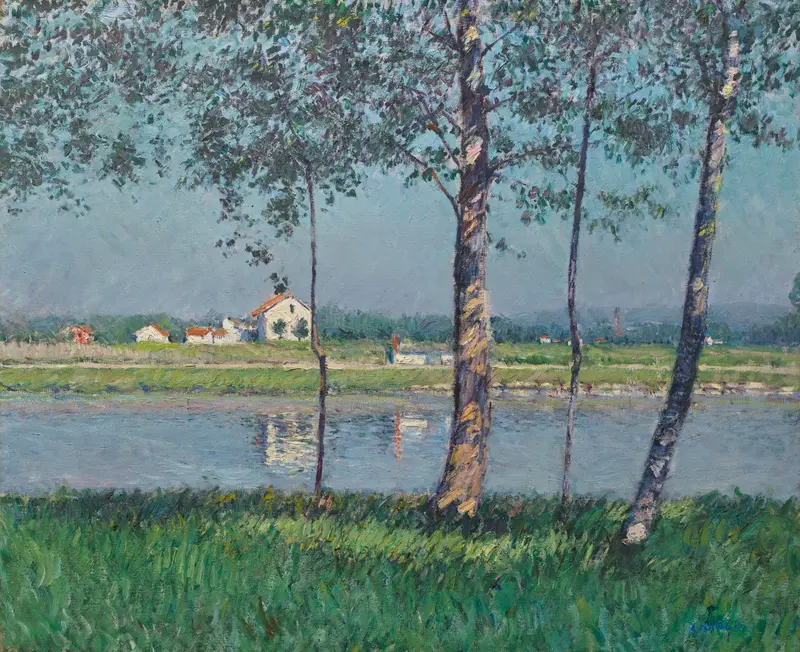
Rive de la Seine au Petit-Gennevilliers
Gustave Caillebotte
More Landscape Art

The Starry Night
Vincent van Gogh

View of Delft
Johannes Vermeer

Water Lilies
Claude Monet

The Grand Canal, Venice, looking north-west from the Ca' Corner to the Ca' Contarini degli Scrigni, with the campanile of Santa Maria della Carità
Canaletto

Windsor Castle
Canaletto

The Grand Canal looking North-East from the Palazzo Dolfin-Manin to the Rialto Bridge
Canaletto