
Le Satyre — History & Facts
In Le Satyre, we see a mythical figure, a satyr, surrounded by lush greenery and soft, warm colors. The satyr's expression is playful, embodying a sense of mischief and joy. The background features a dreamy landscape, enhancing the enchanting atmosphere of the painting.
The use of light and shadow creates depth, drawing the viewer's eye to the central figure. The painting is executed in oil on canvas, showcasing Fantin-Latour's skill in blending colors and textures. The dimensions are approximately 100 x 150 cm, making it a sizable work that commands attention. The brushwork is fluid, with delicate details that highlight the satyr's features and the surrounding foliage.
This technique is characteristic of the Symbolism movement, which often seeks to convey deeper meanings through visual elements. Henri Fantin-Latour was known for his still lifes and portraits, but Le Satyre showcases his interest in mythological themes. Created in the 1880s, this painting reflects the Symbolist movement's fascination with nature and the supernatural. An interesting fact about this work is that it combines Fantin-Latour's traditional techniques with a more imaginative subject matter, demonstrating his versatility as an artist.
Today, it is housed in the Musée d'Orsay, where it continues to captivate audiences.
More Artworks by Henri Fantin-Latour
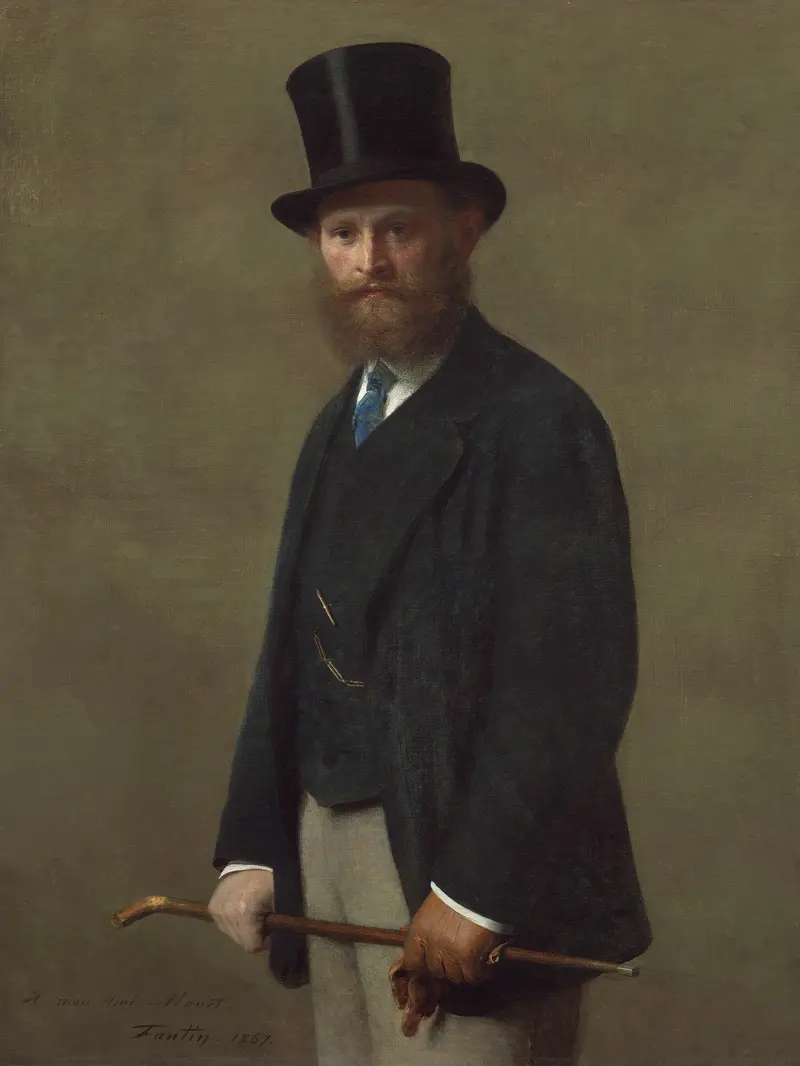
Édouard Manet
Henri Fantin-Latour
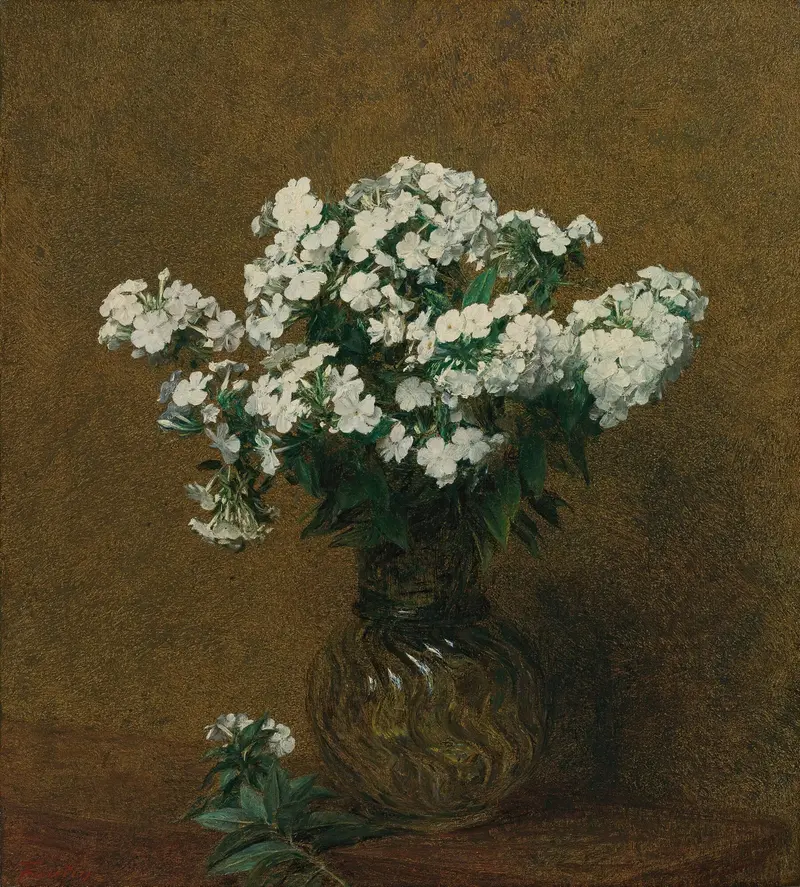
Phlox Blancs Dans Un Vase
Henri Fantin-Latour
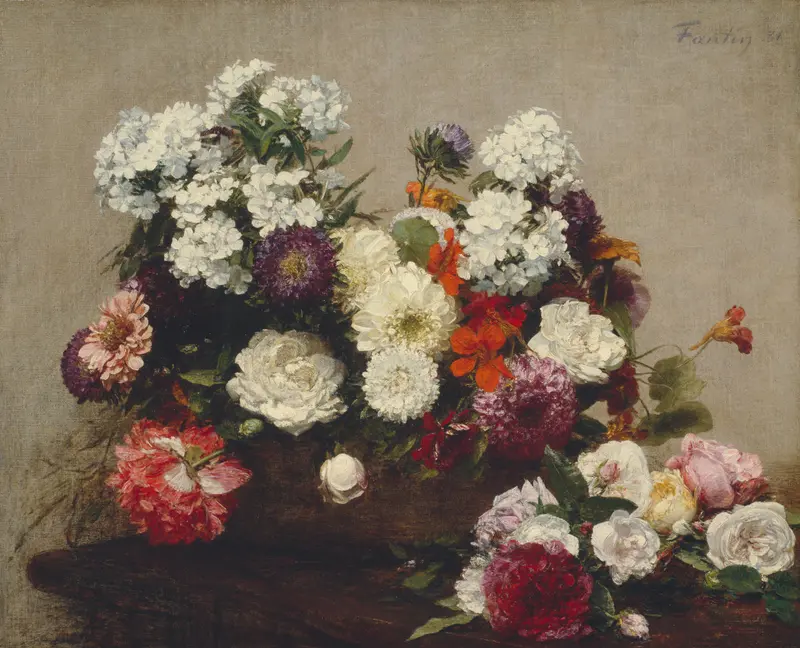
Still Life with Flowers
Henri Fantin-Latour
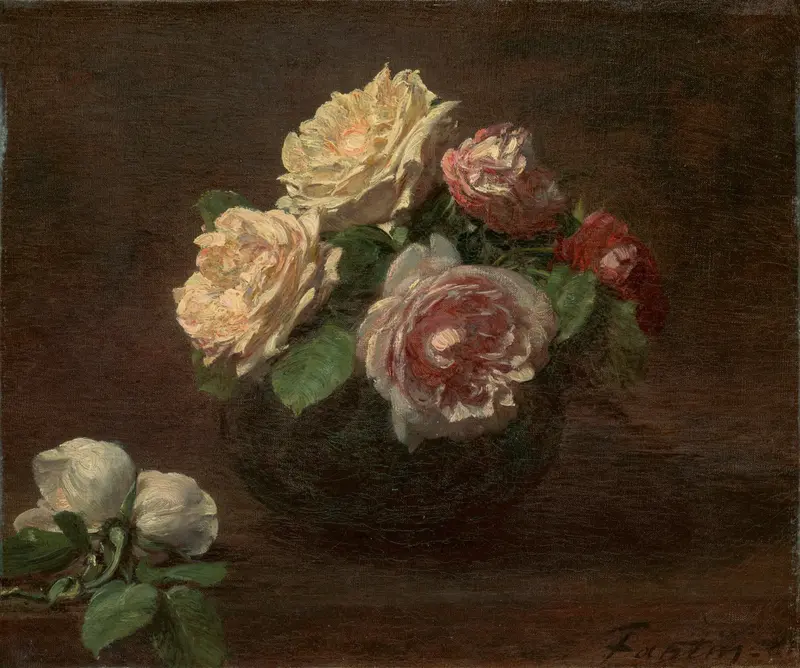
Roses in a Bowl
Henri Fantin-Latour
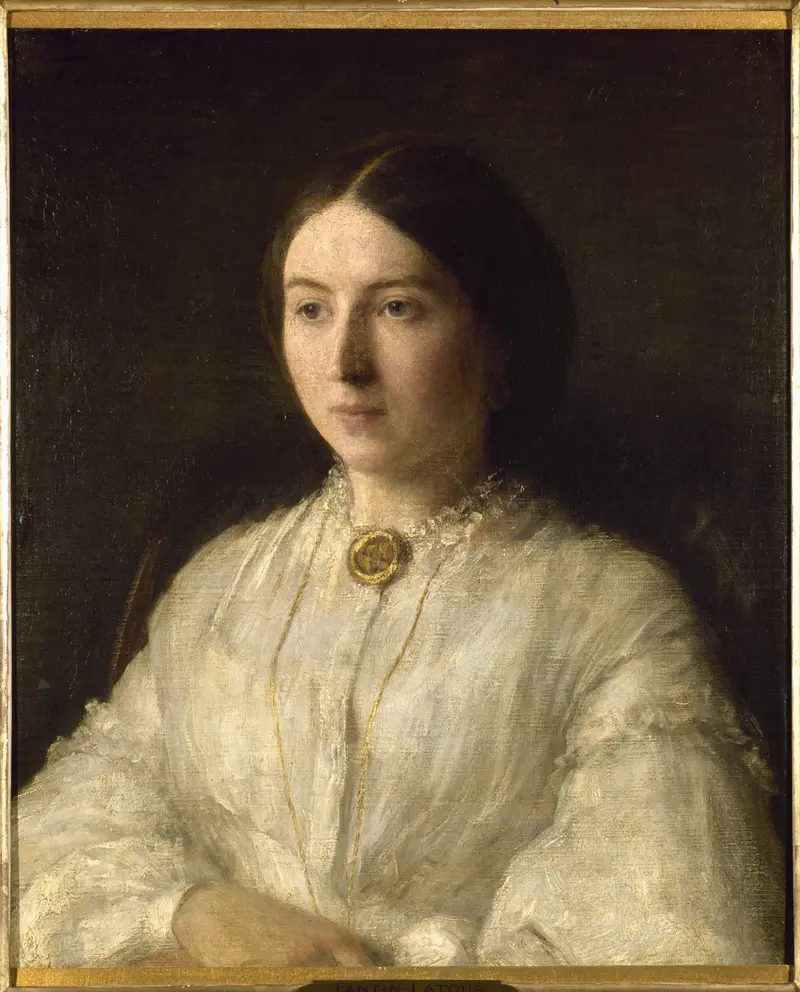
Portrait de Mme Edwin Edwards
Henri Fantin-Latour
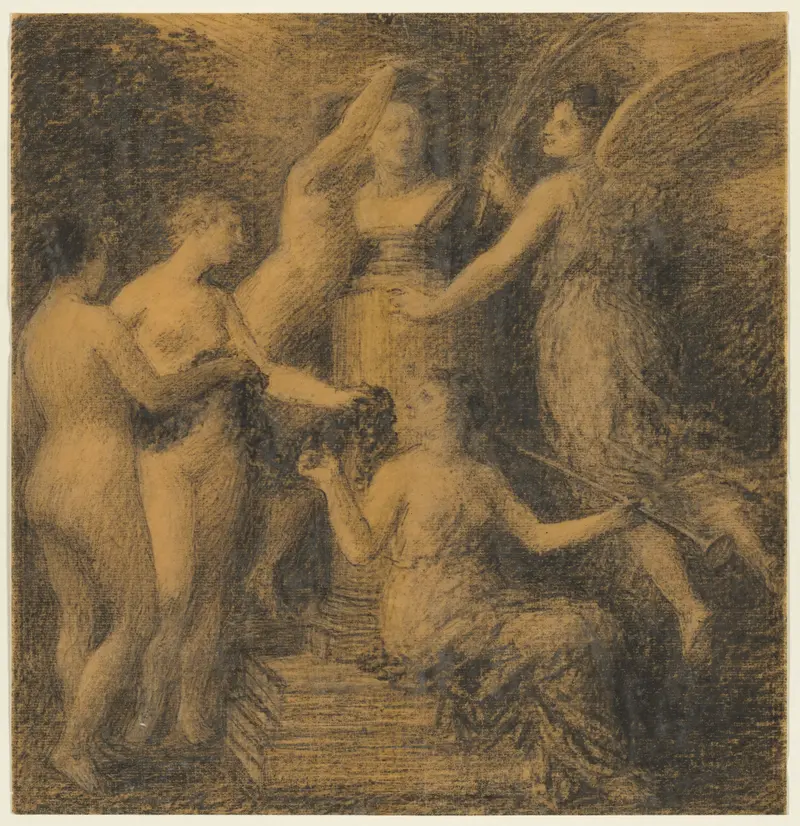
Homage to Rossini
Henri Fantin-Latour
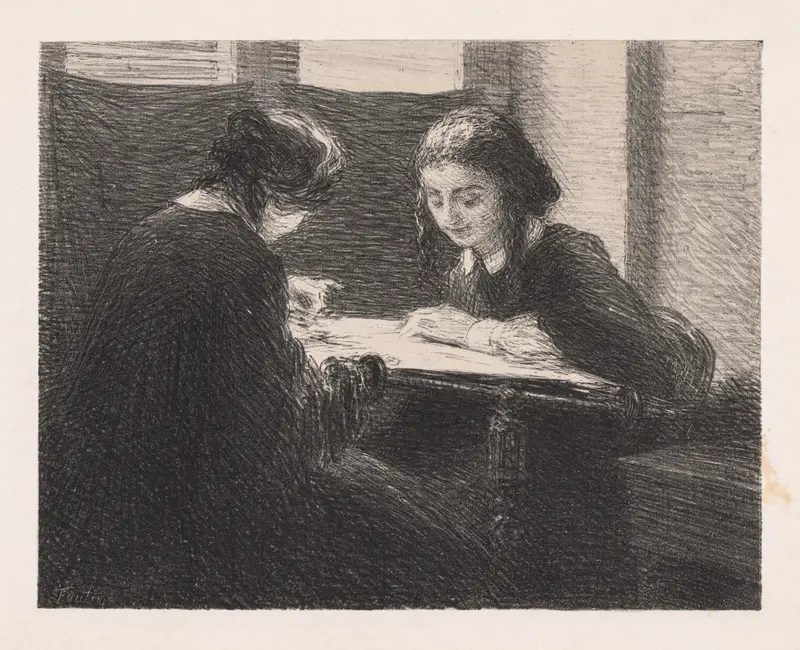
The Embroideres (Les Brodeuses)
Henri Fantin-Latour
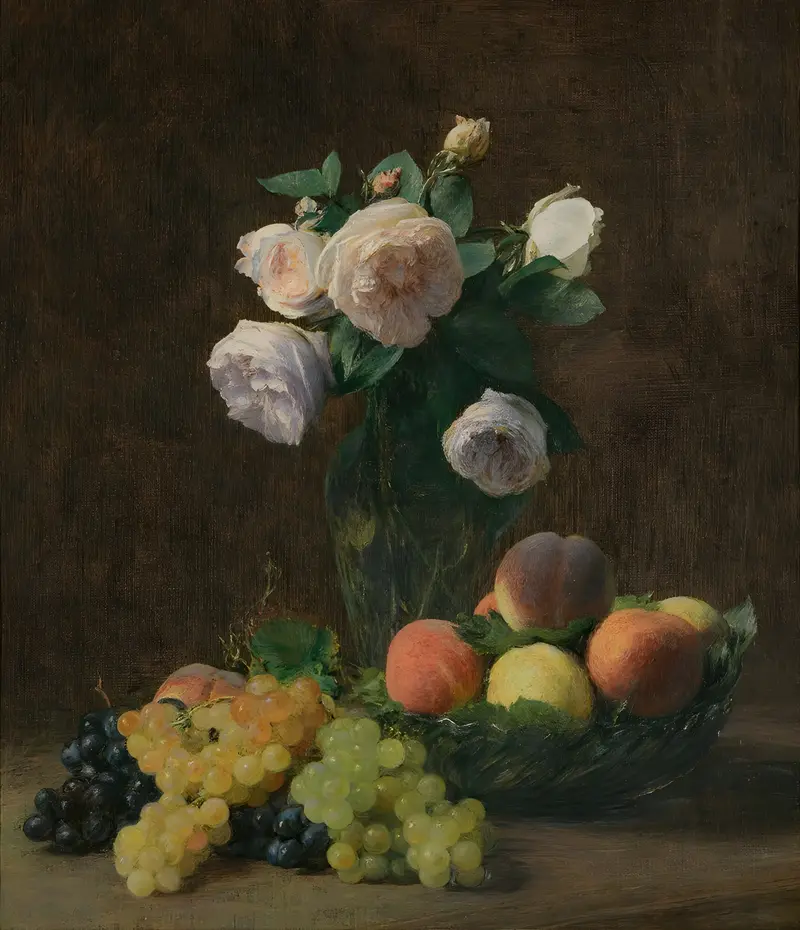
Nature Morte; Vase De Roses, Pêches Et Raisins
Henri Fantin-Latour
Inspiration
Henri Fantin-Latour
Nude study
Henri Fantin-Latour





