
Le soir ou La glaneuse — History & Facts
What secret hides in the quiet of the canvas? In the stillness of Le soir ou La glaneuse, the viewer is drawn into a profound moment that whispers of divinity and the sacredness of simplicity. Look to the bottom left, where the glaneuse bends gracefully in the fading light, her silhouette a soft contrast against the golden hues of the stubble field. Notice how the gentle sweep of her arm mirrors the curves of the earth, while the fading sun casts a warm, ethereal glow that envelops her figure. The painter’s choice of color — rich ambers and subtle greens — creates a harmony that resonates with the peacefulness of the evening, inviting the viewer to linger in this moment of labor and quiet reflection. As you explore the scene, consider the deeper implications of the glaneuse’s solitude.
She is a figure of resilience, her toil a celebration of simpler, yet often overlooked, lives. The vastness of the landscape amplifies her presence, suggesting a connection between humanity and the divine as she collects the remnants left by the harvest. This act of gathering becomes an emblem of sustenance, both physical and spiritual, highlighting the tension between the transient and the eternal. In 1894, during a time of artistic exploration and innovation in France, Seguin painted this work amidst the vibrant movement of Post-Impressionism.
He was influenced by his contemporaries, striving to capture the essence of everyday life while imbuing it with emotion and spirituality. This piece reflects his commitment to portraying the beauty found in the ordinary, intertwining the earthly with the divine in a moment that invites contemplation.
More Artworks by Armand Seguin
Browse all →
Femmes et vaches dans les champs en Bretagne
Armand Seguin
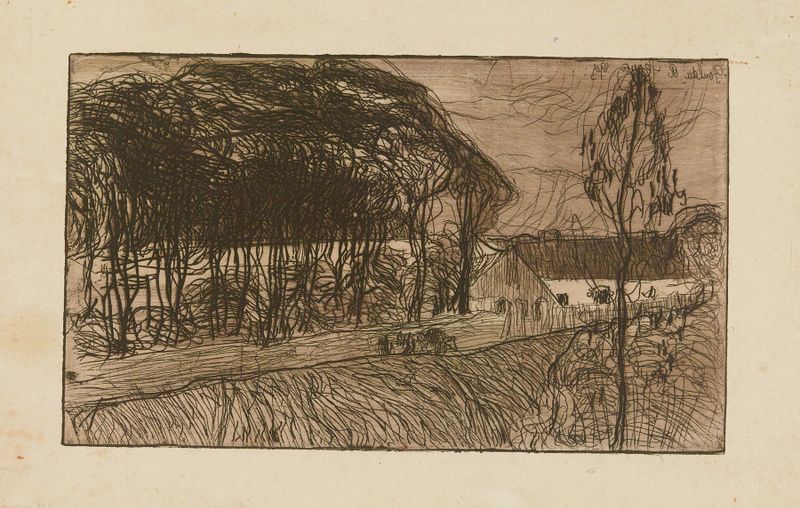
La Route du Pouldu
Armand Seguin

Pêcheurs de goémons
Armand Seguin
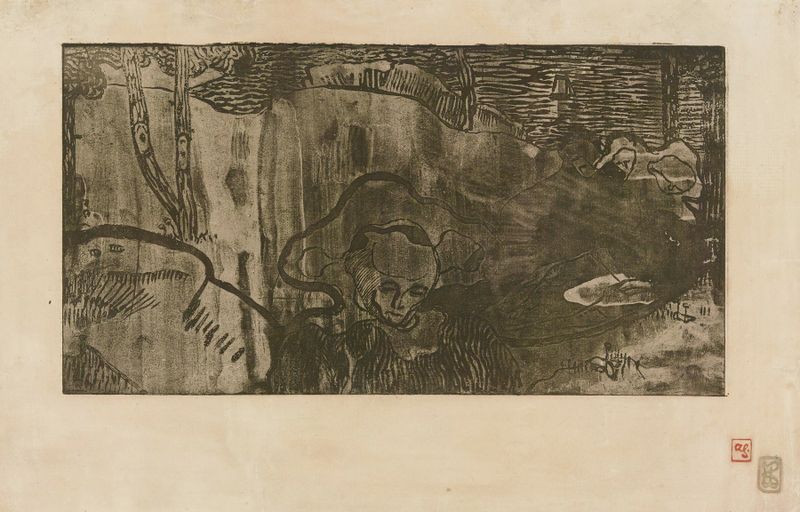
Décoration de Bretagne – Bretonnes au bord de la mer
Armand Seguin
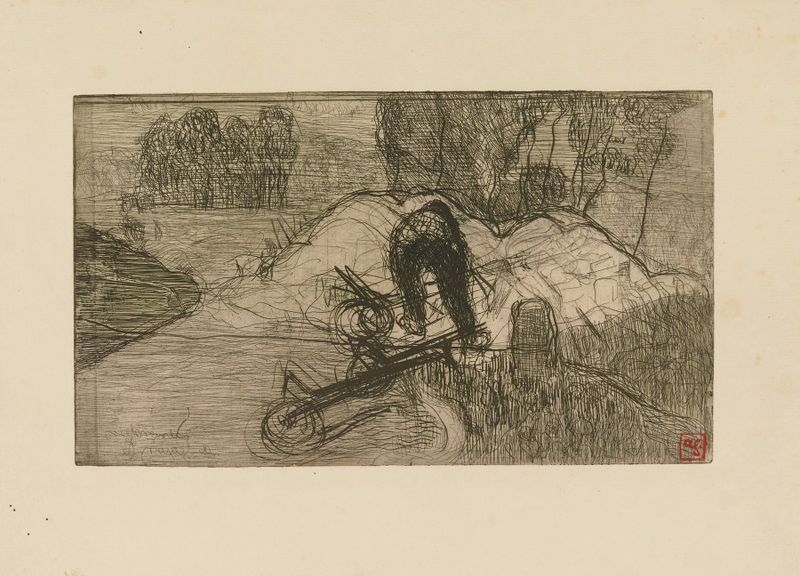
Le débardeur
Armand Seguin
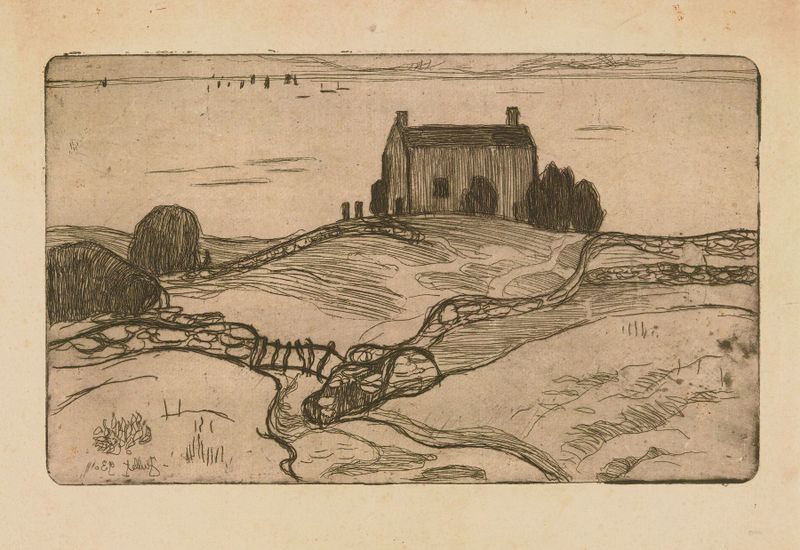
La maison du pendu
Armand Seguin
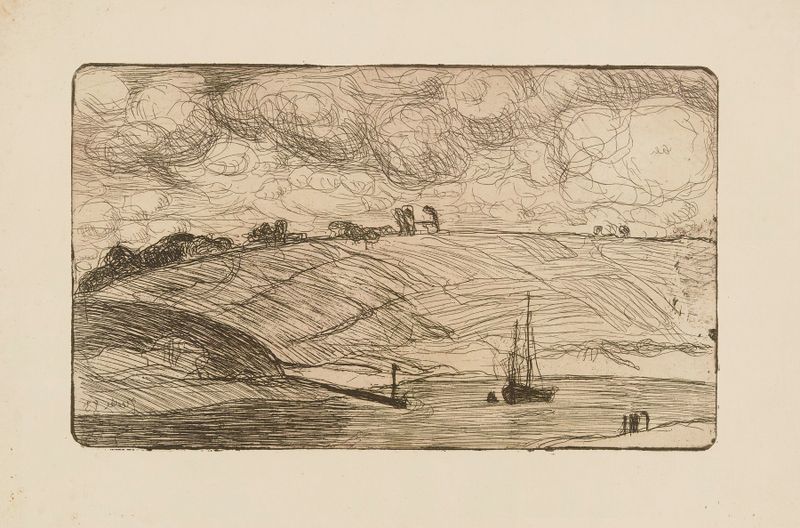
L’entrée de la rivière
Armand Seguin
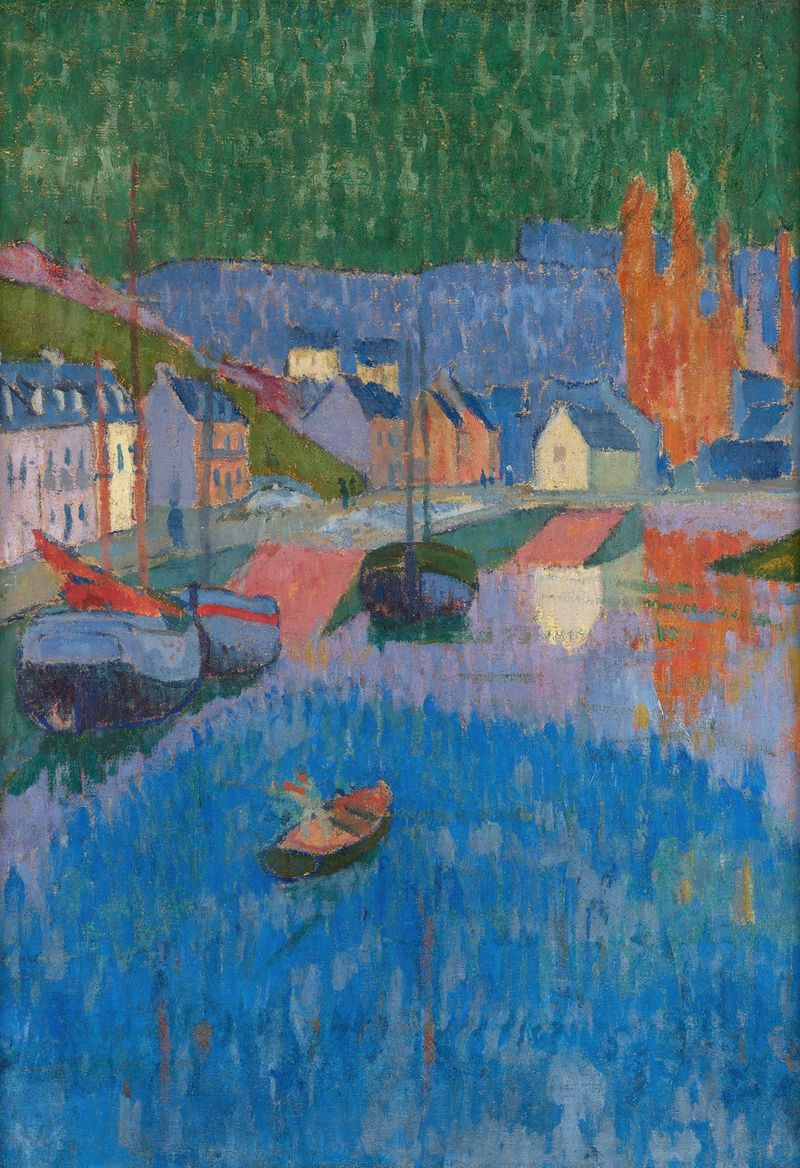
Seaport
Armand Seguin
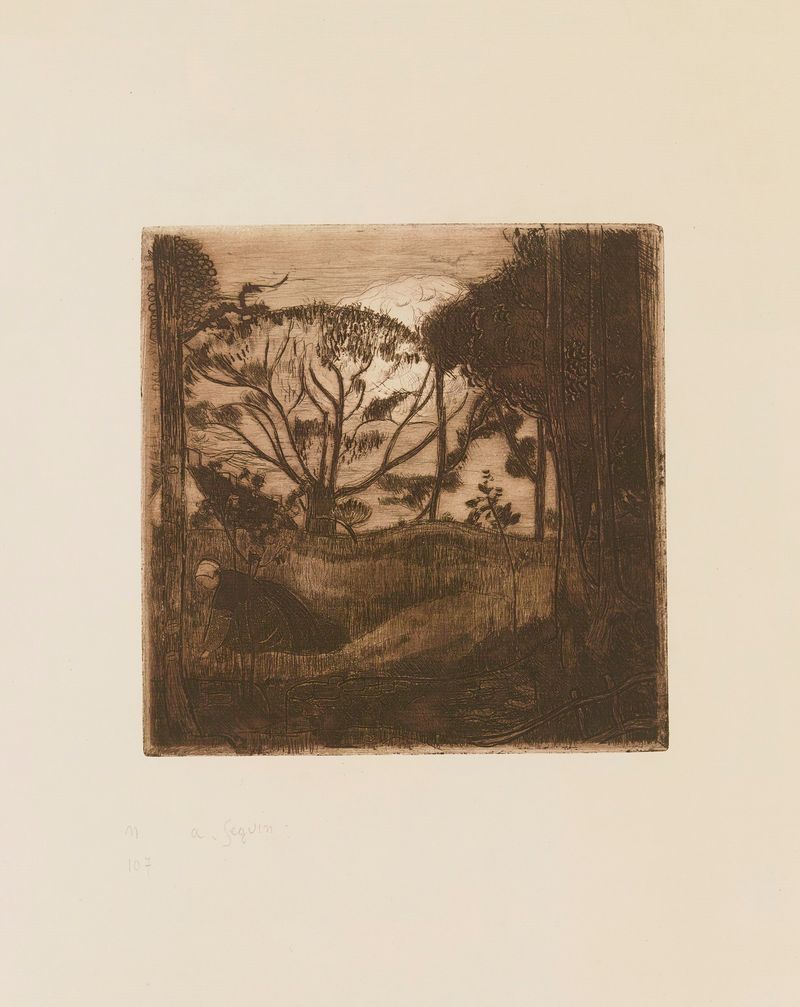
Le soir ou La glaneuse
Armand Seguin
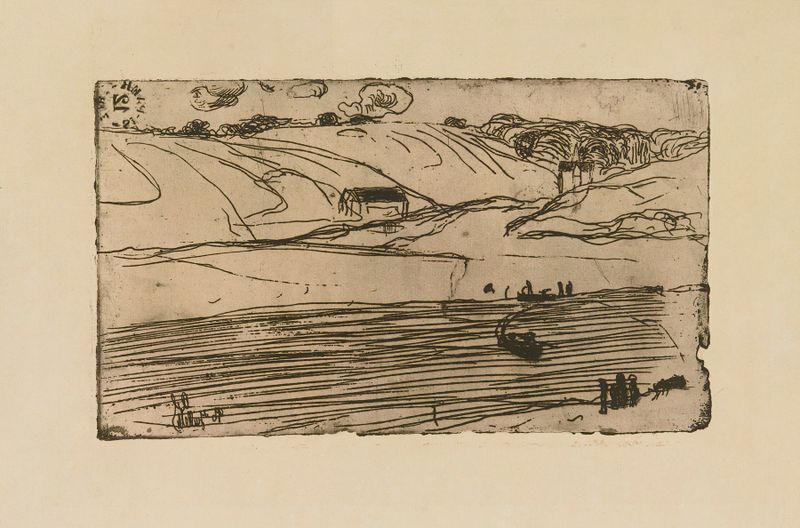
La pêche
Armand Seguin





