
Le terrassier de la plaine Saint-Denis — History & Facts
What if beauty was never meant to be finished? In the quiet grind of labor, one finds a profound truth that transcends the everyday. Look closely at the earthy tones that dominate Le terrassier de la plaine Saint-Denis, where the palette is a symphony of browns, ochres, and muted greens. Notice how the figure of the workman, hunched and engrossed in his toil, draws your gaze to the center. Raffaëlli’s deft brushwork captures the texture of the soil and the weight of the man's labor, making it palpable.
The light—diffused yet penetrating—illuminates the contours of his body, highlighting the sinew and determination etched into his form. Yet, beneath this portrayal of hard work lies a deeper narrative. The stark contrasts of light and shadow not only depict the physical toil of the terrassier but also evoke the broader existential struggles of the working class. The figure’s solitary stance against the vast expanse of the plain invites contemplation of isolation and resilience.
It is a moment suspended in time, where beauty intermingles with the weight of existence—the sublime entwined with the mundane. In 1896, Raffaëlli painted this work during a period of artistic upheaval in France. The rise of Impressionism and the exploration of modern life influenced his approach, blending realism with an appreciation for atmospheric effects. Living in the bustling metropolis of Paris, he witnessed the changing landscape, both industrial and social, shaping the narratives that would ultimately define his artistic vision.
More Artworks by Jean François Raffaëlli
Browse all →
Autumn In Paris
Jean François Raffaëlli

Le jardin du Luxembourg
Jean François Raffaëlli
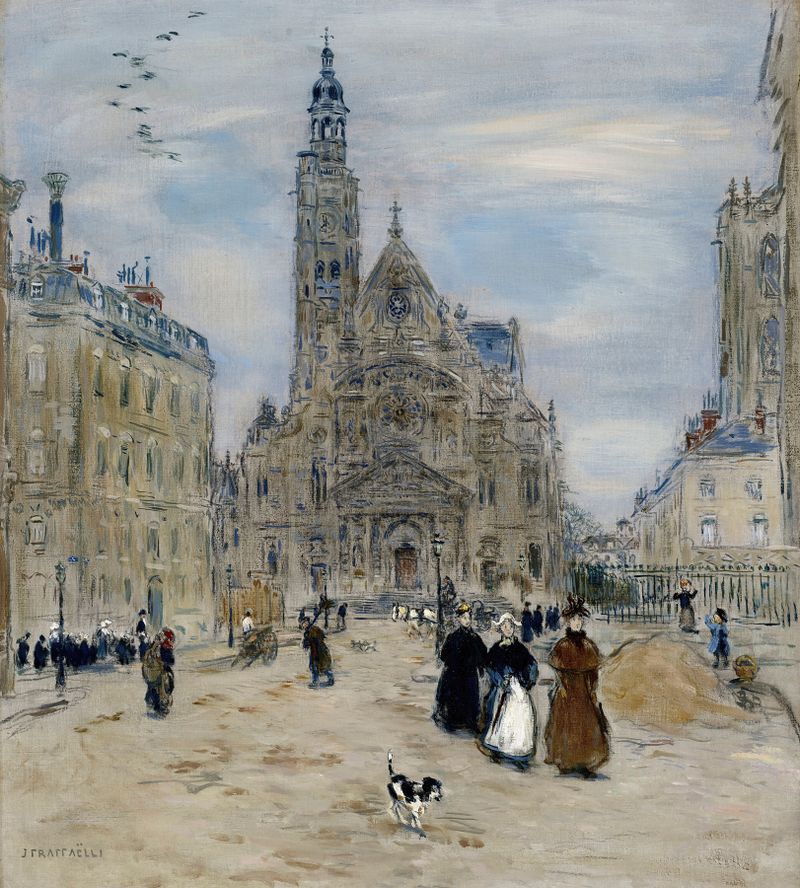
Saint-Étienne-du-Mont, Paris
Jean François Raffaëlli
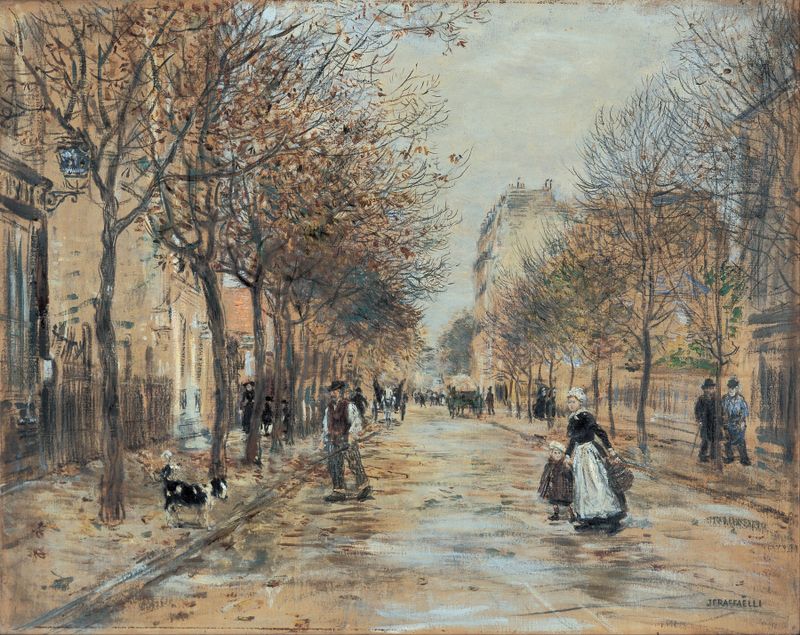
Street in Asnières
Jean François Raffaëlli
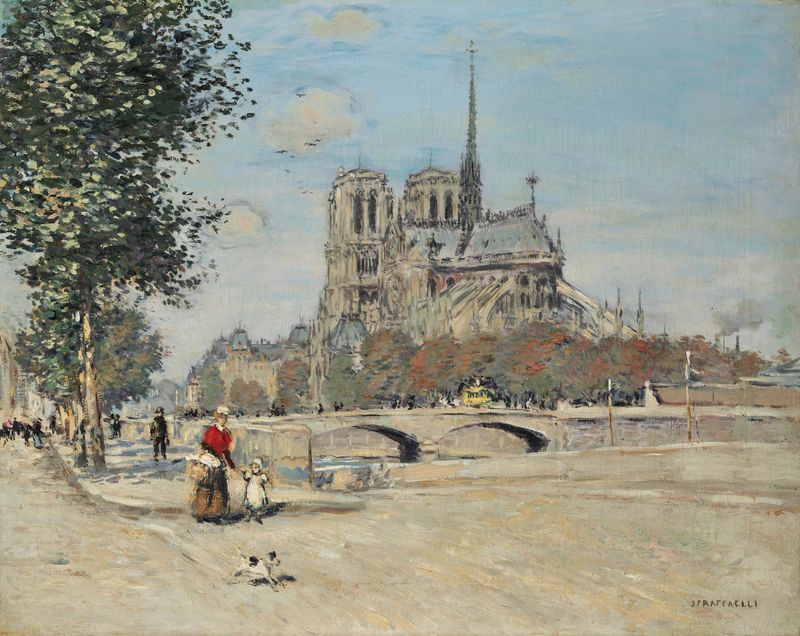
Notre-Dame de Paris et le pont de l’Archevêché
Jean François Raffaëlli

Place de Saint-Germain des Prés, Paris
Jean François Raffaëlli
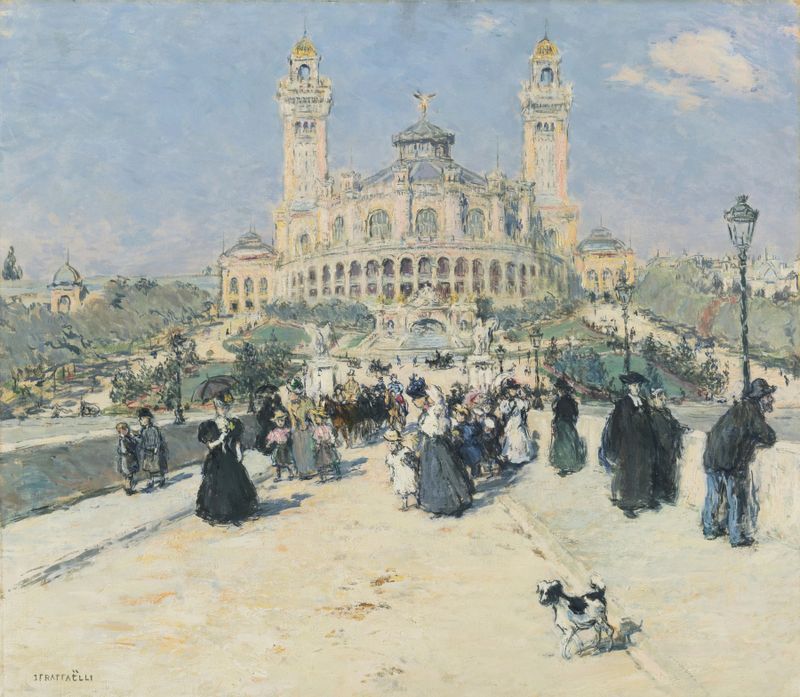
Le Trocadéro
Jean François Raffaëlli

Les Champs-Élysées
Jean François Raffaëlli

Le boulevard des Italiens
Jean François Raffaëlli

The Quai Malaquais, Paris
Jean François Raffaëlli





