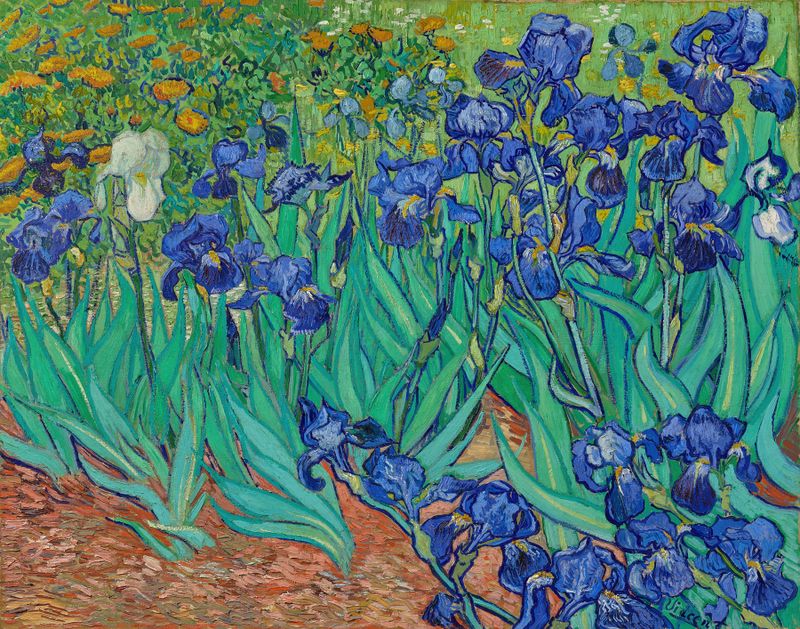
Le verger — History & Facts
Is this a mirror — or a memory? The vibrant hues and rhythmic brushstrokes invite us to step into the lush world captured on canvas, where nature dances in a vivid representation of ecstasy. Look to the upper left at the clusters of blossoming fruit, their delicate petals glowing in the dappled sunlight that filters through the branches. As you shift your gaze downward, the ground bursts into a tapestry of greens and golds, where the play of light creates a soft, inviting glow. The composition is infused with energy; the painter’s loose, spontaneous technique evokes a sense of movement, as if the trees sway gently in the breeze, beckoning viewers closer to explore each nuanced layer. Within this pastoral scene lies a juxtaposition of serenity and vibrancy, encapsulating the fleeting pleasures of life.
The lively colors elicit joy, while the careful arrangement of trees hints at the transitory nature of existence, suggesting both abundance and the inevitable passage of time. The sense of harmony here is palpable, yet it carries an undercurrent of longing, as if every blossoming petal whispers stories of both delight and fragility. In 1895, the artist painted this work during a transformative period, aligning with the burgeoning Impressionist movement that sought to capture the essence of modern life. Living in France, amidst a thriving artistic community, he was deeply influenced by his contemporaries while still carving his niche.
This piece reflects his embrace of color and light, embodying a temporary yet euphoric moment within nature’s embrace and resonating with the ideals of capturing the ephemeral.
More Artworks by Maximilien Luce
Browse all →
Le Quai Montebello Et La Colline Sainte-Geneviève
Maximilien Luce

Le Pont-Neuf, La Seine, Petit Bras
Maximilien Luce
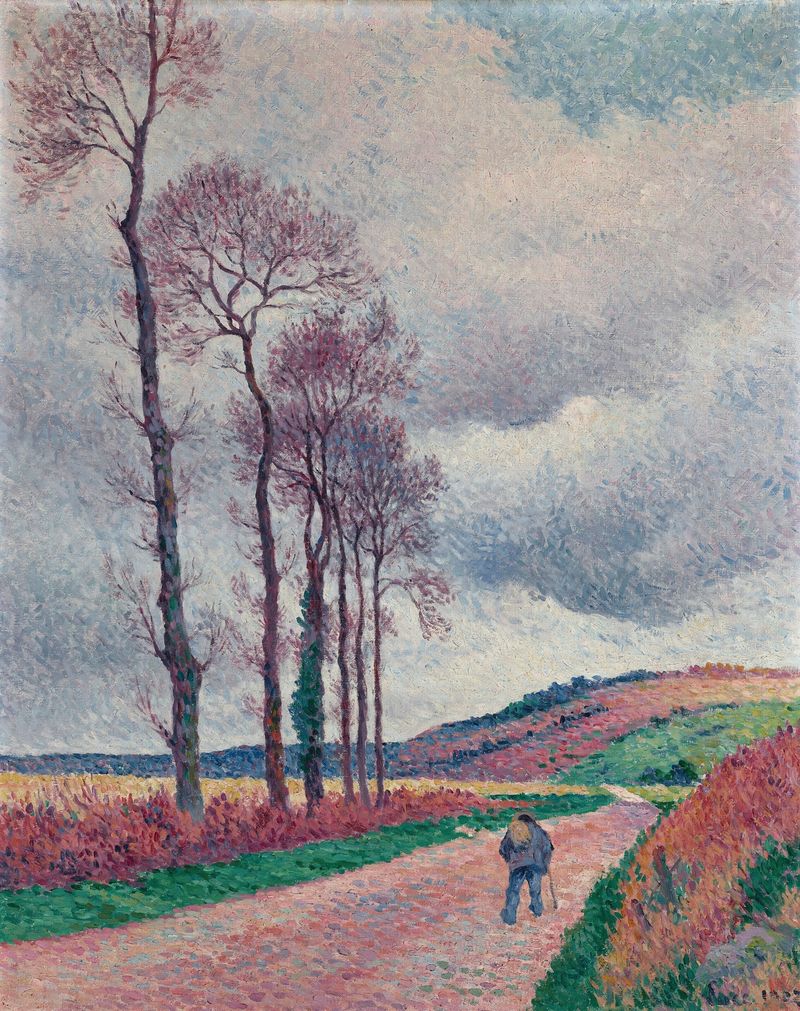
La route aux environs de Méréville
Maximilien Luce
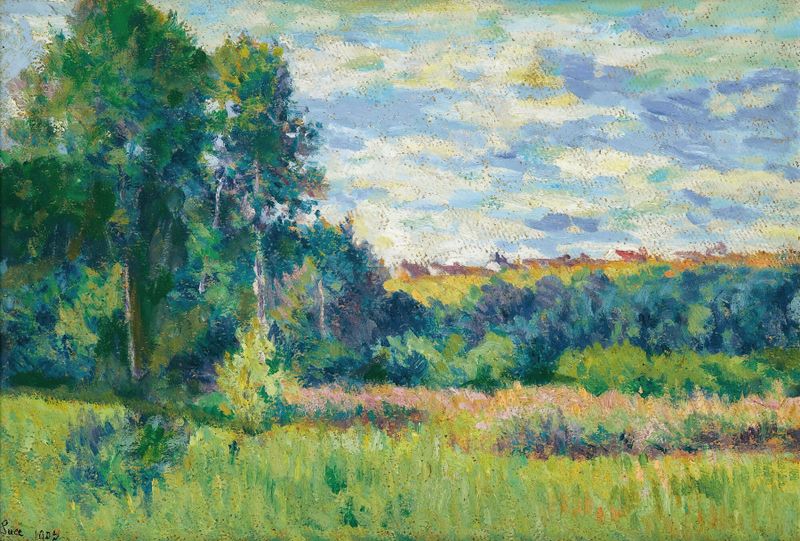
Paysage
Maximilien Luce
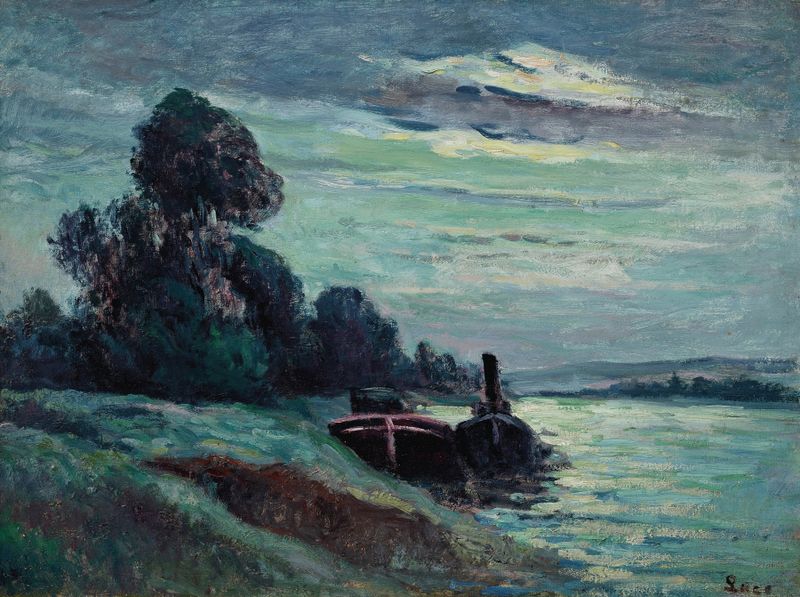
Péniches sur la Seine
Maximilien Luce

Notre Dame de Paris
Maximilien Luce
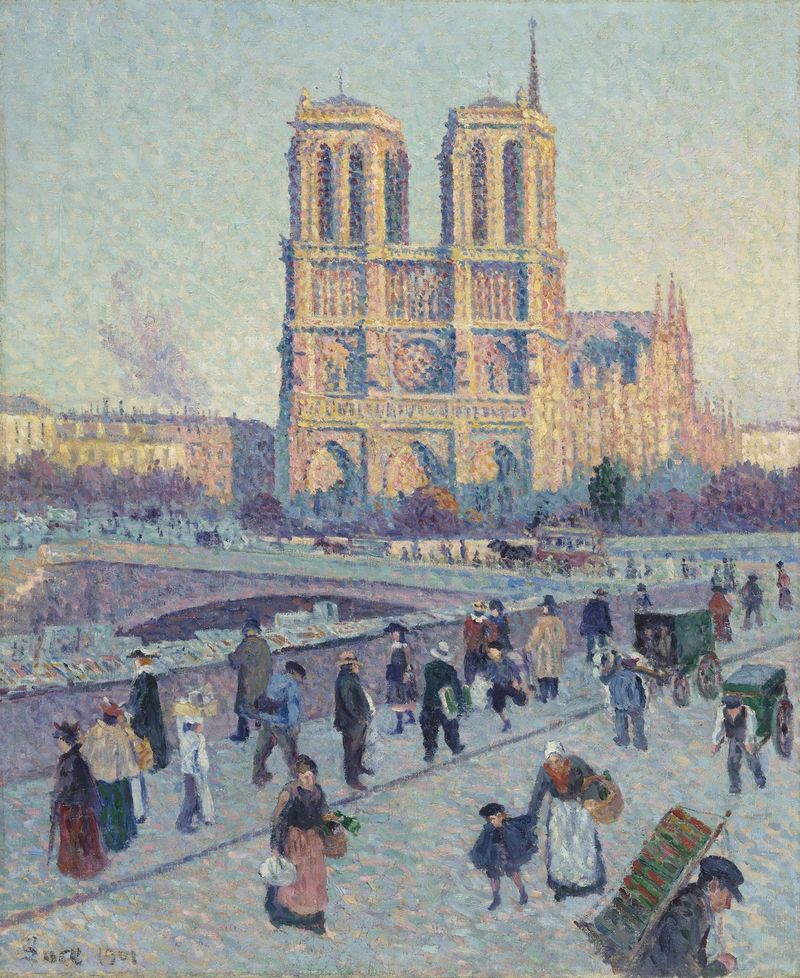
The Quai Saint-Michel and Notre-Dame
Maximilien Luce

La Seine au Pont Mirabeau
Maximilien Luce
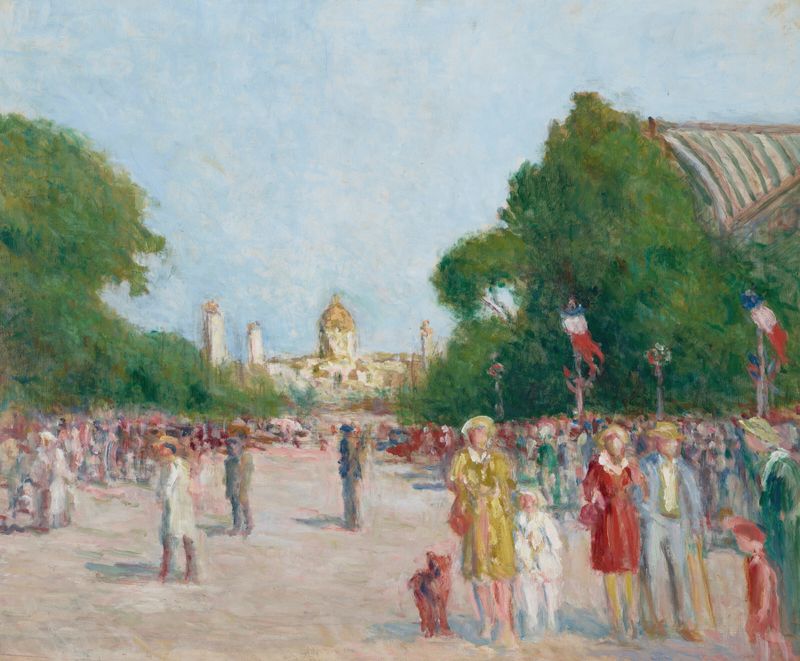
L’avenue Winston-Churchill, Paris
Maximilien Luce

Paris, Le Quartier De Vaugirard
Maximilien Luce